Angola – A Cultural Bridge Between Africa and Europe
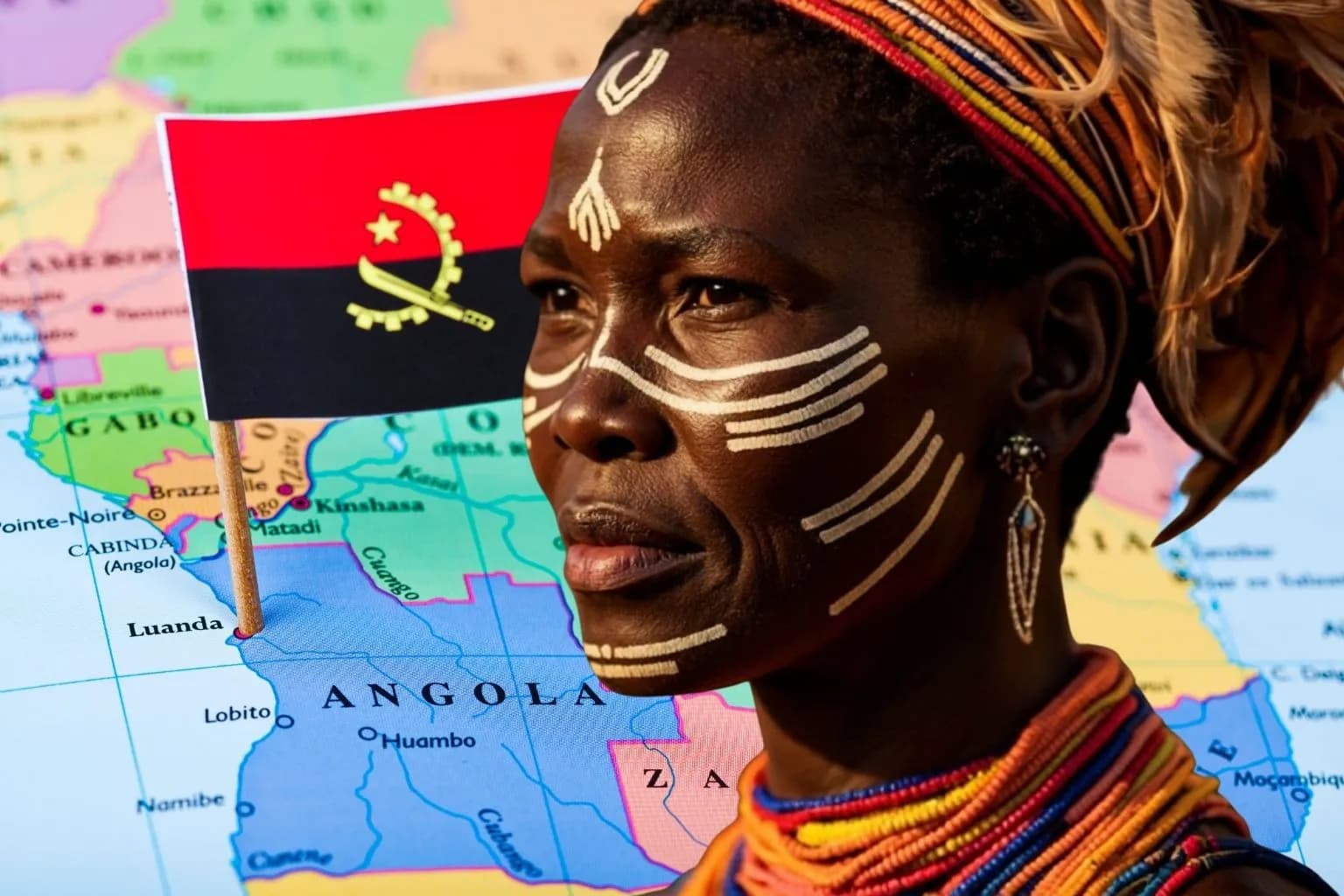
Angola is a country where rhythm, heritage, and modern ambition come together to create one of Southern Africa’s most dynamic cultural landscapes. Rooted in deep traditions yet confidently looking toward the future, Angola offers more than history and natural beauty — it offers a living culture that increasingly connects Africa and Europe.
A Lusophone Bridge to Europe
As a member of the Community of Portuguese Language Countries (CPLP), Angola shares strong linguistic, historical, and cultural ties with Portugal. This Lusophone connection makes Angolan culture a natural bridge to Europe.
The Portuguese language functions not only as a tool of communication but also as a cultural connector — facilitating artistic exchange, academic cooperation, and economic partnerships between Angola and European countries. For European audiences, Angola’s culture feels both distinctively African and historically intertwined with Europe, creating a unique space of dialogue and shared heritage.
Creative Industriesas a Driver of Modern Identity
At the heart of Angola’s cultural dynamism lies its creative industry. Music genres such as Semba and Kizomba have transcended borders and gained significant popularity across European capitals. Dance schools in Paris, Lisbon, and Brussels regularly teach kizomba, demonstrating how Angolan rhythm has become part of Europe’s urban cultural fabric.
Beyond music, Angolan fashion designers, visual artists, and filmmakers are increasingly visible on international platforms. Cultural production is no longer only an expression of identity — it has become an export sector. Through festivals, collaborations, and diaspora networks, Angola’s creative economy contributes to reshaping the country’s image abroad, presenting a narrative of innovation, youth, and resilience.
Heritage and Living Traditions
Despite its modernization, Angola remains deeply anchored in its ancestral traditions. Practices such as Engolo, a dynamic martial art performed in a circle and considered one of the roots of Brazilian capoeira, reflect the country’s historical global influence.
With more than 90 ethnic groups, Angola’s craftsmanship — from wood carving to textile art — carries symbolic meanings tied to spirituality, memory, and community life. This coexistence of heritage and modernity defines the country’s cultural identity.
A Gastronomy of Encounters
Angolan cuisine reflects centuries of exchange across the Atlantic world. Dishes such as Funje and Moamba de Galinha embody the fusion of African traditions with Portuguese culinary influences.
Every meal tells a story of encounter — between continents, cultures, and generations.
A New Era of Sustainable Tourism
In 2023–2024, Angola significantly simplified visa procedures for numerous nationalities, marking a decisive step toward greater openness to international tourism. This reform reflects a broader ambition: positioning Angola as an emerging destination that combines cultural depth with responsible development.
From the vibrant streets of Luanda to its vast natural landscapes, the country is investing in infrastructure while promoting sustainable tourism that respects local communities and ecosystems. For European travelers seeking authenticity beyond mass tourism circuits, Angola represents an exciting frontier — culturally rich, historically connected, and increasingly accessible.
Conclusion: A Culture in Motion
Angola today stands at a crossroads — honoring its heritage while actively shaping its global presence. Through its membership in the CPLP, its thriving creative industries, and its renewed openness to international visitors, Angola offers Europe not only a destination but a cultural partner.
Dynamic, resilient, and outward-looking, Angola’s culture is more than a legacy of the past — it is a forward-looking bridge between continents.
Enes Taskin
Contributing writer at EUReflect.
Follow EUReflect
See more of our reporting on Google
Mark EUReflect as a preferred source and our stories are ranked higher for you in Top Stories, Discover and Google News — and carry a “preferred” badge when they are cited in AI results.
Add EUReflect as a preferred source