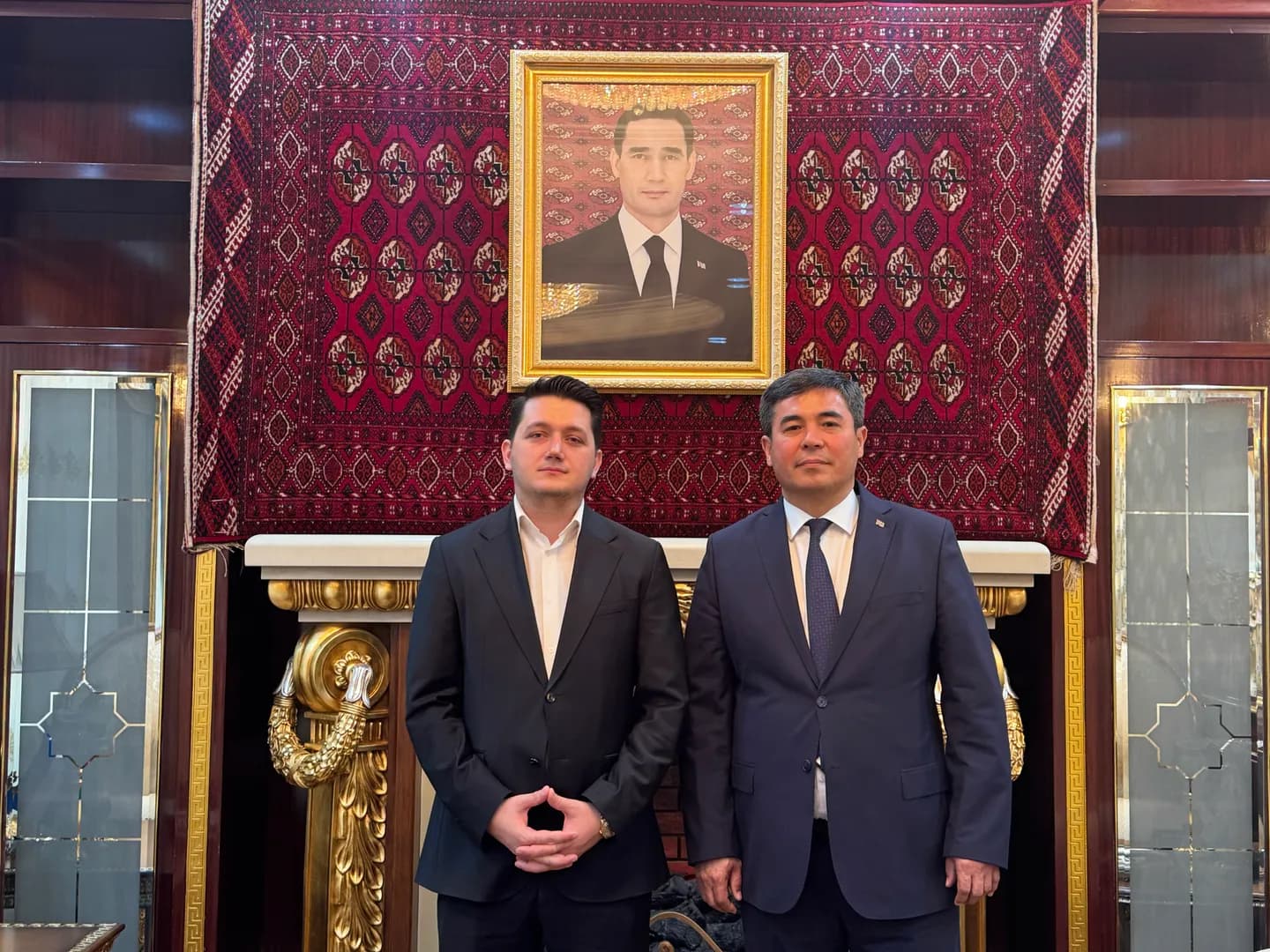
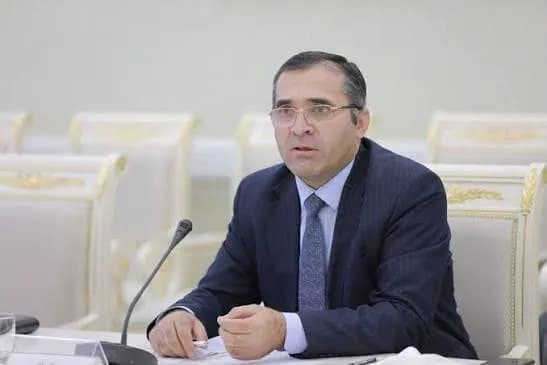
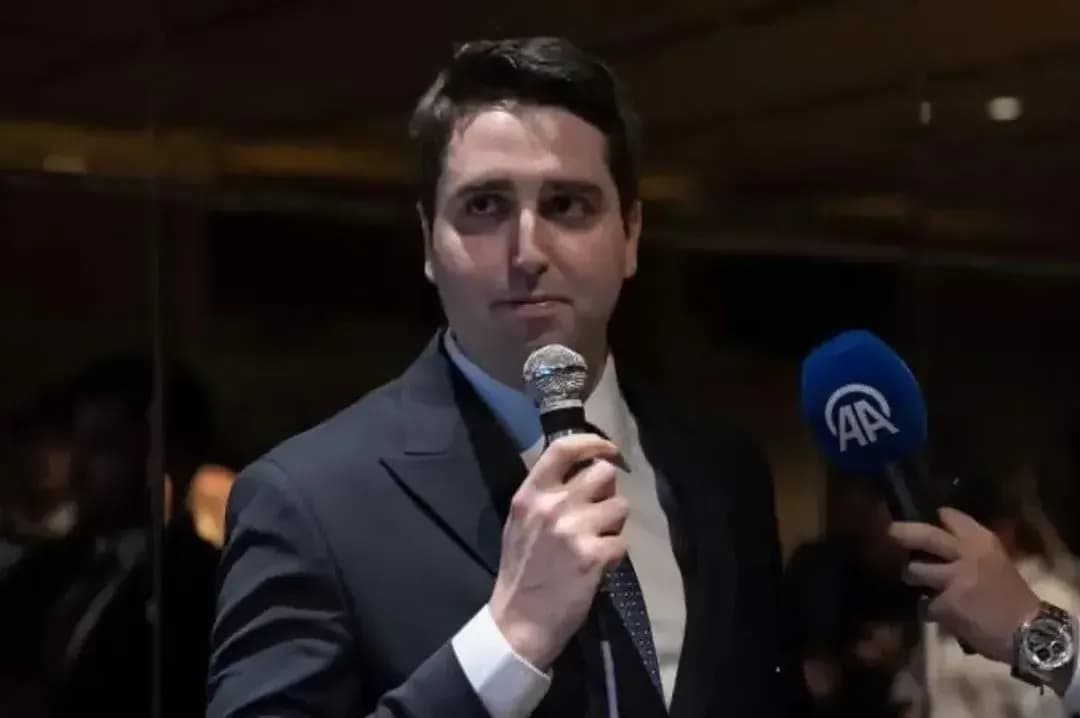
The Tashkent meeting covered Turkmen cultural heritage promotion, the country's permanent neutrality status and the distinction between investment frameworks and service-based cooperation in bilateral trade.
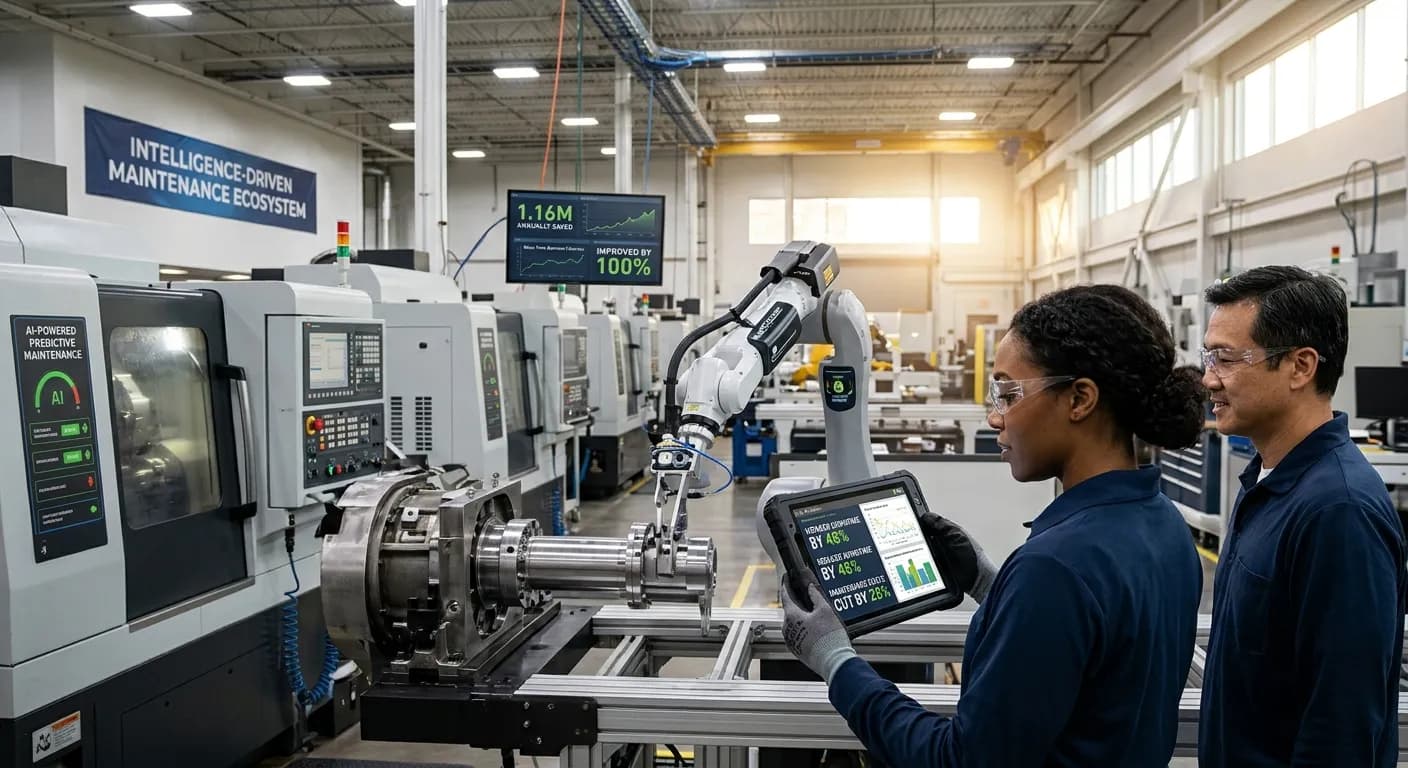
Surveys show 96% of IT leaders have embedded AI in core processes and 88% of organisations use it in at least one function. Yet only 7% have scaled it across operations, leaving most gains confined to isolated pilots.
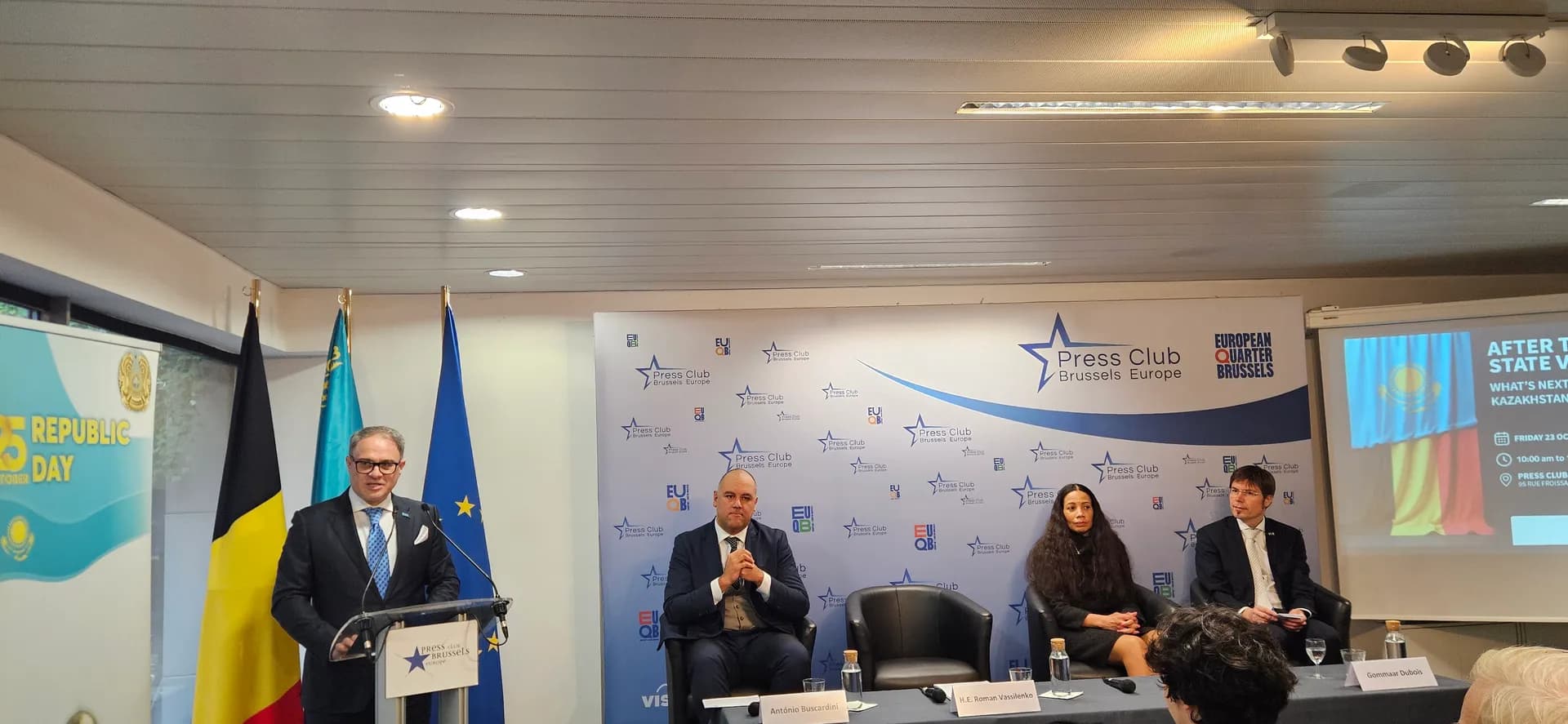
Belgian, Kazakh and EU representatives gathered in Brussels to outline the next phase of cooperation following the Belgian royal state visit to Kazakhstan, with critical raw materials, transport connectivity and research at the heart of the agenda.
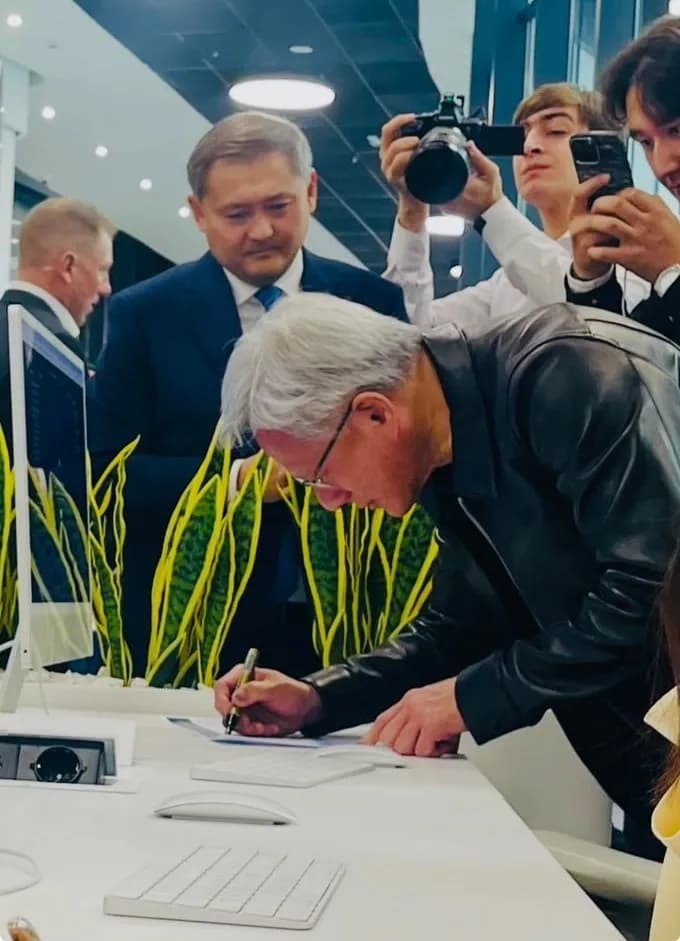
NVIDIA founder and CEO Jensen Huang’s first visit to Kazakhstan brought AI education and the next generation of researchers into focus. At alem.ai in Astana, Minister of Science and Higher Education Sayasat Nurbek introduced Huang to QAIRU, a new university launched this year with a focus on artificial intelligence and advanced research.
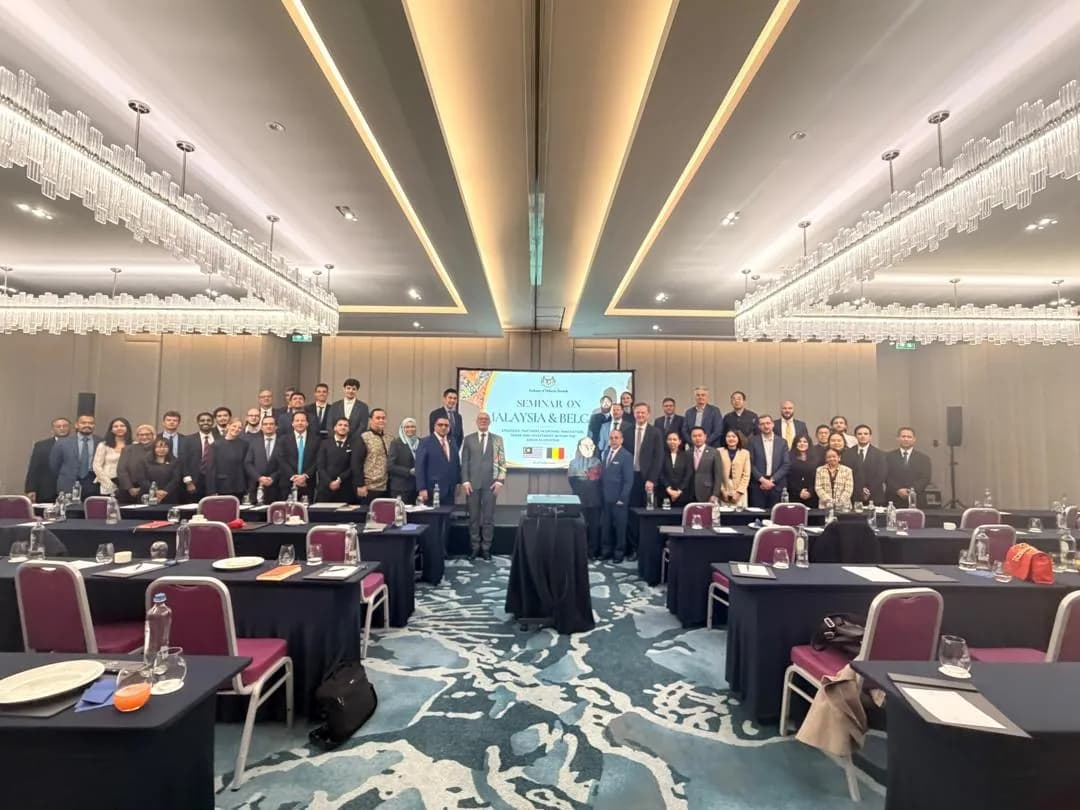
On October 22, 2026, the Embassy of Malaysia hosted an inaugural seminar at the Tangla Hotel in Brussels titled "Malaysia and Belgium: Strategic Partners in Driving Innovation, Trade and Investment within the Ecosystem". Attended by over 60 diplomats, policymakers, and business leaders, the event highlighted Malaysia's role as Belgium's gateway to ASEAN. Discussions centered on expanding bilateral cooperation across six key pillars: semiconductors, green energy, green chemicals, logistics and ports, pharmaceuticals, and tourism. The seminar featured insights from Belgian enterprises like Melexis, highlighted broader EU-ASEAN synergies such as the Global Gateway initiative, and emphasized steady progress toward concluding the Malaysia–EU Free Trade Agreement (MEUFTA) by 2027.
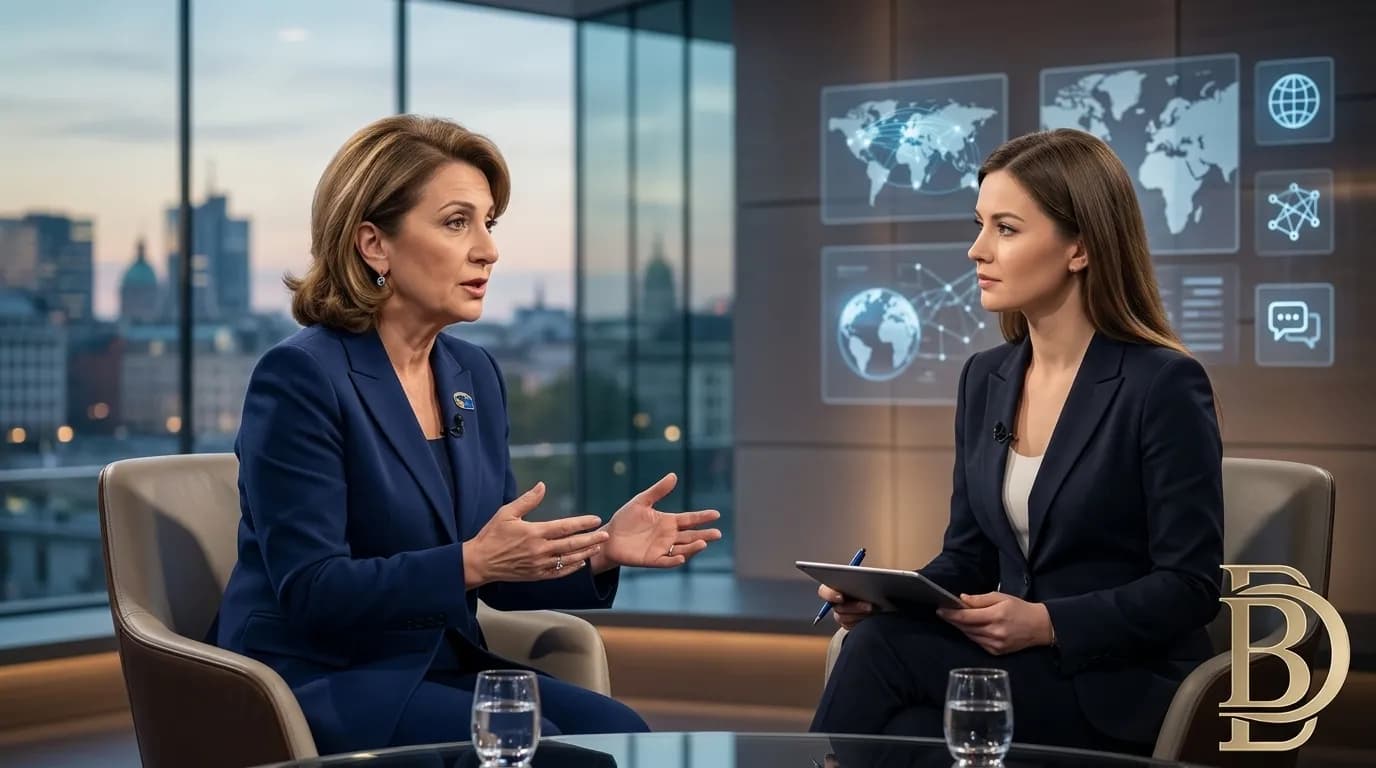
Technology has made diplomacy faster, but trust still takes patience, cultural awareness and the ability to listen. Elene Metreveli says digital diplomacy needs traditional values adapted to new tools, not entirely new rules.
Interviewed by: Olha Pashchenko
Interviewee: Elene Metreveli, European Parliament (EPP Group)
The way diplomats communicate is changing, but respect, professionalism and mutual understanding remain the same, says Elene Metreveli. In online negotiations, even the tone of an email or the speed of a reply can shape a relationship.
Interviewed by: Olha Pashchenko
Interviewee: Elene Metreveli, European Parliament (EPP Group)
International opportunities should not depend on money or personal connections, says Elene Metreveli, pointing to paid traineeships, professional exchanges and partnerships between universities, businesses and public institutions.
Interviewed by: Olha Pashchenko
Interviewee: Elene Metreveli, European Parliament (EPP Group)
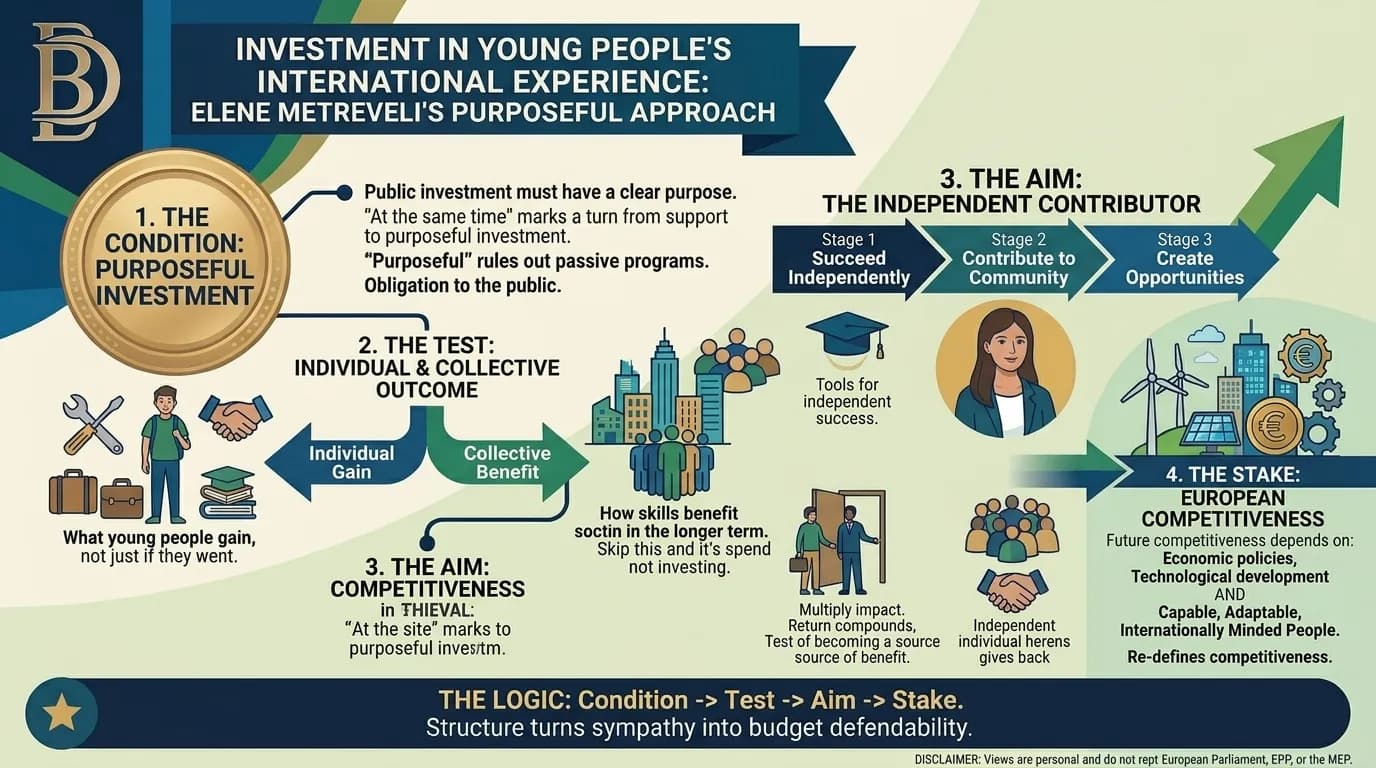
Public support for young people’s international experience must be purposeful, Elene Metreveli says: it should help individuals succeed independently, contribute to their communities and create opportunities for others.
Interviewed by: Olha Pashchenko
Interviewee: Elene Metreveli, European Parliament (EPP Group)
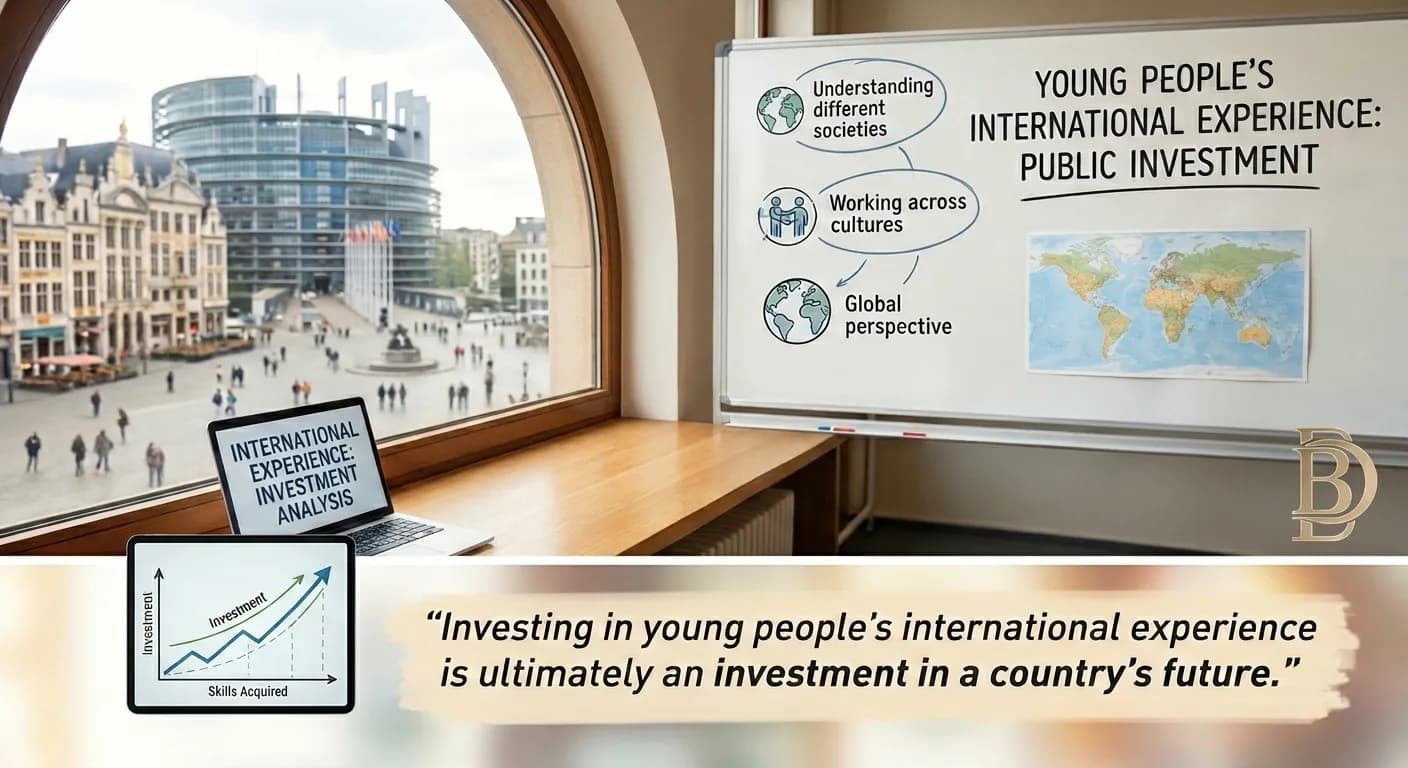
Elene Metreveli argues that young people’s international experience is not an expense but a public investment, building the ability to understand other societies, work across backgrounds and see beyond the national perspective.
Interviewed by: Olha Pashchenko
Interviewee: Elene Metreveli, European Parliament
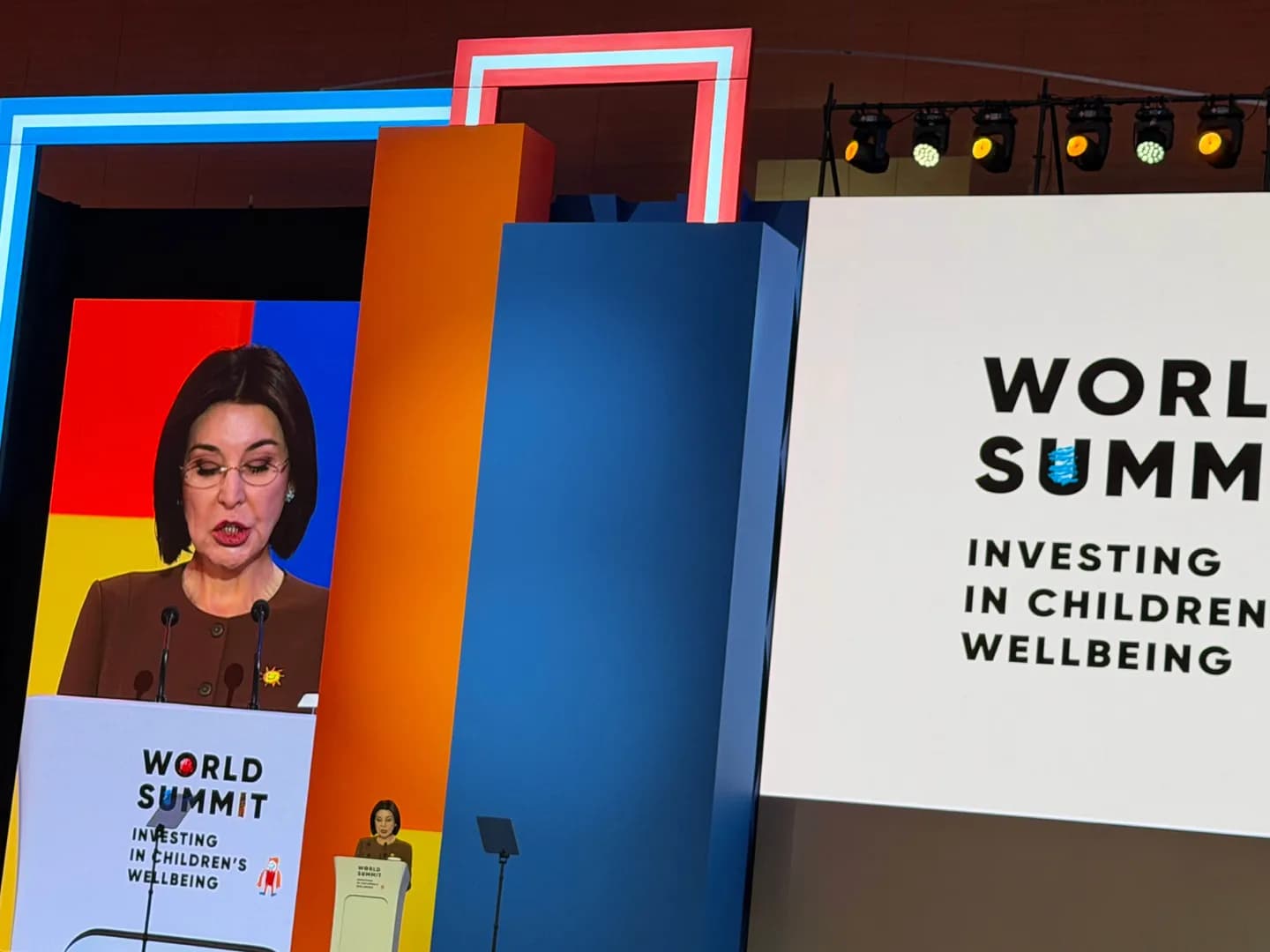
World leaders, First Ladies and international organisations gathered in Samarkand for the opening of the World Summit on Investing in Children’s Wellbeing, calling for stronger global action to ensure every child can grow up healthy, safe and with equal opportunities.
Central Asia’s growing economic potential, relative stability and strategic transport links are attracting major powers, while its countries balance competing interests through a multi-vector foreign policy. This article is based on a speech by Qodir Djurayev, Professor at the University of World Economy and Diplomacy in Tashkent.
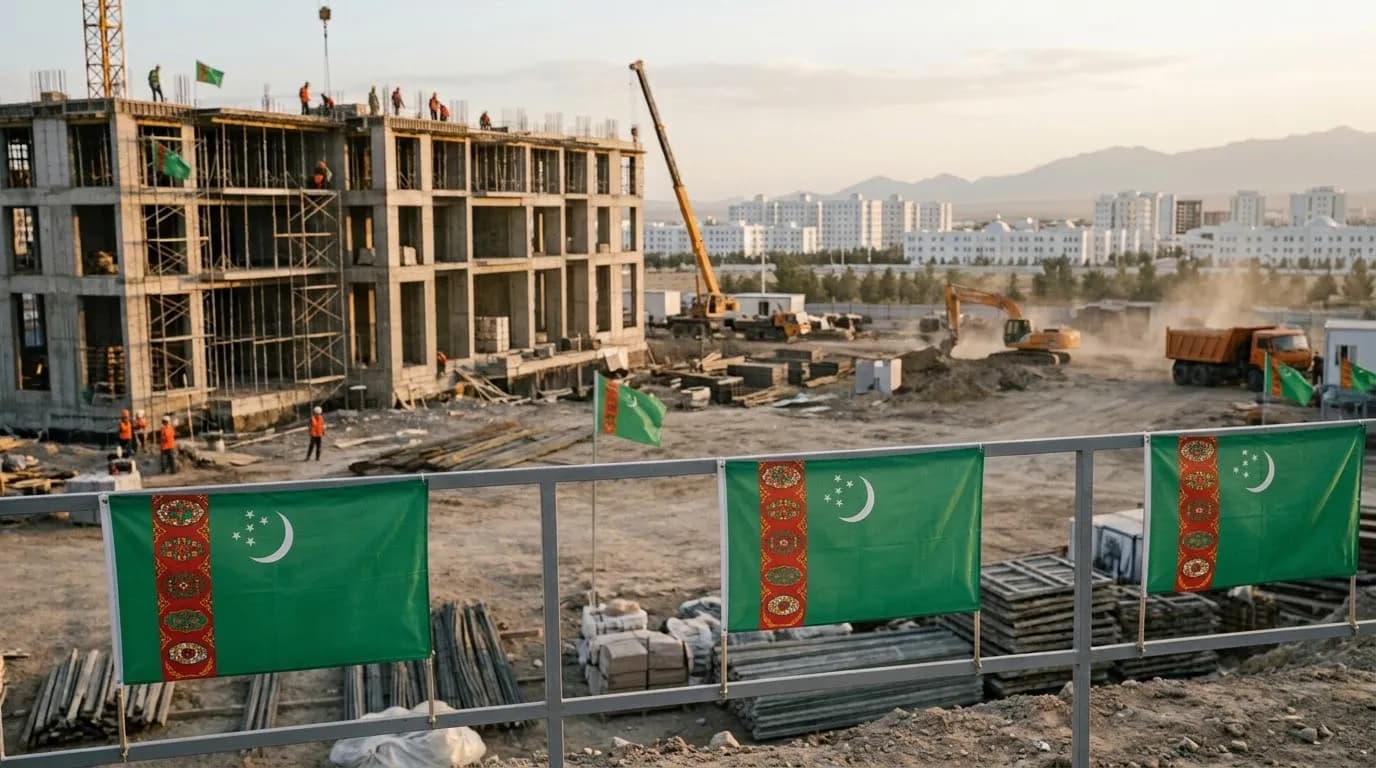
Ashgabat plans to channel 68.5 percent of this year's construction budget into production facilities and 31.5 percent into education, healthcare and culture, with GDP growth projected at 6.3 percent for 2026.
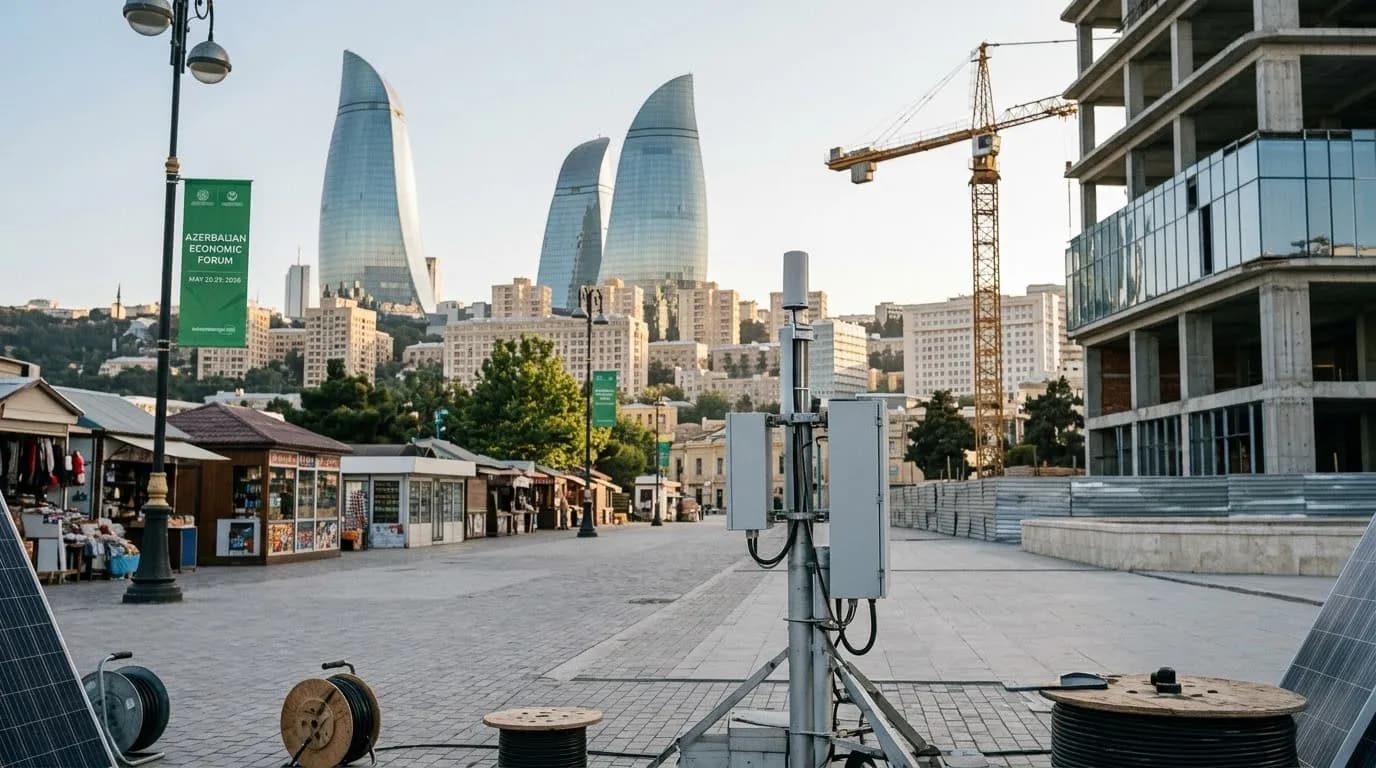
GDP grew 1.5 percent to $60.03 billion in the first nine months, but the oil and gas sector shrank 1.2 percent while non-energy output rose just 2.6 percent, leaving the diversification question open.
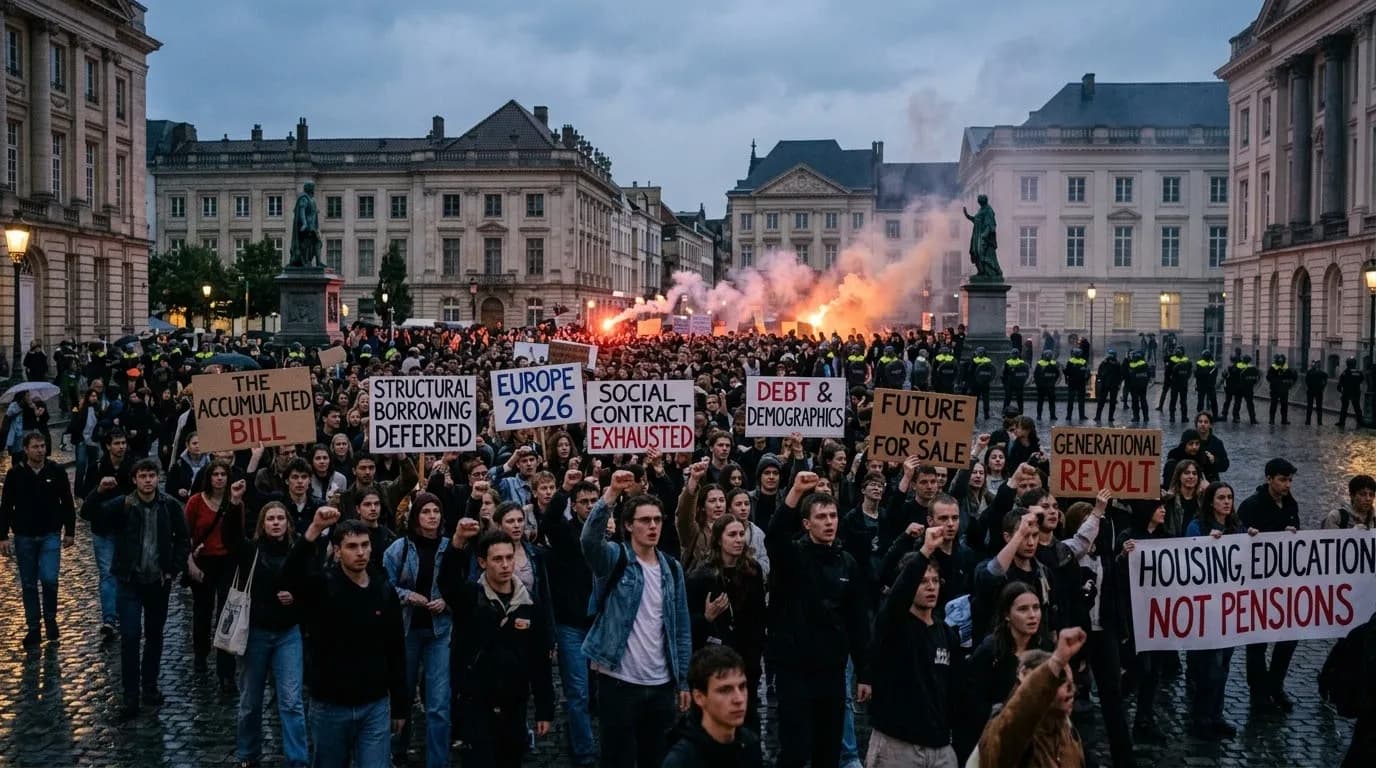
Youth unemployment at 22.2 per cent in France and inflation back at 3.8 per cent across the euro area form the backdrop to a protest wave that is urban, youth-led and anchored in schools and universities rather than the roundabouts of 2018.
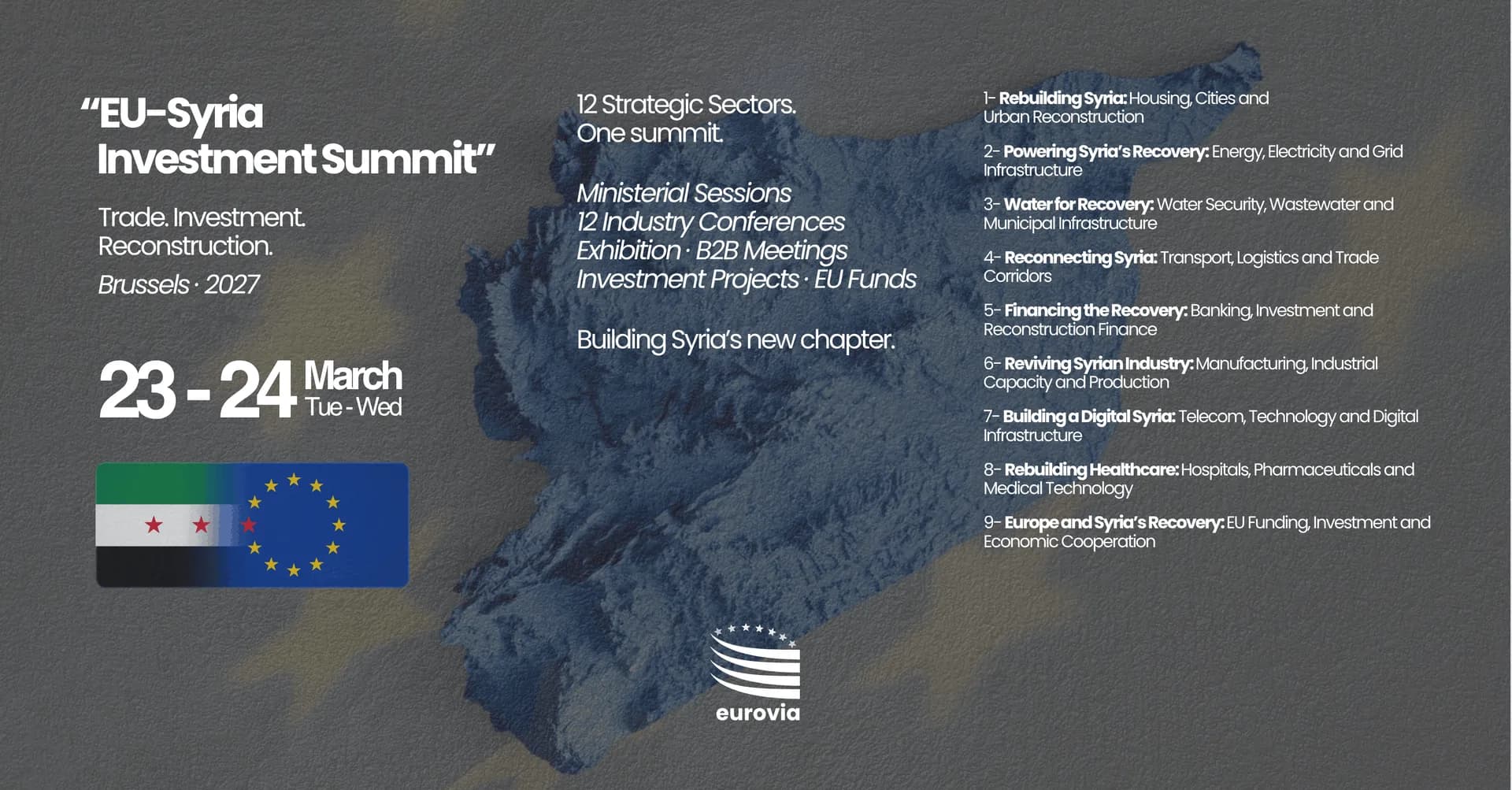
Two days of sector conferences, structured B2B meetings and project
presentations in March 2027 aim to turn interest in Syria's reconstruction into
signed business between Syrian and European companies.
Gürbüz, Secretary General of ATA Türkiye, says he wants to give every member association a stronger voice and to prepare the organisation for a changing security environment. The election will take place in Berlin on 21 November 2026.
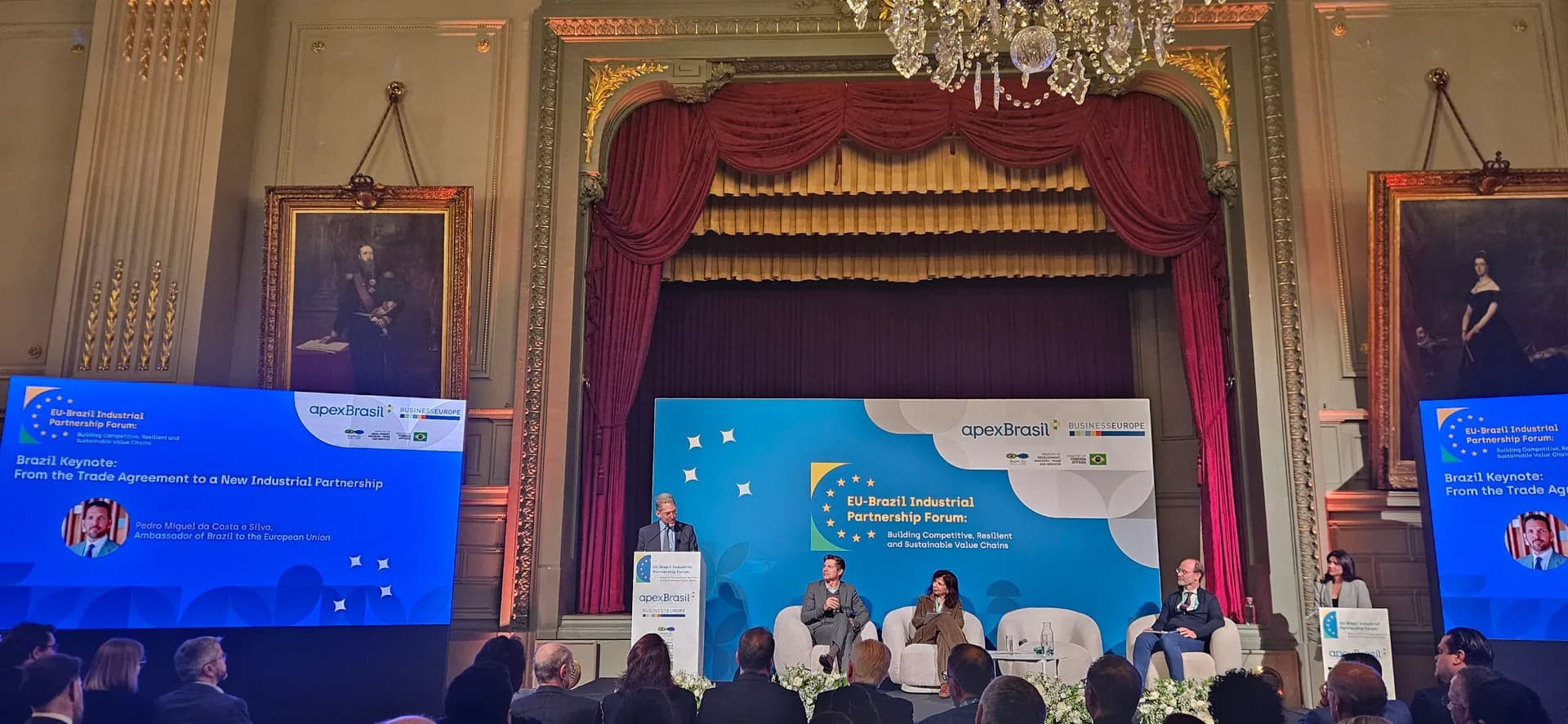
The EU–Brazil Industrial Partnership Forum explored how closer cooperation in clean energy, critical minerals and innovation can strengthen competitiveness and build more resilient value chains.
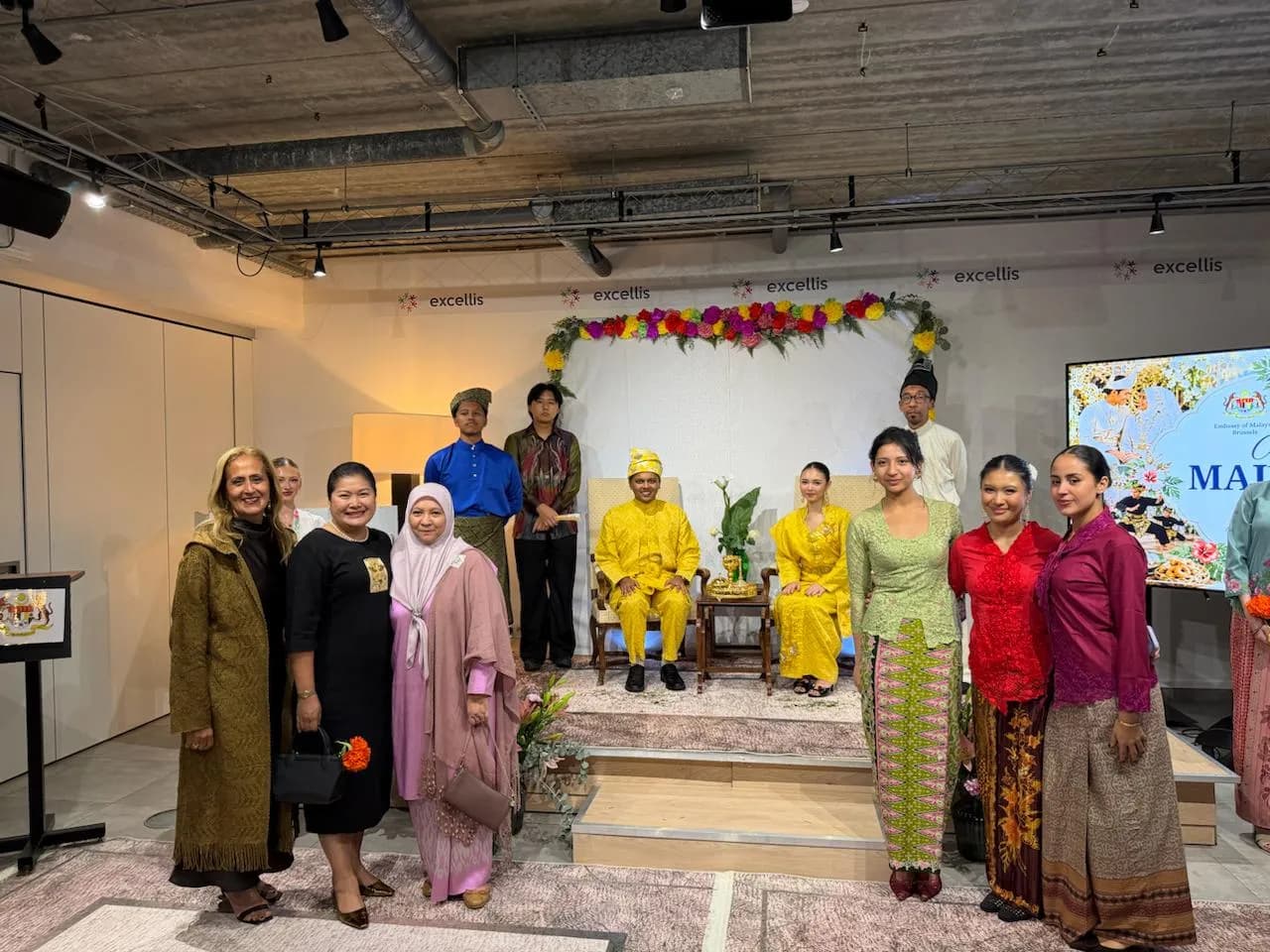
The Embassy of Malaysia invited guests to experience the traditions, ceremonial attire and cuisine of a Malay wedding, presented as a portrait of the country as the melting pot of Southeast Asia.
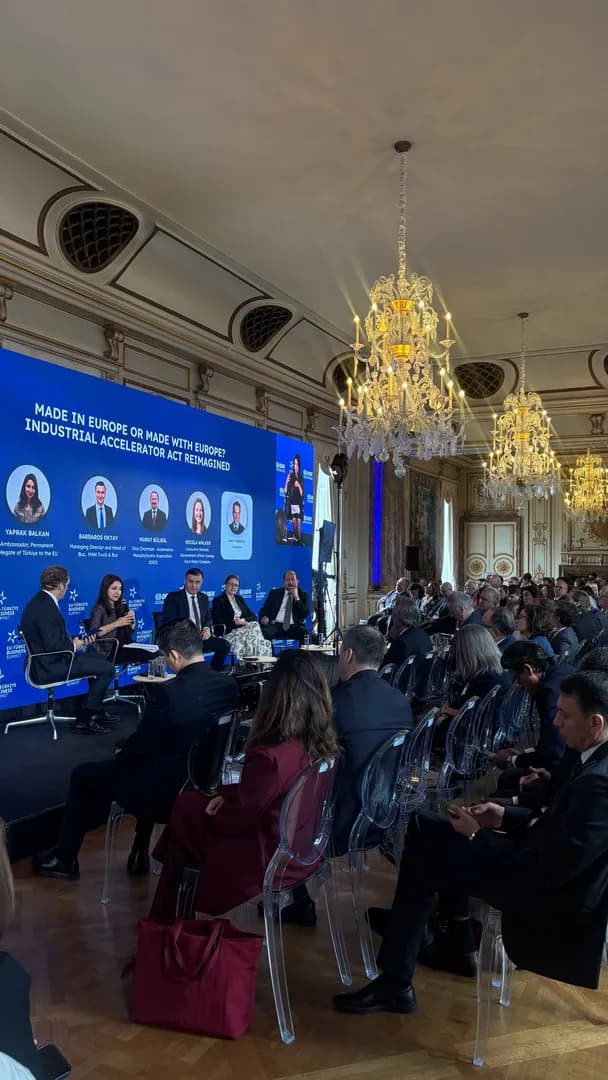
EUReflect Media attended the second edition of the summit at Egmont Palace, where business leaders and officials pressed for a Customs Union upgrade and deeper integration of supply chains.
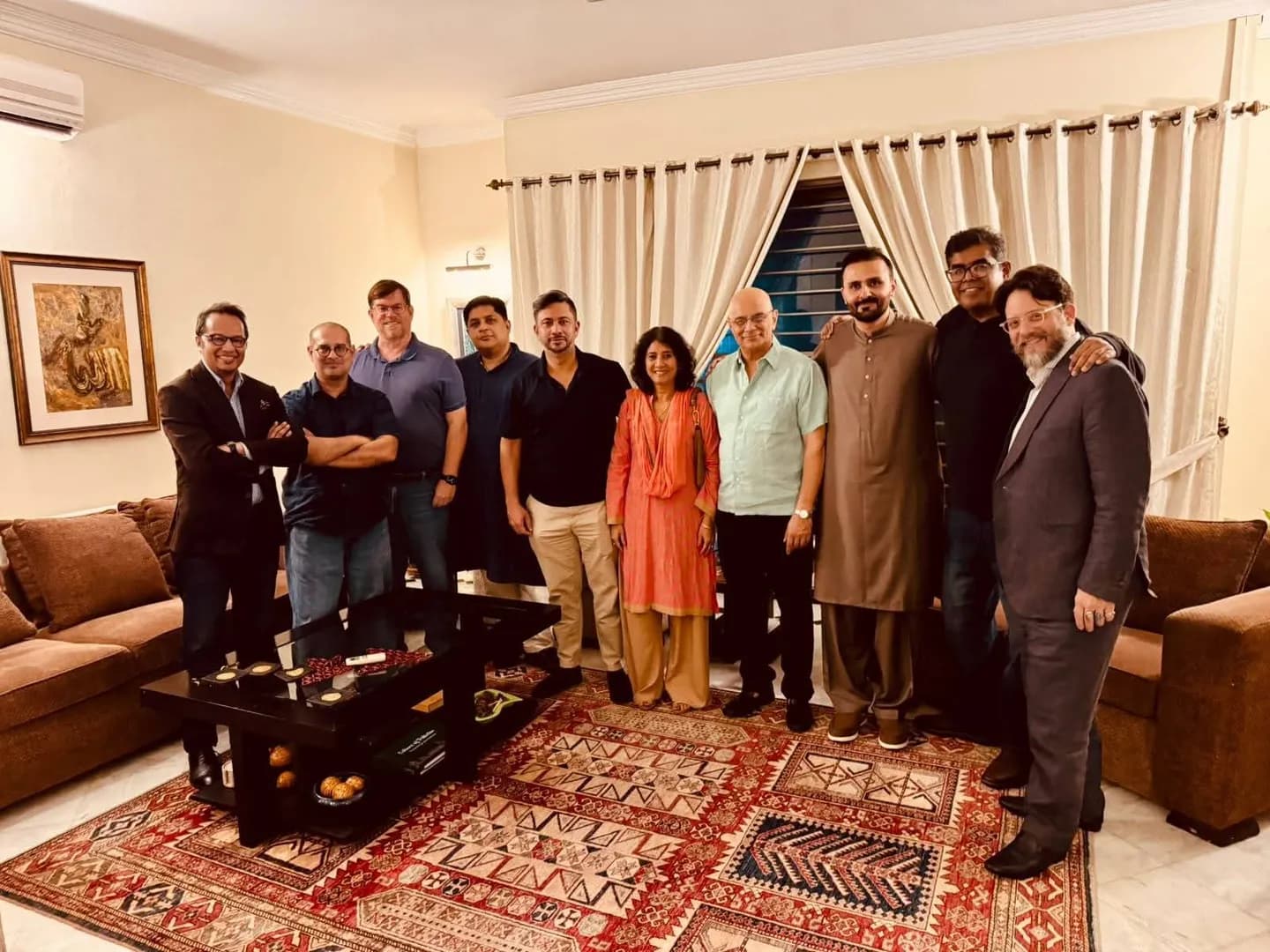
Universities, businesses and researchers build regional links that survive changes of government, yet South Asia still routes most contact through formal channels. The Islamabad meetings asked what a next generation of leaders might do differently.
This interview is conducted by Muhammadillo Shermatov with Sherzod Abdunazarov, Consul General of the Republic of Uzbekistan in Istanbul. Drawing on his knowledge of Uzbekistan’s foreign policy, diplomatic protocol, and strategic vision, Abdunazarov shared his insights and professional experience, offering valuable guidance for the development of the Business Diplomat initiative and the promotion of diplomatic culture in the business world.
This interview is conducted by Muhammadillo Shermatov with Sherzod Abdunazarov, Consul General of the Republic of Uzbekistan in Istanbul. Drawing on his knowledge of Uzbekistan’s foreign policy, diplomatic protocol, and strategic vision, Abdunazarov shared his insights and professional experience, offering valuable guidance for the development of the Business Diplomat initiative and the promotion of diplomatic culture in the business world.