Uroosa Khan

writer at EUReflect

Contributing writer at EUReflect.

Articles by Uroosa Khan

  • Why Sustainable Growth Is the Future of Business

    Why Sustainable Growth Is the Future of Business

    Long-term business success requires integrating environmental sustainability into strategy. Companies that embrace circular economy principles, green innovation, regenerative practices, and climate resilience will reduce risk, attract investment, strengthen competitiveness, and achieve sustainable economic growth.

    energy
  • Why the U.S. Iran Truce Was Destined to Collapse?

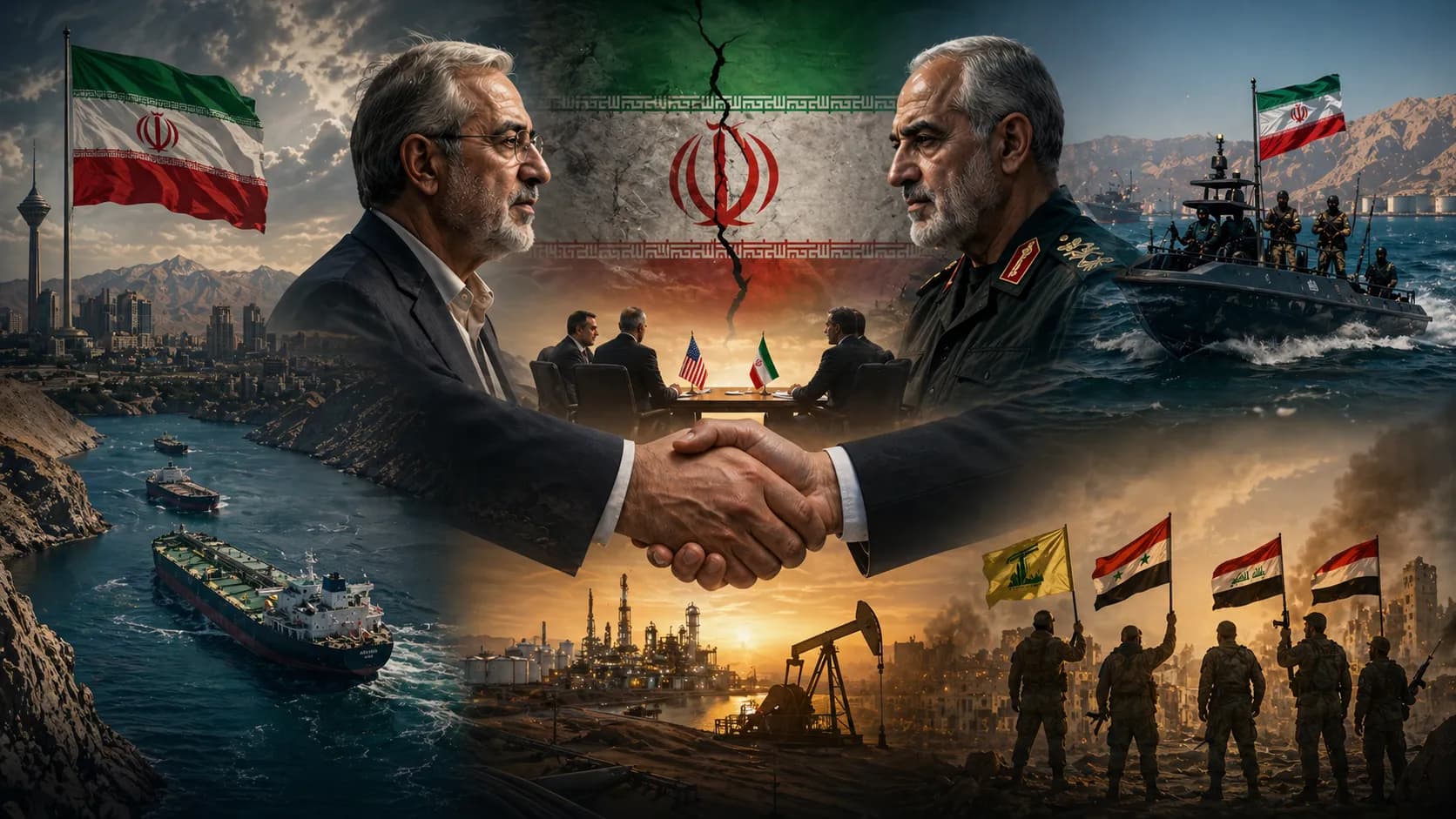
    Why the U.S. Iran Truce Was Destined to Collapse?

    The collapse of the US-Iran ceasefire showed that peace cannot last without addressing the root causes of conflict. Disputes over the Strait of Hormuz, deep mistrust, exclusion of regional actors, and vague provisions reignited tensions. Lasting peace requires inclusive diplomacy, monitoring mechanisms, and respect for international law.

    politics
  • Digital Economy and Financial Inclusion in Emerging Markets

    Digital Economy and Financial Inclusion in Emerging Markets

    Digital finance is transforming emerging economies by expanding access to banking, savings, payments, and credit through mobile technology. While financial inclusion and economic growth are accelerating, challenges such as cybersecurity, digital literacy, infrastructure gaps, and inactive accounts continue to limit its full potential.

    technology
  • Is the US–Iran Deal a Ceasefire or a Coming Collapse?

    Is the US–Iran Deal a Ceasefire or a Coming Collapse?

    The new U.S.–Iran MoU has paused hostilities with a 60-day ceasefire, but experts warn it is only a temporary truce. Lasting peace will require strict verification, economic safeguards, military deconfliction channels, and mutual acceptance of regional realities to prevent future conflict.

    politics
  • The Unfulfilled Promises of Donald Trump’s Foreign Policy

    The Unfulfilled Promises of Donald Trump’s Foreign Policy

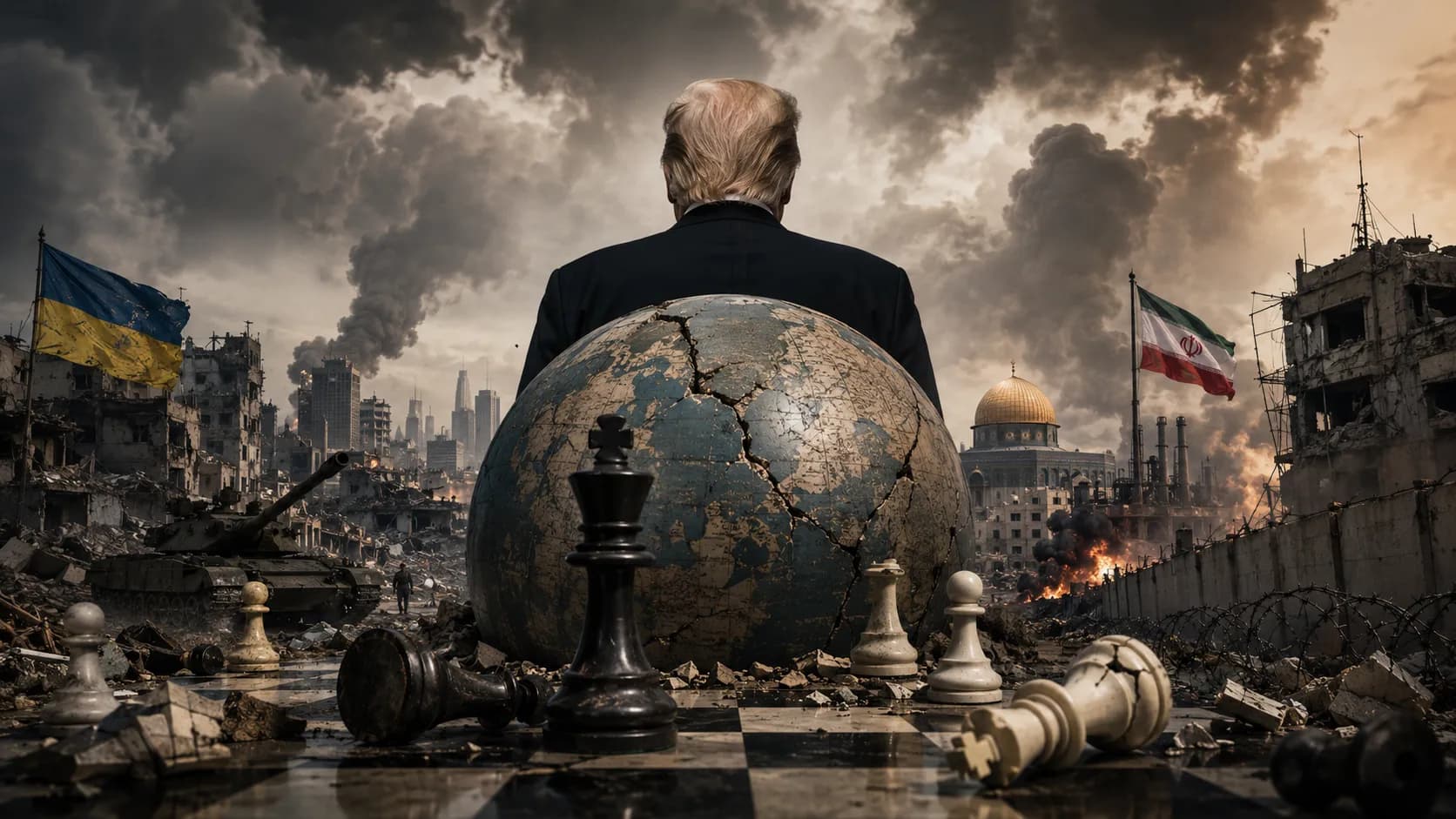
    Trump’s foreign policy was driven by TV-style big promises and quick fixes. He failed to produce lasting results in Ukraine, Gaza, and Iran because he treated diplomacy as personal pressure and announcements rather than structured, institutional negotiation processes.

    general
  • Can Washington and Beijing Escape the Thucydides Trap?

    Can Washington and Beijing Escape the Thucydides Trap?

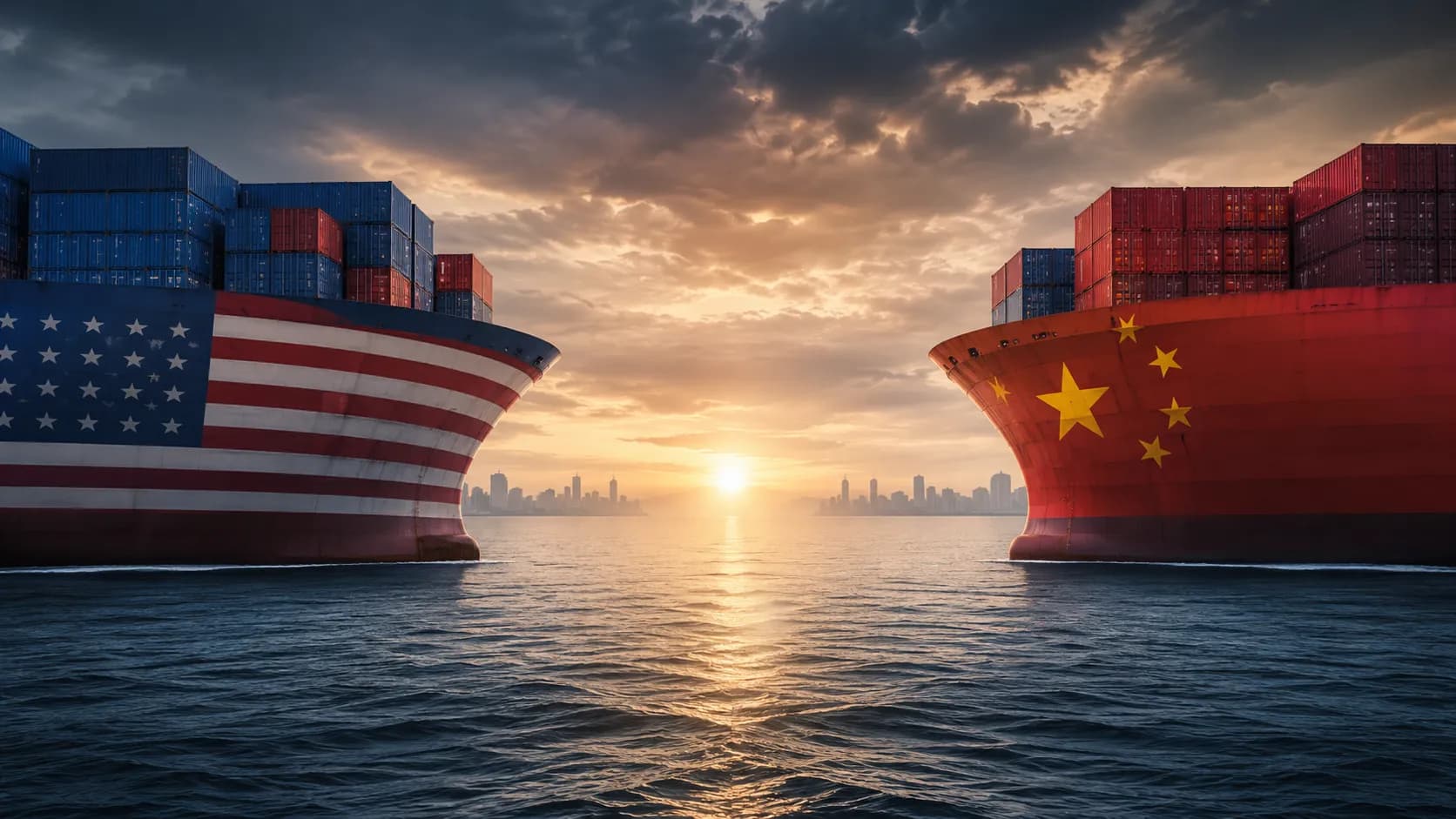
    The US-China relationship combines strategic competition with deep economic interdependence. While tensions over technology, security, and Taiwan persist, economic ties, military communication, and selective cooperation on global issues help prevent rivalry from escalating into conflict.

    general
  • The Beijing Summit and the Future of Global Power Politics

    The Beijing Summit and the Future of Global Power Politics

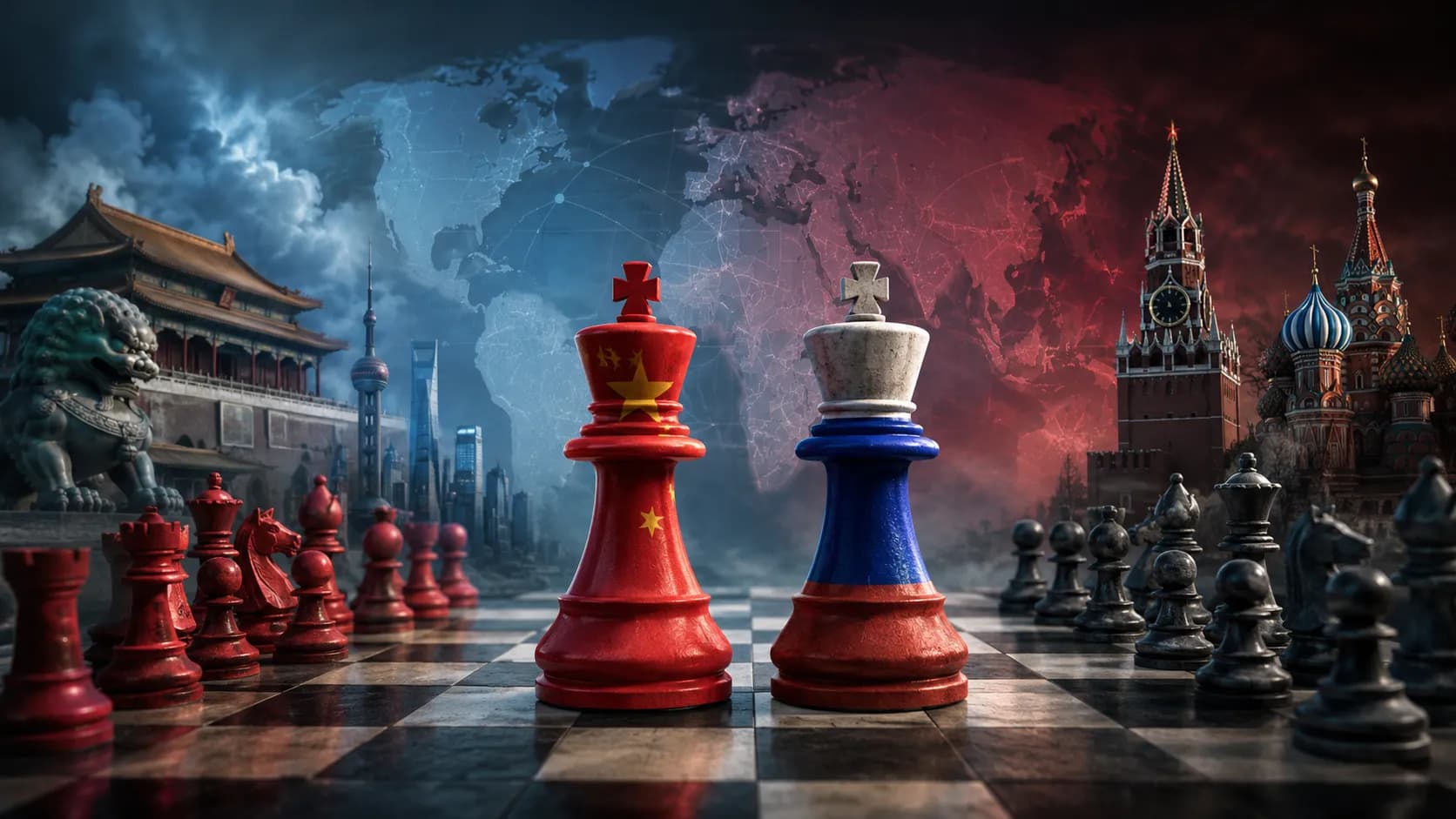
    The Xi-Putin summit highlighted growing China-Russia cooperation against Western influence, yet the relationship is driven more by shared opposition than a common vision. Power asymmetry, economic dependence, and differing geopolitical priorities continue to raise questions about its long-term durability.

    politics
  • How Algorithmic Manipulation Is Degrading Human Intelligence?

    How Algorithmic Manipulation Is Degrading Human Intelligence?

    Social media algorithms and AI tools are weakening human attention, memory, and critical thinking. Research from 2025 shows rising short-form video addiction, cognitive decline, IQ reduction, and the spread of “cognitive debt” on a global scale.

    technology
  • Can Europe Lead Global Trade Again?

    Can Europe Lead Global Trade Again?

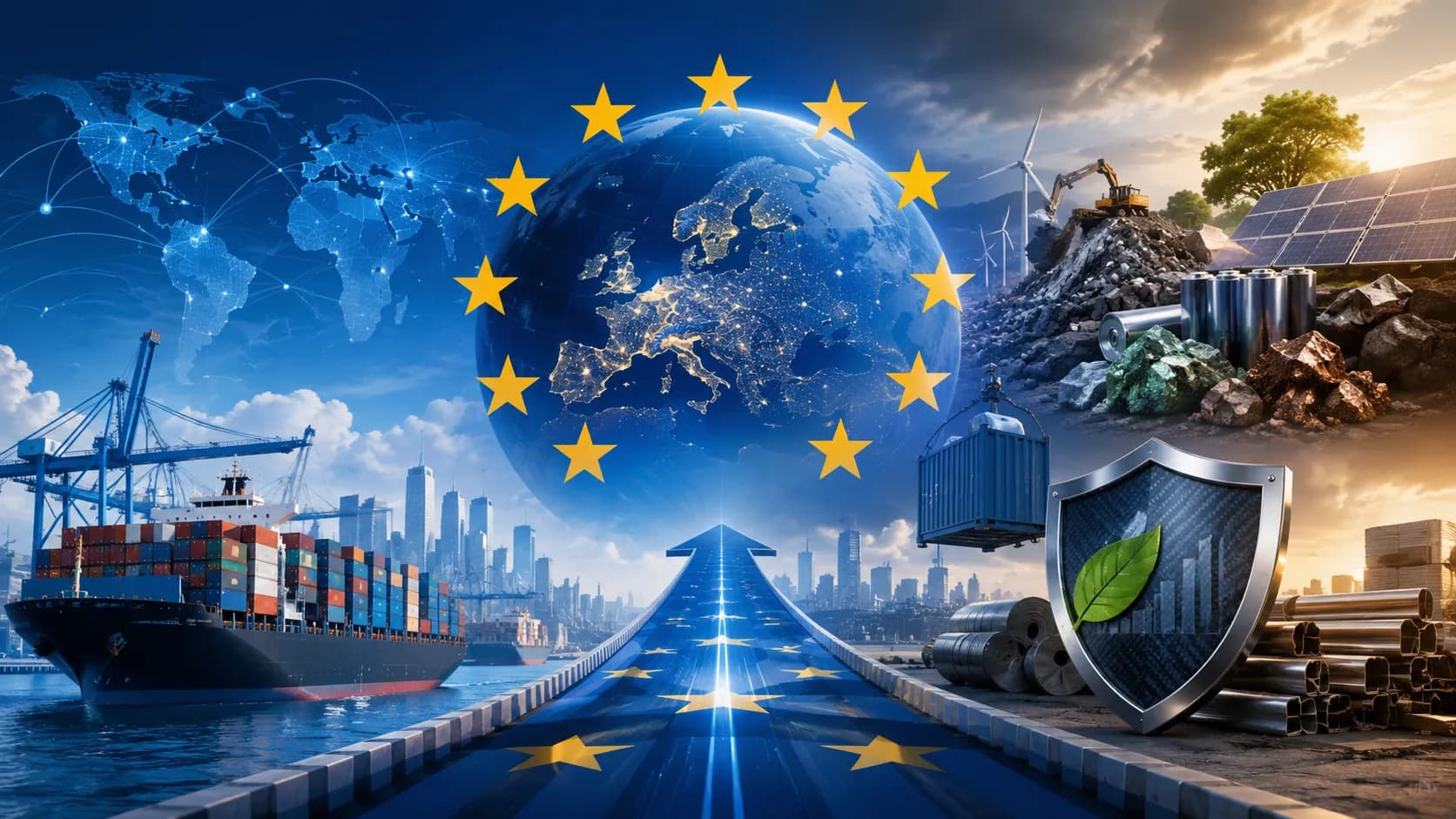
    The EU remains a major trade power with a large surplus, but exports are declining and dependence on the US is rising. Innovation is weak, SMEs are underrepresented in exports, and internal market barriers persist. Issues in raw materials, CBAM, and Global Gateway show the need for deep structural reform.

    economy
  • Will India–Pakistan’s Next War Be Driven by Water?

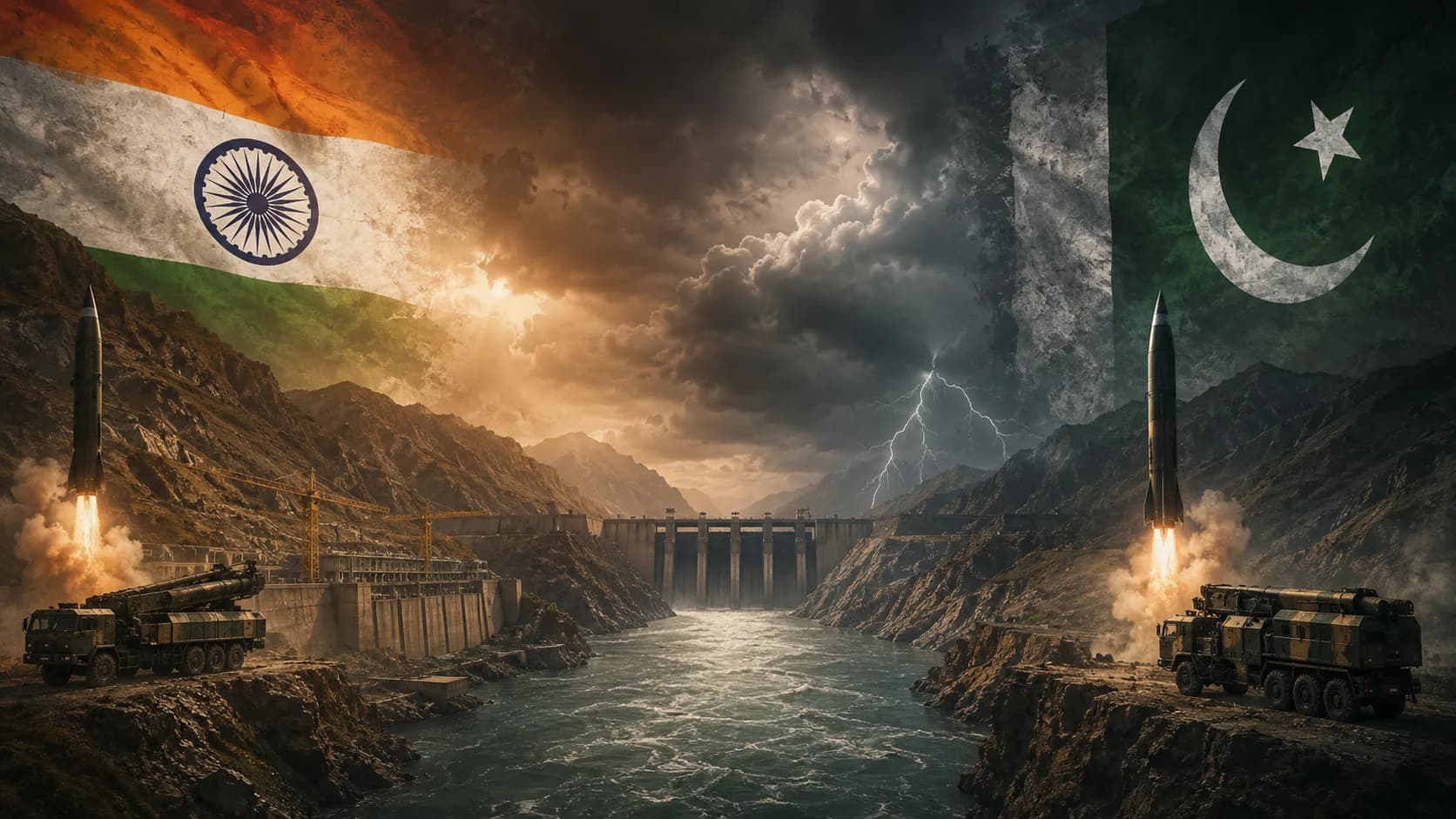
    Will India–Pakistan’s Next War Be Driven by Water?

    Rising India-Pakistan tensions after the collapse of the Indus Waters Treaty could trigger a future war over water. Climate change, dam disputes, military escalation and nuclear risks may push both nuclear powers toward a catastrophic conflict by 2028–2029.

    general
  • Pakistan’s Fast-Rising Solar Power Revolution

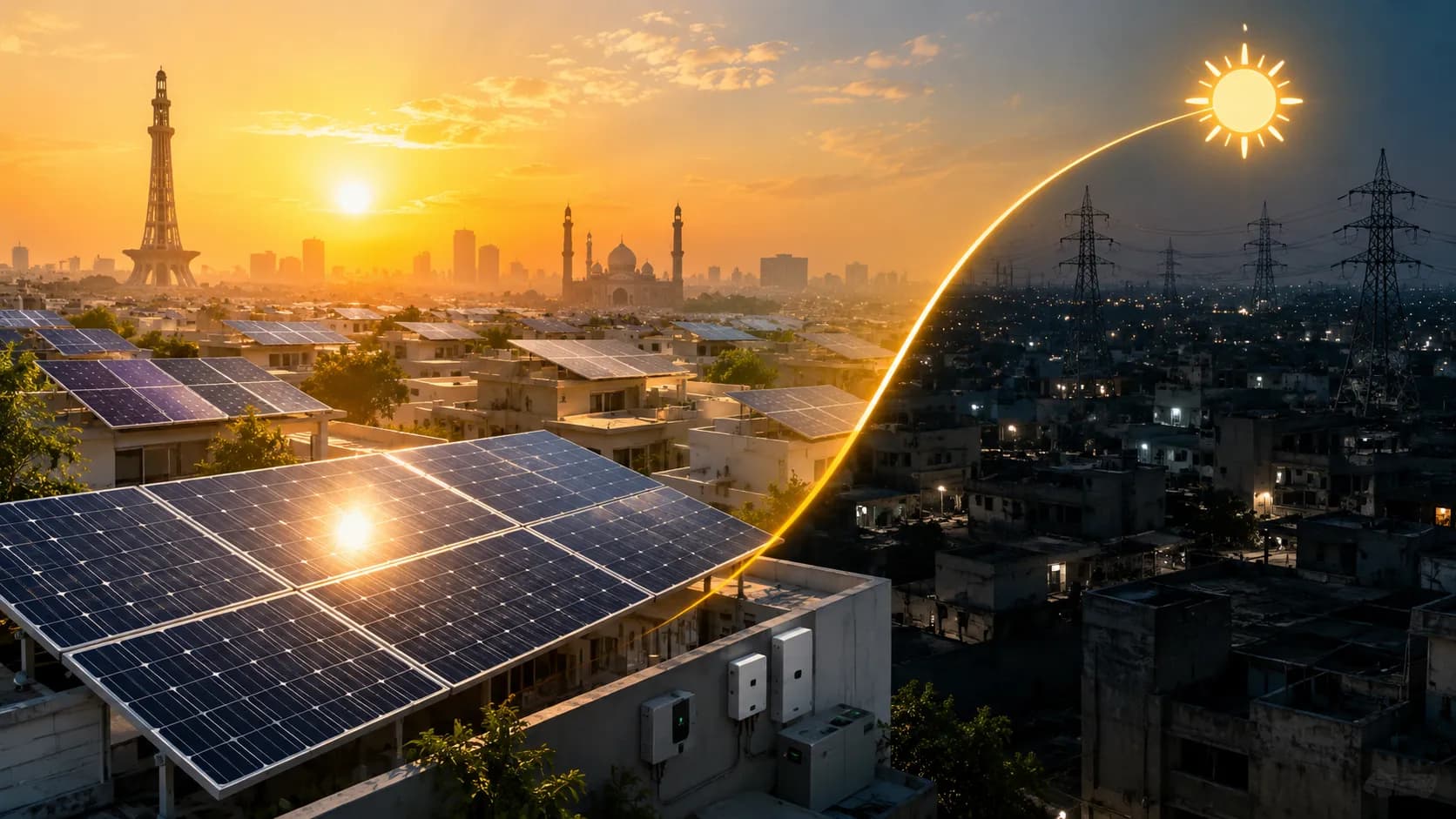
    Pakistan’s Fast-Rising Solar Power Revolution

    Pakistan is experiencing a rapid, people-driven shift to solar energy as households and businesses seek relief from high costs and unreliable power. Falling technology prices and massive private investment have fueled growth, while new regulations create uncertainty about future expansion.

    energy
  • Is a New Islamic Security Alliance Coming?

    Is a New Islamic Security Alliance Coming?

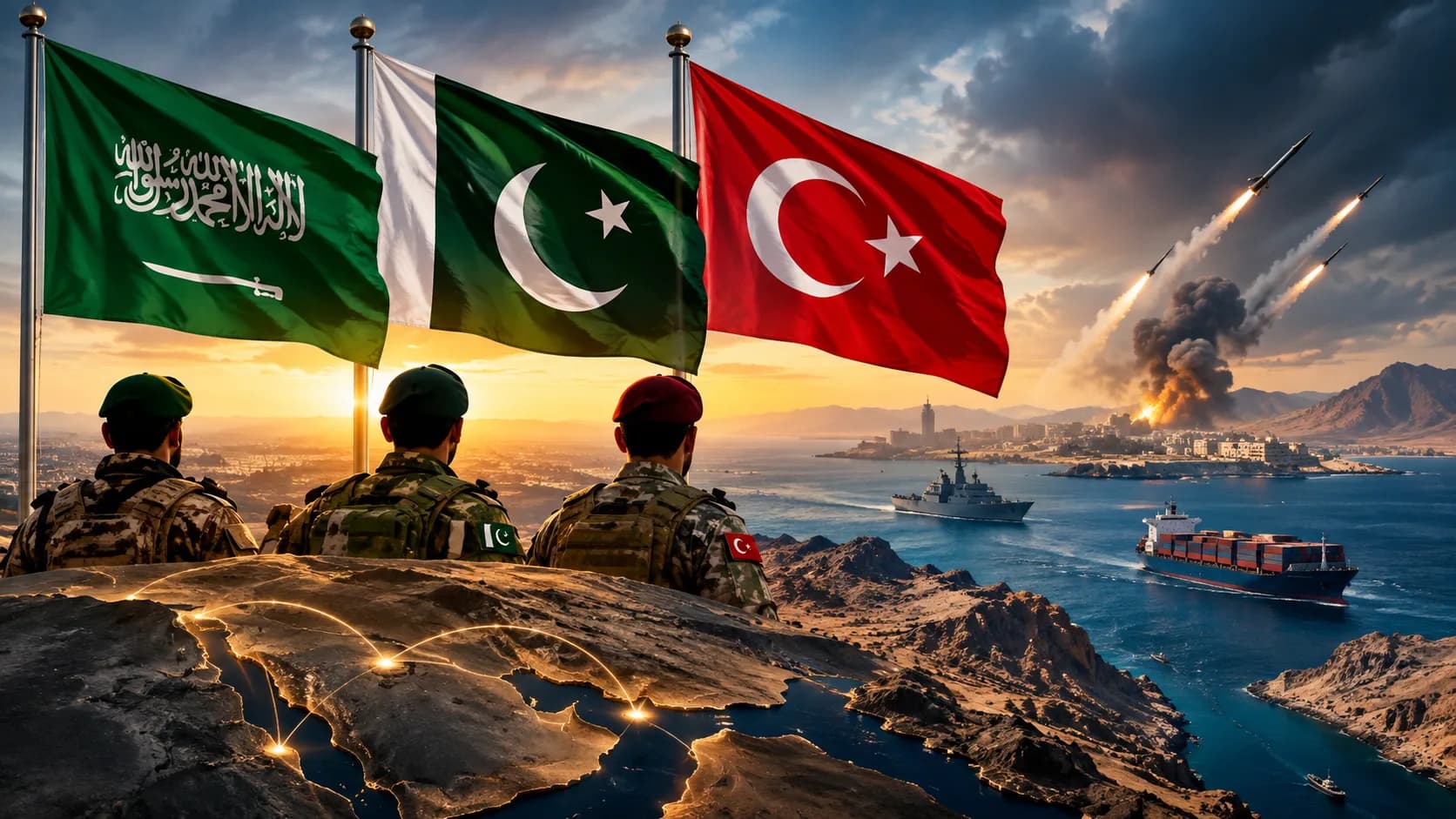
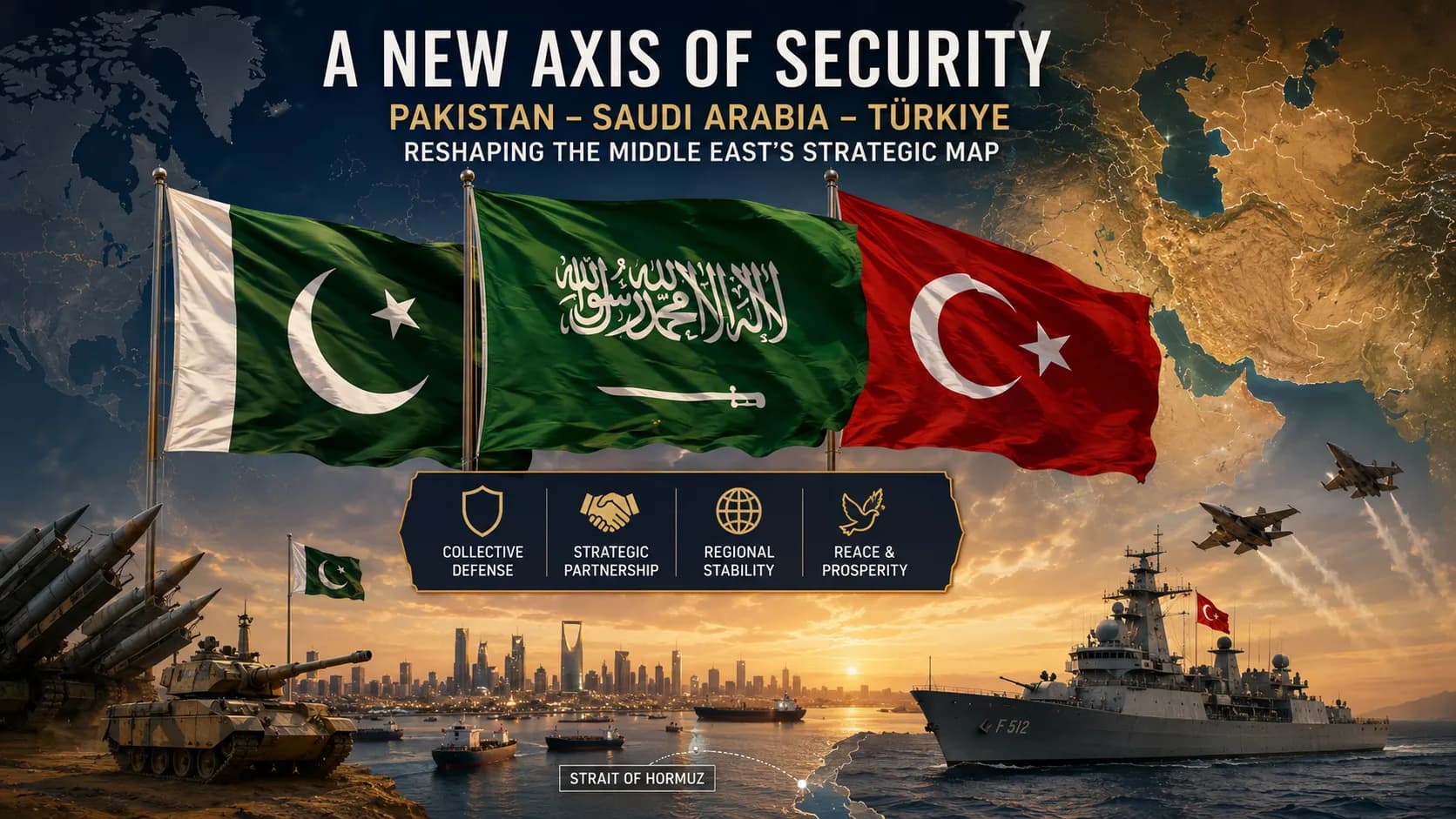
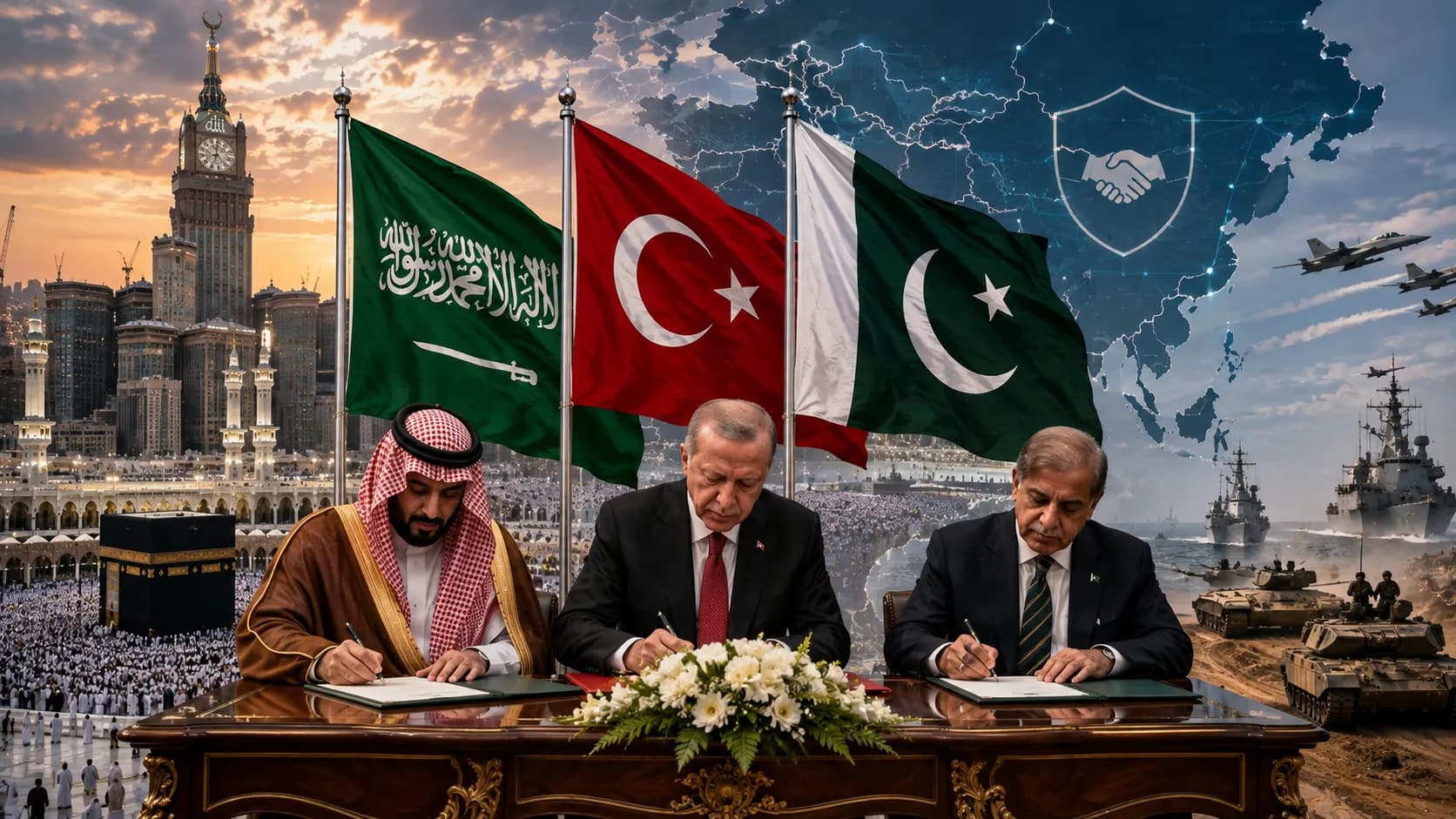
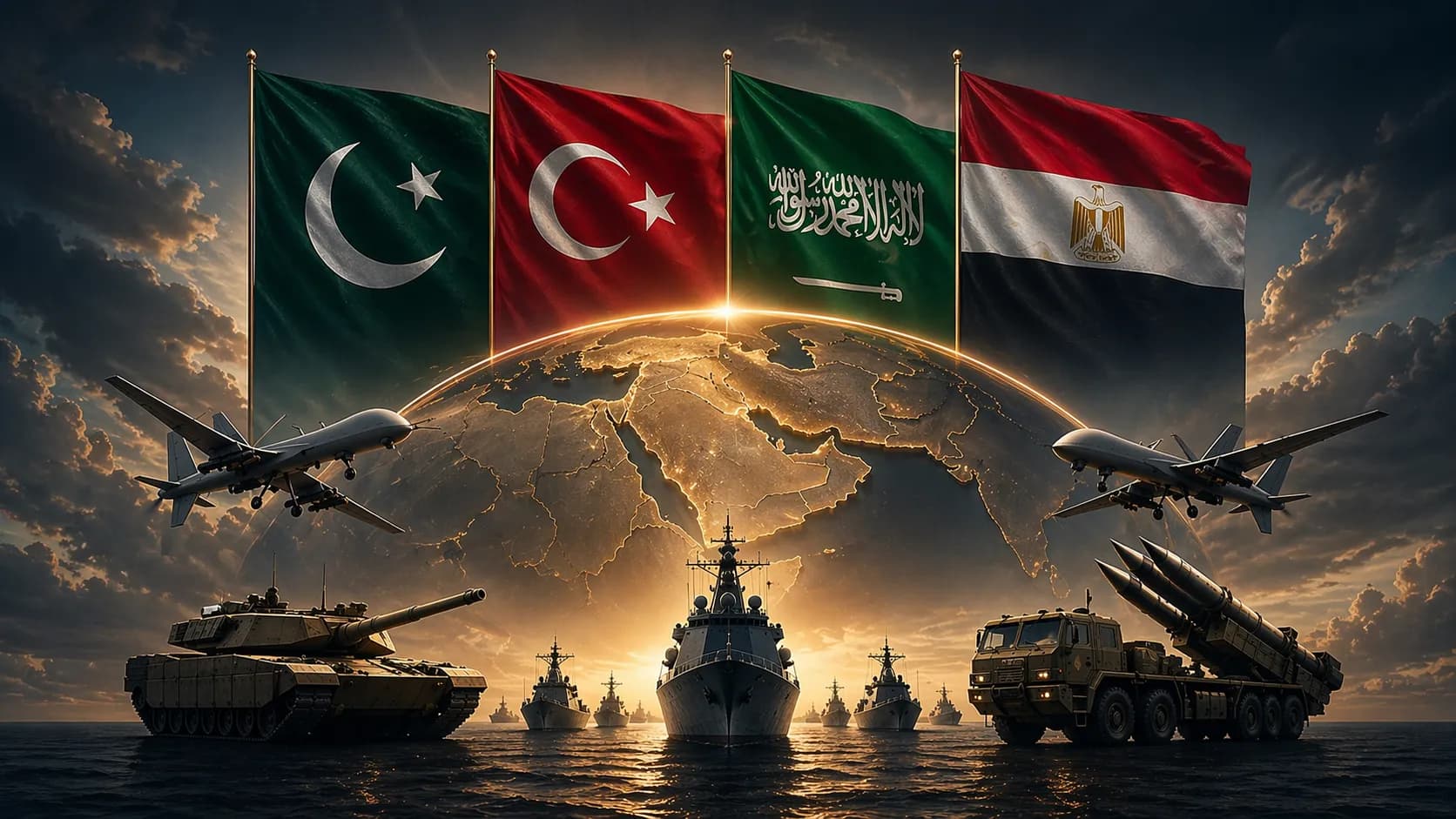
    Pakistan, Türkiye, Saudi Arabia, and Egypt have shown potential to form a regional security bloc after mediating the US-Iran crisis. While they aim to reshape the regional order through military, economic, and diplomatic cooperation, structural and political challenges make its permanence uncertain.

    defense
  • How the U.S.-Iran War Exposes NATO’s Terminal Crisis

    How the U.S.-Iran War Exposes NATO’s Terminal Crisis

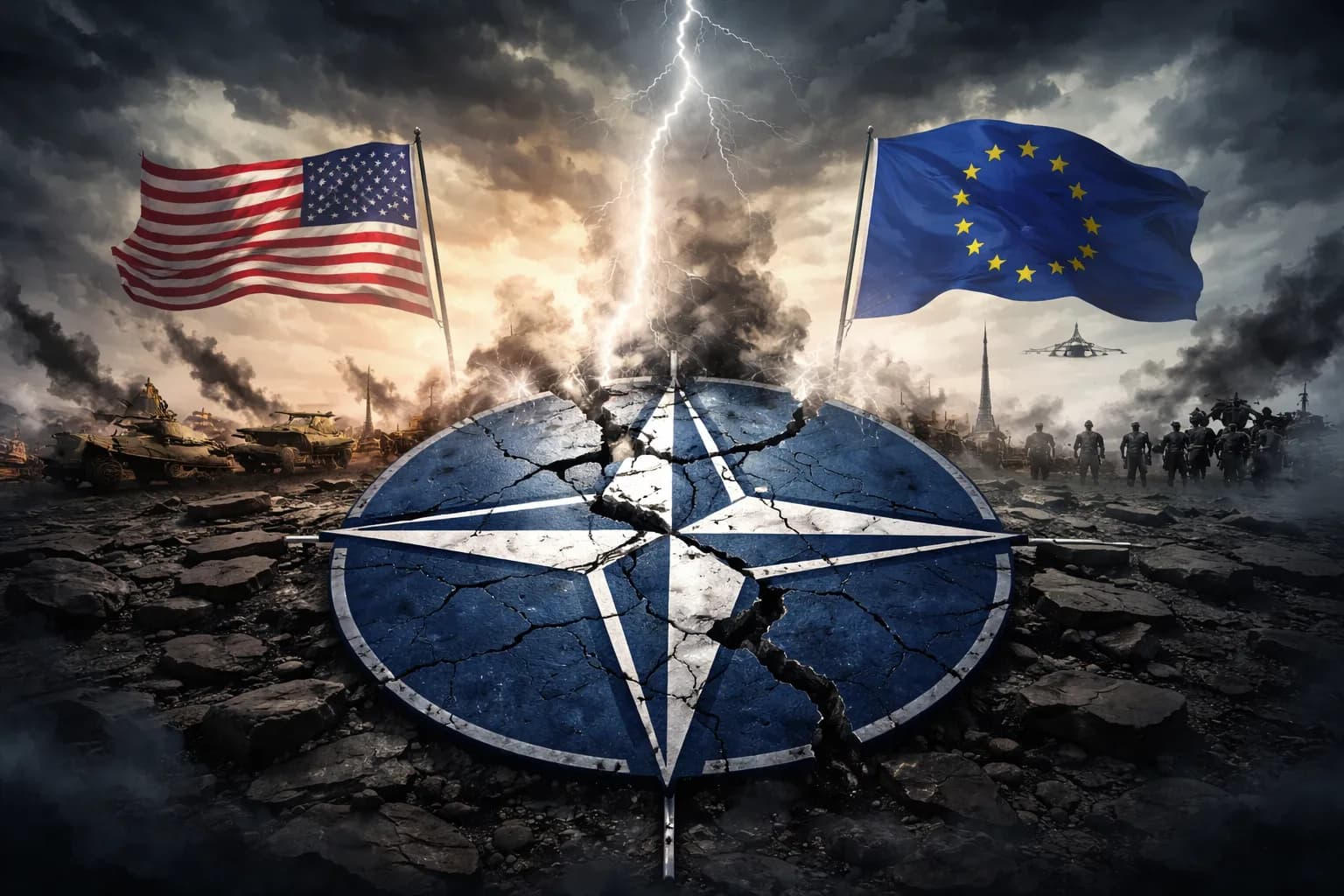
    The U.S.-Iran war exposed deep fractures within NATO. European states refused to fully support Washington, intensifying a crisis of trust inside the alliance. U.S. pressure and Europe’s push for strategic autonomy are turning NATO into a weaker organization that exists more on paper than in practice.

    defense
  • Meeting in Islamabad: Pakistan's Quiet Push for Peace Between the US and Iran

    Meeting in Islamabad: Pakistan's Quiet Push for Peace Between the US and Iran

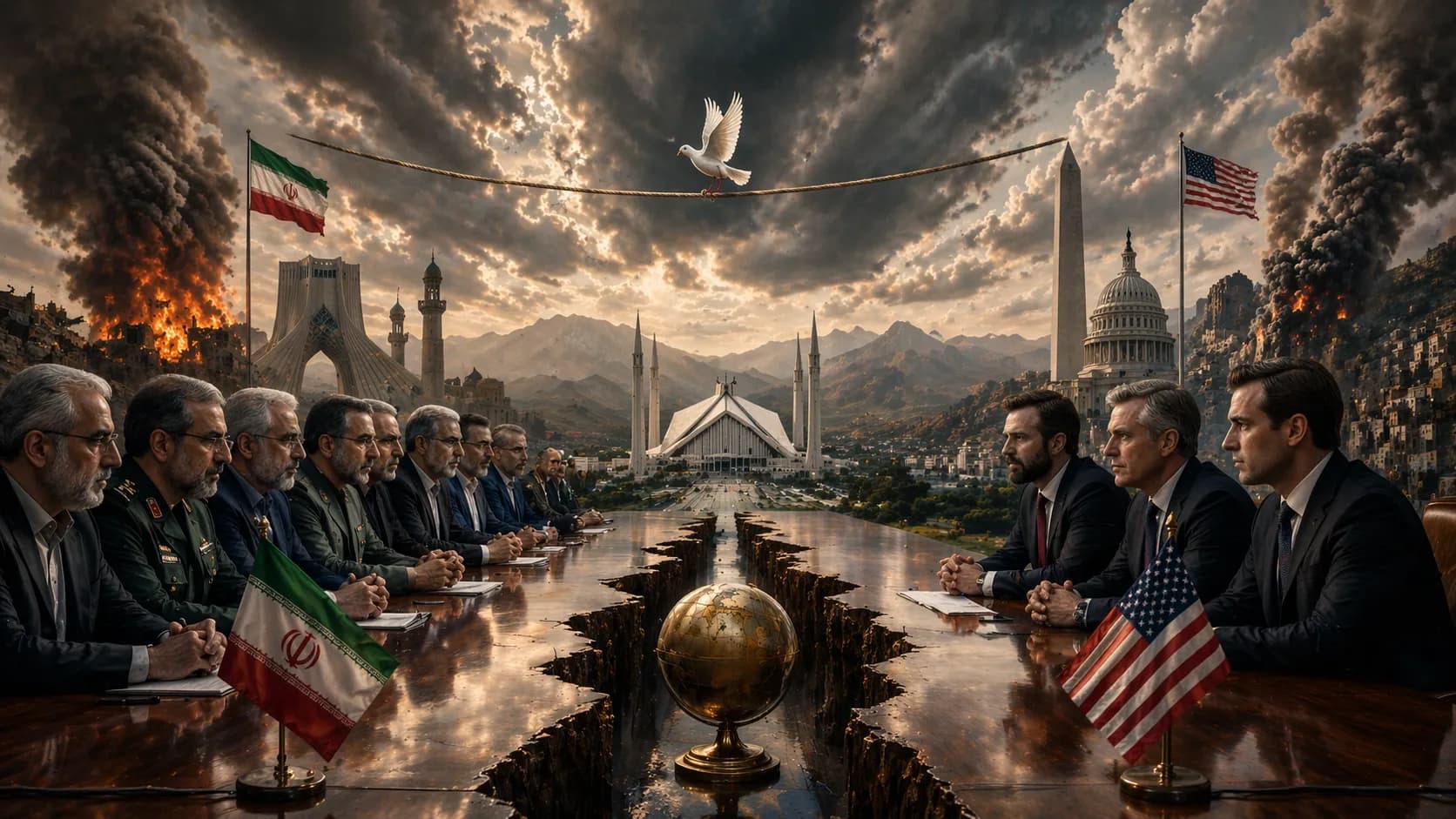
    Pakistan is emerging as a key mediator between the United States and Iran, leveraging trust and strategic positioning to ease tensions. Through diplomacy and regional coordination, Islamabad is shaping de-escalation efforts and redefining its role in regional security and global politics.

    politics
  • The Middle East War That Has No Winner

    The Middle East War That Has No Winner

    U.S. and Israeli attacks on Iran are pushing the Middle East toward disaster. Iran resists fiercely, leaving no clear winner. Gulf states suffer, and economic and humanitarian crises grow. Religion, nationalism, and geopolitical conflicts make peace nearly impossible.

    general
  • Why the Gulf Will Not Be Israel's Proxy in a War With Iran??

    Why the Gulf Will Not Be Israel's Proxy in a War With Iran??

    In 2026, US-Israel attacks on Iran pushed the region to the brink of war. Iran’s retaliation against Gulf states escalated tensions, while Gulf countries remain cautious to avoid Israel’s divide-and-rule strategy. However, continued attacks risk triggering a wider conflict.

    general
  • Redrawing the Gulf: Energy New Routes Beyond Hormuz

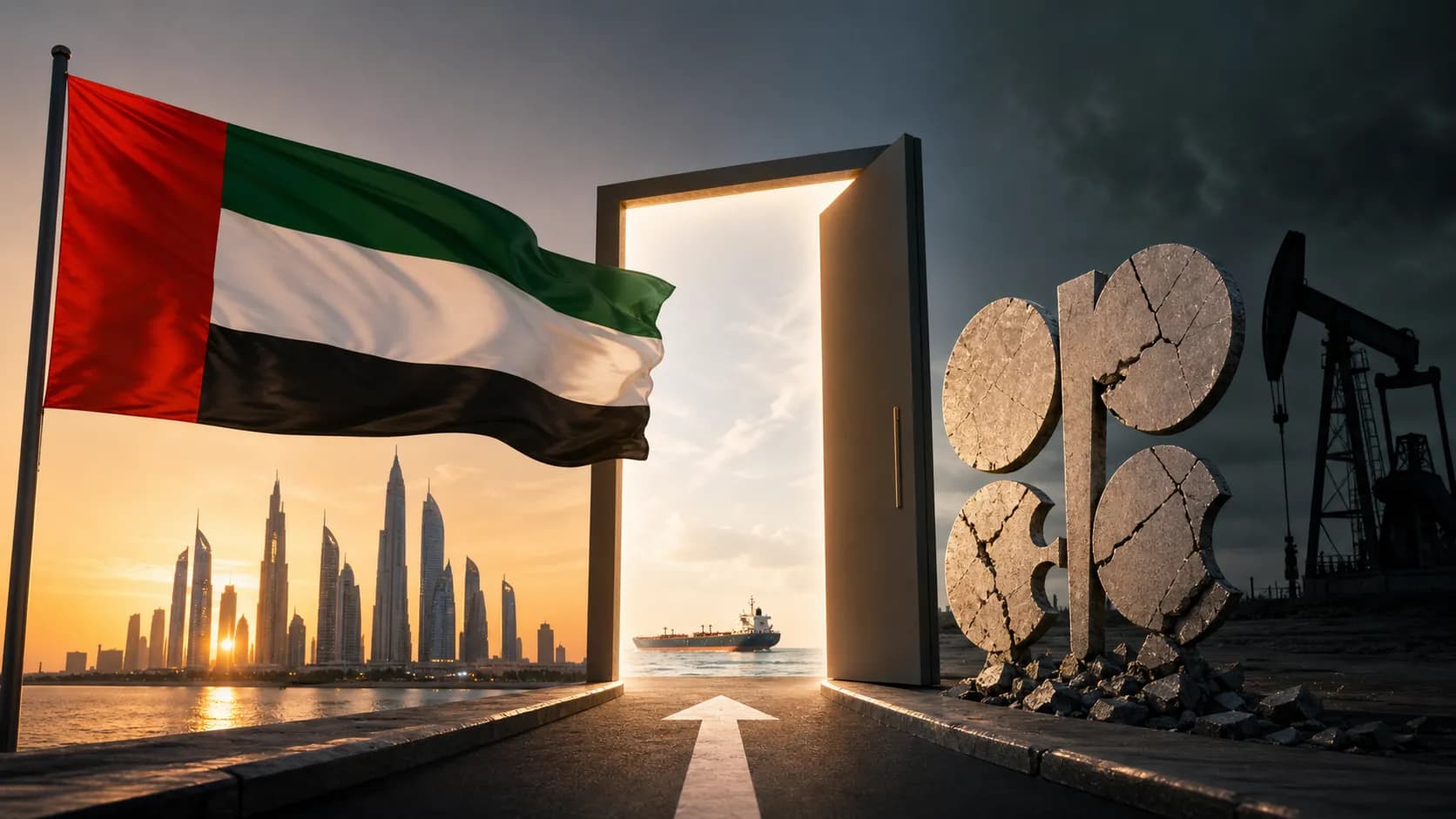
    Redrawing the Gulf: Energy New Routes Beyond Hormuz

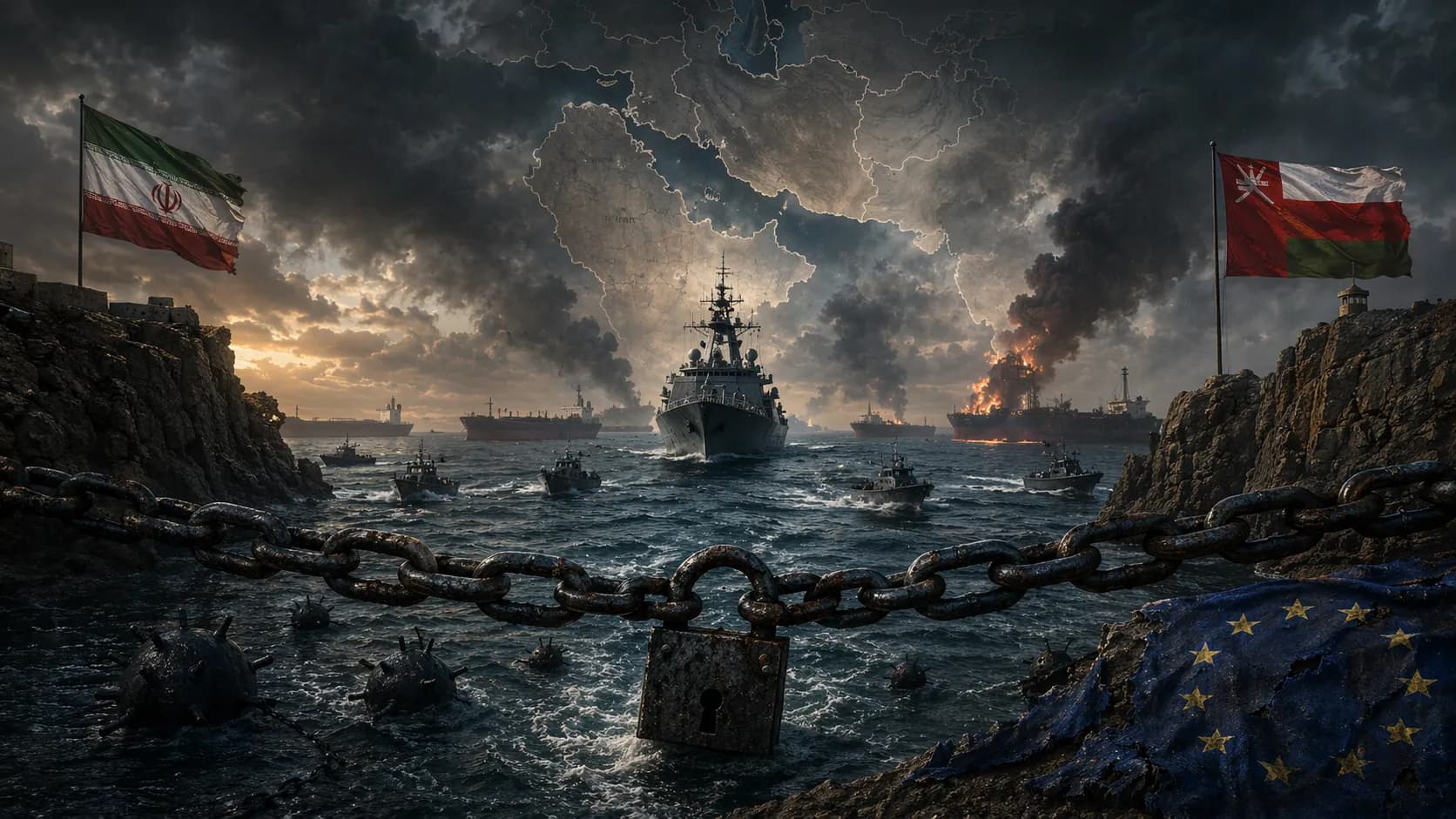
    Iran’s closure of the Strait of Hormuz threatens global energy supply and supply chains. Gulf countries must find alternative routes to export oil and gas. Without new pipelines, storage hubs, and cooperation, the risk of economic shocks and wider regional conflict could increase.

    energy
  • Why Killing Khamenei Won’t End Iran’s Islamic Regime

    Why Killing Khamenei Won’t End Iran’s Islamic Regime

    The Iran-US conflicts and Khamenei’s death will not topple the Islamic Republic. The system is institutional, ideological, and backed by military structures. Regional powers and international actors influence developments through diplomacy and strategy; the regime won’t collapse easily, changing slowly from within.

    general
  • Africa: The Center of the New Global Strategic Competition

    Africa: The Center of the New Global Strategic Competition

    As global power shifts toward multipolarity, competition is intensifying in Africa. While U.S. influence becomes more selective, China expands through Belt and Road and port investments, Turkey via military and hybrid outreach, Gulf states through maritime trade, and Russia through security partnerships.

    politics
  • The Unjust Reality of Global Climate Finance

    The Unjust Reality of Global Climate Finance

    The climate crisis is no longer only environmental but economic and political. Despite the goals of the Paris Agreement, the financing gap continues to widen. While major powers compete, developing countries struggle with debt and inequality; fair finance and cooperation are essential.

    energy
  • US–Iran Talks in Oman: Crisis management or peace Diplomacy?

    US–Iran Talks in Oman: Crisis management or peace Diplomacy?

    Tensions between the US and Iran continue due to mutual distrust and hardline diplomacy. Iran seeks sanctions relief under economic pressure, while the US demands limits on nuclear and regional activities. Outcomes may include a limited deal, prolonged talks, or renewed crisis.

    politics
  • How Politics Broke Britain's Economy: How to Fix It?

    How Politics Broke Britain's Economy: How to Fix It?

    UK’s crisis stems from austerity, Brexit disruption, market turmoil under Truss, and weak long-term planning. Years of short-term politics hurt growth, trade, and public services. Recovery requires stable investment, smarter EU ties, tax discipline, and a long-term economic strategy.

    politics
  • The $1bn Pledge: Can Pakistan–Kazakhstan Deliver This Time?

    The $1bn Pledge: Can Pakistan–Kazakhstan Deliver This Time?

    Despite diplomatic optimism, Pakistan’s pledge to raise trade with Kazakhstan to $1bn faces structural limits. Weak logistics, unreliable infrastructure, policy inconsistency, and poor implementation capacity mean ambitious targets risk remaining symbolic unless backed by concrete institutional reforms.

    politics
  • Davos 2026: Greenland Sparks NATO Rift

    Davos 2026: Greenland Sparks NATO Rift

    At the 2026 Davos Forum, Trump’s claim that the U.S. should control Greenland sparked strong European backlash. Denmark and NATO allies defended sovereignty, revealing growing tensions within the alliance over security priorities, unilateralism, and the future of transatlantic relations.

    politics
  • Iran Crisis 2026: What Future Lies Ahead

    Iran Crisis 2026: What Future Lies Ahead

    Iran in 2026 faces deep protests, economic crisis and political unrest. A foreign-backed government would be rejected by society, increase regional tensions, raise oil prices and risk civil war, affecting Pakistan, the Middle East and global stability.

    politics
  • The New Geopolitics of the Arctic: Is the U.S. Eyeing Greenland Next?

    The New Geopolitics of the Arctic: Is the U.S. Eyeing Greenland Next?

    Trump’s expansionist “America First” policy sought control over resources and strategic zones like Venezuela and Greenland, increasing rivalry in the Arctic, straining NATO, and fueling tensions with China and Russia instead of trust and cooperation.

    general
  • Venezuela Under Siege: Oil, Minerals, and the U.S. Power Play

    Venezuela Under Siege: Oil, Minerals, and the U.S. Power Play

    The January 2026 U.S. military intervention in Venezuela, which resulted in the capture of President Nicolás Maduro, is presented as a turning point driven by strategic competition over oil, minerals, and regional influence. Although Washington justified the operation through claims of narco-terrorism and authoritarian governance, the action is widely seen as a violation of international law and Venezuelan sovereignty. Venezuela’s economic collapse, worsened by sanctions and mismanagement, forms the backdrop to the crisis, while regional and global reactions reveal deep concern over renewed U.S. interventionism. The operation’s human, economic, and political costs are significant, and the situation underscores a broader return to resource-centered geopolitics, with Venezuela’s vast energy reserves at the core of a conflict that challenges international legal norms and regional stability.

    general
  • Beyond Taxes: How a Modern State Can Fund Itself

    Beyond Taxes: How a Modern State Can Fund Itself

    In contemporary political economy, taxation has long constituted the primary mechanism through which states finance public services and maintain institutional stability. However, structural transformations driven by globalization, technological change, and automation have increasingly exposed the limitations of a tax system that relies predominantly on labor and consumption. Growing inequality, the erosion of traditional employment, and declining public trust highlight the need to reassess how modern states generate revenue. This text introduces an alternative framework for public finance that complements taxation with public ownership of productive assets, equitable resource-based taxation, and citizen-oriented income mechanisms. Rather than advocating the abolition of taxes, it emphasizes the necessity of a balanced and sustainable funding model capable of supporting social welfare, economic resilience, and long-term state legitimacy in a rapidly evolving economic landscape.

    general
  • England Reforms part II

    England Reforms part II

    England’s economy suffers from rising living costs, regional inequality, and short-term policies. Solutions require a people-centered economy, local currency systems, investment in innovation, fair data ownership, sustainable public spending, and reforms that prioritize long-term social well-being over short-term profit.

    general
  • China’s Auto Boom and Its Impact on Europe’s Economy

    China’s Auto Boom and Its Impact on Europe’s Economy

    China’s rapid rise in the electric vehicle sector has triggered a profound transformation in Europe’s automotive market. While affordable Chinese EVs offer clear benefits to consumers and support climate goals, they also intensify competitive pressure on European automakers, threatening profitability, employment, and industrial capacity. This development exposes the EU’s vulnerabilities in supply chains and industrial sovereignty. Europe’s response will depend on a comprehensive strategy based on domestic investment, balanced trade policies, industrial cooperation, and supply chain diversification.

    economy
  • Pakistan–Uzbekistan: A New Regional Nexus

    Pakistan–Uzbekistan: A New Regional Nexus

    Pakistan–Uzbekistan relations have evolved from cautious diplomacy into a strategic, economy-driven partnership centered on trade, transit, and regional connectivity. Pakistan positions itself as a gateway linking landlocked Central Asia to global markets via its ports, while Uzbekistan seeks diversified access routes and energy cooperation. Despite security and infrastructure challenges—particularly in Afghanistan—the partnership has the potential to reshape regional integration across South and Central Asia.

    politics
  • The Urgent Reforms England Can’t Overlook

    The Urgent Reforms England Can’t Overlook

    England’s economy is stagnating due to low productivity, regional inequality, Brexit disruptions, and overreliance on finance. The article calls for bold reforms: industrial revival, regional empowerment, lifelong reskilling, tax restructuring, renewable energy investment, and aggressive trade strategies. Without long-term planning and decisive action, England risks continued decline despite its potential.

    economy
  • Why the 21st Century Is Becoming a Century of Conflict

    Why the 21st Century Is Becoming a Century of Conflict

    The world is shifting from a stable U.S.-led order to an unpredictable multipolar system marked by mistrust, nationalism, and militarization. Geopolitical tensions, resource competition, and technological warfare are reshaping security and economic strategies globally. Dialogue and improved communication channels remain the most viable path to peace amid rising conflicts and rivalry.

    general
  • The Return of Realpolitik: Bagram Air Base and US Foreign Policy

    The Return of Realpolitik: Bagram Air Base and US Foreign Policy

    Every country wants to monitor its rival and reduces the opportunities for its foes to gain nuclear capabilities and military strength. Hence, the recent decision by the President of the United States to regain Bagram base from the authority of Afghanistan demonstrates the shifting strategic policy of the US.

    defense
  • Militarization of Space: The Next Battlefield Beyond Earth

    Militarization of Space: The Next Battlefield Beyond Earth

    The militarization of space presents unprecedented risks for global security. If countries continue to develop space-based weapons, the likelihood of conflicts extending beyond Earth becomes increasingly plausible.

    defense
  • Climate Crisis Calls for a Copenhagen Plan in Pakistan

    Climate Crisis Calls for a Copenhagen Plan in Pakistan

    Climate dialogue should be at the center of the mainstream agenda and not somehow deserving of political interference. Global partnerships demanding climate justice and financial assistance from international forums as Pakistan less than 1 percent contributes to the global emissions share but pays one of the heaviest prices.

    general
  • UK on the Brink: Can it Recover?

    UK on the Brink: Can it Recover?

    UK’s household debt is increasing and nearly three in four adults report that their monthly cost-of-living expenses have risen in the past year, pushing them toward reliance on credit and debt to cover necessities.

    economy