Why the Gulf Will Not Be Israel's Proxy in a War With Iran??
In 2026, US-Israel attacks on Iran pushed the region to the brink of war. Iran’s retaliation against Gulf states escalated tensions, while Gulf countries remain cautious to avoid Israel’s divide-and-rule strategy. However, continued attacks risk triggering a wider conflict.
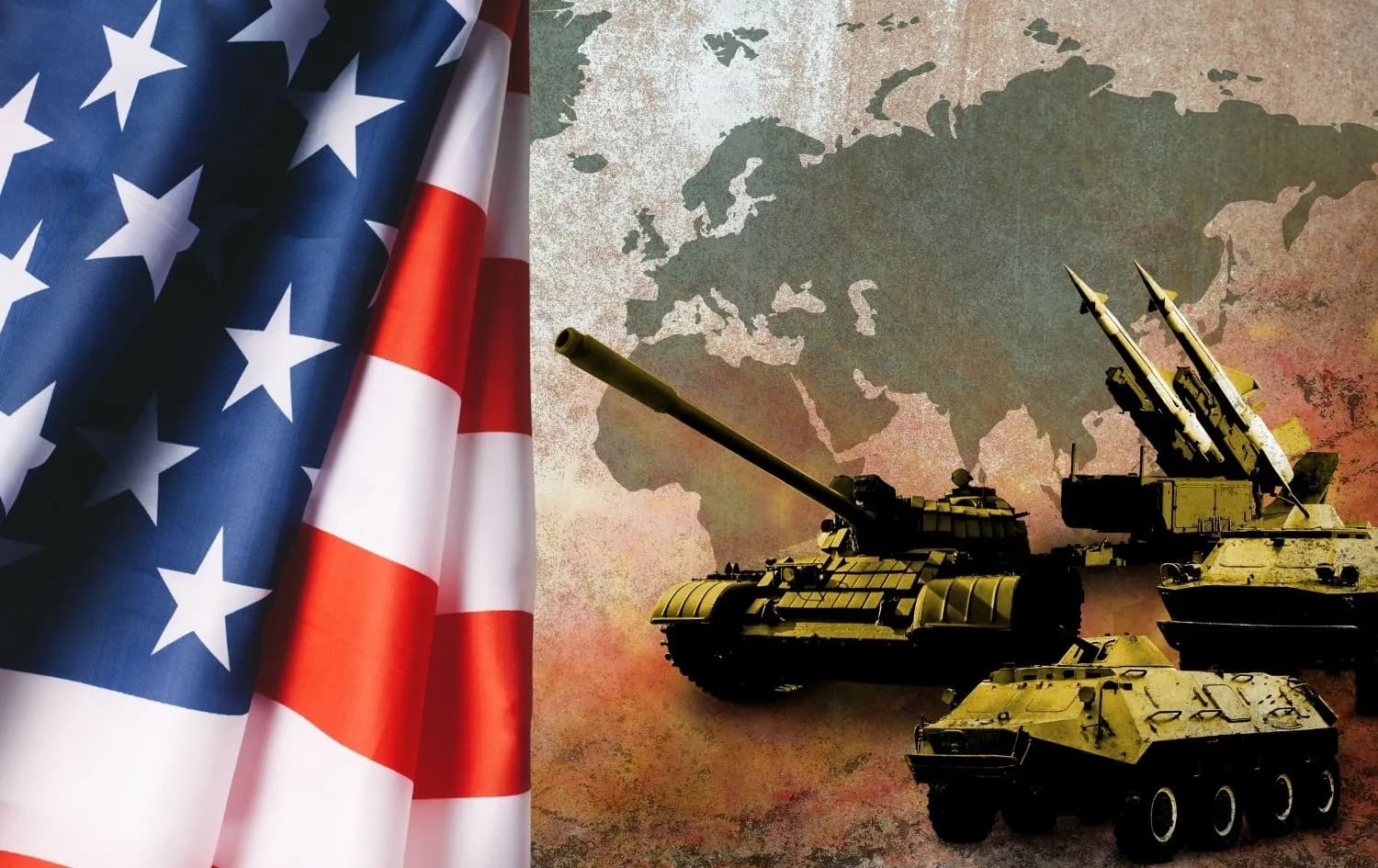
The first months of 2026 brought the Middle East to its most devastating conflicts.Undoubtedly,theregion is again on the brink of war, as the US-Israel offensive attacks on Iran killed civilians and ruins energy infrastructure. In the retaliatory approach, Iran launched missiles and drones at all Gulf countries, from Saudi Arabia to Qatar and others. Tehran justifies its attacks on theground of attacking US bases and embassies in these countries, but one cannot deny thatthis is the violation of the sovereign countries' territory under international law.
Despite facing attacks, the Gulf countries are showing restraint, which is a good approach by these countries to avoid regional conflagration. The answer lies in why these powerful countries are not attacking back despite having the strength and right to act defensively. The significant reason behind the restraint is that Gulf countries are aware of Israel's trap to play a divide-and-conquer policy in the region where all Gulf countries are involved in a war with Iran and Israel at the end becomes a victorious country.
For decades, Gulf states have pursued a hedging strategy prioritizing diplomacy over conflict to safeguard their economic vision and transformation ambitions. As we can witness in the 2023 brokered deal by China, the rapprochement between Saudi Arabia and Iran. As senior UAE official Anwar Gargash said that Tehran has breached a gentleman's barrages. The attacks on neutral states like Oman and Qatar, which were helping Tehran to negotiate with the US.
The restraint policy of Gulf countries towards Iran demonstrates the uncomfortable truth that these countries understand but rarely show publicly that the only beneficiary from an Arab and Iranian war would be Israel. A recent analysis in Al Jazeera argued that Tehran, while attacking neighboring countries, is doing what Israel could not do alone: taking away the war from Israel to Iran with Gulf states. Unfortunately, this war only affects Iran's position and legitimizes Israel's regional dominance and allows Gulf countries to strengthen alliances with Israel and the US to safeguard their interests and sovereignty.
Meanwhile, according to many reports, the missile and drone attacks in these countries are not coming from Iran alone but from different directions, which further fuels the tensions in the region. Who is playing the game behind the doors to drag the Middle Eastern region into an unending conflict?
Iran, on the other hand, is targeting Gulf countries and halting trade through the Strait of Hormuz to indirectly pressure the US to stop the war.
But the Gulf States are not static actors, and they don’t want their economic, oil, gas, and tourism sectors to bear the brunt of the Israel-US-Iran war. But if Iran is continuously targeting these countries, they could force their hand.
For instance, if Iranian attacks are becoming more horrific and deadly, as the killing of two foreign nationals in Al-Kharj already aroused public anger. We have to understand that gulf monarchies are not democracies and will wait for the public response and sentiments. If their interests deepen in the long term, they will be forced to drag into the war.
Secondly, the US and Iran both want to exacerbate anti-Iran sentiments among the Gulf countries. In this way, they want to enlarge the ambition of the Abraham Accords to increase the membership of Muslim Gulf countries, but this will not be the endgame, as Gulf countries are aware of the Israeli plots in the region.
Then what can we expect? A full-scale Gulf-Iran war, which is not a serious possibility. In the coming days, we are likely to see Gulf States enhance intelligence-sharing protocols with the US to avoid threats.
For now, their strategy of strategic patience appears to be holding. But as the barrages continue and the political pressure mounts, the region is forced to confront a series of uncomfortable questions that will determine its future:
For now, Iran must understand that targeting these countries would not bring fruitful results butexacerbateanimosity between Iran and other Arab countries.
Hence,we are forced to think of some questions that raise the future scenario of the region.
Can the Gulf states maintain balance if the US requests direct military assistance from them?
At what point does the economic cost affected by attacks from Iran outnumber the economic risk of retaliation?
And what if Gulf states are showing restraint and Iran is not targeting these countries? Who will pressure the US to stop the war?
How far will these countries not trap themselves in the agenda of Israel to be involved in war with each other as a return Israel gets the benefit?
Uroosa Khan
Contributing writer at EUReflect.
Follow EUReflect
See more of our reporting on Google
Mark EUReflect as a preferred source and our stories are ranked higher for you in Top Stories, Discover and Google News — and carry a “preferred” badge when they are cited in AI results.
Add EUReflect as a preferred source