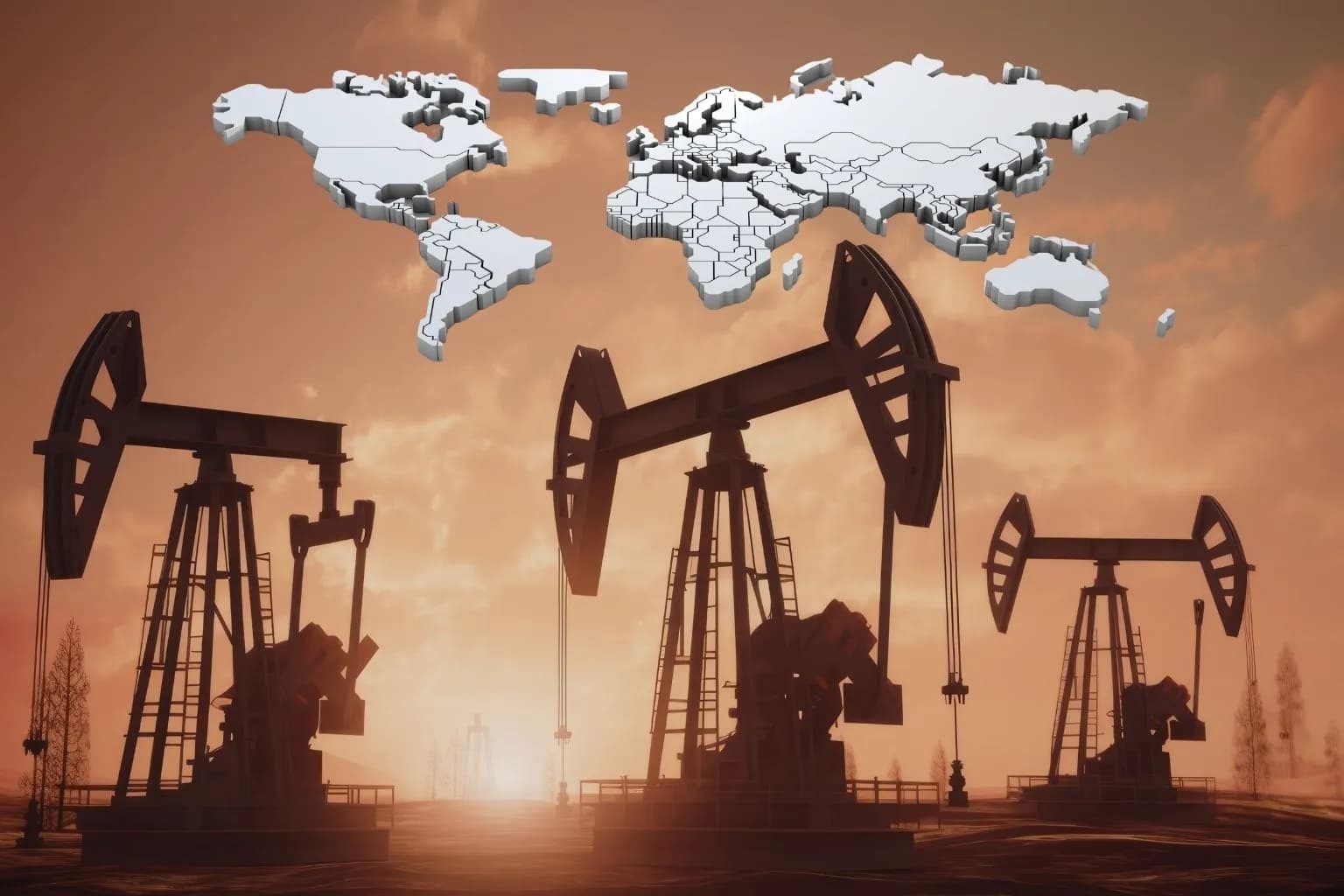
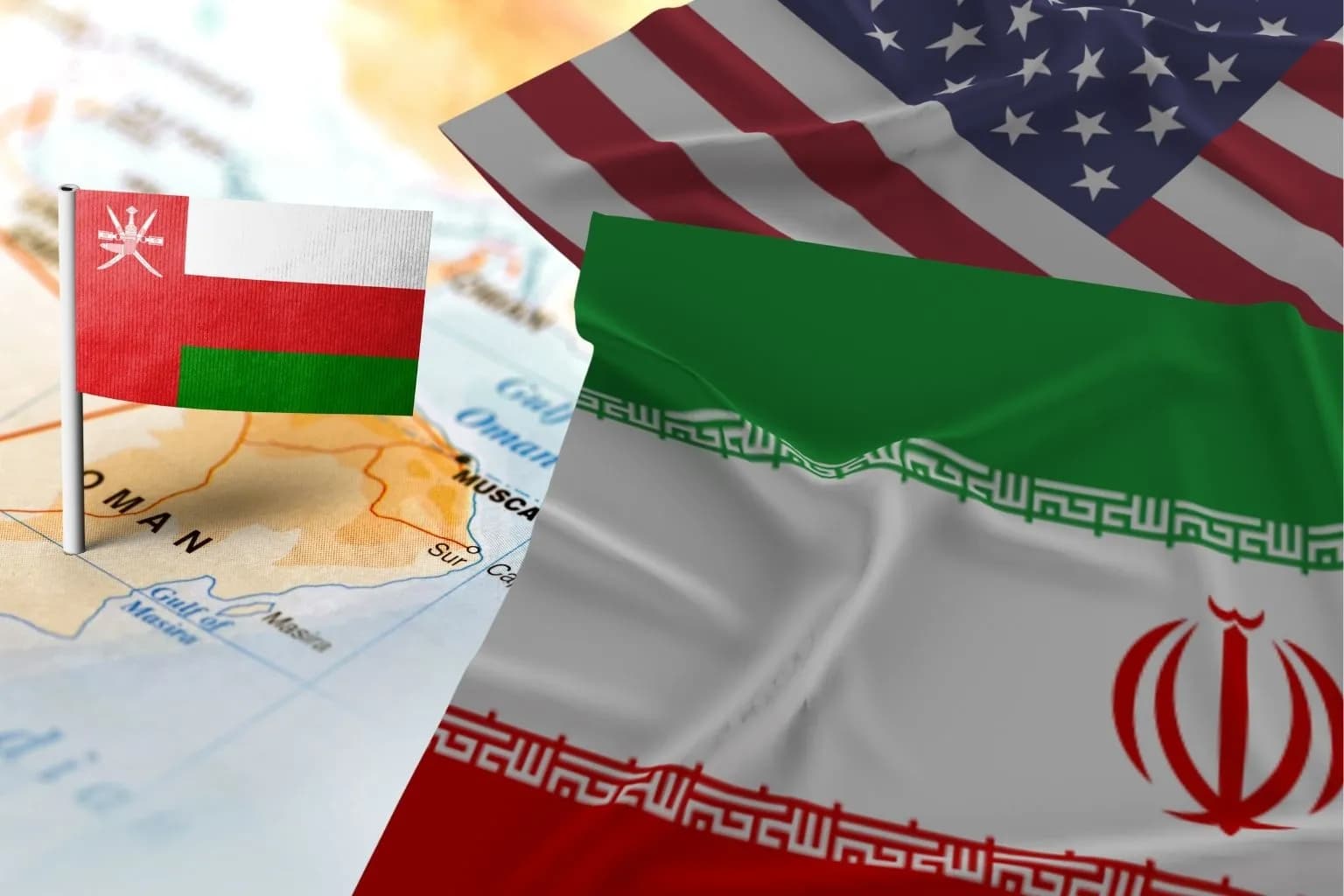
Iran’s closure of the Strait of Hormuz threatens global energy supply and supply chains. Gulf countries must find alternative routes to export oil and gas. Without new pipelines, storage hubs, and cooperation, the risk of economic shocks and wider regional conflict could increase.
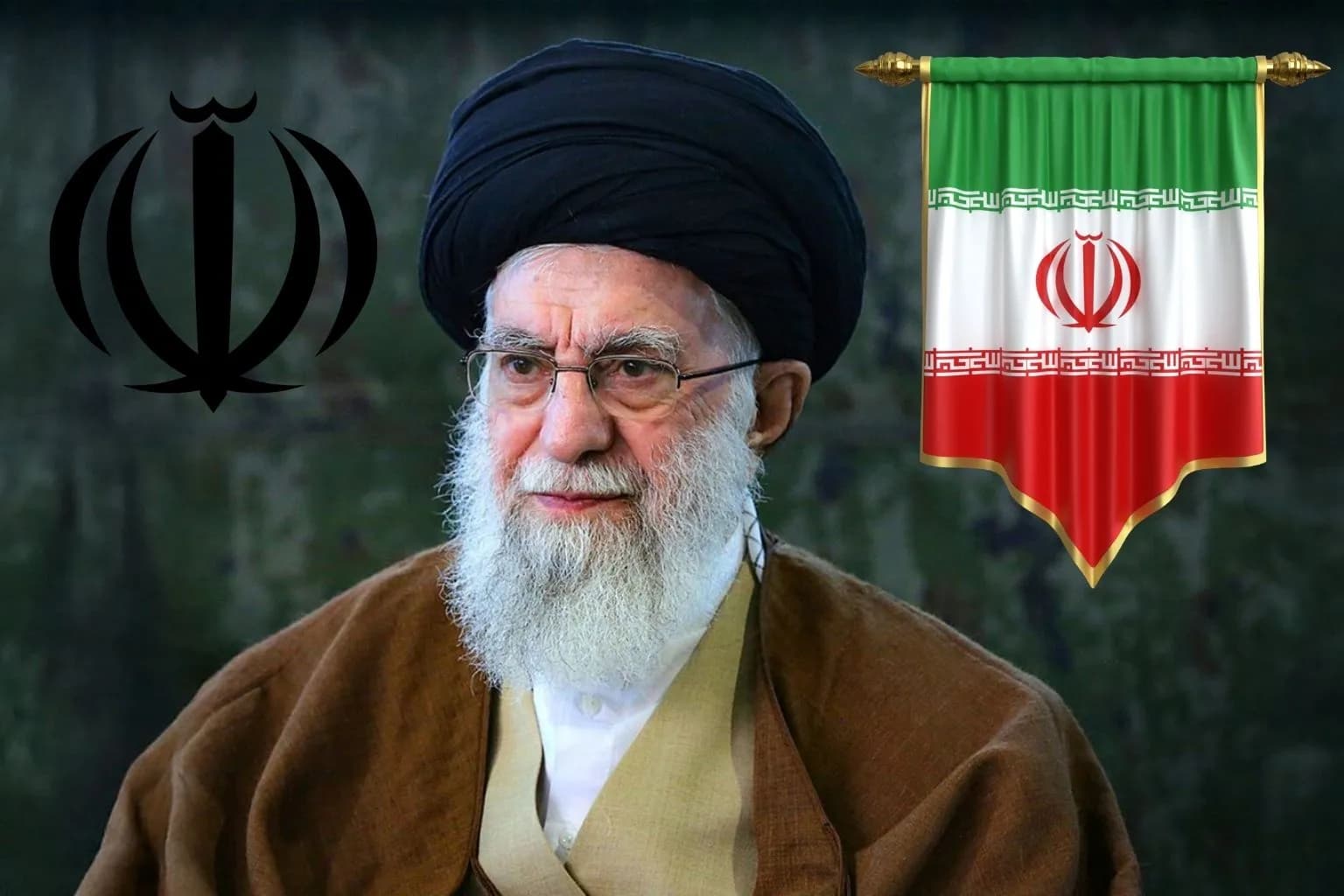
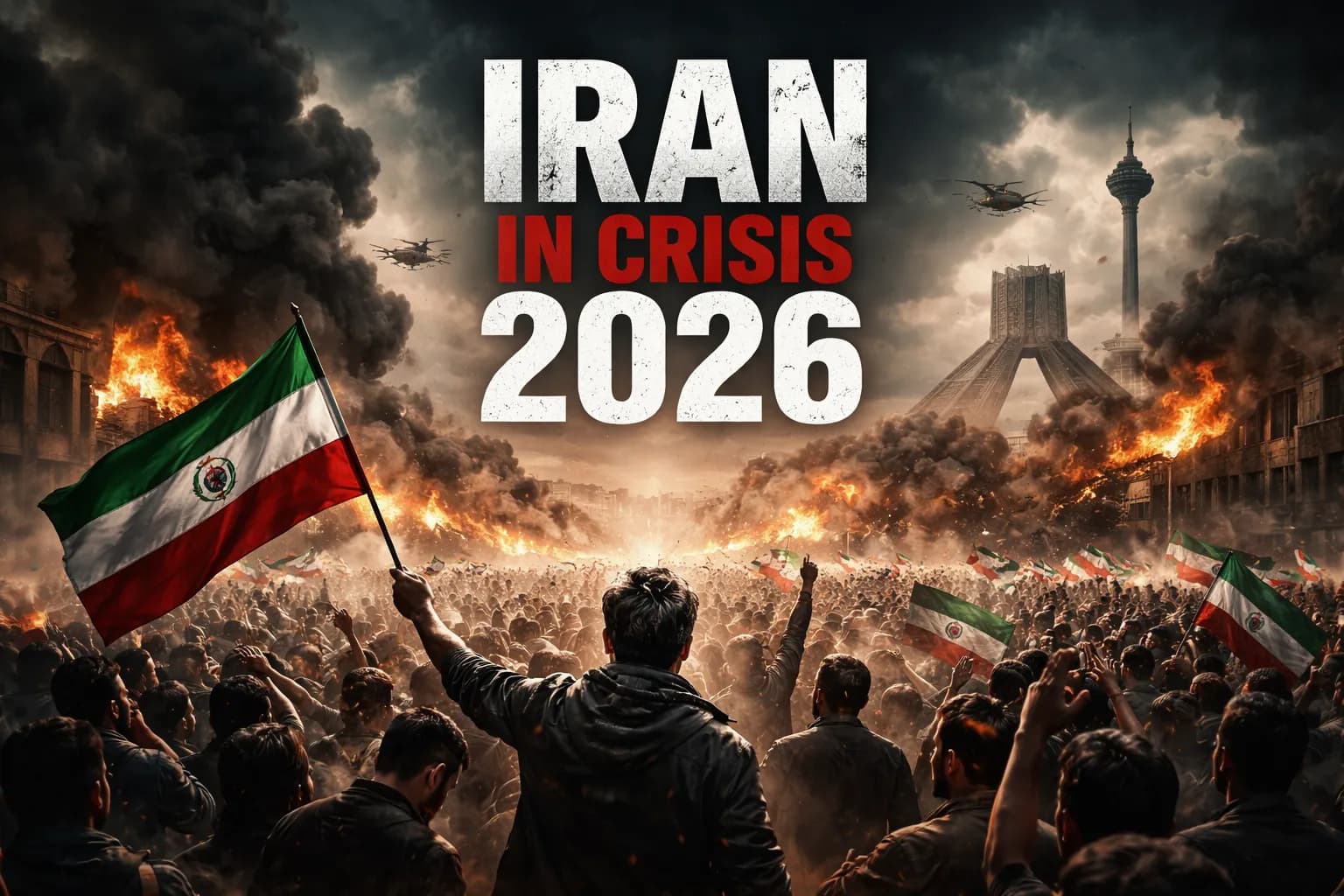
The Iran-US conflicts and Khamenei’s death will not topple the Islamic Republic. The system is institutional, ideological, and backed by military structures. Regional powers and international actors influence developments through diplomacy and strategy; the regime won’t collapse easily, changing slowly from within.
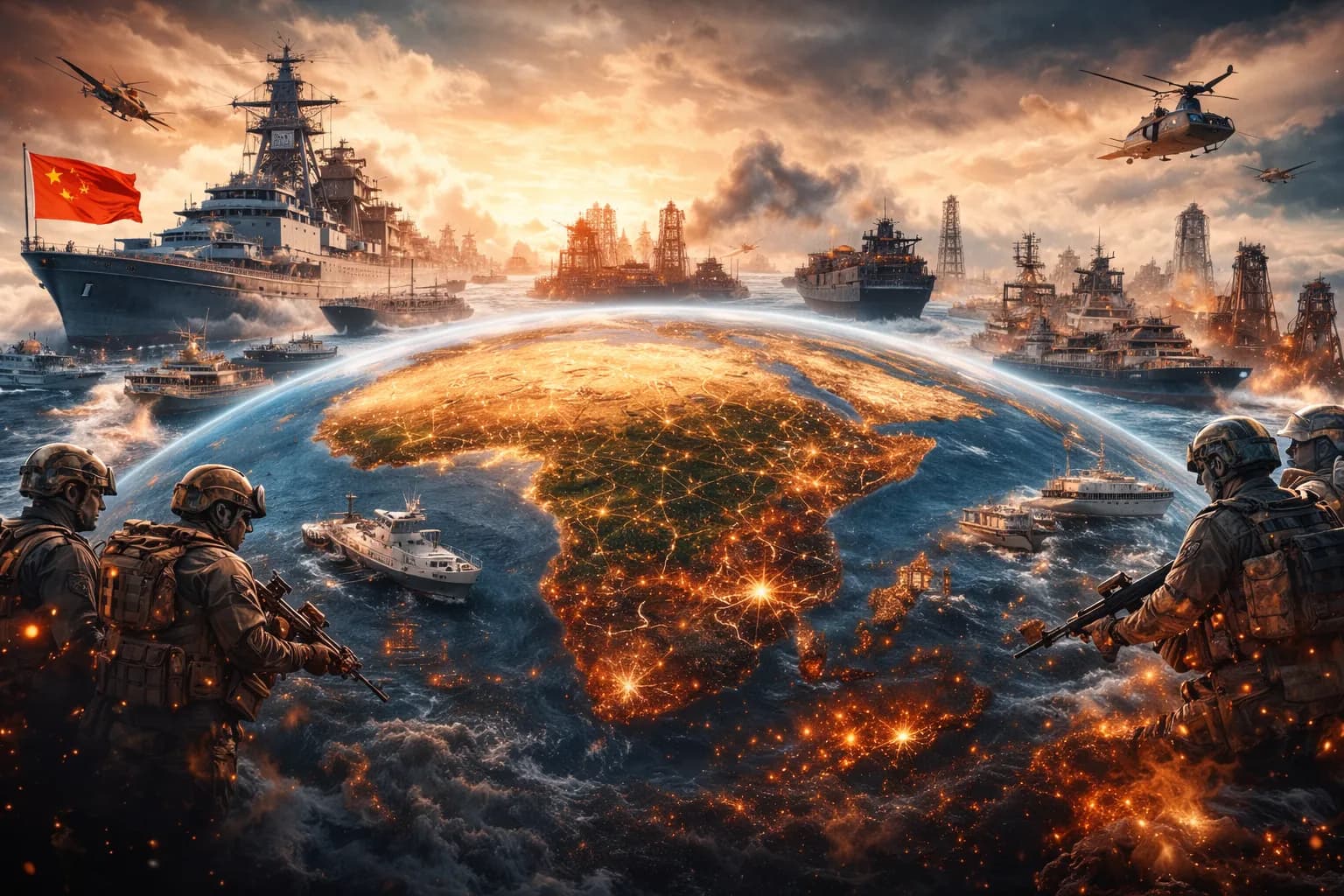
As global power shifts toward multipolarity, competition is intensifying in Africa. While U.S. influence becomes more selective, China expands through Belt and Road and port investments, Turkey via military and hybrid outreach, Gulf states through maritime trade, and Russia through security partnerships.
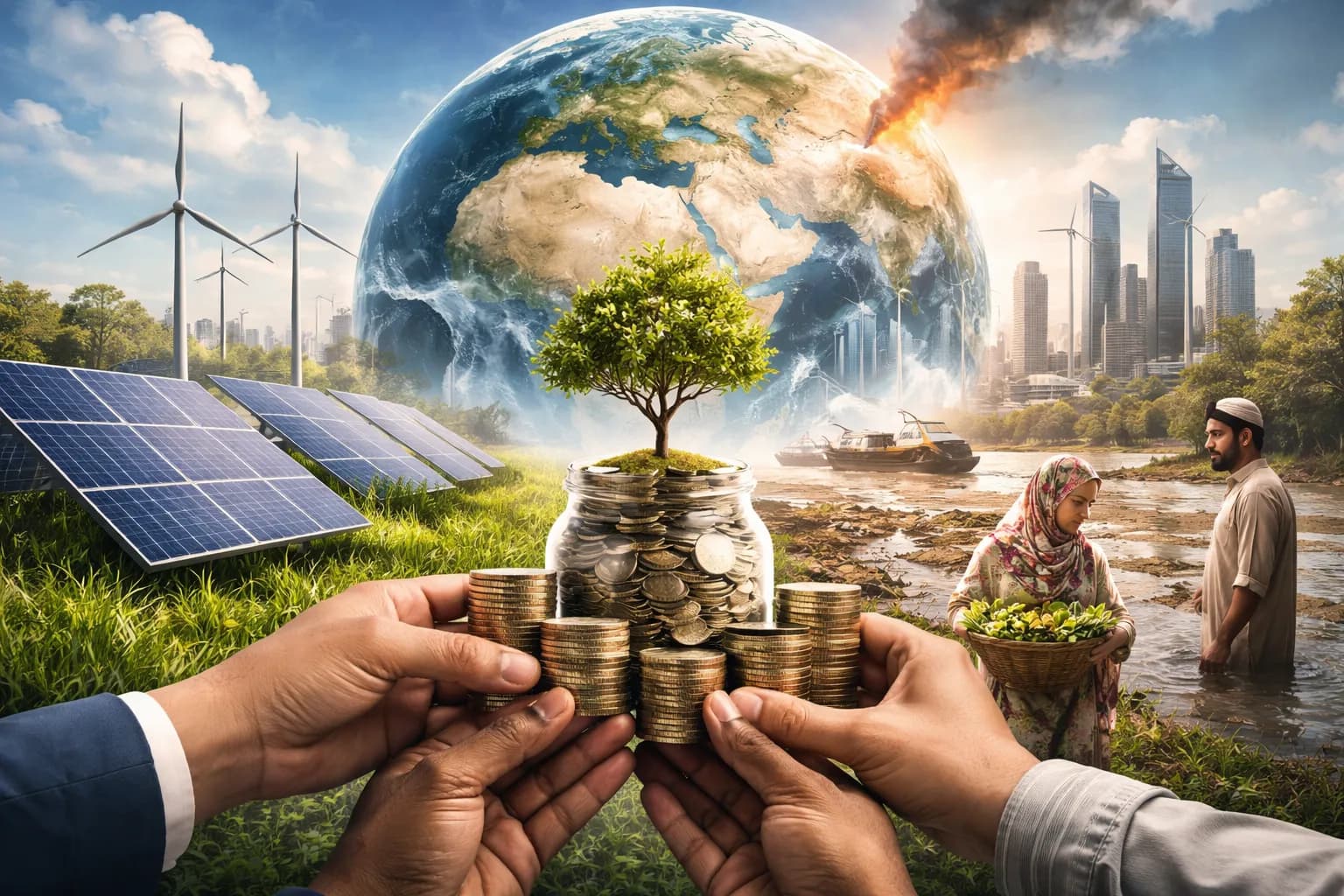
The climate crisis is no longer only environmental but economic and political. Despite the goals of the Paris Agreement, the financing gap continues to widen. While major powers compete, developing countries struggle with debt and inequality; fair finance and cooperation are essential.
Tensions between the US and Iran continue due to mutual distrust and hardline diplomacy. Iran seeks sanctions relief under economic pressure, while the US demands limits on nuclear and regional activities. Outcomes may include a limited deal, prolonged talks, or renewed crisis.
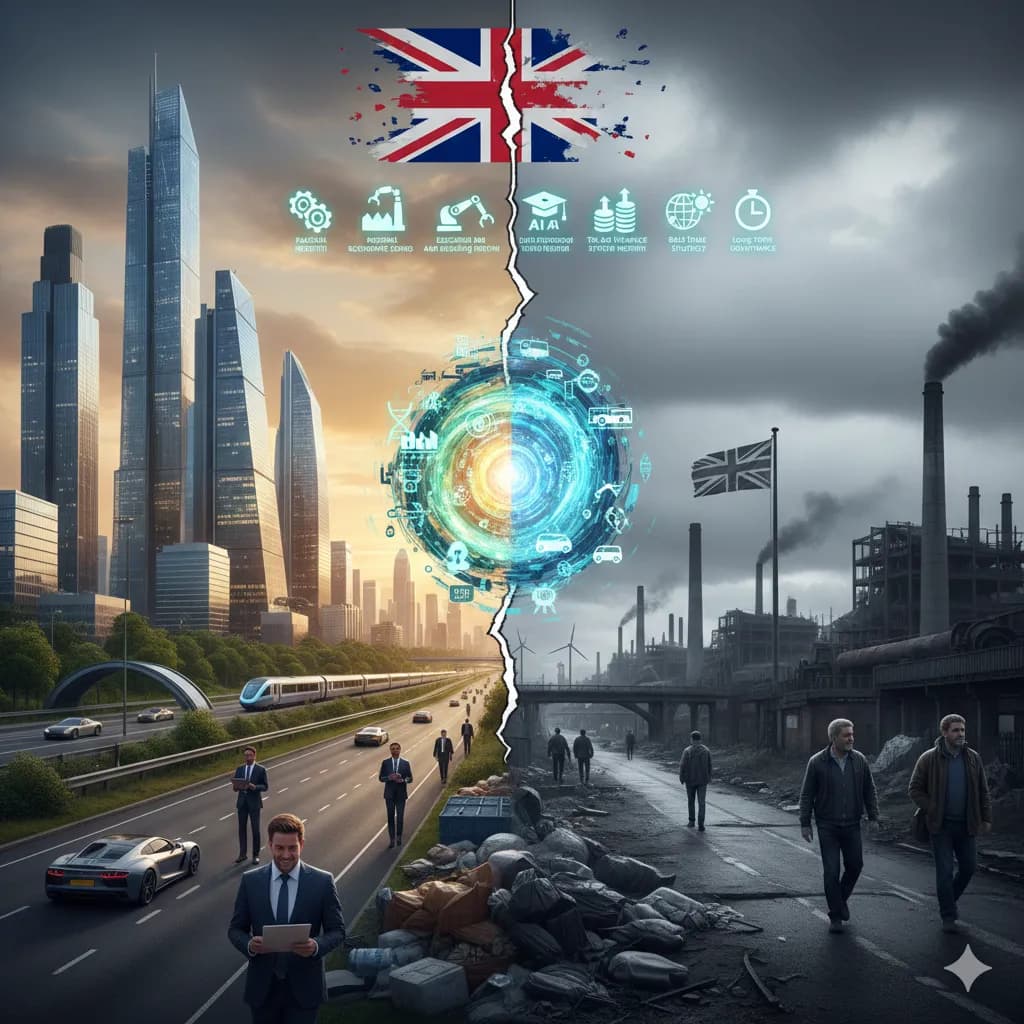
UK’s crisis stems from austerity, Brexit disruption, market turmoil under Truss, and weak long-term planning. Years of short-term politics hurt growth, trade, and public services. Recovery requires stable investment, smarter EU ties, tax discipline, and a long-term economic strategy.
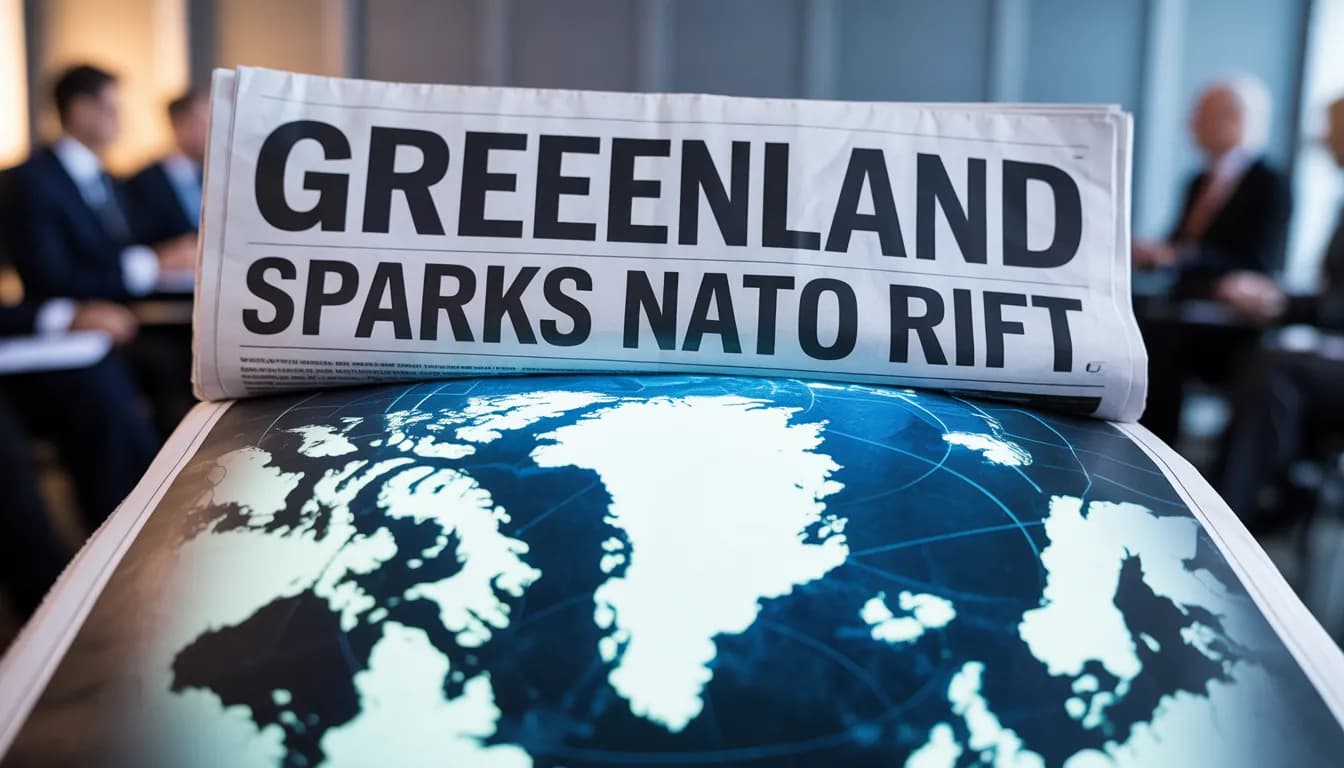
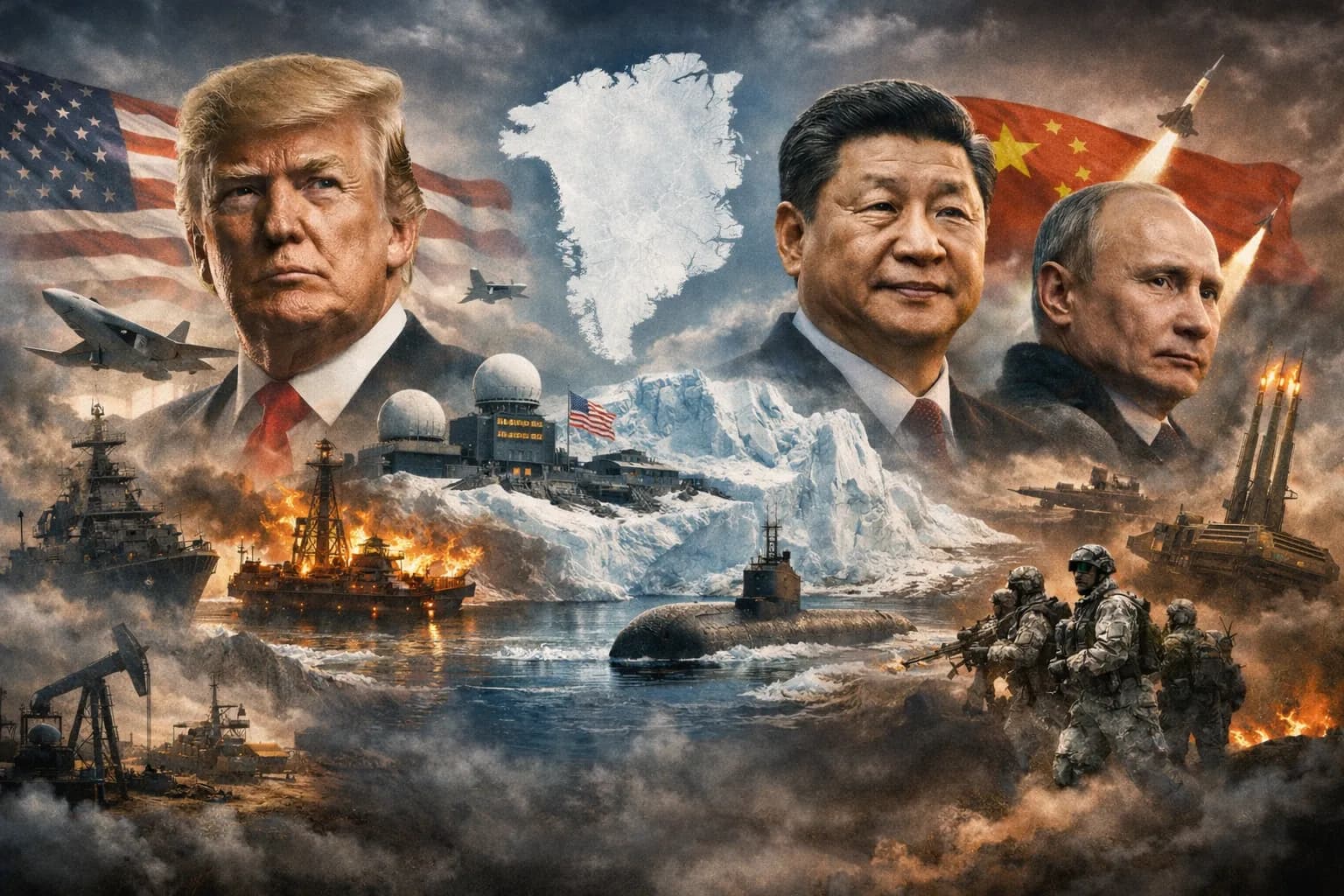
At the 2026 Davos Forum, Trump’s claim that the U.S. should control Greenland sparked strong European backlash. Denmark and NATO allies defended sovereignty, revealing growing tensions within the alliance over security priorities, unilateralism, and the future of transatlantic relations.
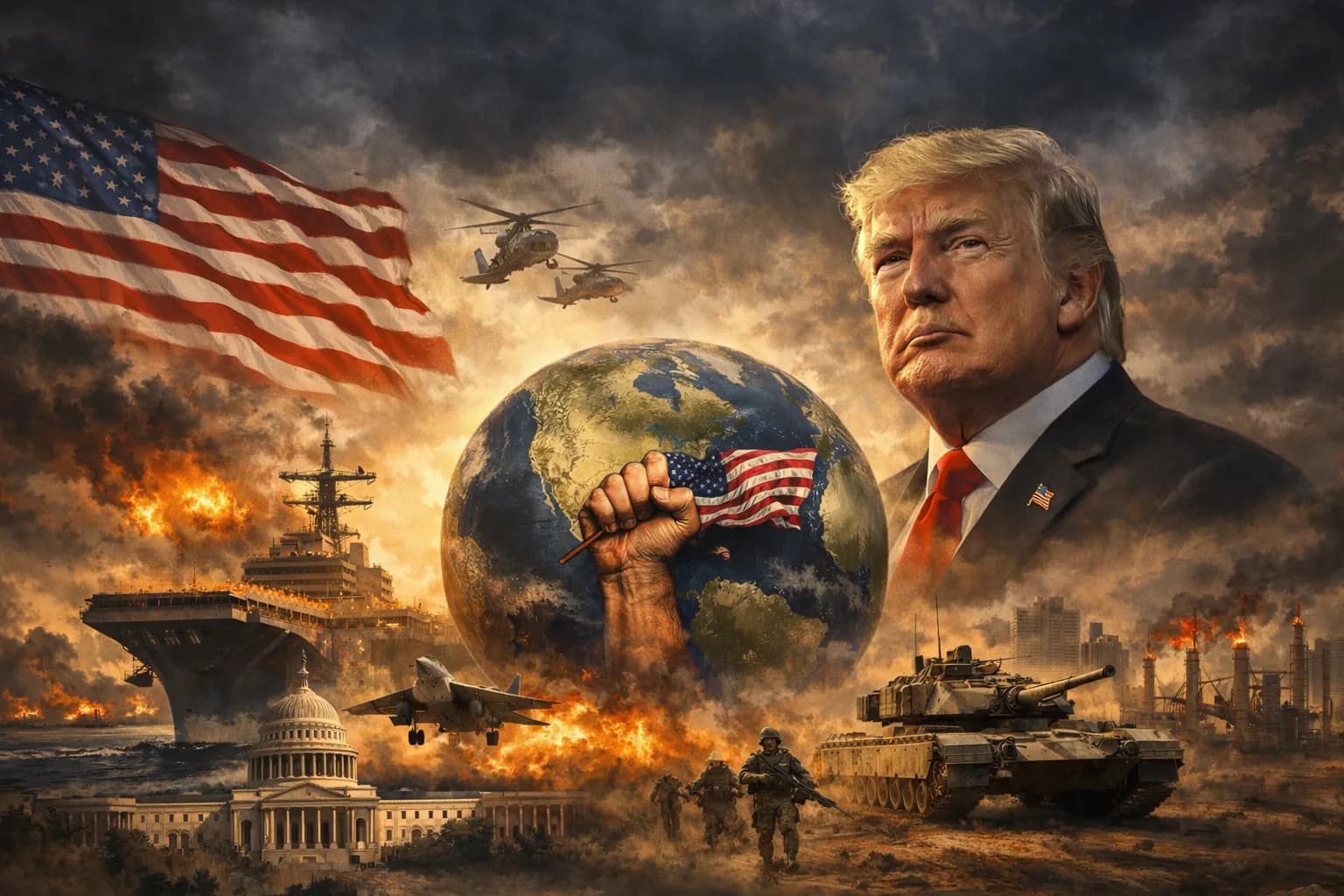
The Donroe Doctrine revives U.S. expansionism under Trump, prioritizing unilateral power, military force, and economic coercion over diplomacy and international law.
Iran in 2026 faces deep protests, economic crisis and political unrest. A foreign-backed government would be rejected by society, increase regional tensions, raise oil prices and risk civil war, affecting Pakistan, the Middle East and global stability.
Trump’s expansionist “America First” policy sought control over resources and strategic zones like Venezuela and Greenland, increasing rivalry in the Arctic, straining NATO, and fueling tensions with China and Russia instead of trust and cooperation.
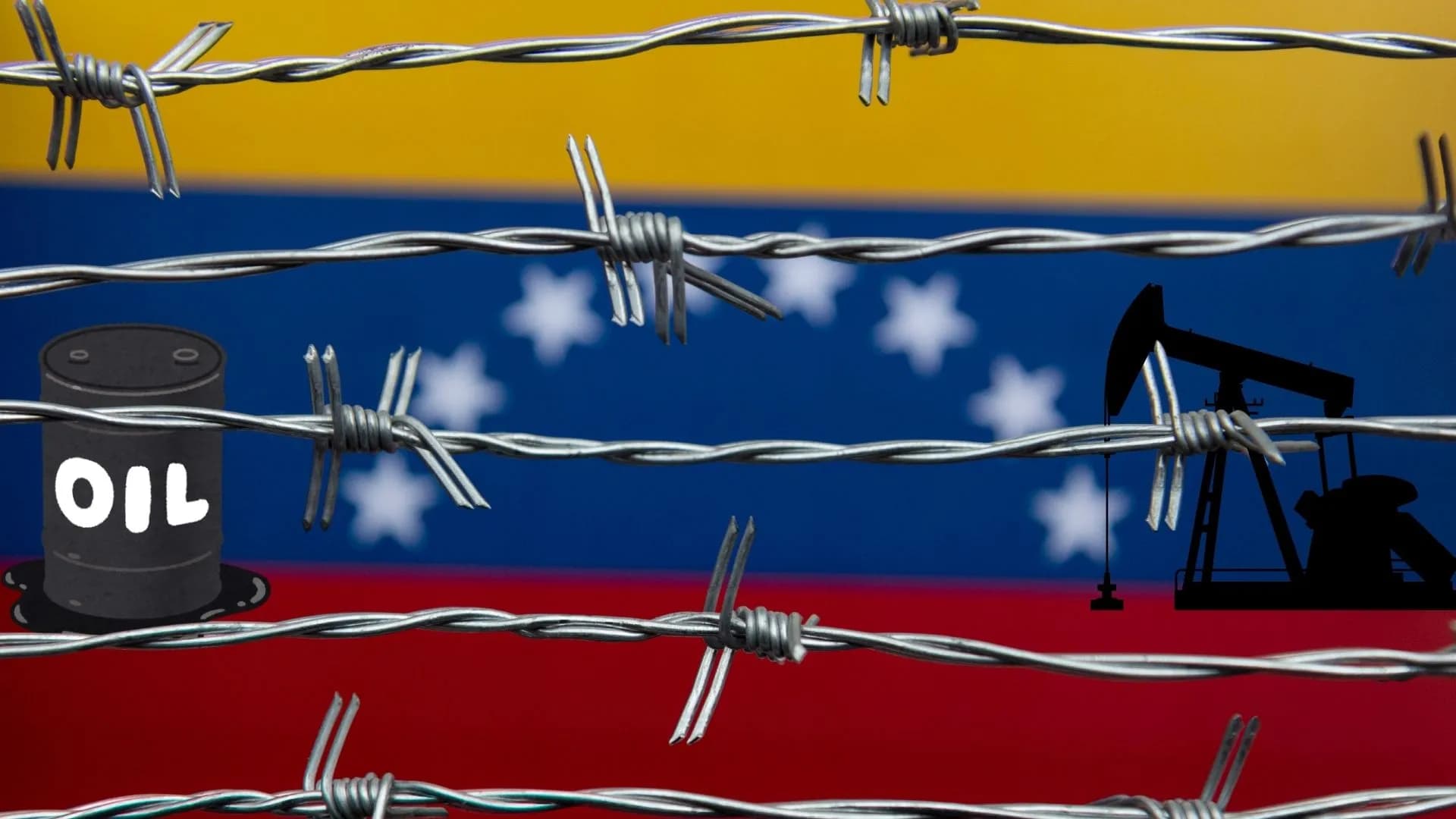
The January 2026 U.S. military intervention in Venezuela, which resulted in the capture of President Nicolás Maduro, is presented as a turning point driven by strategic competition over oil, minerals, and regional influence. Although Washington justified the operation through claims of narco-terrorism and authoritarian governance, the action is widely seen as a violation of international law and Venezuelan sovereignty. Venezuela’s economic collapse, worsened by sanctions and mismanagement, forms the backdrop to the crisis, while regional and global reactions reveal deep concern over renewed U.S. interventionism. The operation’s human, economic, and political costs are significant, and the situation underscores a broader return to resource-centered geopolitics, with Venezuela’s vast energy reserves at the core of a conflict that challenges international legal norms and regional stability.
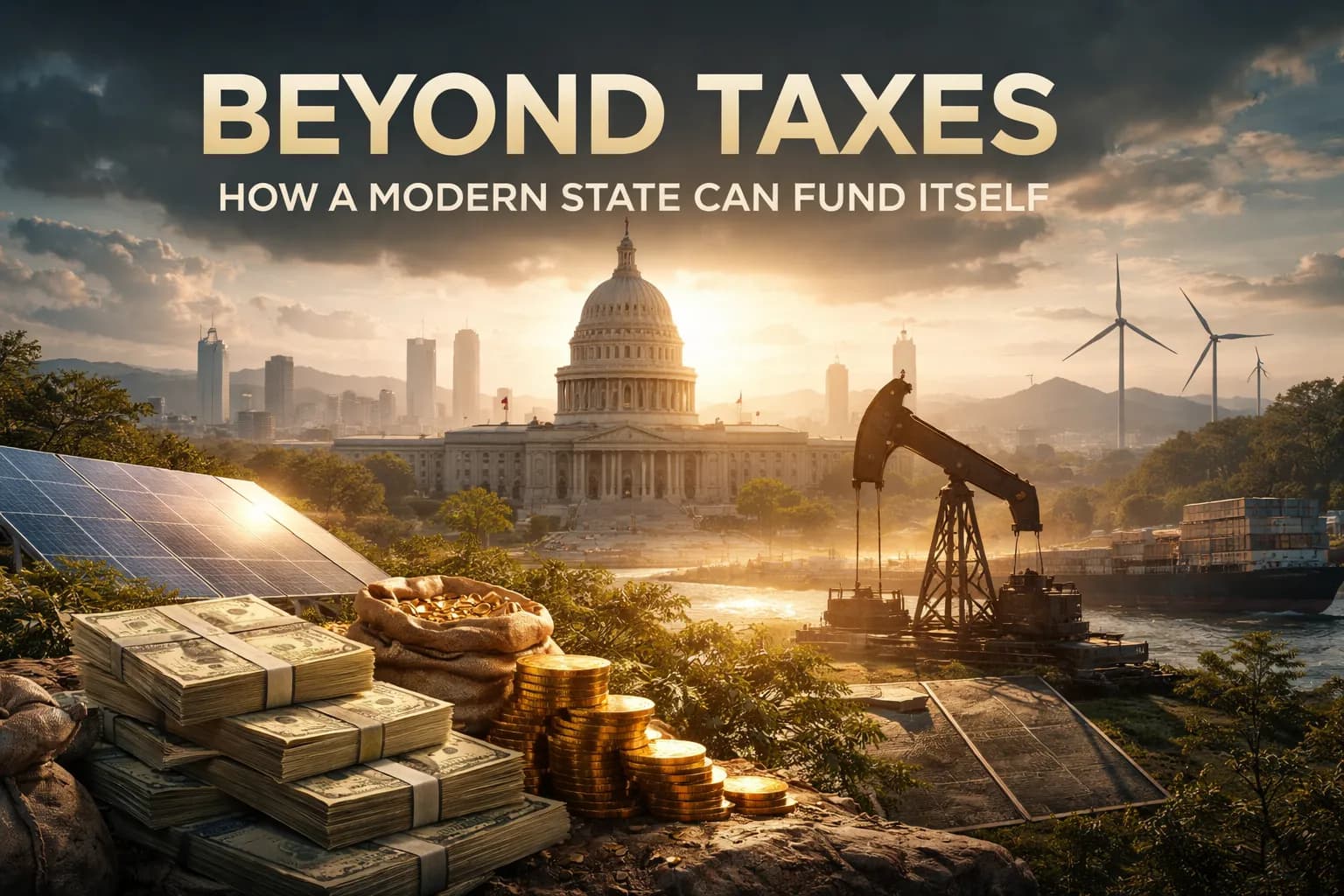
In contemporary political economy, taxation has long constituted the primary mechanism through which states finance public services and maintain institutional stability. However, structural transformations driven by globalization, technological change, and automation have increasingly exposed the limitations of a tax system that relies predominantly on labor and consumption. Growing inequality, the erosion of traditional employment, and declining public trust highlight the need to reassess how modern states generate revenue. This text introduces an alternative framework for public finance that complements taxation with public ownership of productive assets, equitable resource-based taxation, and citizen-oriented income mechanisms. Rather than advocating the abolition of taxes, it emphasizes the necessity of a balanced and sustainable funding model capable of supporting social welfare, economic resilience, and long-term state legitimacy in a rapidly evolving economic landscape.
England’s economy suffers from rising living costs, regional inequality, and short-term policies. Solutions require a people-centered economy, local currency systems, investment in innovation, fair data ownership, sustainable public spending, and reforms that prioritize long-term social well-being over short-term profit.
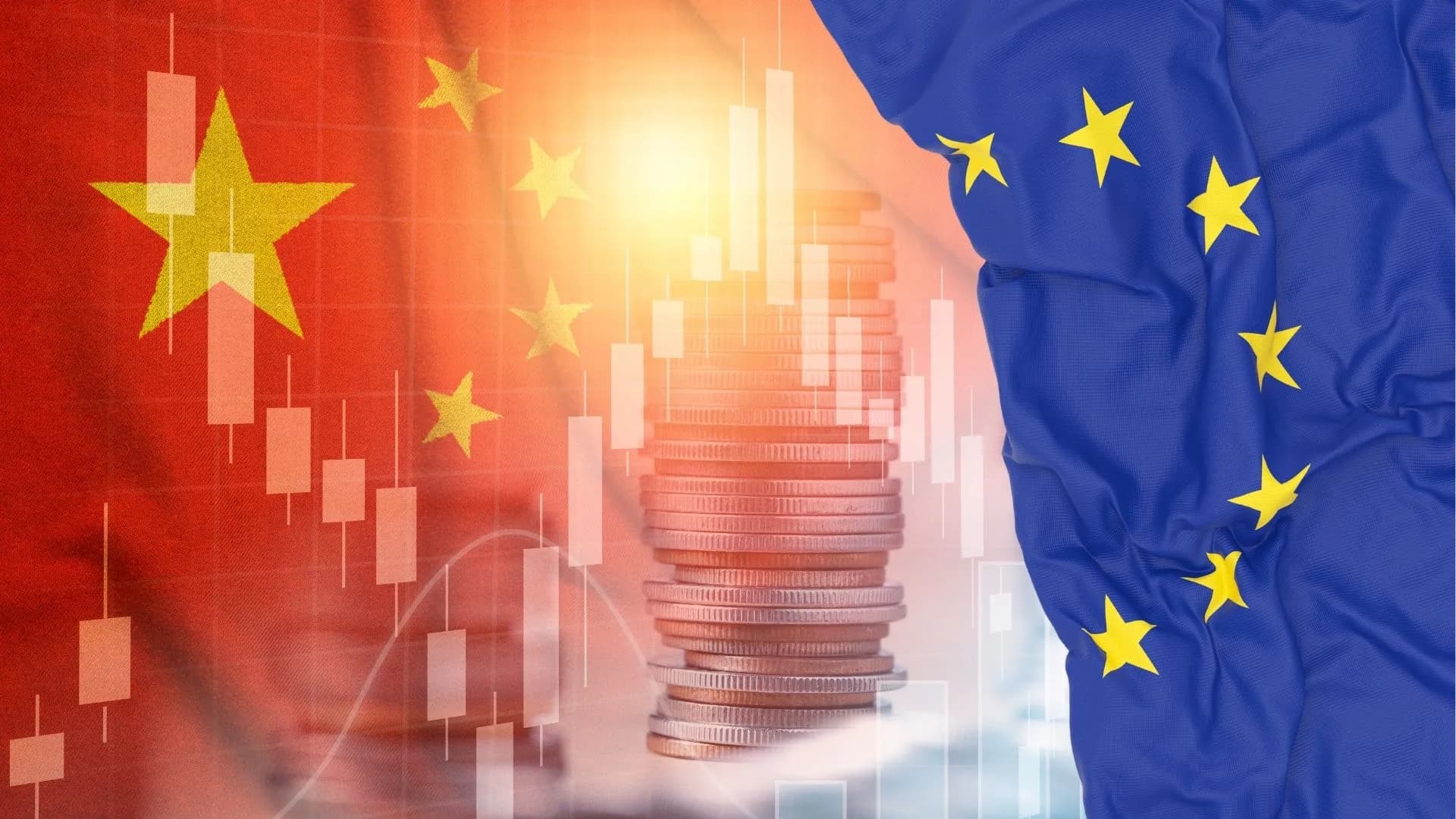
China’s rapid rise in the electric vehicle sector has triggered a profound transformation in Europe’s automotive market. While affordable Chinese EVs offer clear benefits to consumers and support climate goals, they also intensify competitive pressure on European automakers, threatening profitability, employment, and industrial capacity. This development exposes the EU’s vulnerabilities in supply chains and industrial sovereignty. Europe’s response will depend on a comprehensive strategy based on domestic investment, balanced trade policies, industrial cooperation, and supply chain diversification.
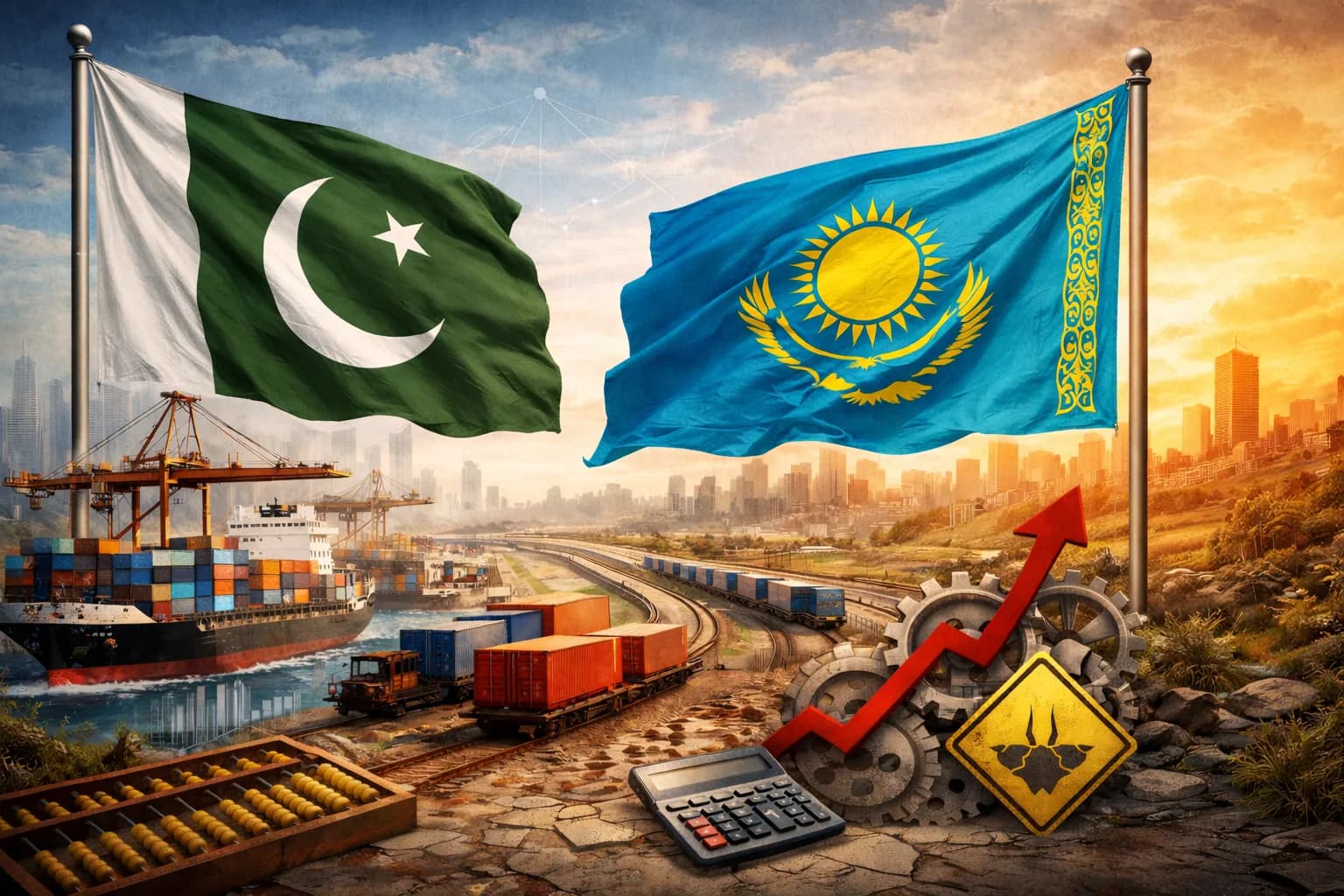
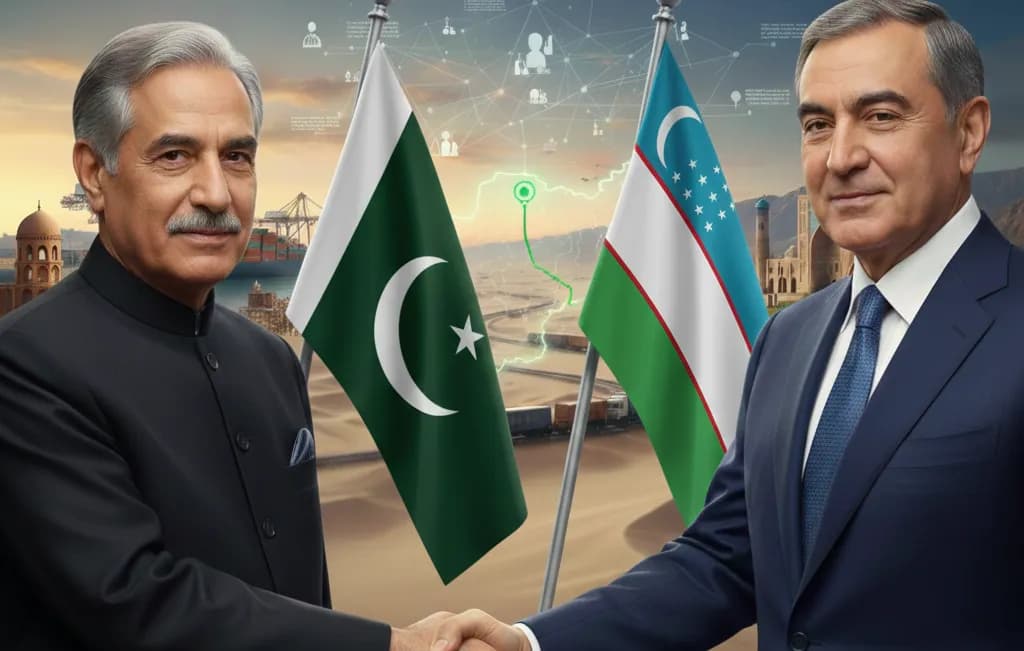
Pakistan–Uzbekistan relations have evolved from cautious diplomacy into a strategic, economy-driven partnership centered on trade, transit, and regional connectivity. Pakistan positions itself as a gateway linking landlocked Central Asia to global markets via its ports, while Uzbekistan seeks diversified access routes and energy cooperation. Despite security and infrastructure challenges—particularly in Afghanistan—the partnership has the potential to reshape regional integration across South and Central Asia.
England’s economy is stagnating due to low productivity, regional inequality, Brexit disruptions, and overreliance on finance. The article calls for bold reforms: industrial revival, regional empowerment, lifelong reskilling, tax restructuring, renewable energy investment, and aggressive trade strategies. Without long-term planning and decisive action, England risks continued decline despite its potential.
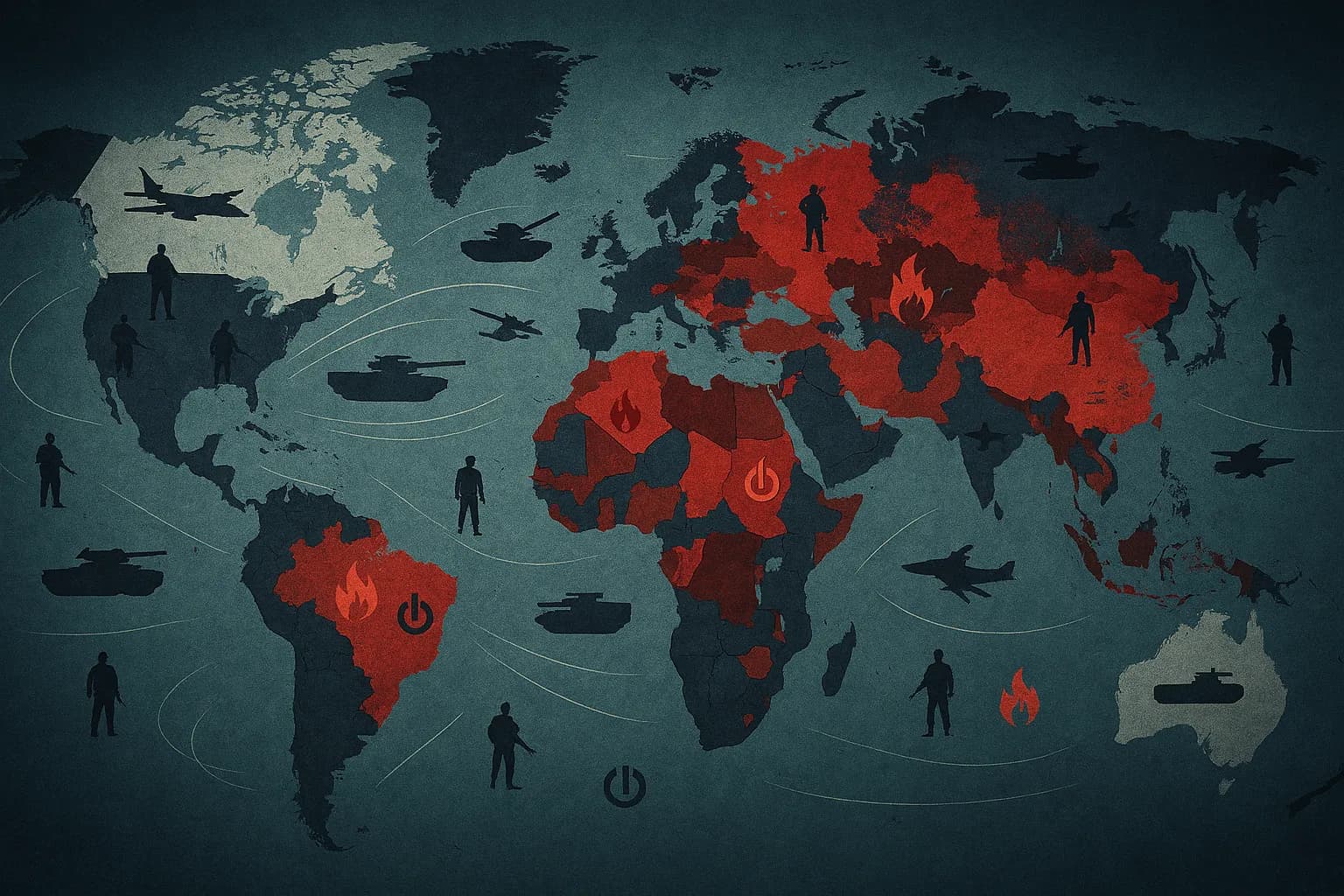
The world is shifting from a stable U.S.-led order to an unpredictable multipolar system marked by mistrust, nationalism, and militarization.
Geopolitical tensions, resource competition, and technological warfare are reshaping security and economic strategies globally.
Dialogue and improved communication channels remain the most viable path to peace amid rising conflicts and rivalry.
AI isn’t meant to be an emperor; it’s here to empower people. Local businesses in Pakistan face two challenges: they must overcome skill and infrastructure barriers while simultaneously cultivating a forward-thinking business mindset.
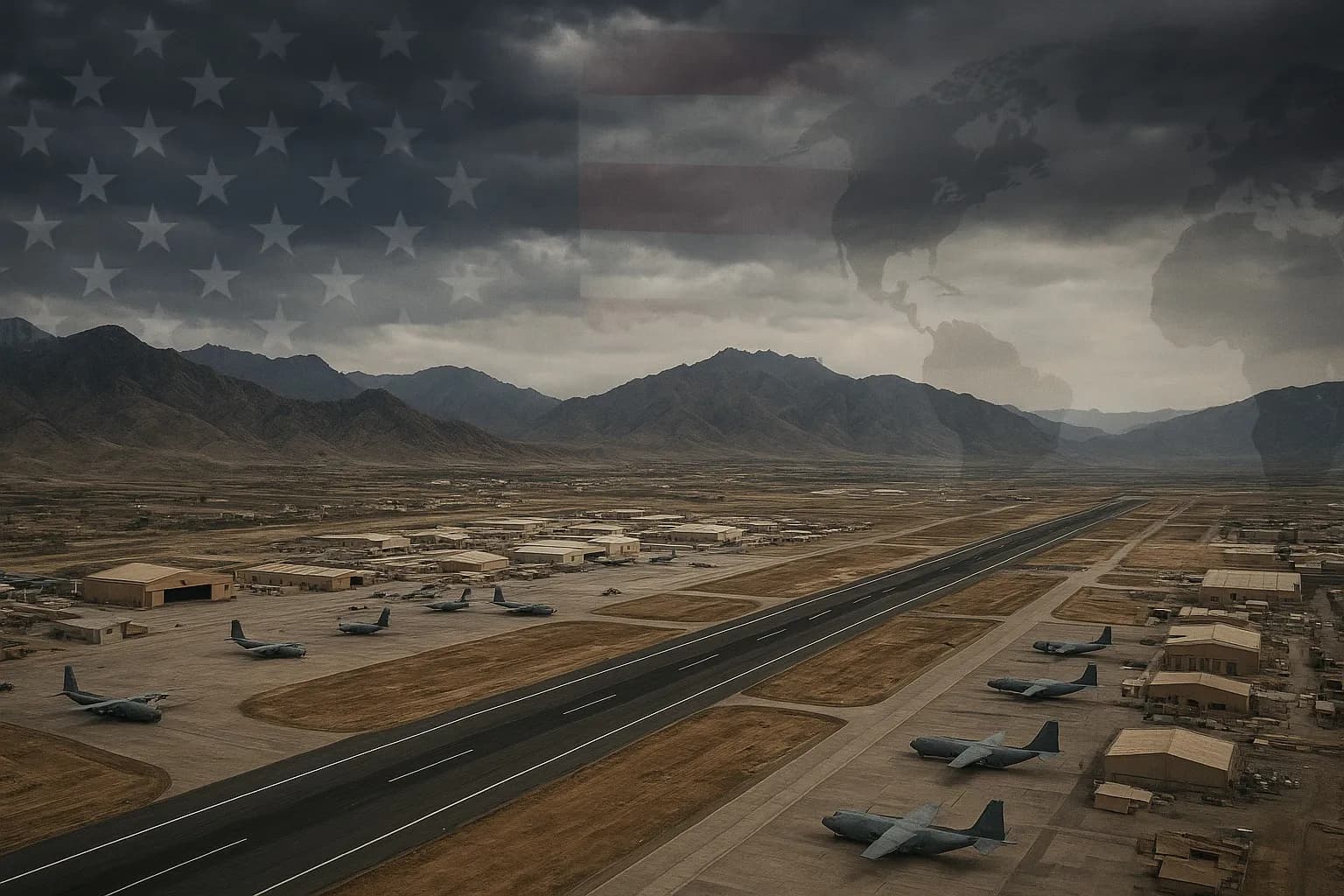
Every country wants to monitor its rival and reduces the opportunities for its foes to gain nuclear capabilities and military strength. Hence, the recent decision by the President of the United States to regain Bagram base from the authority of Afghanistan demonstrates the shifting strategic policy of the US.
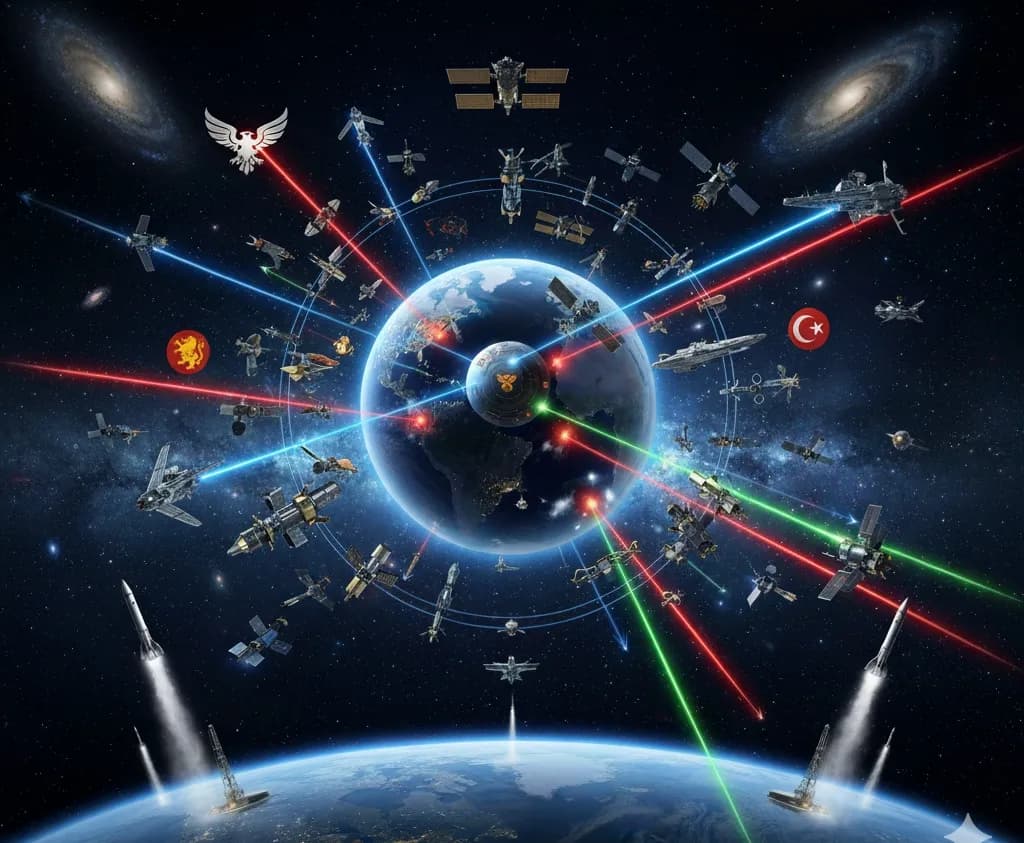
The militarization of space presents unprecedented risks for global security. If countries continue to develop space-based weapons, the likelihood of conflicts extending beyond Earth becomes increasingly plausible.
Climate dialogue should be at the center of the mainstream agenda and not somehow deserving of political interference. Global partnerships demanding climate justice and financial assistance from international forums as Pakistan less than 1 percent contributes to the global emissions share but pays one of the heaviest prices.
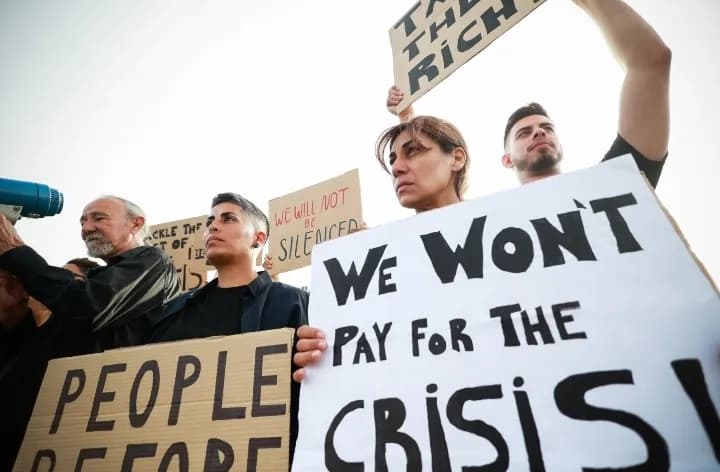
UK’s household debt is increasing and nearly three in four adults report that their monthly cost-of-living expenses have risen in the past year, pushing them toward reliance on credit and debt to cover necessities.
Sexism, racism, xenophobia and gender segregation are growing issues that require broad-minded and intellectual young people to govern the government and redesign governance systems.