Why the 21st Century Is Becoming a Century of Conflict
The world is shifting from a stable U.S.-led order to an unpredictable multipolar system marked by mistrust, nationalism, and militarization. Geopolitical tensions, resource competition, and technological warfare are reshaping security and economic strategies globally. Dialogue and improved communication channels remain the most viable path to peace amid rising conflicts and rivalry.
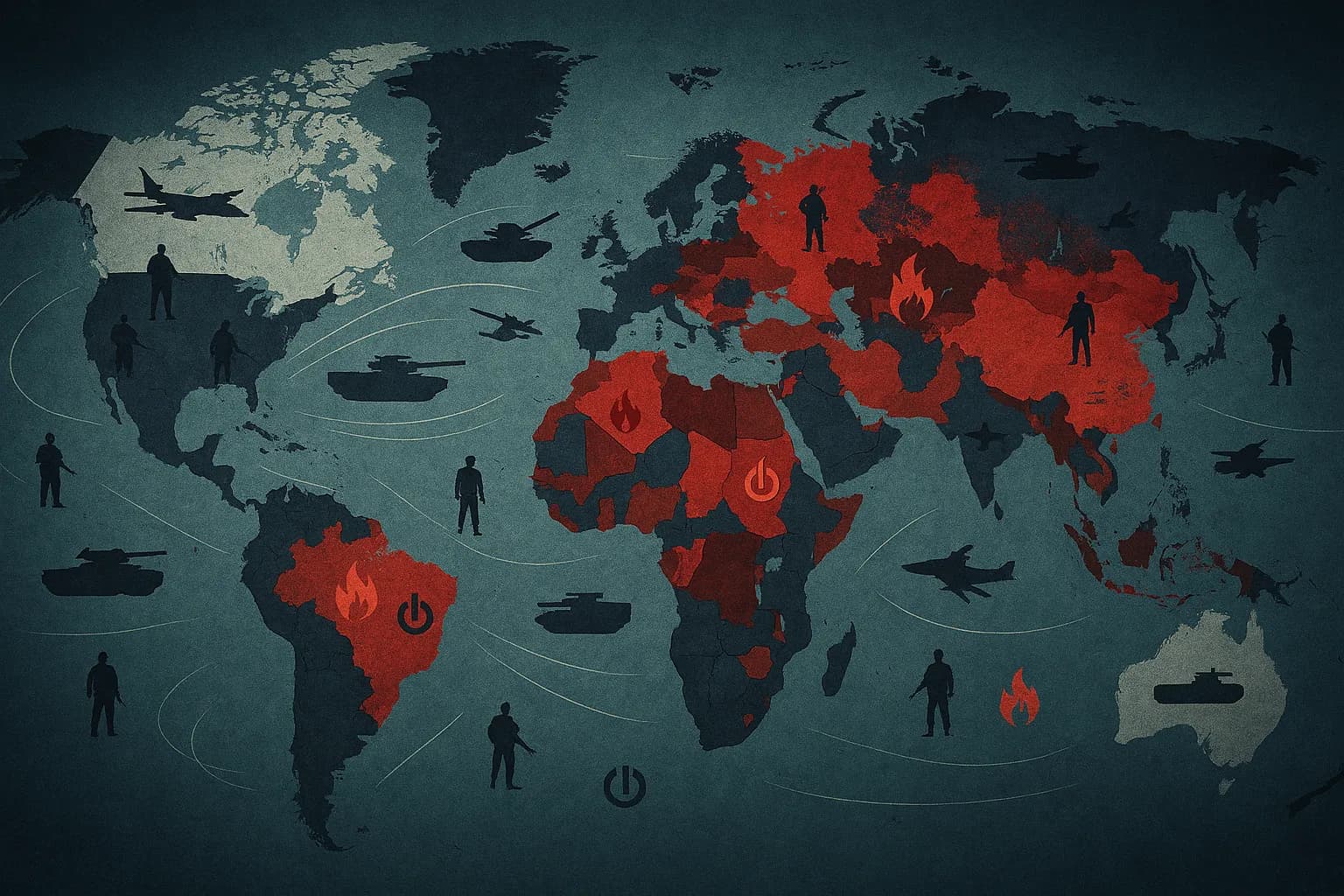
Dramatic changes are taking place in the world’s geopolitical map, the one that is characterized by fragmentation, competition, and violent conflicts coming back to life. The 21st century was initially envisioned as a period of cooperation, which is to say, globalization, economic interdependence, and powerful multilateral institutions that would maintain peace had all these features.
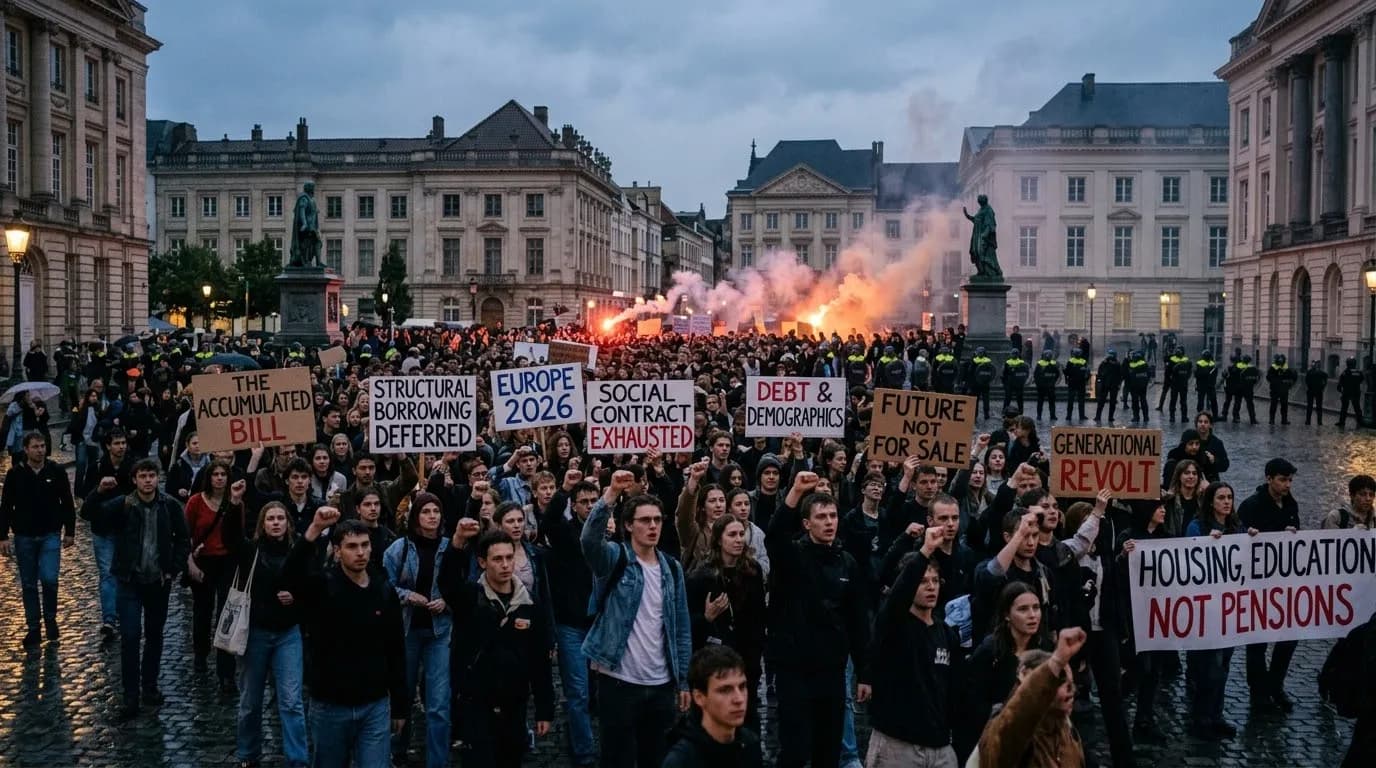
Rather, the coming order is no longer stable and predictable, but rather characterized by a general mistrust of relationships between countries, an upsurge of assertive nationalism, and a global power shift that has impacted every country. The unipolar power of the United States is waning; however, a new multipolar world has been born which is nothing like the well-defined bipolarity during the Cold War as it does not have any set of rules, equilibrium, or a reliable dispute-resolving mechanism. No single nation is powerful enough to impose order and no alliance is strong enough to protect it, thus the situation is one of vacuum which prompts nations to adopt bold sometimes even militaristic methods to expand their influence.
Geopolitical tensions have led to a re-evaluation of nations' security strategies and a deployment of military forces in multiple areas around the world. Besides, wars and conflicts have changed the nature of military operations, which are now characterized by the integration of new technologies and innovation. As a result, military spending has become a major factor in determining the economic performance and global influence of countries. At the same time, the defense sector is increasingly becoming a driver of the overall economy in many countries, especially in the west. Moreover, competition for energy and natural resources is escalating, and militarization is simultaneously spreading across the world.
Under these circumstances, revitalization of diplomacy has become necessary yet extremely difficult. While world powers, such as the United States and Russia, claim oppositional views on international order, their actions reveal a certain degree of interdependence. The rebuilding of trust would definitely require time and effort, but once started on the right track, it could yield significant results in the long run. In fact, there is already a number of steps that can be taken and that have the potential to create a conducive environment for dialogue. For instance, the practice of involving third parties, such as international organizations or neutral countries, in the mediation process can sometimes be successful if handled delicately and cautiously.
Disputes between nations are often as inevitable as wars, but they can be pacified if handled wisely. War is a miscalculated move in modern geopolitical battles, and countries may not be ready to take such a step. Hence, the current scenario can offer a plethora of opportunities for multi-level dialogue, or even for outright diplomatic negotiations if the time is ripe for it. Unfortunately, the world leaders have not been able to recognize such openings for dialogue and instead have been engaging in a war of words, and sometimes even actions, which only worsens the situation and hinders the search for peaceful solutions to conflicts. Nevertheless, it is imperative that the global community supports and encourages dialogue as the only way to achieve lasting peace and security.
In sum, the modern world is more interconnected than it has ever been before, particularly because of the internet and social media, which have made communication faster and easier. Thus, although the current international relations might not be the most favorable for peaceful means of resolving conflicts, it is still necessary to acknowledge the positive aspects of the situation and work on them to build a conducive environment for dialogue.
Thus, international relations in the contemporary world are characterized by intense rivalry among major powers and increased competition for resources and markets. The war in Ukraine served to deepen partnerships among the opposing camps that had already been in place before the conflict erupted, but it also encouraged countries not directly involved in the confrontation, such as China, India, or Brazil, to keep on exploring the possibility of gaining strategic advantages through mediation; hence, the idea of nations that are still able to play the role of peacemakers. Moreover, the conflict has produced some unintended consequences, such as the increased vacuum in the global energy market and the rise in oil prices which can potentially push nations to negotiate or even settle their disputes through wars. Such observations lead to the conclusion that the best way to deal with tricky situations arising from the interdependence of international relations and global economics is to engage in dialogue rather than war.
To sum up, the current global situation characterized by conflict, competition, and crisis is not necessarily a permanent or absolute one. There are already signs of change as evidenced by the ongoing efforts of the parties involved in various disputes to find mutually acceptable solutions through negotiation and compromise. In fact, some conflicts may even owe their existence to the absence of proper channels of communication through which the parties could air their grievances and get them resolved. There are many factors that can help in overcoming adversities in international relations, and one of them is the communication channels that connect conflicting parties.
Uroosa Khan
Contributing writer at EUReflect.
Follow EUReflect
See more of our reporting on Google
Mark EUReflect as a preferred source and our stories are ranked higher for you in Top Stories, Discover and Google News — and carry a “preferred” badge when they are cited in AI results.
Add EUReflect as a preferred source