The Return of Realpolitik: Bagram Air Base and US Foreign Policy
Every country wants to monitor its rival and reduces the opportunities for its foes to gain nuclear capabilities and military strength. Hence, the recent decision by the President of the United States to regain Bagram base from the authority of Afghanistan demonstrates the shifting strategic policy of the US.
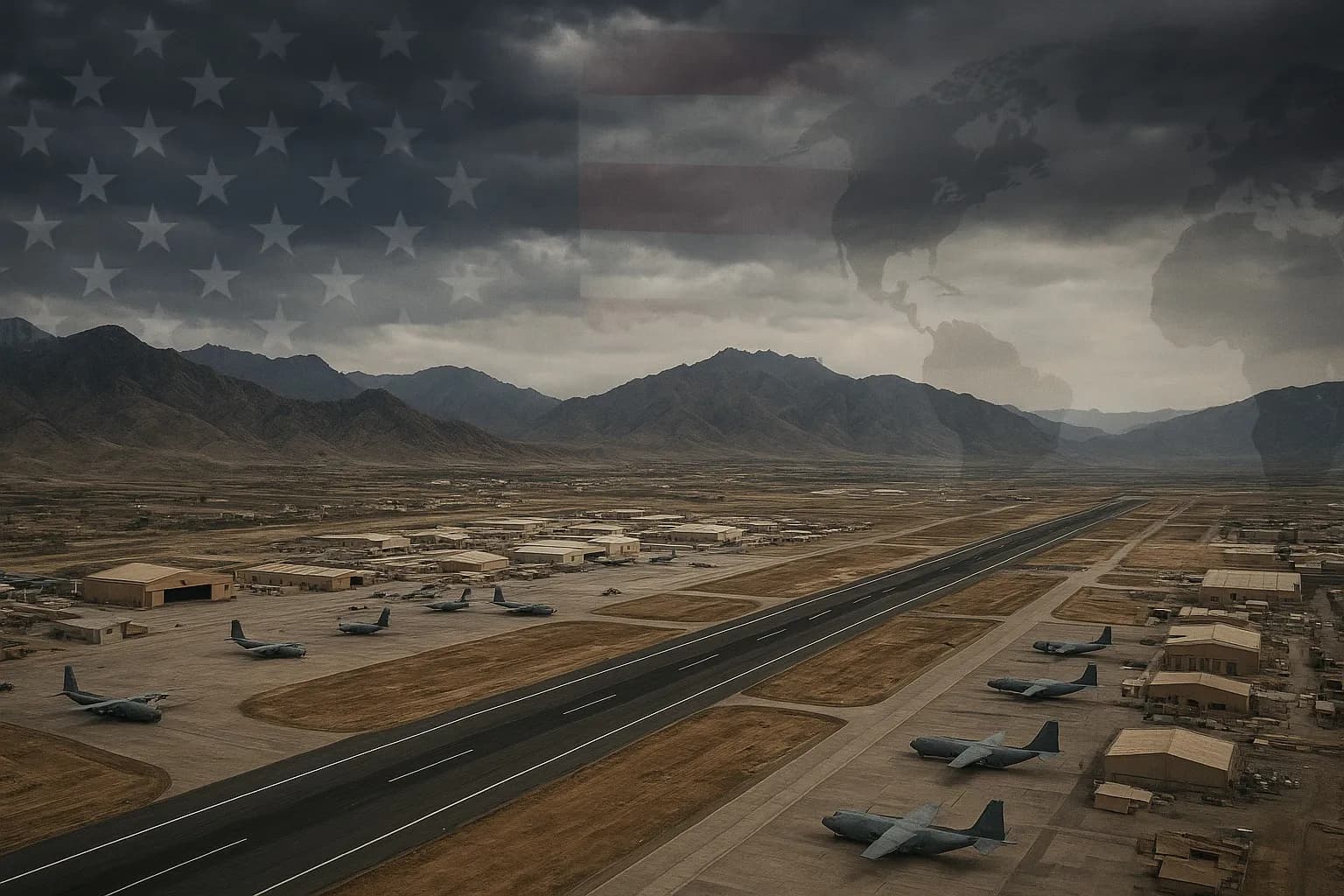
Symbol of Shifting U.S. Strategy in Global Politics
History has witnessed that countries have always pursued their national interests over collective. Leaders such as Hitler or Mussolini have disturbed the smooth functioning of societies causing millions of deaths and suffering. However, it is clear that states are not governed by ideologies but by national interests. This is what we have historically experienced in the global political system. The moment a friend becomes a foe and a foe becomes a friend; that is a norm of international relations. Henry Kissinger puts it rightly: “America has no permanent friends or enemies, only permanent interests.”
Every country wants to monitor its rival and reduces the opportunities for its foes to gain nuclear capabilities and military strength. Hence, the recent decision by the President of the United States to regain Bagram base from the authority of Afghanistan demonstrates the shifting strategic policy of the US.
Undoubtedly, the statement made by president Donald Trump has had a dire impact on the evolving global politics.The Bagram base was constructed by the Soviet Union, and after the end of Cold War, the US began to control the base and later renovated it. The base is largest in size and only 60km away from the capital city of Afghanistan.
Even B2 Bombers can easily fly from this base. Considering the developing interest of Mr. Trump in this base, there may be several causes to think about.The first reason behind the interest of the US would be surveillance over China’s nuclear sites such as lop Nur.
Likewise, China borders Afghanistan in distant to Wakhan border. As the saying goes: “Afghanistan is the heart of Asia; he who controls it, controls the destiny of the region.” In this way, the US would also want to maintain its presence in the region due to its geopolitical importance and attempt to regain its lost influence.
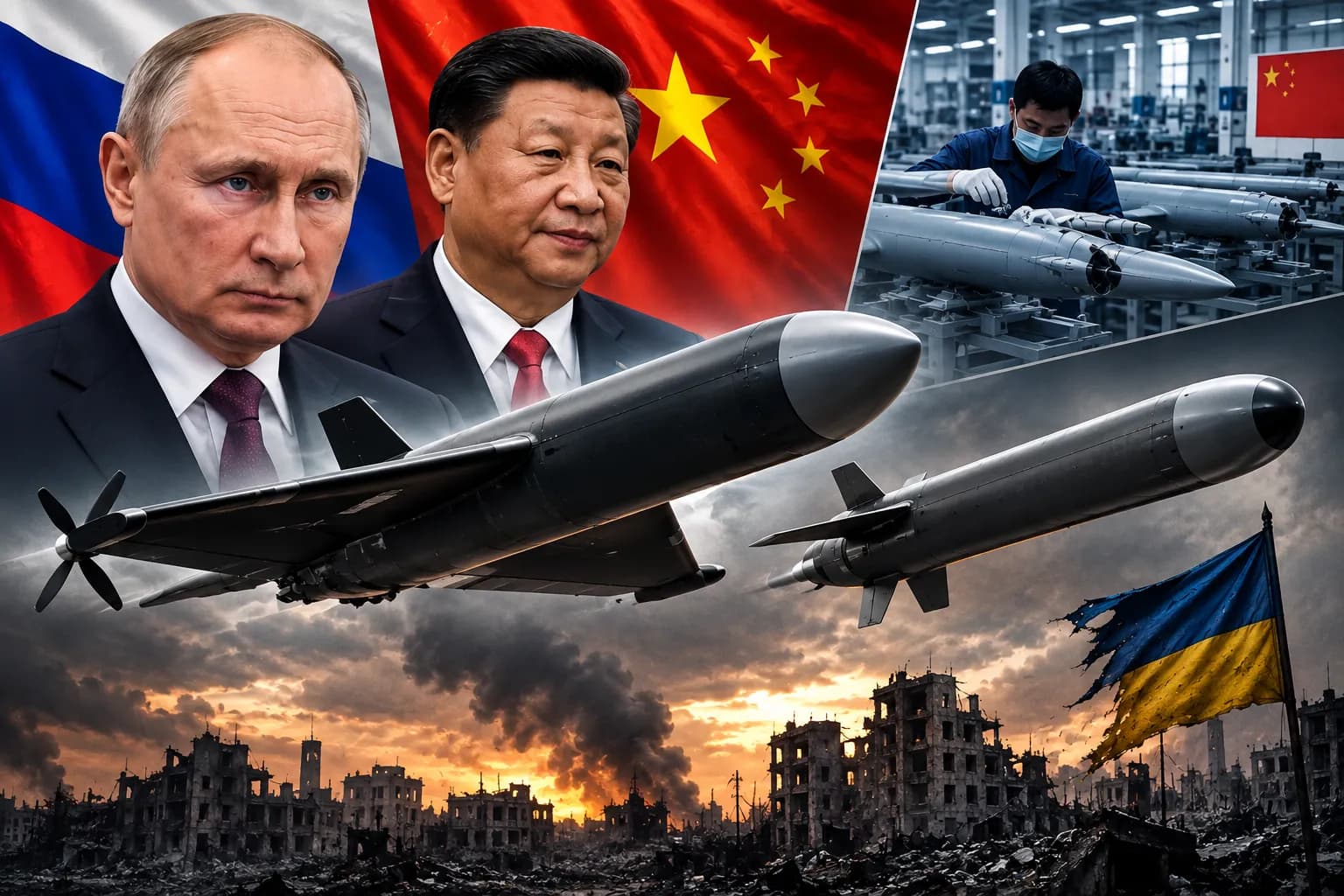
Afghanistan has significant geostrategic value, in which the presence of the US could boost its leverage to monitor its rivals such as China and Russia closely. Now, the US has realized that it was a mistake to completely pull out from the region, as it has become their blind spot now.America also wants to monitor Islamic State of Khorasan ( IS-K), because it perceives it as a major threat against US international forces.
It is surprising to note that once the US, adopting the Monroe doctrine under the presidency of Donald Trump, it is now using a ‘’stick policy’’ globally and spreading its wings to control important spots. One can see that after claiming other territories, the Bagram air base is another attractive destination for Trump. Thus, in response of Mr. Trump, the Afghan government publicly denied handing over Bagram to the United States. But time will tell what the future decision of the Afghan government will be.
We must understand that governments often adopt two types of policies: public and behind-the-doors.Similarly, there would also be implications if the Afghan government were to accept Mr. Trump’s proposal, such as the US officially recognizing their government and unfreezing their foreign exchange assets.
However, there are rare chances of this happening. Even if one section of Afghan officials agreed to hand over the base, others would definitely oppose it. Internal discontent in the Afghan government has remained a major issue in the stabilization of the country. In contrast, the presence of US forces in the region has geopolitical implications for China, Iran and Russia. China will never allow US to monitor its nuclear facilities closely.
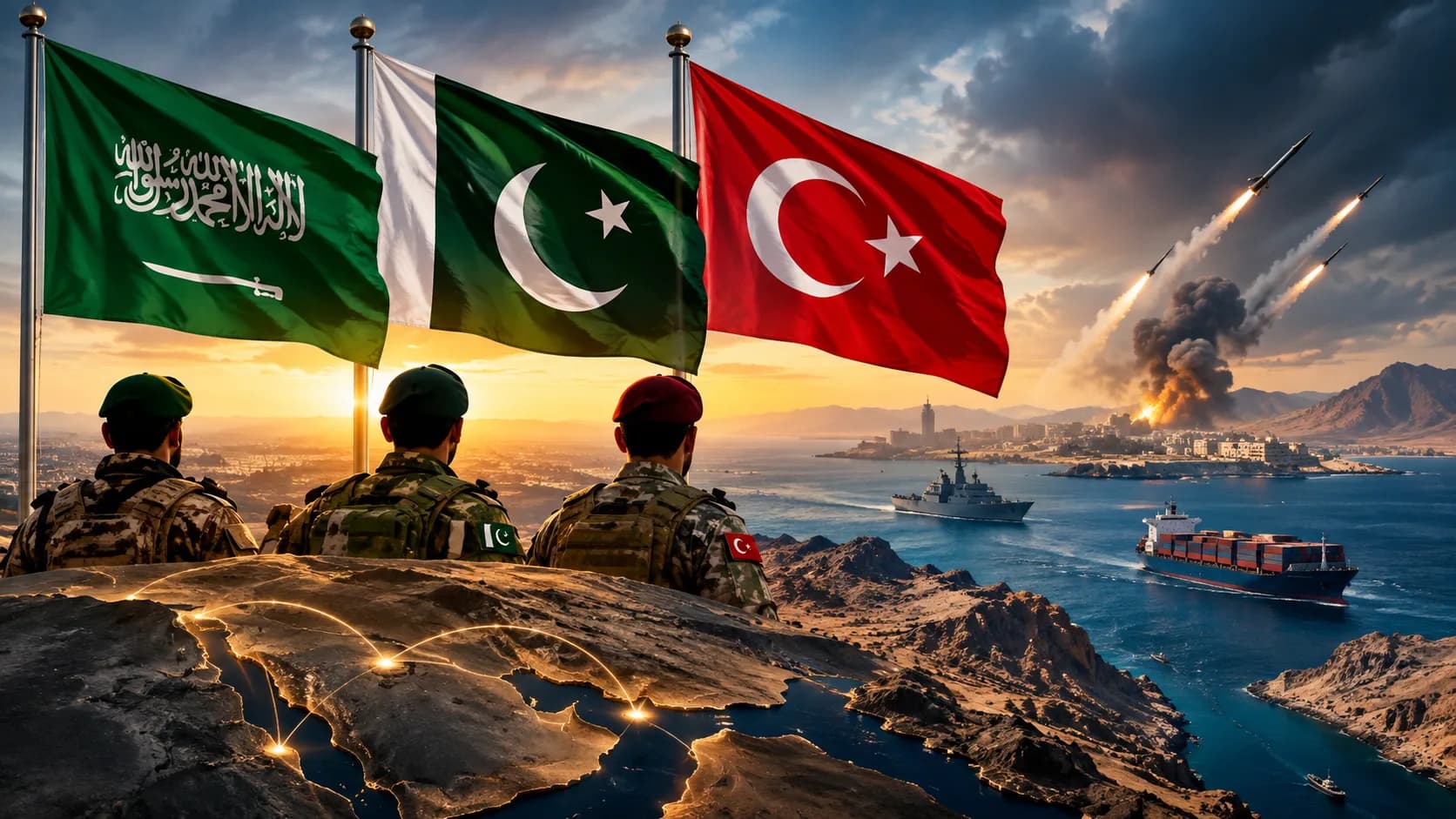
The role of Pakistan is also important in this regard. If the US regains its old position, it would be difficult for Pakistan to officially recognize its presence due to its close ties with China. Regionally, the foreign policy of Pakistan would face the test of balancing once again between the US and China.
To sum up, it is clear that President Donald Trump is shifting his foreign policy from isolationism to engagement with countries. The “carrot and stick” policy of the Trump administration reflects the old mentality of US, in which a hard approach has been used to pressure countries to surrender. As Otto von Bismarck famously said: “Politics is the art of the possible, the attainable — the art of the next best.”
Uroosa Khan
Contributing writer at EUReflect.
Follow EUReflect
See more of our reporting on Google
Mark EUReflect as a preferred source and our stories are ranked higher for you in Top Stories, Discover and Google News — and carry a “preferred” badge when they are cited in AI results.
Add EUReflect as a preferred source