Venezuela Under Siege: Oil, Minerals, and the U.S. Power Play
The January 2026 U.S. military intervention in Venezuela, which resulted in the capture of President Nicolás Maduro, is presented as a turning point driven by strategic competition over oil, minerals, and regional influence. Although Washington justified the operation through claims of narco-terrorism and authoritarian governance, the action is widely seen as a violation of international law and Venezuelan sovereignty. Venezuela’s economic collapse, worsened by sanctions and mismanagement, forms the backdrop to the crisis, while regional and global reactions reveal deep concern over renewed U.S. interventionism. The operation’s human, economic, and political costs are significant, and the situation underscores a broader return to resource-centered geopolitics, with Venezuela’s vast energy reserves at the core of a conflict that challenges international legal norms and regional stability.
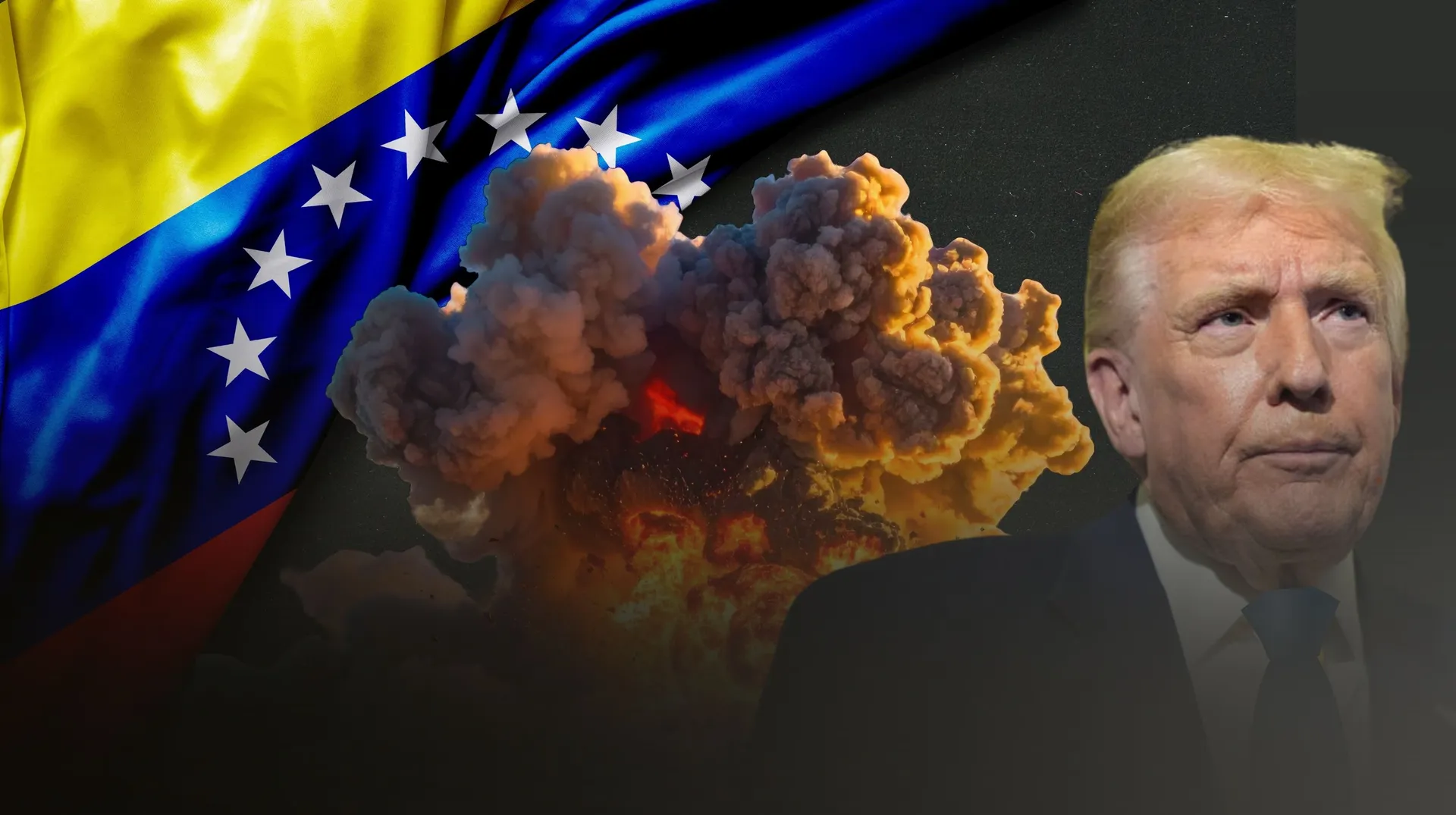
At dawn on January 3, 2026, in one of the most blatant U.S. military strikes in Latin America in decades, U.S. special forces invaded Venezuela, seizing President Nicolás Maduro and his wife, Cilia Flores, whisking them away to the United States to face charges that include narco-terrorism and cocaine trafficking. Dubbed Operation Absolute Resolve, the intervention has elicited international controversy over legitimacy, motives, and consequences. Moreover, control over Venezuela's energy and mineral resources has been an essential issue related to understanding strategic interests behind the move.
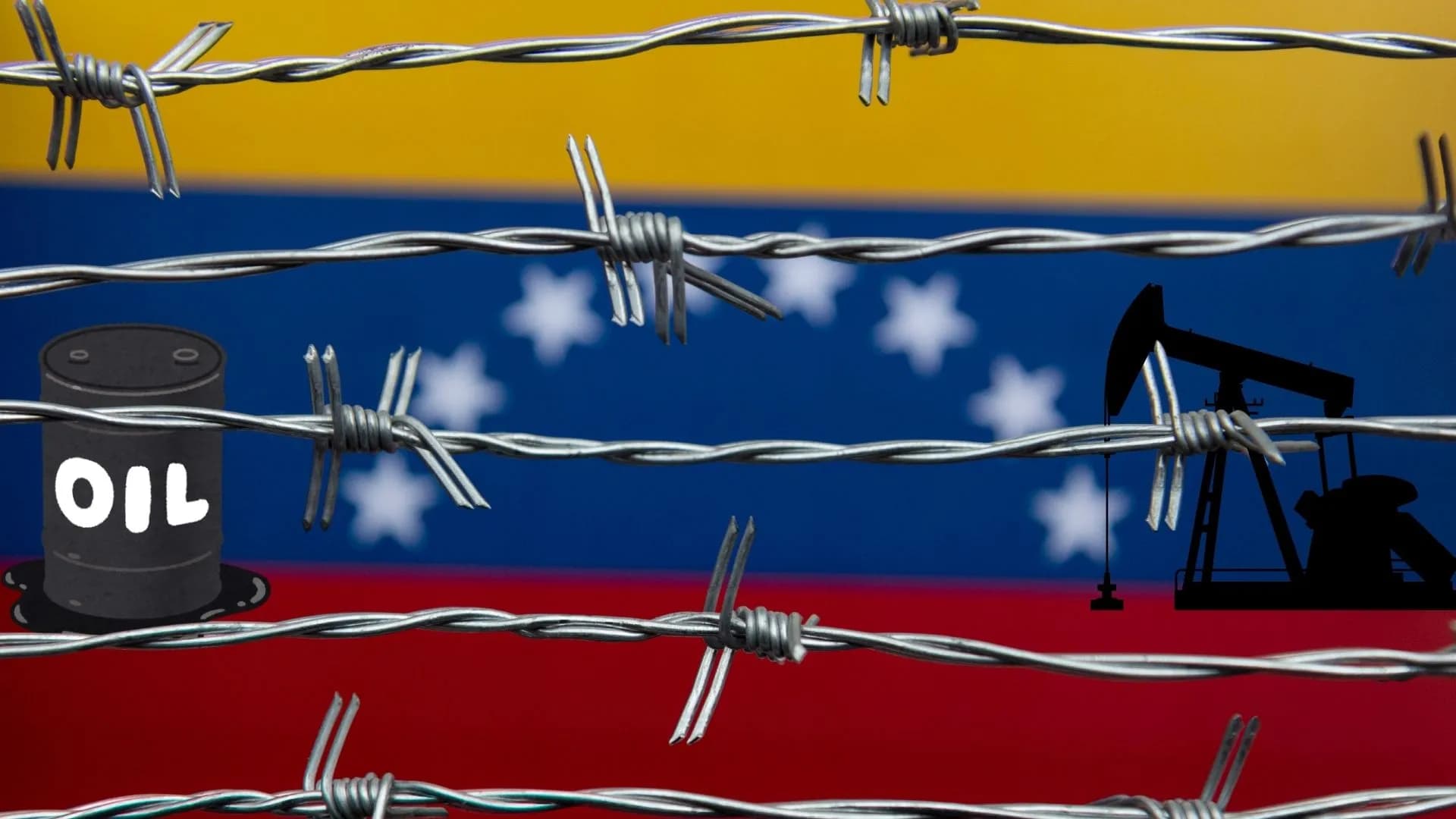
This confrontation is being set up by the economic collapse of Venezuela. Once the wealthiest oil exporter in South America, the country saw its production fall from 3.5 million barrels per day in 1998 to just around 735,000 bpd by 2023-a near 80% collapse. US sanctions and mismanagement contributed to revenue losses equivalent to 213% of GDP, cementing the hyperinflation, unemployment, and basic shortages that now afflict the nation. The economic collapse has fueled the largest migration crisis to beset the region, with millions fleeing. Political instability compounded the crisis: Maduro's government faced repeated accusations of electoral manipulation, suppression of opposition, and authoritarian consolidation, which prompted Washington to reject the legitimacy of his rule.
The 2026 military operation consisted of airstrikes, the neutralization of air defenses, and a targeted raid on Maduro’s residence, which was claimed to be carried out using 150 aircraft from the U.S. military. Trump asserted that the U.S. would “run the country” during a period when Venezuela would be in transition, which would also include the management of Venezuela’s oil industry. The mode of dealing with drug industries that are funded by the Venezuelan state was justified as a pretext for military action by the U.S. military, according to U.S. officials.
However, the operation violated international law by breaching sovereignty and abducting a sitting head of state.
From the legal perspective, several questions arise. According to the UN Charter, the use of force against another sovereign nation either with prior authorization from the UN Security Council, for self-defense against imminent attack, is not applicable in this intervention. According to Intervention authors, there was no prima facie exemption from these conventions on the grounds they fall under 'law-enforcement intervention.' Within the U.S., concerns were raised about the intervention being within the guidelines for U.S. Authorization.
In geopolitical terms, this intervention has led to tensions between Latin America and other regions around the world. Countries such as Brazil, Chile, and Mexico discredited this intervention as an attack on sovereignty, whereas others like Cuba, Chavez, and President Lukashenko from Belarus outright disapproved of this attack. Very few nations in Latin America who favor the overthrowing of Maduro showed their support for this intervention. This intervention has led to the resurgence of Cold War concerns about interventionism on the part of the U.S.
There are also human costs. It appears that up to 40 Venezuelans have died as a consequence of the operation. The strikes have affected the infrastructure, communication, and power sectors. Venezuela's crisis might worsen, and the number of migrants reaching the neighboring states will increase. In addition to the drug aspect, the oil and minerals strategy motivation takes center stage. Venezuela has the world’s greatest proven oil reserves of over 300 billion barrels, making it a crucial element in the pursuit of oil security and geopolitical influence. The motivation for the new administration’s interest in Venezuela’s oil resources was evident in the open statements by President Trump regarding the control of the oil industry.
Moreover, historical parallels uphold this view. The 1989 U.S. invasion of Panama and Noriega's capture assisted in drug control, but this also gave the United States strategic control over the Panama Canal. The Iraq invasion in 2003 was politically motivated by the claim of WMD (Weapon of Mass Destruction) threats, but the U.S. gained access to the oil resources that were previously cut off. In the same way, the United States is using the anti-drug narrative to justify its intervention in Venezuela while pursuing economic and geopolitical interests.
A variety of possible futures are being laid out. Firstly, the U.S.-guided transition could result in a stable oil production environment, making Venezuela a viable place for making investments, but on the other hand, this would result in a domestic backlash, possible insurgency, and a long-term dependence on the external control of the U.S. Secondly, the way the U.S.-Venezuelan conflict is being portrayed is that Venezuela will break into separate territories and the contending groups will fight for control leading to even worse human suffering and instability that would eventually transform the resource-rich area into a war zone. Thirdly, a multiple-party, UN-led resolution could synchronize nationhood and economic revival, but this scenario would not be possible without the U.S. showing restraint and giving trustworthy support for the self-determination of Venezuelans, which is not indicated by the present rhetoric.
One cannot deny that the crisis is a direct reflection of a return to resource-driven geopolitics. Even though the world is gradually moving towards renewable energy, controlling oil and critical minerals still remains the key reason for foreign policy decisions. Venezuela is at the crossroads of energy security, technology-critical mineral supply, great-power rivalry, and the weakening of international legal norms. The U.S.–Venezuela crisis is a problem in the international community and also evokes the past when resource imperatives were used as a justification for one-sided interventions that in turn created the challenges of sovereignty and international law established.
To conclude, the crisis situation for 2026 affecting the United States and Venezuela cannot be simply defined as a matter of removing one particular leader. It has become a complex situation of geopolitics and resource security being mixed with domestic politics and international legal parameters for action and intervention towards and within sovereign nations, despite the Trump administration’s claim of removing a repressive regime and thus promoting greater security for the Latin American nations and the United States itself as a region as well as a global leader and power player on the world stage today. The future of Venezuela will become an important factor of how power vacuums are filled and how international legal parameters become flexible to prevent nations from intervening for their own resource gains as a precedent for future interventions of a purely military form based on purely material and resource values and principles.
Uroosa Khan
Contributing writer at EUReflect.
Follow EUReflect
See more of our reporting on Google
Mark EUReflect as a preferred source and our stories are ranked higher for you in Top Stories, Discover and Google News — and carry a “preferred” badge when they are cited in AI results.
Add EUReflect as a preferred source