How local Firms can integrate Artificial Intelligence in their Businesses
AI isn’t meant to be an emperor; it’s here to empower people. Local businesses in Pakistan face two challenges: they must overcome skill and infrastructure barriers while simultaneously cultivating a forward-thinking business mindset.

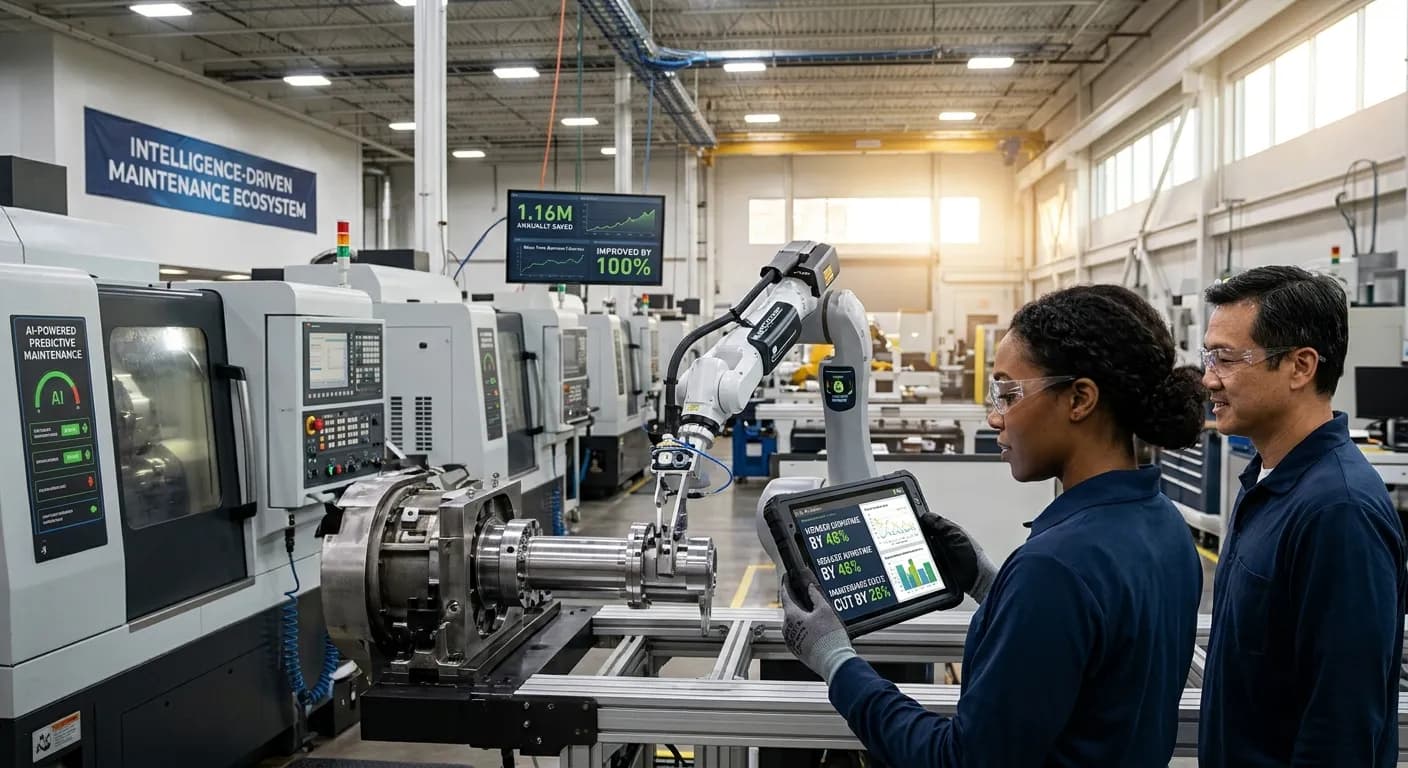
The introduction of capitalism altered the rules governing how corporations function, compete, and expand on a worldwide basis. The arrival of AI, a force that has stood for productivity, customer reformation, and operational efficiency, however, marked the true breakthrough. Local businesses and SMEs can now expand internationally thanks to technology that was previously only available to larger corporations.
Production, accounting, and other business operations management used to be a laborious and time-consuming process that required many people to manage. Data analysis relied heavily on manual labour, and decision-making was typically slow.
These disadvantages have significantly decreased with the use of AI. AI is now a need for all businesses, including startups, small businesses, and local companies, rather than a luxury that only large corporations could afford.
AI applications, such as those in inventory management, customer service automation, and marketing material creation, can help businesses of all sizes. AI software offers clients cost-effective and useful solutions. AI-powered chatbots, such as Tidio, ManyChat, and Chatfuel, for example, give businesses the ability to communicate with clients around-the-clock through social media, WhatsApp, and websites.
Unexpectedly, bots are handling common questions, processing online orders, and resolving issues, which simplifies customer support departments and reduces the time it takes for customers to get a response.
Nevertheless, the AI technology adoption in the digital marketing industry has come nowhere near as fast. With HubSpot, Klaviyo, and Brevo, companies can carry out their email marketing campaigns entirely by machine and analyze users’ activities. Besides, without hiring anyone, Canva AI and Jasper AI would allow creating attractive flyers, ads, and postings on social media that more than likely would be mistaken for professional writing and design.
Moreover, this method preserves the brand’s visual identity, which is an additional benefit apart from saving money. In the same way, online reputation can prove to be a significant advantage or a disadvantage for the company. Here, the companies like ReviewTrackers and Podium employing AI are able to collect and condense consumer reviews from many different places.
The owner would then not only be able to identify the common complaints but also address them and even interact with the customers. All these steps will, in time, augment the trust and brand image which the company has been already doing.Similarly, the adoption of AI technology has led to a significant change in accounting, as it was previously considered a slow and tedious manual process, but now it is almost instantaneous.
The modern solutions available today like Zoho Books, QuickBooks AI, and Duetto not only assist in recording transactions but also automate revenue forecasting, invoicing, and recording transactions among others.
The users of these technologies benefit from a more tranquil situation and reduction of errors lessened by all these.Moreover, demand forecasting conducted by AI and automation of reorders through inventory management platforms like NetSuite AI and Zoho Inventory are supportive of businesses in keeping the perfect stock level.
The results of less waste, no stockouts, and satisfied customers will not only be highlighting the effectiveness of the business but also the increased profit margin. it is important to remember that without data, businesses today simply cannot succeed.
A number of modern analytical tools, including Microsoft Power BI, Tableau AI, and Google Analytics AI, help companies turn their massive data sets into beautiful visualisations that are extremely helpful in revealing insightful information.
Whether it is about forecasting and identifying market gaps or high or low sales, artificial intelligence is assisting executives in making a confident and tactically sound decision.
Statistically speaking, the broad implementation of AI has been a major factor in the growth of companies. The McKinsey Global Survey (2023) reported that up to 20% of the enterprises utilizing AI stated an increase in their productivity while 10-12% mentioned an increase in their overall profits. AI-powered logistics at Amazon allow them to cut down on the waste of inventory and also to ship the products faster.
Through AI, Coca-Cola is interpreting consumer reactions and deciding on the marketing strategies cleverly. AI is part of the production and automation of Tesla vehicles, which not only reduces the costs but also enhances the performance and safety.
It is said that even small businesses in Europe and Southeast Asia have become 40% more efficient by using AI in marketing and supply chain management. International companies benefit, but Pakistani local businesses face unique challenges when trying to use AI technology.
For example, most small business owners in Pakistan have trouble picking the right tool or don’t know how to use artificial intelligence to help their businesses. The lack of skilled IT workers makes it even harder to put the system into place. The high costs of software licensing and data infrastructure from using AI.
AI is hard to use in some areas, especially in rural and semi-urban areas where internet access is unreliable, systems are out of date, and cloud services are not available.The slow adoption of AI can be attributed to this organisational and cultural resistance to change. Although AI has many advantages, it won’t be a panacea. Human qualities like creativity, morality, and leadership will never be replaced by it.
AI isn’t meant to be an emperor; it’s here to empower people. Local businesses in Pakistan face two challenges: they must overcome skill and infrastructure barriers while simultaneously cultivating a forward-thinking business mindset.
Businesses will not only survive but thrive in a rapidly digitalising world if they embrace AI with a strategic vision that acknowledges both its advantages and disadvantages.
Lastly, it is rightly to said that the worldwide trend of AI has already happened and it has reached the peak of success just by being the driving force in all processes. The Pakistani business sector will have the same power of transformation if it acts at the right time and in a smart manner, changing its economic map and getting the first place in the future global trade.
Uroosa Khan
Contributing writer at EUReflect.
Follow EUReflect
See more of our reporting on Google
Mark EUReflect as a preferred source and our stories are ranked higher for you in Top Stories, Discover and Google News — and carry a “preferred” badge when they are cited in AI results.
Add EUReflect as a preferred source