How the Pakistan–Saudi Arabia–Türkiye Defense Pact Could Redraw the Middle East's Strategic Map
The Pakistan–Saudi Arabia–Türkiye defense pact could reshape Middle East security by strengthening regional self-reliance. Yet nuclear ambiguity, divergent interests, US ties and the risk of wider conflict could challenge its ability to deliver lasting stability.
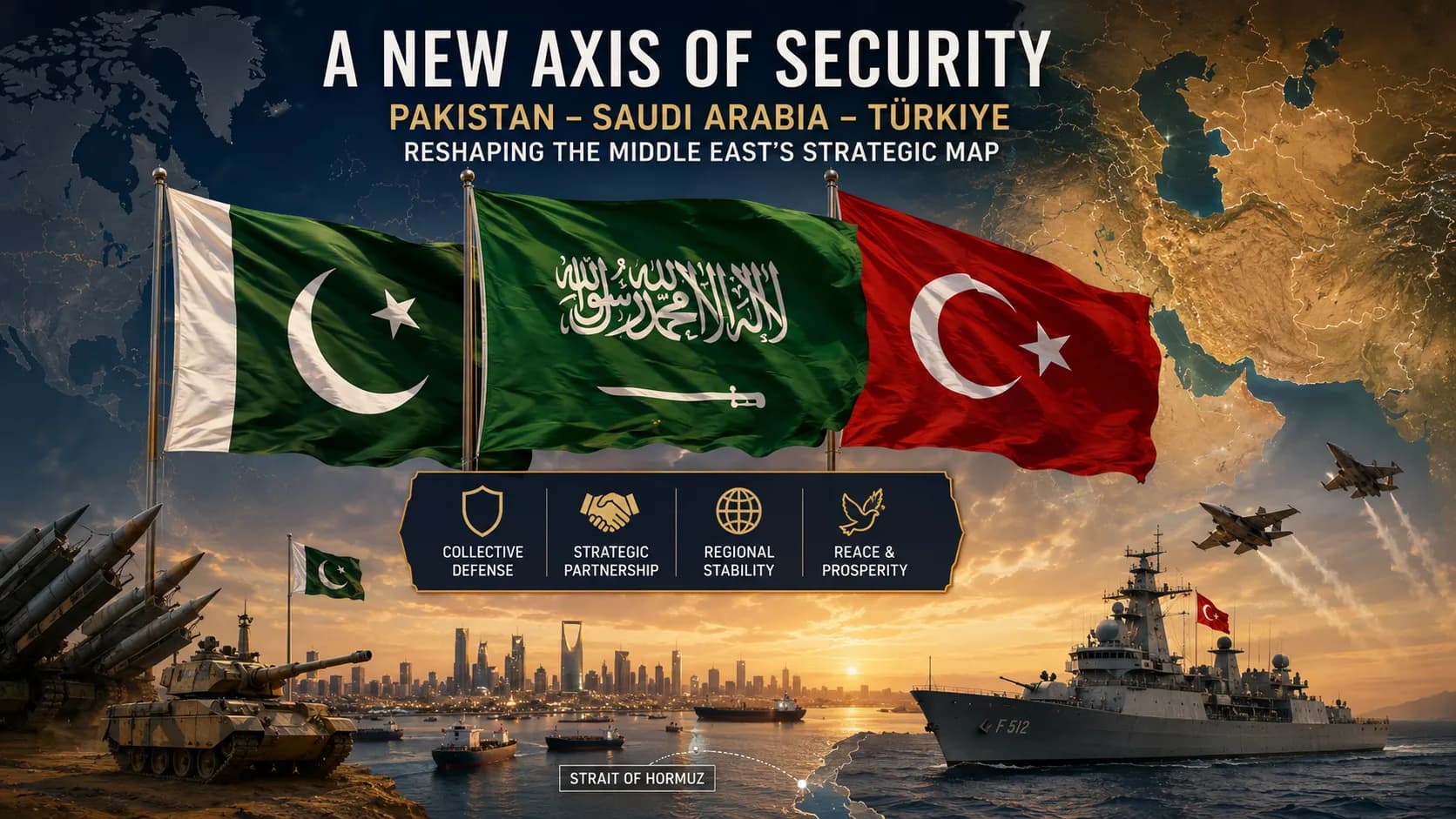
How the Pakistan–Saudi Arabia–Türkiye Defense Pact Could Redraw the Middle East's Strategic Map
On August 7, 2026, Saudi Arabia, Turkey, and Pakistan are expected to sign a landmark joint defense agreement in Jeddah. This trilateral pact, which builds upon a bilateral Strategic Mutual Defence Agreement signed between Saudi Arabia and Pakistan in September 2025, represents a significant realignment of Middle Eastern geopolitics. Coming amid the ongoing US Iran war, escalating Houthi attacks, and intense diplomatic maneuvering over the Strait of Hormuz, this alliance is not merely a reaction to immediate threats but a calculated long term strategy to reshape the regional security architecture.
The trilateral pact is the culmination of nearly a year of negotiations, with a draft agreement reportedly prepared as early as January 2026. The decision to finalize it now was accelerated by the "latest developments in the region," according to sources close to the Saudi government. However, its significance extends far beyond the current crisis.
This agreement is the most visible manifestation of the broader R4 framework, a four party regional mechanism comprising Egypt, Saudi Arabia, Turkey, and Pakistan. The R4 group has been meeting regularly to coordinate positions on regional security and diplomatic issues, with its foreign ministers holding their fifth meeting just two days before the Jeddah summit. During that meeting, the ministers underscored the importance of maintaining freedom of navigation in the Strait of Hormuz and urged a return to the US Iran memorandum of understanding. The trilateral defense pact effectively transforms this diplomatic coordination into a binding military commitment.
Pakistan's role in this emerging alliance is uniquely significant and fraught with complexity. As the Muslim world's only nuclear equipped state, Pakistan brings a deterrent capability that no other member can offer. The 2025 bilateral pact with Saudi Arabia already committed both sides to treat aggression against either as an attack on both, and Pakistani forces have already been deployed to Saudi Arabia under this agreement.
Simultaneously, Pakistan has positioned itself as the primary mediator between the United States and Iran. Islamabad hosted the first round of direct US Iran negotiations in April 2026 and signed the Islamabad Memorandum of Understanding in June. Tehran has explicitly described Pakistan as its "main mediator" with Washington. This dual role as both a guarantor of Saudi security and a mediator with Iran places Pakistan in an extraordinarily delicate position. Any military escalation that triggers the defense pact could immediately compromise its credibility as a neutral peace broker.
Turkey's participation in this pact marks a significant evolution in its Middle East policy. Ankara has played a diplomatic role in negotiations aimed at ending the war in Gaza, but this defense agreement represents a much deeper security commitment. Turkey brings considerable military capabilities, including one of NATO's largest standing armies, and its inclusion signals a shift away from the more transactional approach that has characterized Turkish Gulf relations in recent years.
The trilateral nature of the pact also serves to balance the alliance. While Pakistan and Saudi Arabia share deep historical ties, Turkey's presence introduces a degree of strategic diversity that prevents any single member from dominating the partnership. This is particularly important given the sometimes tense relationship between Turkey and Saudi Arabia in recent years.
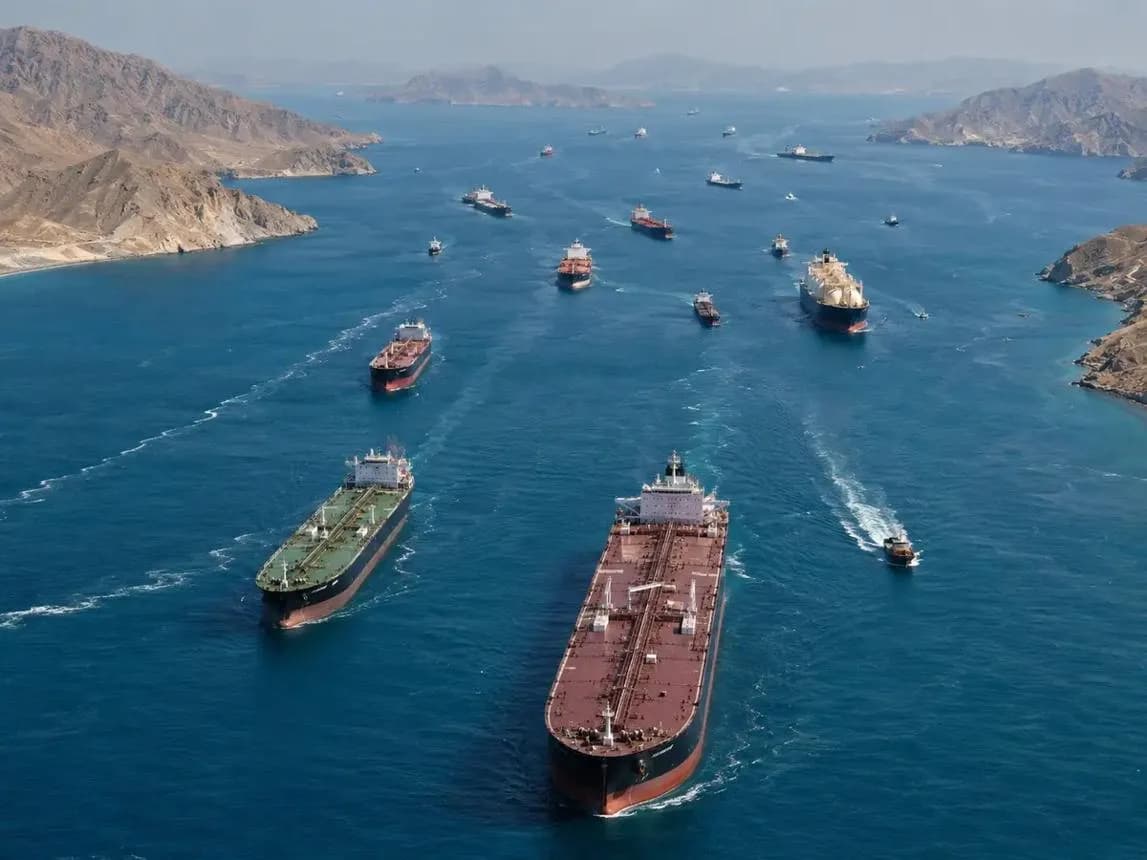
The timing of this agreement cannot be separated from the immediate security crisis engulfing the region. The US Iran war, which began on February 28, has drawn in several Gulf countries and paralyzed maritime traffic through the Strait of Hormuz. A deal to reopen the strait appears close, with Iran saying it is in the "final stage" of drafting an agreement with Oman, but significant differences remain over maritime security arrangements, sanctions, and the terms of a permanent agreement.
Meanwhile, Yemen's Iran backed Houthi rebels have escalated their attacks on Saudi territory. Just one day before the Jeddah summit, a Houthi attack on Saudi Arabia's southern Najran region injured eleven civilians, including a woman and a four year old child who suffered second degree burns. The Houthis have also claimed missile attacks on Saudi oil tankers, directly threatening the kingdom's economic lifeline. These attacks underscore the immediate security threats that the new alliance is designed to counter.
Despite its strategic logic, the trilateral defense pact raises several critical questions that demand scrutiny.
First, the nuclear dimension remains deeply ambiguous. While Pakistani officials have denied that the country's nuclear arsenal is part of the framework, other statements have suggested that Pakistan's nuclear capabilities would be "absolutely" available under the defense agreement. This ambiguity creates dangerous uncertainty. Any perception that Pakistan's nuclear deterrent now extends to Saudi Arabia could provoke counter moves from regional rivals and fundamentally alter the strategic balance.
Second, the pact risks entangling its members in conflicts they did not anticipate. Pakistan's mutual defense agreement with Saudi Arabia has already raised concerns that Islamabad could be drawn into the US Iran war. The trilateral expansion of this commitment only multiplies these risks. Each member has different threat perceptions and varying willingness to act in response. A crisis that triggers the pact for one member might not be seen as equally urgent by others.
Third, the relationship between this new alliance and existing US security arrangements remains unclear. Saudi Arabia and Turkey both maintain significant military ties with the United States, while Pakistan has a complex relationship with Washington that includes periods of close cooperation and profound tension. The R4 group's members also rely on US military muscle and technology to varying degrees. A defense pact that could potentially put them in opposition to US interests creates a fundamental strategic contradiction.
Fourth, the exclusion of other major regional powers, particularly Egypt despite its R4 membership, raises questions about the alliance's scope and ambition. While the R4 framework includes Egypt, the trilateral defense pact currently does not. This may reflect differing threat perceptions or simply a phased approach to alliance building, but it also highlights the limitations of the current arrangement.
The trilateral defense pact represents a decisive move toward regional self reliance in security matters. For decades, Gulf states have depended on external powers, primarily the United States, for their security. The US Iran war has exposed the limitations of this dependence and accelerated the search for alternative arrangements. The new alliance, with its combination of nuclear deterrence, conventional military capabilities, and diplomatic weight, offers a template for a more autonomous regional security architecture.
However, this realignment is not without risks. The pact could deepen existing rivalries, provoke counter alliances, and create new flashpoints. The International Crisis Group's Yasmine Farouk has noted that the R4 countries' interests are not perfectly aligned and that the real test will be whether they can help bring the Iran war to an end. The trilateral defense pact is a bold statement of intent, but its ultimate success will depend on whether its members can translate their shared interests into effective collective action.
As Crown Prince Mohammed bin Salman, President Recep Tayyip Erdogan, and Prime Minister Shehbaz Sharif meet in Jeddah, they are not merely signing a piece of paper. They are attempting to reshape the Middle East's strategic landscape. Whether this new architecture will bring stability or simply create new sources of tension remains to be seen. What is certain is that the old order is gone, and a new one is being forged in the crucible of conflict.
Uroosa Khan
Contributing writer at EUReflect.
Follow EUReflect
See more of our reporting on Google
Mark EUReflect as a preferred source and our stories are ranked higher for you in Top Stories, Discover and Google News — and carry a “preferred” badge when they are cited in AI results.
Add EUReflect as a preferred source