Tokayev’s Russia Proposal: What Are the Implications for EU–OTS Relations?
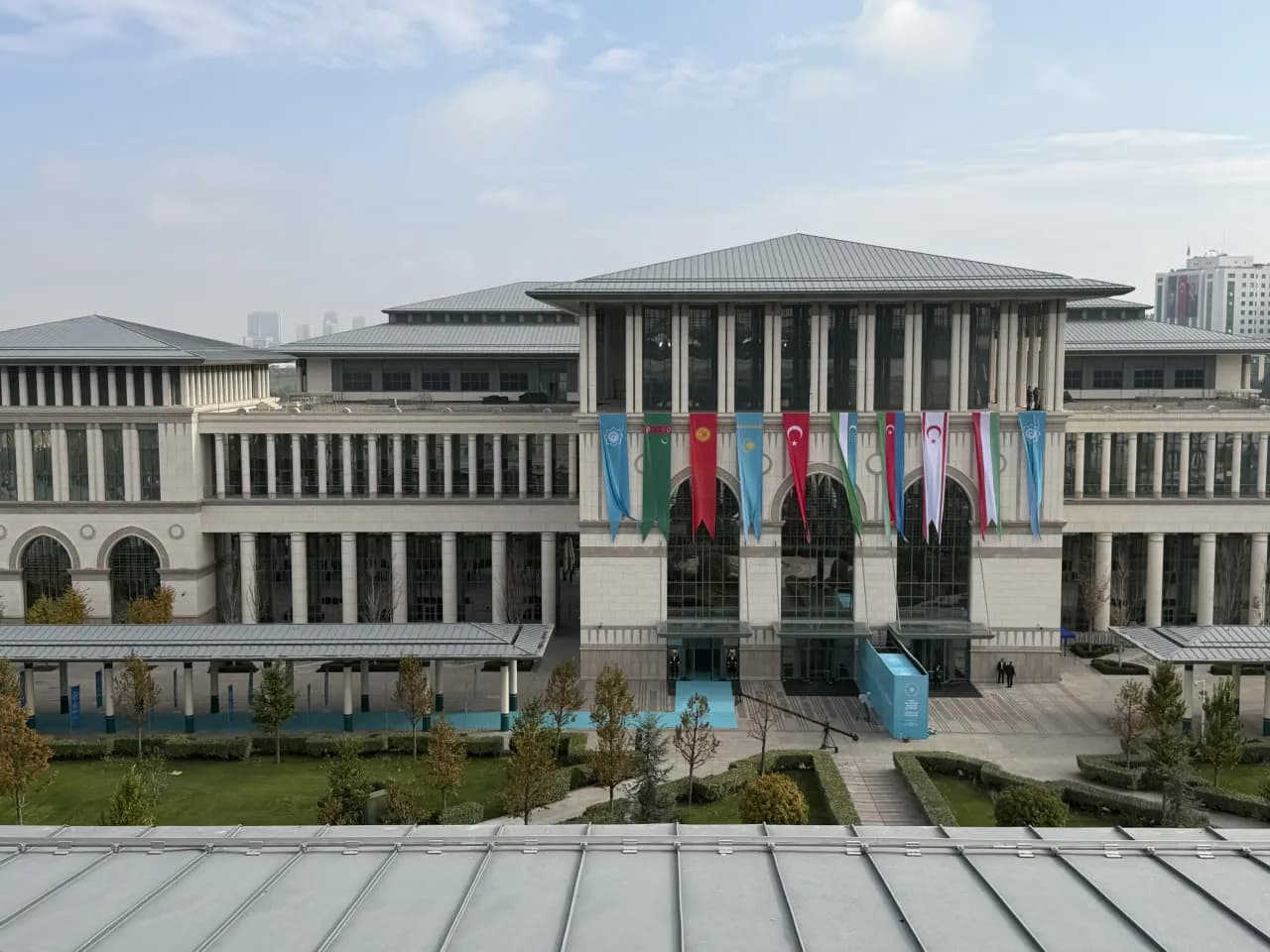
Kazakh President Kassym-Jomart Tokayev’s proposal to involve Russia in the Organization of Turkic States through the OTS+ framework or observer status raises an important question: can an organisation seeking wider international influence accommodate Moscow without complicating its members’ relations with Europe? The proposal, presented at the Ankara summit on 30 October, concerns possible participation, not an already approved Russian status.
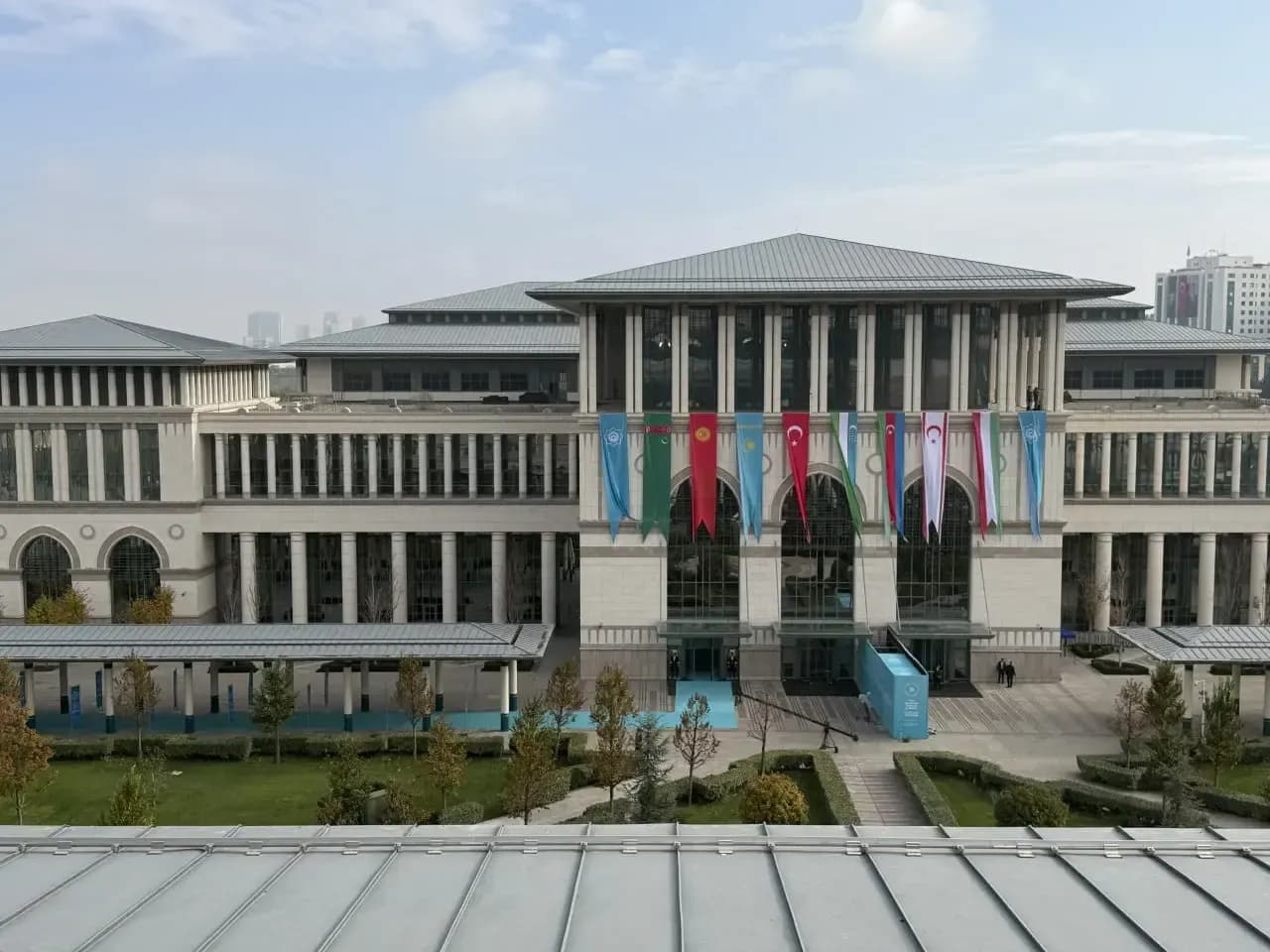
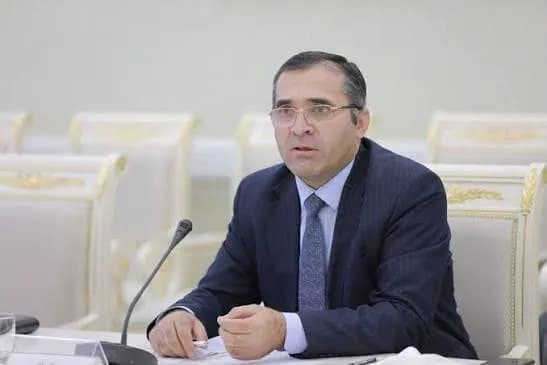
President Kassym-Jomart Tokayev has proposed granting Russia a role within the OTS+ framework of the Organization of Turkic States (OTS), or observer status. To understand his proposal, we must first understand Kazakhstan’s unique geopolitical position.
Kazakhstan’s geopolitical position
Kazakhstan shares a 7,644-kilometre border with Russia, the longest continuous land border between two countries in the world.
Russia remains an essential economic and logistical partner for Kazakhstan. Significant trade flows, transport infrastructure and energy export routes remain connected to Russian territory. The Caspian Pipeline Consortium, for example, plays a crucial role in transporting Kazakh oil to international markets.
By proposing a Russian role, Kazakhstan is arguably trying to prevent future geopolitical tensions rather than create new ones.
A multi-vector foreign policy: strategic autonomy, not geopolitical alignment
Since independence, Kazakhstan has pursued a multi-vector foreign policy, maintaining relationships with several competing centres of power.
Russia remains an important neighbour and partner. For a country situated between Russia and China, while seeking stronger connections with Europe and the wider Turkic world, this flexibility is a strategic asset.
Tokayev’s proposal can therefore be understood within this broader approach: maintaining dialogue with Russia while continuing to develop other partnerships.
Russia is not an outsider to the Turkic world
Russia is home to millions of people belonging to Turkic communities, including Tatars, Bashkirs, Chuvash, Sakha (Yakuts) and others.
From Kazakhstan’s perspective, there is therefore an argument for involving Russia in certain forms of institutional dialogue and cultural cooperation. However, observer status or OTS+ participation is fundamentally different from full membership.
Kazakhstan wants a stronger OTS
The organisation provides a platform for developing trade, transport connectivity, energy partnerships, digital cooperation, cultural diplomacy and regional coordination.
Tokayev’s proposal could therefore be interpreted as an attempt to protect the long-term development of the OTS, ensuring that stronger cooperation among Turkic states does not generate additional tensions with Russia.
What about EU–OTS relations?
The EU–OTS relationship already faces a difficult issue: the participation of the self-declared “Turkish Republic of Northern Cyprus” as an observer. The EU has explicitly opposed this status and recognises only the Republic of Cyprus as a subject of international law. [cyprus.rep....europa.eu]
The addition of Russia to an already politically sensitive framework could reinforce European concerns about the OTS’s evolving geopolitical identity. Much would depend on the nature of Russia’s participation and the influence it might exercise.
Hungary’s future political direction could also affect its role as one of the OTS’s gateways to Europe. Whether that role changes, however, should not be treated as an established outcome.
For Kazakhstan, the challenge would be to preserve its balancing strategy without weakening confidence among its European partners.
What does the OTS want to become?
Ultimately, Tokayev’s proposal raises a broader question: what does the OTS want to become?
A cultural and economic cooperation platform, a powerful geopolitical actor, or an independent Eurasian bloc capable of shaping the regional and international order?
The answer will influence not only the organisation’s relationship with Russia, but also its future relations with the European Union.
Related Topics
Derya Soysal
Contributing writer at EUReflect.
Follow EUReflect
See more of our reporting on Google
Mark EUReflect as a preferred source and our stories are ranked higher for you in Top Stories, Discover and Google News — and carry a “preferred” badge when they are cited in AI results.
Add EUReflect as a preferred source