UAE Exits OPEC: What Next?
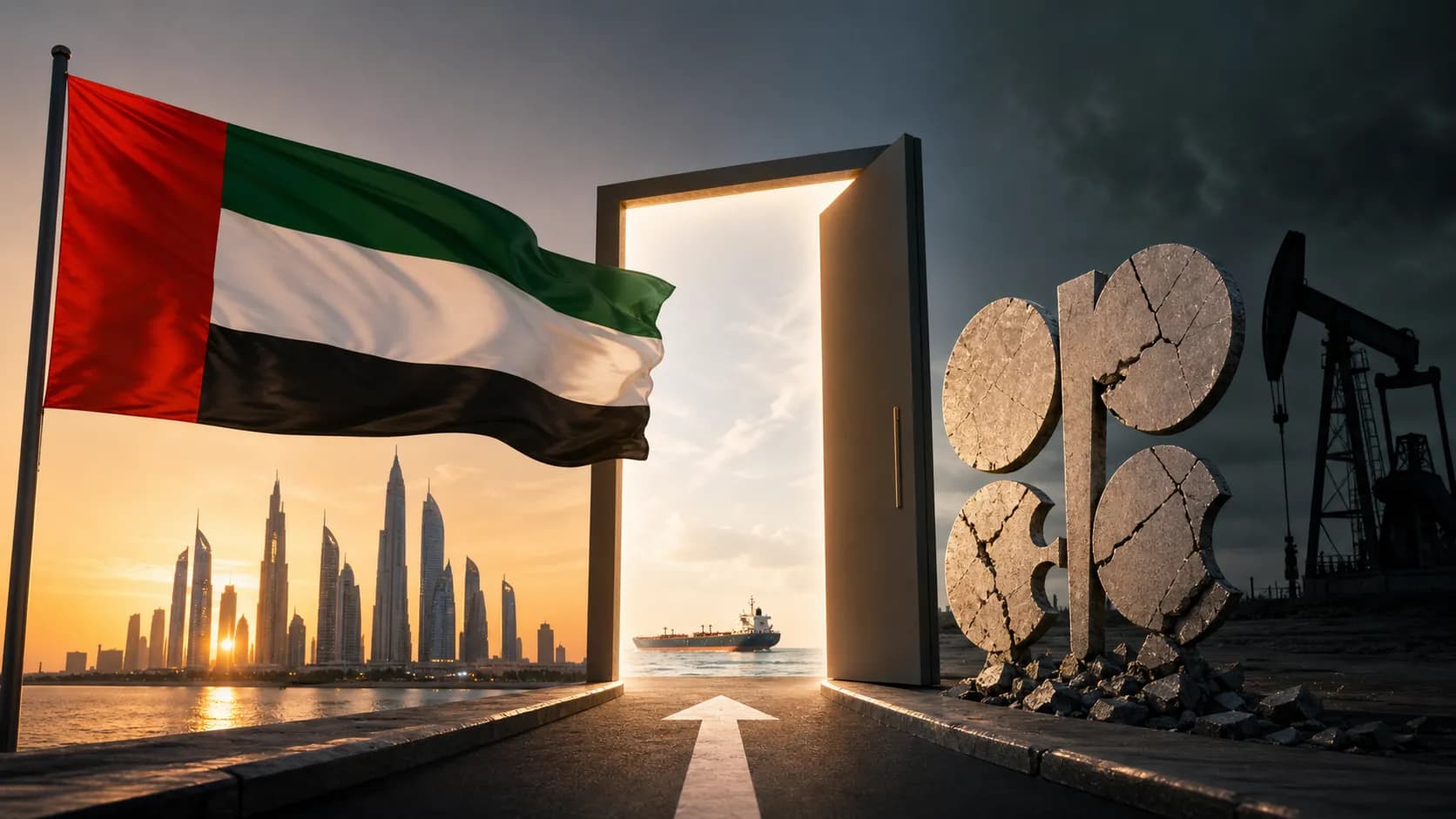
The United Arab Emirates' decision to leave OPEC is not a sudden temper tantrum but a calculated and long‑coming move. For nearly six decades, the UAE played the role of a loyal second‑tier member, quietly following production quotas set mainly by Saudi Arabia. That patience has run out. The core cause is economic. The UAE invested roughly $150 billion to raise its oil production capacity to nearly 5 million barrels per day, yet OPEC's rules forced it to leave about 30 percent of that capacity unused. In 2025 alone, this cost the country an estimated $12 billion in lost revenue. From a purely business perspective, staying inside a cartel that penalizes your success is irrational. The UAE therefore chose self‑interest over collective loyalty , a cold, hard calculation that defines its departure.
Politically, the exit exposes a deep and growing rift between the UAE and Saudi Arabia. For years, the two Gulf powers pretended to be united. In reality, their national strategies have diverged sharply. Saudi Arabia still needs high oil prices, ideally above $90 per barrel, to fund its grandiose projects. The UAE, with a far more diversified economy, can balance its budget at just $50 per barrel. This is not a small difference; it is a fundamental clash of models. One country wants scarcity and high prices; the other wants volume and market share. By quitting OPEC on the day of a Gulf summit hosted by Riyadh, the UAE delivered a deliberate signal of independence. The era of unquestioning Gulf unity is finished, and the region is now more unstable as a result.
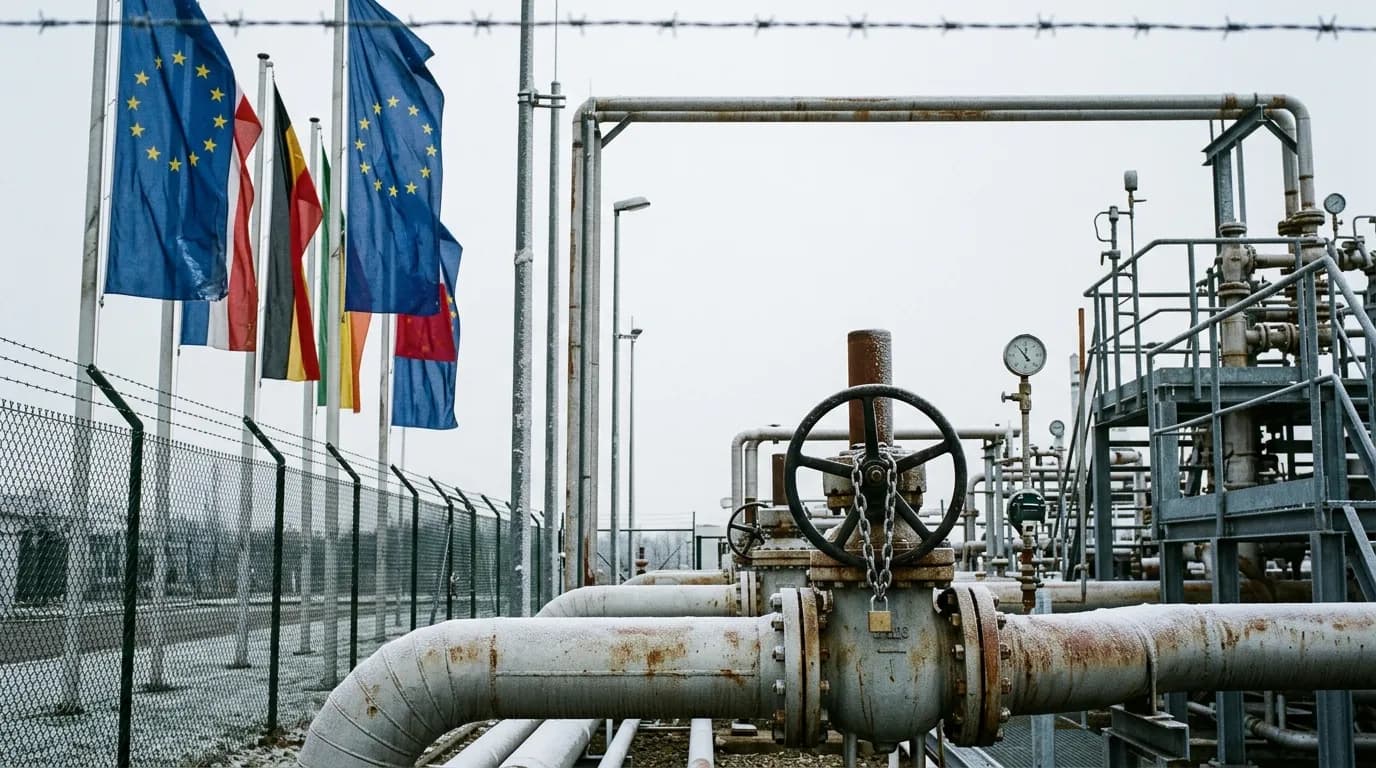
The global economic implications are significant but not immediate. In the short term, because the Strait of Hormuz remains largely blocked due to the ongoing war, the UAE cannot ship out much additional oil anyway. Global prices have already surged past $110 per barrel. However, once the strait reopens, the UAE plans to add up to 1.5 million extra barrels per day to world markets. This will put downward pressure on prices over the long term. More dangerously, OPEC has lost one of its two main holders of spare capacity. With only Saudi Arabia left to calm markets, future oil price swings could be more violent. Poor importing nations will suffer the most from this volatility.
The ongoing war involving Iran has created a highly unstable environment across the Middle East, and this instability directly shaped the UAE's decision to quit OPEC. From a neutral standpoint, the war has disrupted oil flows, damaged infrastructure, and shifted security calculations for every Gulf country. The closure of the Strait of Hormuz whether by Iranian action or as a result of broader conflict has blocked nearly 20 percent of global seaborne oil, including a large portion of the UAE's exports. This blockade made the UAE's production capacity worthless on paper because the oil could not reach buyers. At the same time, Iran's military capabilities, including missiles and drones, have proven able to strike deep into Emirati territory. Whether these strikes were justified or not is a matter of perspective, but their effect is clear: the UAE felt vulnerable. Staying in OPEC while coordinating policy with an adversary became a contradiction the UAE could no longer accept.
Regionally, the UAE's departure reshuffles alliances. The country has moved openly toward the United States and Israel, seeking advanced defense systems and firm security guarantees. This pleases Washington, but only partly. The United States is happy to see OPEC weakened, yet alarmed because the UAE has also signaled a willingness to trade oil in Chinese yuaninstead of dollars. Such a shift would erode the dollar's global dominance over time. Meanwhile, China quietly celebrates. A free UAE means more direct deals, more joint refineries, and more oil priced in renminbi. The geopolitical map is being redrawn along transactional lines, not ideological ones. Old loyalties matter less than immediate benefits.
Socially, the UAE's leadership is selling this exit as a step toward a "post‑oil" future. Ordinary Emiratis are told that oil revenue will now be used more efficiently to build technology hubs, tourism destinations, and financial centers. There is genuine pride in the country's independence. Yet a critical view must note the risk. Without OPEC's stabilizing hand, the UAE is now directly exposed to the boom‑and‑bust cycles of the global oil market. A sudden price crash could shrink government revenues, force cuts to public services, and create social discontent. The gamble is real: the UAE is trading collective security for national freedom, and the outcome is far from certain.
Therefore, the UAE's exit from OPEC is a landmark event, driven by economic self‑interest, political rivalry with Saudi Arabia, and security fears worsened by the Iran war. It weakens OPEC and introduces new volatility into global energy markets. Critically, it is not a reckless act but a calculated risk. Whether that risk pays off will depend on how quickly the Iran war ends, how stable the Gulf remains, and whether the UAE can truly build an economy that no longer needs high oil prices. One thing is clear: the old order of a single cartel managing world oil is crumbling, and every country is now on its own.
Uroosa Khan
Contributing writer at EUReflect.
Follow EUReflect
See more of our reporting on Google
Mark EUReflect as a preferred source and our stories are ranked higher for you in Top Stories, Discover and Google News — and carry a “preferred” badge when they are cited in AI results.
Add EUReflect as a preferred source