Europe Accelerates Energy Transition
Renewables generated more electricity than fossil fuels in the EU for the first time last year, as wind and solar capacity expands.
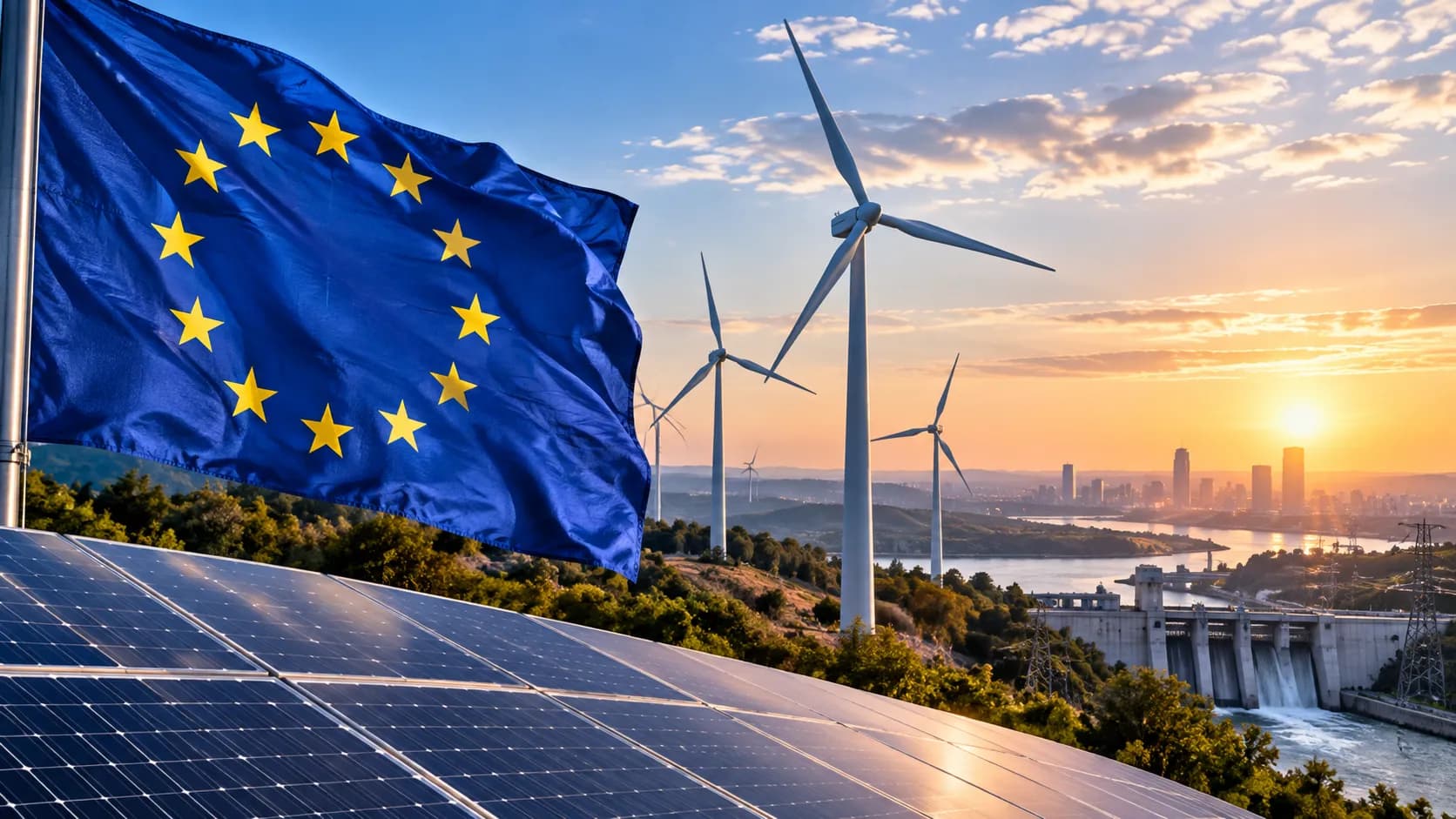
Europe’s energy landscape is entering another decisive phase as geopolitical uncertainty, volatile global markets and the push for greater strategic autonomy accelerate investment in renewable energy and domestic electricity infrastructure.
Recent developments indicate that energy policy in Europe is increasingly being shaped by two objectives that were once treated separately: achieving the green transition and protecting the continent’s energy security.
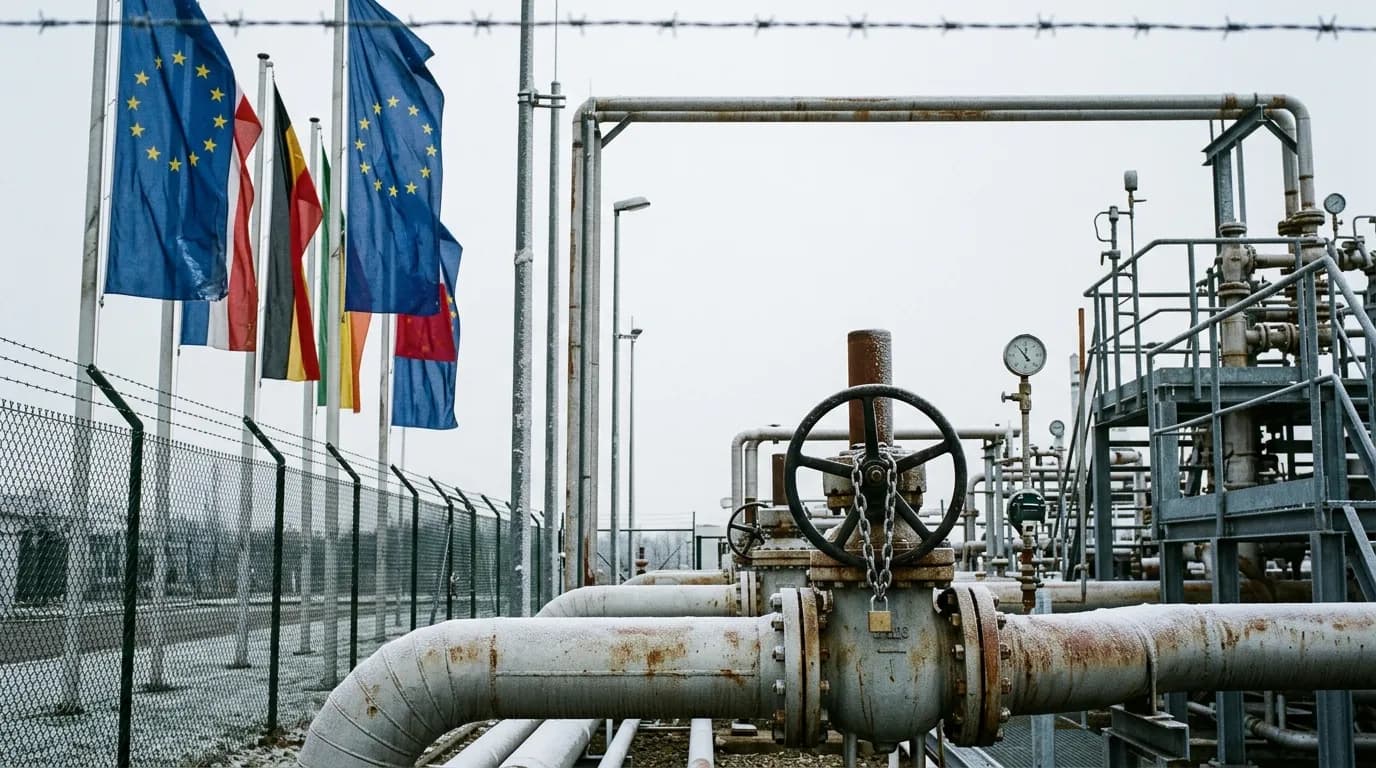
According to the European Commission’s latest assessment, European Union member states currently face no immediate threat to gas security despite storage levels being lower than in previous years. The Commission argues that Europe is considerably better prepared than during the 2021–2022 energy crisis, particularly because of greater diversification of suppliers, expanded LNG import capacity and lower overall gas demand.
Nevertheless, geopolitical developments continue to expose Europe to significant risks. Instability in the Middle East and disruptions affecting LNG supplies have contributed to uncertainty in international energy markets. Heatwaves have also increased European demand for gas-fired electricity generation, adding another dimension to the continent’s energy-security calculations.
Renewable Energy Gains New Strategic Importance
Against this background, renewable energy is becoming more than an environmental policy instrument. It is increasingly regarded as an essential component of European strategic autonomy.
Europe installed approximately 8.8 GW of new wind capacity during the first half of 2026, around 33% more than during the corresponding period in 2025, according to WindEurope figures reported by Reuters. Germany and new offshore connections were important contributors to this expansion.
The broader transformation is equally significant. Wind and solar together generated more electricity in the European Union than fossil fuels for the first time last year, illustrating how rapidly the structure of European power generation is changing.
Geopolitical pressure is providing further momentum. Governments in Europe and elsewhere are seeking to accelerate renewable-energy deployment as disruptions to international fossil-fuel markets demonstrate the economic and strategic risks associated with import dependence.
Energy Security Becomes an Investment Priority
Europe is simultaneously increasing investment in the infrastructure required to maintain electricity security.
On 2 September, the European Commission approved a German capacity mechanism worth up to €35 billion, designed to secure adequate electricity generation capacity from 2031.
Meanwhile, the European Investment Bank recently approved €9.2 billion in new financing aimed at strengthening European competitiveness, supporting the energy transition and increasing strategic autonomy.
These measures suggest that European energy policy is moving beyond a narrow focus on decarbonisation. Renewable generation, electricity grids, storage capacity, LNG infrastructure, energy efficiency and technological innovation are increasingly being viewed as interconnected elements of economic and national security.
From Energy Transition to Strategic Autonomy
The direction of European policy is therefore becoming clearer: reducing dependence on imported fossil fuels is simultaneously a climate objective, an economic strategy and a geopolitical necessity.
The EU’s new electrification agenda reflects this shift. The European Commission’s energy strategy and Electrification Action Plan seek to expand the role of clean electricity across transport, heating and industry while reducing fossil-fuel dependence.
Europe may still face considerable challenges, including high energy costs, infrastructure requirements, market volatility and geopolitical disruption. Yet the emerging model increasingly connects renewable energy with industrial competitiveness and strategic resilience.
The European energy transition is therefore no longer simply about replacing fossil fuels with cleaner alternatives. It is becoming part of a wider effort to determine how Europe protects its economy, strengthens its technological and industrial capacity, and secures greater control over its energy future.
Alvara Merrick
Contributing writer at EUReflect.
Follow EUReflect
See more of our reporting on Google
Mark EUReflect as a preferred source and our stories are ranked higher for you in Top Stories, Discover and Google News — and carry a “preferred” badge when they are cited in AI results.
Add EUReflect as a preferred source