Iraq’s Energy Vulnerability: The Impact of Iranian Gas Supply Disruptions
Iraq’s heavy reliance on Iranian gas—supplying nearly 40% of its energy needs—has made its power sector highly vulnerable to external shocks. Recent supply interruptions have led to major electricity losses, deepening the country’s ongoing energy crisis, particularly in central and southern regions.
Article
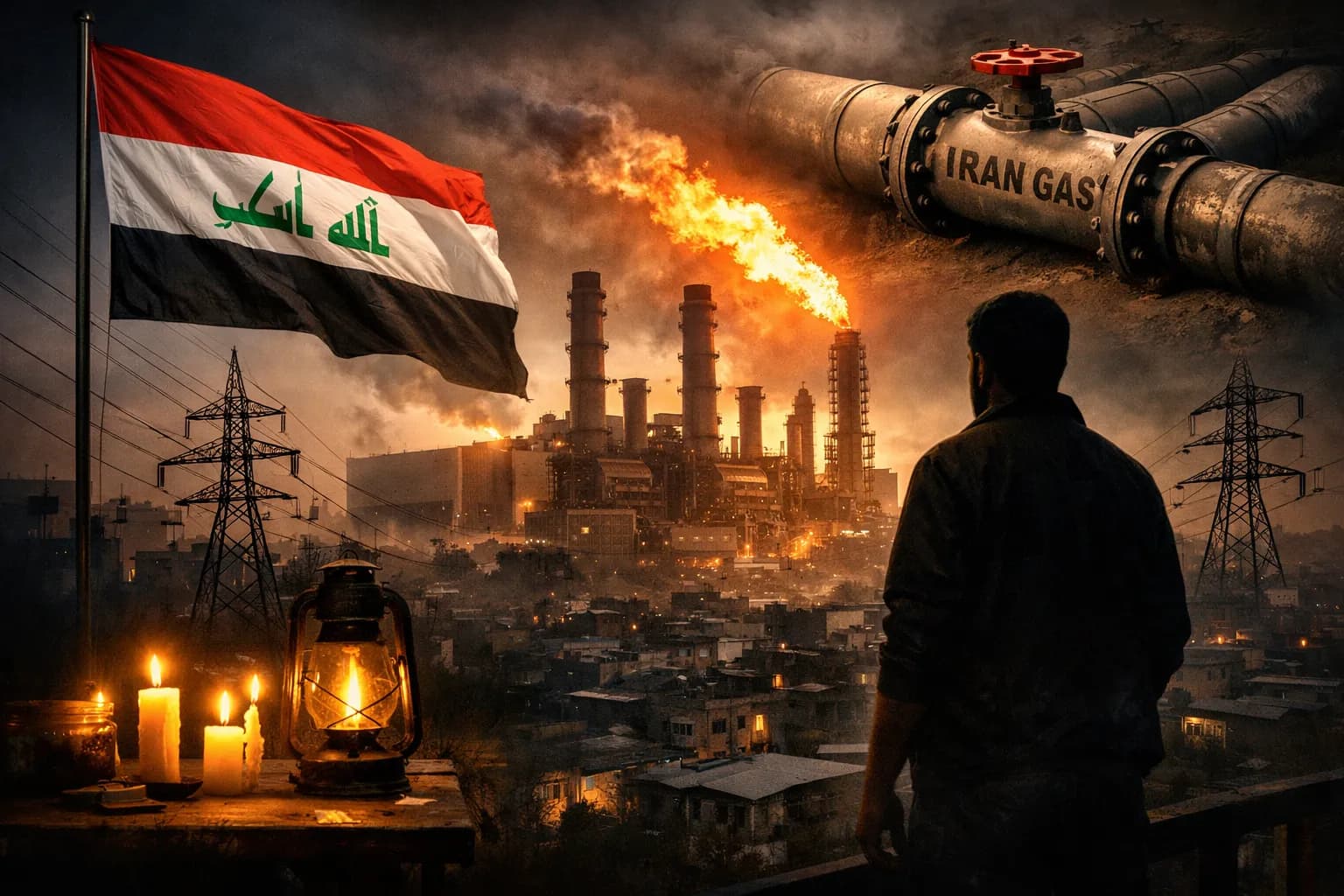
Iraq’s electricity sector continues to face chronic instability, largely due to its dependence on imported natural gas from Iran. With nearly 40% of its gas supply coming from across the border, any disruption in Iranian exports has immediate and widespread consequences for the country’s power generation capacity.
Recent supply cuts have once again exposed this vulnerability. Reports indicate that Iraq has lost around 3,200 megawatts of electricity generation capacity due to reduced gas flows. This follows previous disruptions that caused losses of up to 8,000 megawatts, highlighting a recurring and systemic issue rather than a temporary setback.
Why Iranian Gas Matters
Iraq relies on gas-fired power plants to meet a significant portion of its electricity demand. However, domestic gas production has not kept pace with growing consumption, forcing the country to depend heavily on imports. Iranian gas is particularly critical because it feeds key power stations, especially in central and southern regions where population density and energy demand are highest.
When gas supplies are interrupted—whether due to technical issues, financial disputes, or geopolitical tensions—these power plants cannot operate at full capacity. The result is immediate electricity shortages, longer blackout hours, and increased pressure on an already fragile grid.
Impact on Daily Life and Economy
The consequences of these disruptions go beyond technical energy deficits. Millions of Iraqis experience extended power outages, particularly during extreme weather conditions such as the intense summer heat. This affects households, hospitals, businesses, and essential services.
Economically, unreliable electricity supply hampers industrial productivity and discourages investment. Many businesses are forced to rely on expensive private generators, increasing operational costs and ultimately affecting prices for consumers.
Structural Challenges
The repeated nature of these crises points to deeper structural problems within Iraq’s energy sector. These include:
Insufficient domestic gas capture and processing infrastructure
Aging power plants and transmission networks
Financial and administrative inefficiencies
Overreliance on a single external supplier
Despite having significant natural gas reserves, Iraq still burns large amounts of associated gas during oil production due to lack of infrastructure—a practice known as gas flaring. This wasted resource could otherwise be used to reduce dependence on imports.
Possible Solutions
To address these challenges, Iraq needs a long-term, multi-faceted strategy:
Investing in domestic gas production to utilize currently flared resources
Diversifying energy sources, including renewable energy such as solar power
Upgrading power infrastructure to improve efficiency and reduce losses
Strengthening regional energy partnerships to avoid reliance on a single supplier
Conclusion
The disruption of Iranian gas supplies is not just a temporary inconvenience it is a clear indicator of Iraq’s energy vulnerability. Without decisive reforms and investment in domestic capacity, the country will remain exposed to recurring power crises. Addressing these issues is essential not only for energy security but also for economic stability and the well-being of its population.
Abbas Al-Zuhairy
Contributing writer at EUReflect.
Follow EUReflect
See more of our reporting on Google
Mark EUReflect as a preferred source and our stories are ranked higher for you in Top Stories, Discover and Google News — and carry a “preferred” badge when they are cited in AI results.
Add EUReflect as a preferred source