Oil, Uranium and Critical Minerals: Why Kazakhstan Matters to Europe
The EU is Kazakhstan's largest trading partner, with mineral products dominating exports, while Astana seeks to diversify its economy beyond raw materials.
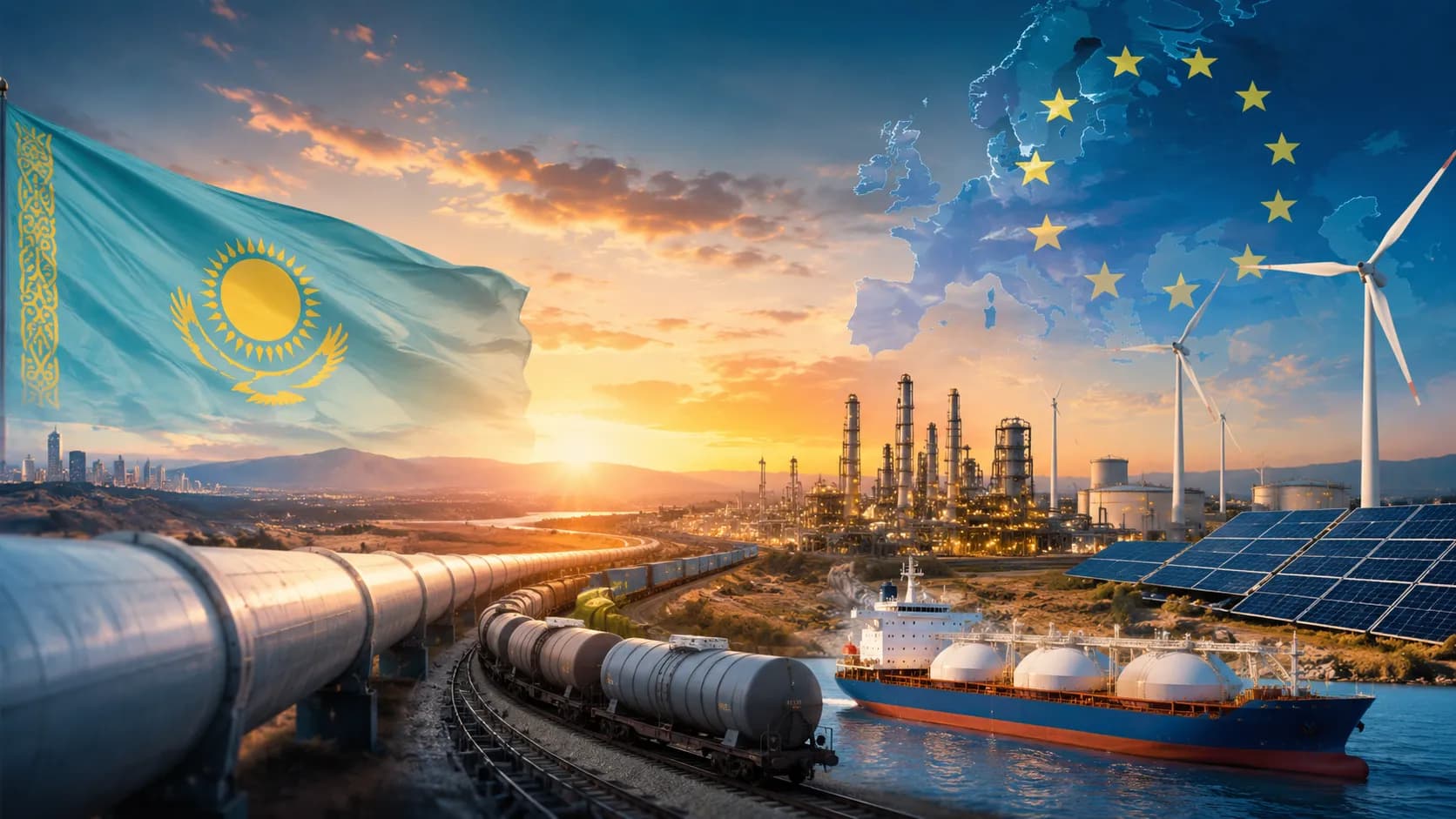
The European Union’s efforts to diversify its energy sources and critical raw material supply chains are giving its relations with Kazakhstan a new strategic dimension. Yet this emerging partnership is not a one-way relationship driven solely by Europe’s energy needs. While the EU diversifies its energy supplies, Kazakhstan gains an opportunity to diversify its export routes, investment sources and economic partnerships.
The evolving energy architecture between Brussels and Astana is therefore increasingly based on complementary interests and mutual gains.
A Reliable Supplier for Europe, a Major Market for Kazakhstan
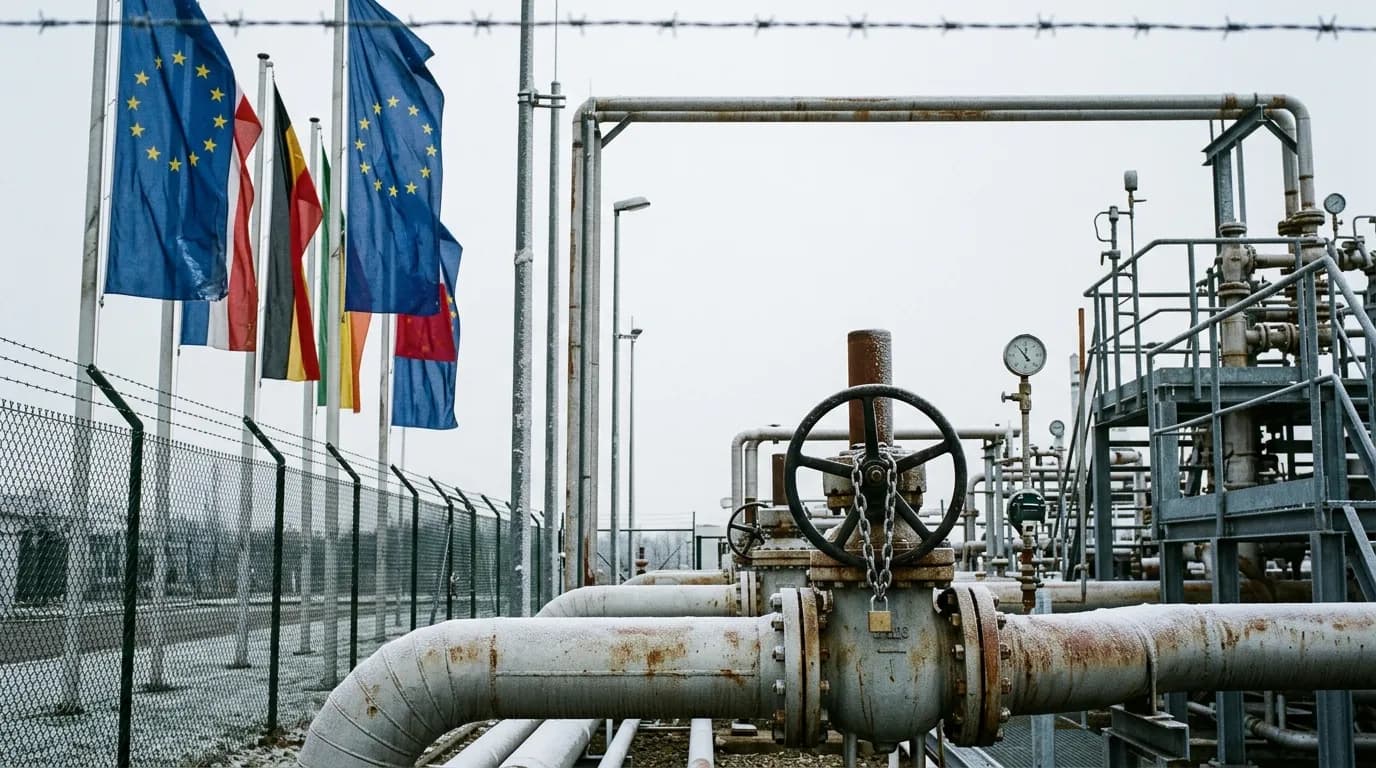
Energy remains at the heart of economic relations between Kazakhstan and the European Union. European Commission data show that mineral products, particularly oil, gas and uranium, dominate Kazakhstan’s exports to the EU. At the same time, the EU remains one of Kazakhstan’s most important trade and investment partners. (European Commission)
This creates a complementary relationship.
For Europe, Kazakh oil provides an important alternative that can reduce excessive dependence on a limited number of suppliers. For Kazakhstan, the European market provides a large, high-value and long-term customer base for its hydrocarbon exports.
The relationship therefore goes beyond the simple formula of “Europe buying energy from Kazakhstan.” While Europe strengthens its security of supply, Kazakhstan strengthens its security of demand.
Uranium: The Second Strategic Pillar
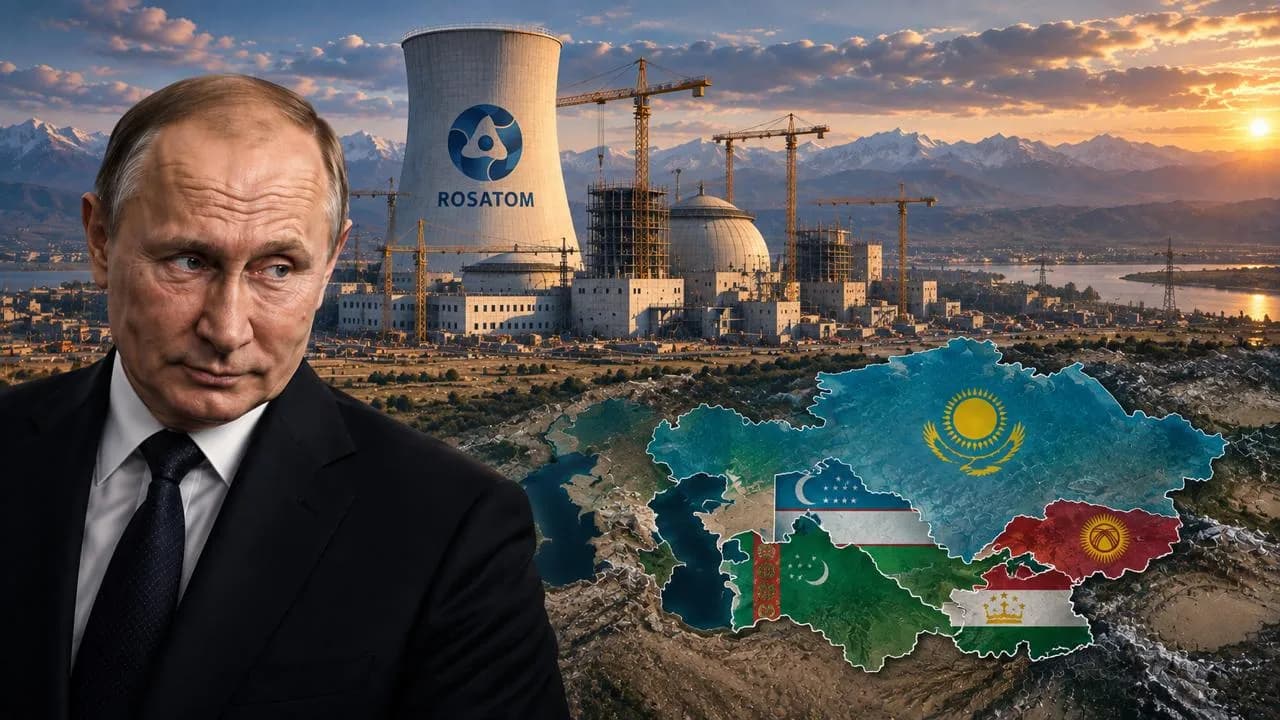
Kazakhstan’s importance is not limited to oil. The country is the world’s leading uranium producer and an important supplier to Europe’s nuclear energy sector.
According to the World Nuclear Association, Kazakhstan produced approximately 23,270 tonnes of uranium in 2024, accounting for roughly 39% of global uranium mine production.
This creates another area of mutual benefit.
The EU can strengthen the resilience of its nuclear energy system by diversifying nuclear fuel supplies. Kazakhstan, meanwhile, has an opportunity to move beyond its traditional role as a raw uranium exporter and develop higher-value cooperation with Europe in nuclear fuel processing, technology, research and peaceful nuclear energy.
At their June 2026 meeting, EU and Kazakh leaders explicitly highlighted Kazakhstan’s role as an important supplier of oil and uranium to Europe while pointing to further cooperation opportunities in civilian nuclear energy. (European External Action Service)
Critical Raw Materials Could Become a New Economic Bridge
Critical raw materials could become one of the most important pillars of the future EU-Kazakhstan relationship.
Kazakhstan possesses significant deposits of minerals needed for Europe’s green and digital transformation. Electric vehicles, batteries, renewable energy infrastructure, defence technologies and advanced manufacturing all depend on secure supplies of these materials.
Kazakhstan has the potential to supply 21 of the 34 raw materials classified as critical by the EU, highlighting the country’s importance in Europe’s efforts to build more diversified supply chains.
The interests of both sides again complement each other.
For the European Union, the benefit is greater security and diversification in critical mineral supply chains.
For Kazakhstan, the opportunity is to move beyond exporting raw minerals and develop domestic processing, refining and higher-value manufacturing.
The Strategic Partnership on Sustainable Raw Materials, Batteries and Renewable Hydrogen Value Chains signed by Kazakhstan and the EU in 2022 was designed around precisely this objective. It extends beyond mining to processing, manufacturing, recycling, investment, research and technological cooperation. (European Commission)
If successfully implemented, Europe could strengthen its access to strategic materials while Kazakhstan accelerates its industrial development.
European Investment Could Support Kazakhstan’s Transformation
For Kazakhstan, one of the most important long-term benefits of deeper cooperation with the EU is access to European investment and technology.
Mining, renewable energy, hydrogen production and mineral-processing facilities all require substantial capital and advanced technologies.
The EU-Kazakhstan strategic partnership therefore includes not only trade but also private investment, industrial modernization, research and innovation, skills development and knowledge transfer. (EU Global Gateway)
This is particularly important for Kazakhstan’s economic diversification strategy.
Astana’s long-term challenge is to move from an economic model largely based on extracting and exporting commodities toward one in which more resources are processed domestically and transformed into higher-value products.
European capital, technology and industrial expertise could play an important role in that transition.
Green Hydrogen Offers Another Opportunity
Renewable hydrogen could become another pillar of cooperation.
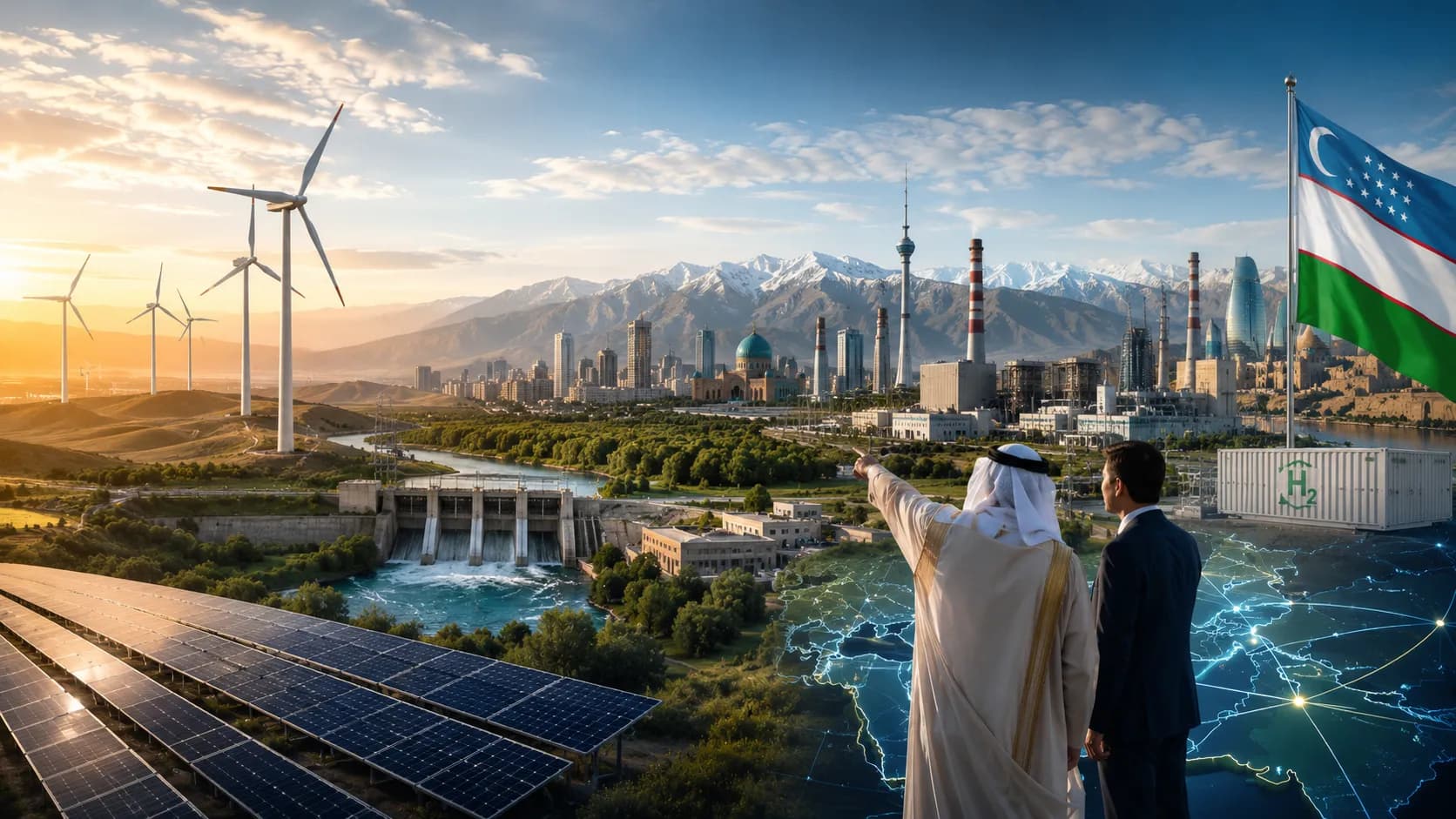
Kazakhstan’s vast territory and strong wind and solar potential provide opportunities for large-scale renewable energy development. Europe, meanwhile, will require significant volumes of low-carbon and renewable energy as it seeks to decarbonize its industrial base.
The EU’s Global Gateway cooperation with Kazakhstan therefore identifies the development of renewable hydrogen value chains as a strategic area. (European Commission)
For Europe, this could provide access to another future clean-energy source. For Kazakhstan, it could help establish a new export industry and prepare the economy for a world in which hydrocarbons gradually play a smaller role.
The Middle Corridor as a Geopolitical Insurance Policy
The full potential of the energy and raw materials partnership will also depend on transport infrastructure.
Kazakhstan’s reliance on routes passing through Russia represents a strategic vulnerability. This makes the Trans-Caspian International Transport Route, or Middle Corridor, connecting Kazakhstan through the Caspian Sea, Azerbaijan, Georgia and Türkiye to Europe increasingly important.
For Europe, the corridor provides an additional route to Central Asian energy resources and critical materials.
For Kazakhstan, it provides greater access to European markets while reducing dependence on a single transit direction.
The strategic importance of the Trans-Caspian corridor was again emphasized during the June 2026 EU-Kazakhstan talks. The sides also welcomed a €150 million European Investment Bank agreement supporting transport connectivity. (European External Action Service)
This means the Middle Corridor is becoming more than a logistics project. It is increasingly connected to the energy, trade and economic security strategies of both Kazakhstan and Europe.
From Energy Trade to Industrial Partnership
The real potential of EU-Kazakhstan relations becomes clearer when the partnership is viewed beyond oil trade.
Europe needs diversified energy supplies, uranium, critical raw materials, alternative transport routes and resilient supply chains.
Kazakhstan needs large export markets, investment, technology, industrial development, alternative transport corridors and new sectors capable of reducing its dependence on hydrocarbons.
These needs are highly complementary.
EU and Kazakh leaders in June 2026 expressed their intention to deepen cooperation in strategic sectors including energy, critical raw materials, transport, digitalization and emerging technologies. The two sides have also emphasized greater private-sector investment and the development of higher-value projects. (European External Action Service)
Conclusion: From Energy Security to Shared Economic Security
The greatest strength of the EU-Kazakhstan energy partnership is that one side’s gain does not have to come at the expense of the other.
For Europe, Kazakhstan represents greater diversification in oil and uranium supplies, access to critical raw materials and stronger connectivity with Central Asia.
For Kazakhstan, Europe represents much more than a major market for energy and minerals. It offers access to investment, technology, industrial expertise, green-transition opportunities and alternative trade corridors.
The key question for the future is therefore not simply how much oil, uranium or critical minerals Kazakhstan can export to Europe, but how much shared economic value the two sides can create around these resources.
If more critical minerals are processed in Kazakhstan, European investment supports new industrial facilities, renewable hydrogen projects move from planning to implementation, and Trans-Caspian connectivity continues to expand, the relationship could evolve beyond the traditional supplier-buyer model.
In such a partnership, Europe strengthens its energy and raw-material security, while Kazakhstan advances economic diversification, industrialization and strategic autonomy.
The long-term significance of the EU-Kazakhstan partnership therefore lies not only in energy security, but in its potential to create shared economic security, industrial growth and geopolitical resilience.

İsmail Polat
Ph. D. in International Relations
Follow EUReflect
See more of our reporting on Google
Mark EUReflect as a preferred source and our stories are ranked higher for you in Top Stories, Discover and Google News — and carry a “preferred” badge when they are cited in AI results.
Add EUReflect as a preferred source