Is Europe Facing an Unexpected Winter Energy Blackout?
As potential U.S. diesel export restrictions threaten to deepen Europe’s energy crisis, the EU has spent an extra €100 billion on imports while getting zero additional fuel. With Strait of Hormuz disruptions pushing crude past $110, Brussels is urging mandatory consumption cuts while accelerating its push toward energy sovereignty.
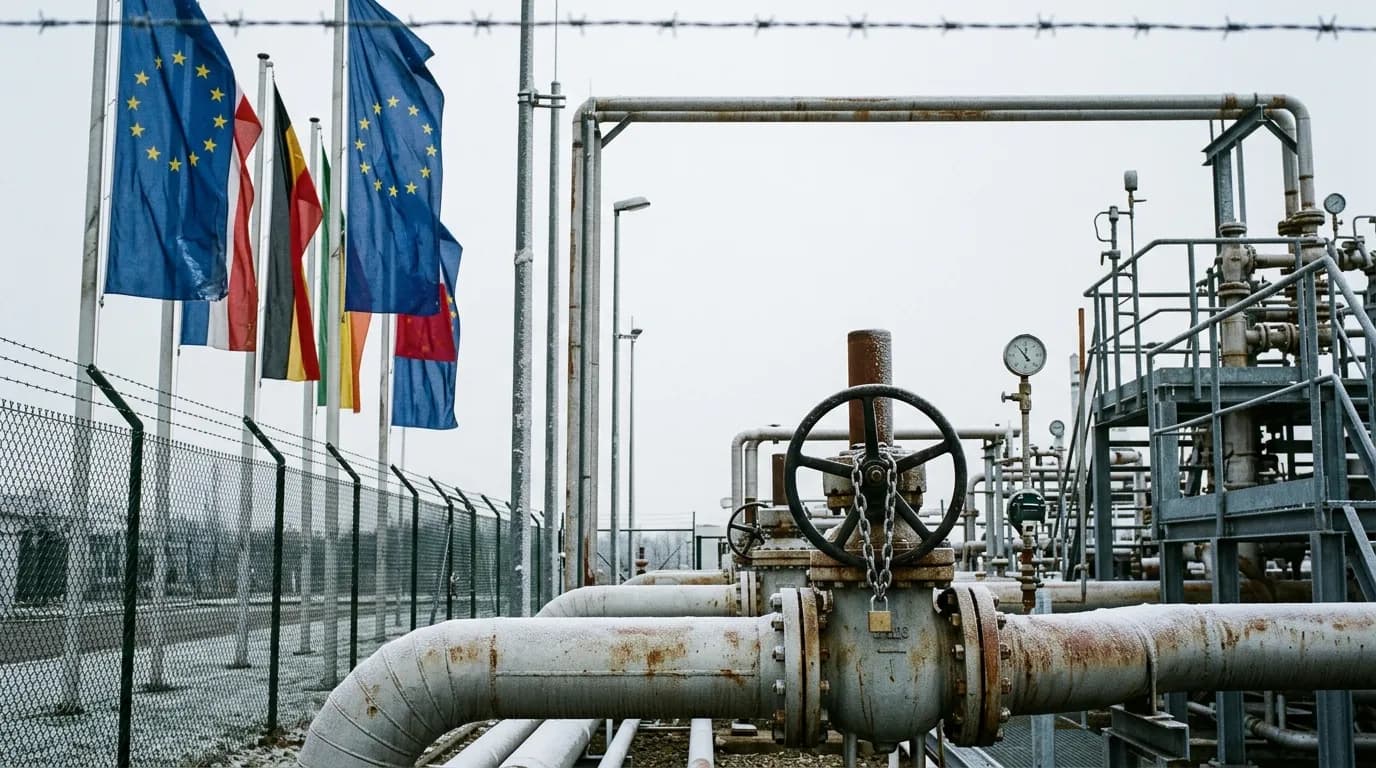
The European Union is taking immediate protective measures to insulate the bloc’s economy from a severe winter energy shortage as geopolitical unrest and shifting trade policies threaten critical fuel imports. Amid rising market pressures linked to concurrent military conflicts in Iran and Ukraine, European energy officials are closely monitoring signaling from Washington regarding a proposed restriction on U.S. diesel exports. In response to potential shortfalls, European Energy Commissioner Dan Jørgensen has issued direct guidance to all 27 EU member states, recommending a proactive reduction in natural gas and electricity consumption across the continent for as long as deemed necessary to preserve critical reserves.
The heightened anxiety across European capitals stems from recent policy considerations expressed by U.S. President Donald Trump, who confirmed that his administration is evaluating an export embargo on refined fuels to stabilize domestic prices. A complete or partial ban would hit the European market hard, given that Europe currently relies on the United States for roughly half of its foreign diesel imports. The timing is particularly problematic, as nearly 20% of Europe’s foreign fuel imports are already disrupted due to maritime blockades in the Strait of Hormuz—a vital trade route handling a fifth of global petroleum supply. Consequently, benchmark Brent crude has soared past $110 per barrel, triggering pump price increases of nearly 50% across several EU economies.
Despite the mounting risks, European officials maintain a cautious optimism that Washington will refrain from enacting the proposed embargo. Speaking at a gathering of energy ministers in Dublin, Commissioner Jørgensen noted that he conveyed a direct message to U.S. Energy Secretary Chris Wright, emphasizing that restricting fuel exports would damage both transatlantic trade and broader geopolitical stability. Welcoming initial statements from Secretary Wright indicating reluctance to implement the ban, Jørgensen called for maintaining open energy flows during volatile market conditions. To encourage transatlantic cooperation, the European Commission has also signaled a willingness to explore a one-year delay on upcoming regulatory methane rules affecting international fuel suppliers.
The current price shock highlights a persistent structural weakness in the European economy. According to official estimates from the European Commission, EU member states have expended over €100 billion in extra costs for foreign energy imports since the outbreak of hostilities involving Iran—a massive expenditure that has yielded no increase in the physical volume of imported oil or gas. Addressing ministers in Dublin, Jørgensen emphasized that while the bloc successfully dismantled its historic reliance on Russian hydrocarbons, substituting one foreign energy source for another leaves European industries and household consumers perpetually exposed to external market shocks and supply chain friction.
To break this cycle of external vulnerability, European policymakers are attempting to leverage the crisis to accelerate internal market reforms. Commission leadership has reiterated that the long-term solution to volatile global oil markets lies in replacing foreign fossil fuel reliance with internally generated clean energy. By pushing forward the EU electrification action plan and negotiating an expanded regional grid infrastructure package, European institutions aim to swap costly imported fuel molecules for sovereign, green electricity, thereby reinforcing the continent’s strategic autonomy and economic resilience over the coming decade.
Related Topics
Botakoz Unbayeva
Contributing writer at EUReflect.
Follow EUReflect
See more of our reporting on Google
Mark EUReflect as a preferred source and our stories are ranked higher for you in Top Stories, Discover and Google News — and carry a “preferred” badge when they are cited in AI results.
Add EUReflect as a preferred source