Iceland's Prime Minister Kristrún Frostadóttir captured Turkish public attention at the NATO Summit in Ankara through her approachable demeanor, her visit to the Presidential Complex, and her reception at Ankara Castle. Her Instagram following surpassed 225,000 afterward
Germany and France, the EU's twin engines, are locked in intensifying rivalry over investment appeal, industrial jobs, and political vision. Foreign investment is declining, layoffs continue in autos and banking, and disputes over Ukraine and MERCOSUR are deepening the rift between Berlin and Paris.
Angola’s President outlined a vision that goes beyond tourism, positioning the country as an emerging business and investment hub in Africa. Infrastructure projects, economic diversification, and regional integration are expected to drive Angola’s transformation into one of the continent’s new growth centers.
Pope Leo’s return to Rome was delayed after a technical issue grounded his Iberia-operated aircraft in Tenerife. King Felipe of Spain provided a royal Falcon jet to transport the pontiff and senior delegates, while the remaining passengers traveled on a replacement aircraft.
Elon Musk became the first person in history to surpass a net worth of $1 trillion after SpaceX’s highly anticipated Nasdaq debut. Strong investor demand pushed the company’s valuation above $2 trillion, making it one of the world’s most valuable corporations and reinforcing Musk’s control.
Anthropic has released Claude Fable 5, a public version of its highly advanced AI model previously restricted due to safety concerns. The company says the system includes safeguards, but experts continue debating the risks and benefits of increasingly powerful AI technologies.
The European Union has ordered Meta to restore access to WhatsApp for rival AI chatbot providers while an antitrust investigation continues. Regulators argue the restrictions harm competition, while Meta calls the decision regulatory overreach and plans to appeal.
The U.S. has drafted an IAEA resolution demanding Iran disclose its nuclear materials and bombed site status. With 440kg of enriched uranium unaccounted for, Washington pushes for transparency amid fragile ceasefire talks, facing opposition from Russia and China at the 35-nation board.
The Central African Republic has agreed to accept third-country deportees from the US under a deal struck in Bangui in May. The arrangement, part of Trump’s broader African deportation network, raises urgent legal and human rights concerns over due process and international protection law.
Türkiye is enhancing its strategic position as a bridge between Asia and Europe by expanding cooperation in trade, energy corridors, and diplomacy. Initiatives like the Middle Corridor and growing ties with Asian partners highlight its role as a multidimensional actor in the global system.
A pause in U.S. arms sales to Taiwan is pushing the island toward self-reliance and asymmetric defense — drones, mobile missiles, and indigenous production — though gaps in air defense coverage and institutional inertia remain major hurdles on the road to full strategic autonomy.
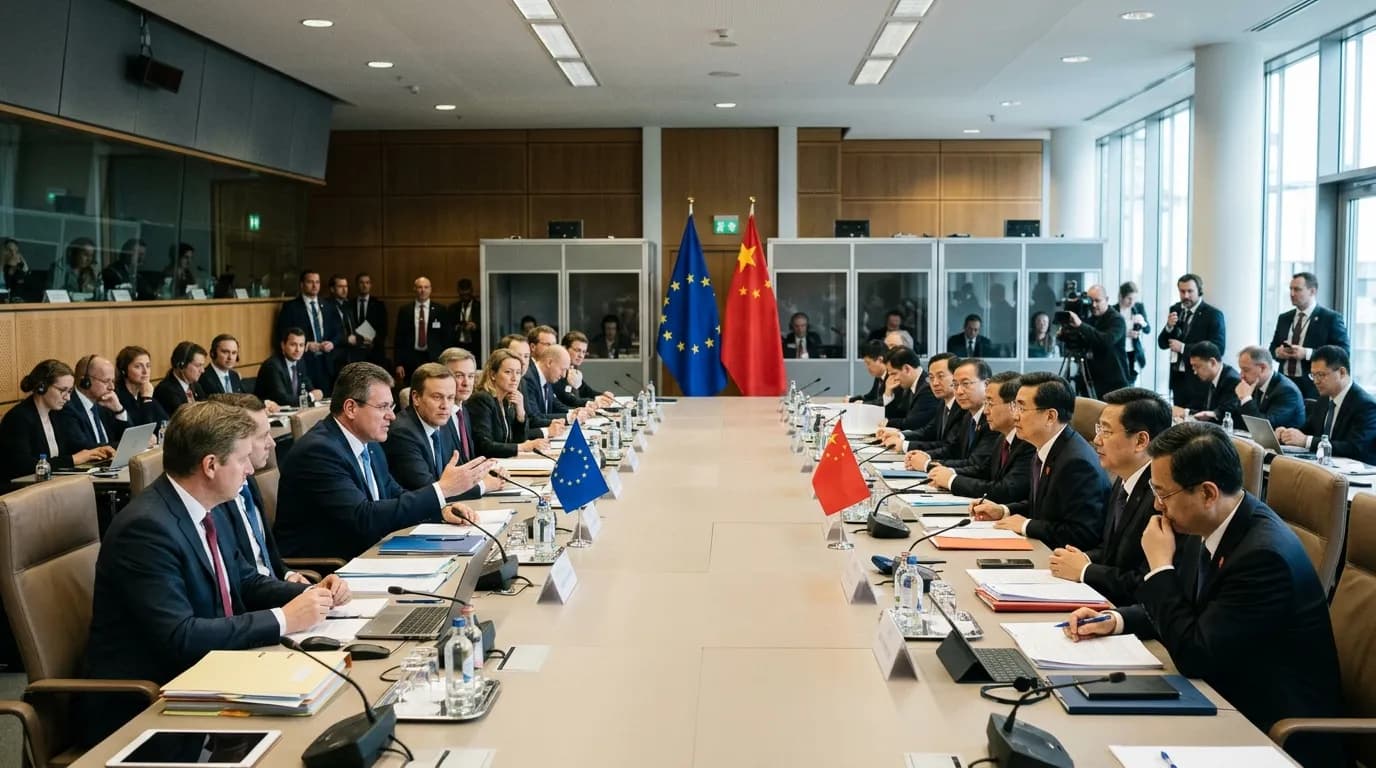
The US-China summit held in China has increased strategic concerns within the European Union. The EU fears that possible agreements between Washington and Beijing on technology, trade, and security could weaken Europe’s global influence and strategic autonomy.
The Belgian Economic Mission led by Queen Mathilde reflects Türkiye’s growing strategic and economic influence. The visit highlights deepening cooperation in defense, trade, energy, and technology, while also demonstrating Belgium’s visionary approach toward long-term partnership with Türkiye.
Uzbekistan is transforming into a major mining hub with vast gold, copper, and rare metal reserves. Through Almalyk Complex and modernization programs, it is shifting from raw material exporter to industrial producer with growing global strategic importance.
China has introduced draft rules to regulate AI-generated “digital humans.” Content must be clearly labeled, harmful services targeting minors will be banned, and unauthorized use of personal data restricted, aiming to balance innovation with safety.
A China–SCO trade forum held in Qingdao brought together officials and business leaders to enhance economic cooperation, expand imports, and strengthen supply chains. New policy frameworks and trade initiatives were introduced to deepen collaboration, reinforcing the city’s role as a strategic hub for regional connectivity under the Belt and Road framework.
China has successfully tested the heavy-lift CY-8 unmanned cargo aircraft in Zhengzhou, marking progress in advanced aerial logistics. Developed by Beijing Northern Changying UAV Technology and reported by CGTN, the drone demonstrated strong performance, high payload capacity, and adaptability for operations in remote and high-altitude environments.
China’s 2026 economic growth target of 4.5–5% aims to promote high-quality development, advance structural reforms, strengthen domestic consumption, and maintain macroeconomic flexibility, reinforcing national resilience while contributing to global economic stability and modernization.
France joins a multinational European military exercise in Greenland, highlighting growing Arctic security coordination amid rising geopolitical interest and diplomatic sensitivities.
Bulgaria has officially adopted the euro, becoming the 21st member of the euro area and completing a long-planned step in its EU integration. The move grants Bulgaria greater influence within EU financial decision-making and is seen by Brussels as a milestone for economic stability and integration.
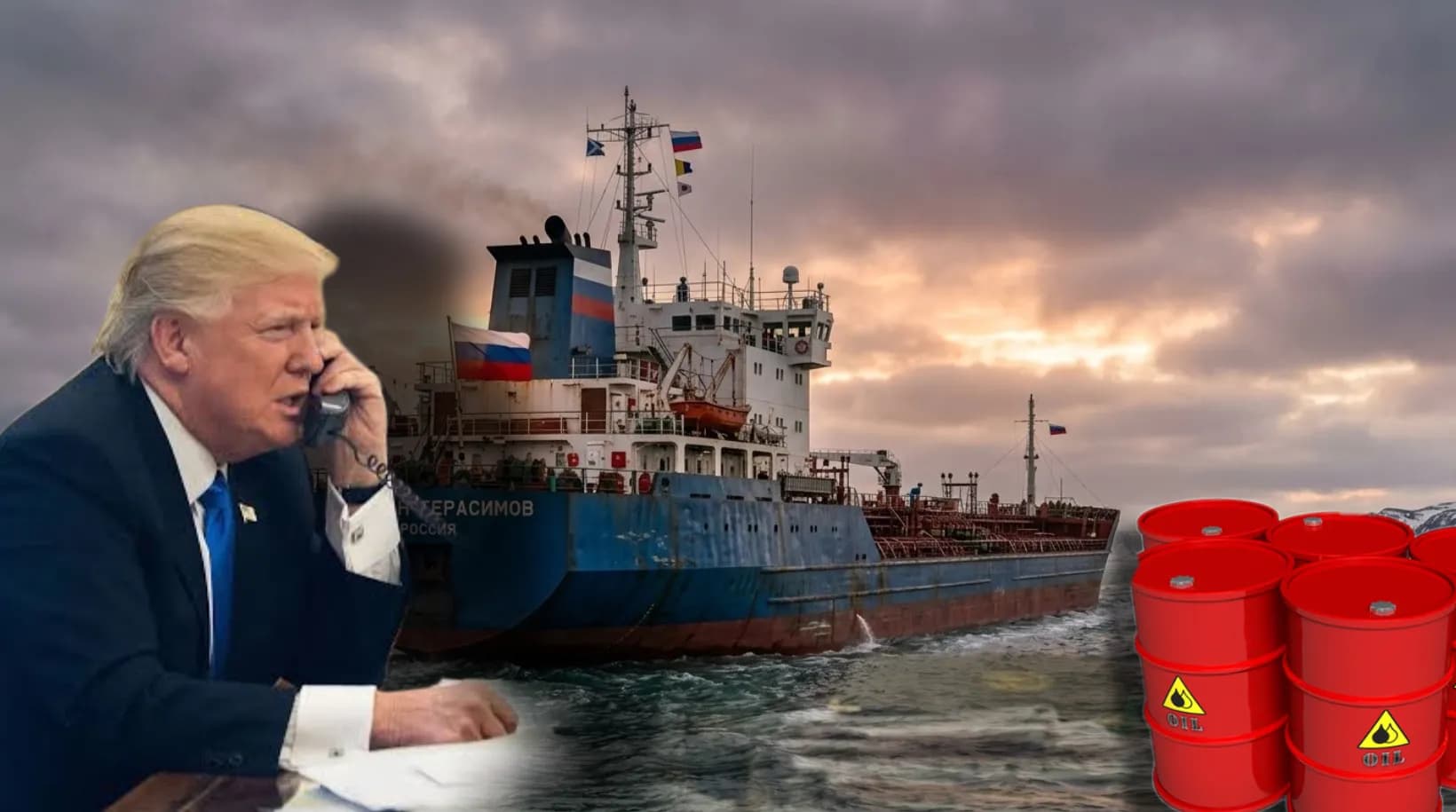
The United States carried out a military operation in Venezuela overnight, triggering explosions in Caracas and other regions and leading to the alleged capture of President Nicolás Maduro and his wife Cilia Flores, according to statements by U.S. President Donald Trump.
According to SIGAR’s final report, nearly $145 billion spent by the United States on rebuilding Afghanistan over 20 years was squandered due to corruption, poor planning, and institutional failures. Massive funding for security forces failed to produce lasting stability, while repeated warnings from watchdogs were largely ignored. The outcome was a strategic, financial, and human failure.
The European Union is approaching a critical decision on how to finance Ukraine’s estimated €137 billion funding needs for the 2026–2027 period. EU leaders meeting in Brussels remain divided between using frozen Russian state assets and relying on new EU-level borrowing. European Commission President Ursula von der Leyen has framed this decision as a turning point for Europe’s strategic autonomy and security. The outcome of the summit will reveal whether the EU can convert its geopolitical ambitions into sustainable financial and political action.
The Aktobe Investment Forum-2025 concluded with a powerful message for the global business community: Kazakhstan is strengthening its role as a strategic economic hub at the crossroads of Europe and Asia. Bringing together investors from across the world, major Kazakhstani corporations, and central government institutions, the forum distinguished itself with the participation of ambassadors and representatives from 20 countries, underscoring rising international confidence in the region.
Qatar Development Bank (QDB) and the Global Finance & Technology Network (GFTN) signed a strategic partnership during the Singapore FinTech Festival. The agreement includes establishing a FinTech Center of Excellence in Doha and organizing an annual Qatar FinTech Forum. The collaboration aims to drive policy innovation, knowledge exchange, and strengthen the regional FinTech ecosystem.
China has officially commissioned its third and most advanced aircraft carrier, the Fujian, marking a milestone in its military modernization. As the first carrier fully designed and built domestically, the Fujian introduces advanced electromagnetic catapult technology (EMALS), significantly boosting China’s naval capabilities. The new vessel symbolizes Beijing’s growing ability to challenge U.S. naval dominance in the Pacific and underscores President Xi Jinping’s ambition to build a world-class military by 2049.
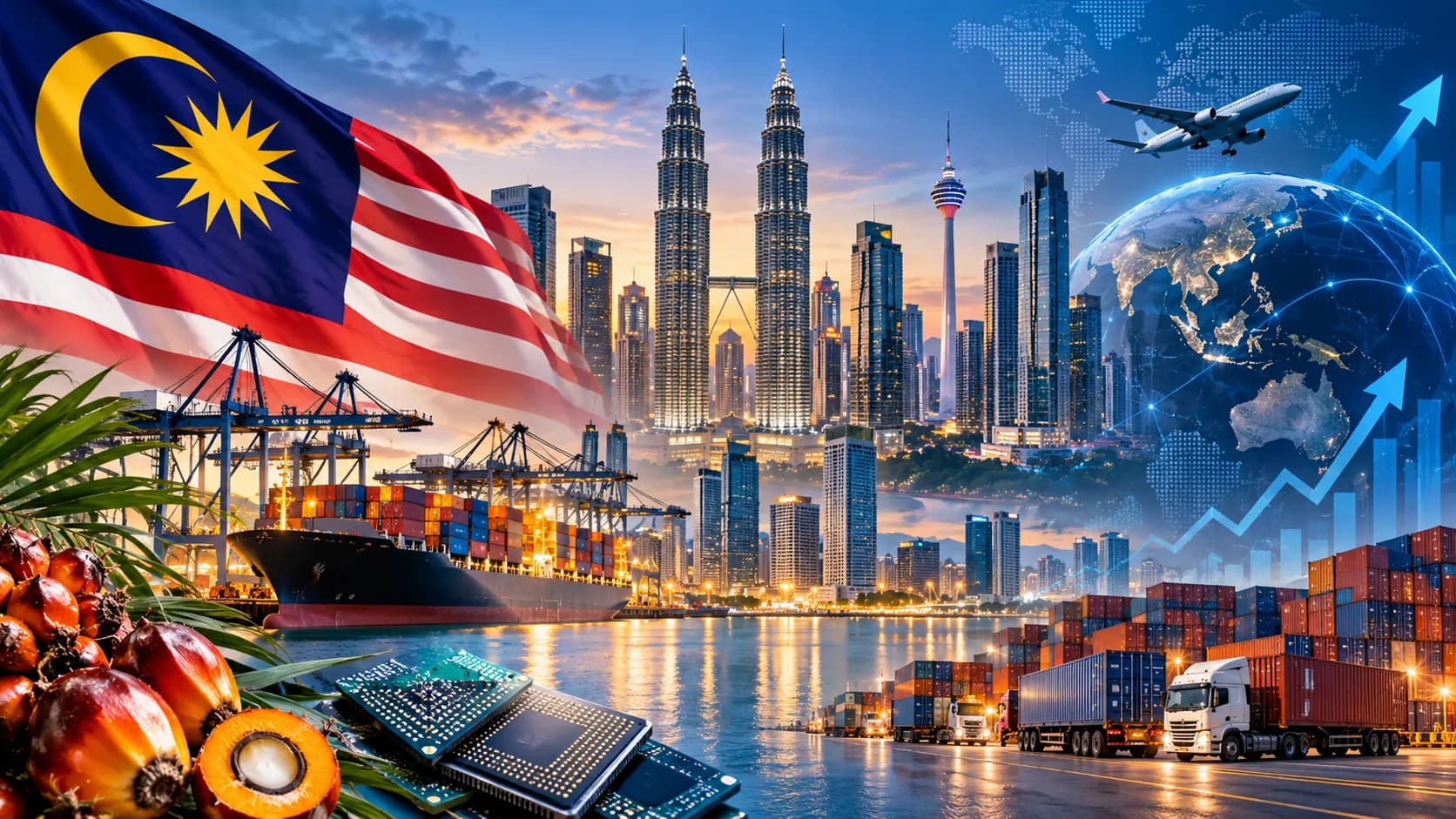
Malaysia has declared its readiness to join BRICS “as early as tomorrow,” signaling a major diplomatic shift toward the Global South. Prime Minister Anwar Ibrahim’s remarks during the ASEAN Summit in Kuala Lumpur underscore the country’s ambition to balance ASEAN pragmatism with broader multipolar engagement. Supported by Brazil and welcomed by Russia and China, Malaysia’s prospective accession could mark a turning point in Southeast Asia’s participation in global governance. The move highlights Malaysia’s evolving foreign policy — one defined by strategic autonomy, south-south cooperation, and a growing voice in reshaping the international order.
U.S. President Donald Trump brokered a historic peace accord between Thailand and Cambodia, aiming to end decades of deadly border disputes and open a new phase of regional cooperation.
At the 47th ASEAN Summit in Kuala Lumpur, U.S. President Donald Trump and Malaysian Prime Minister Anwar Ibrahim signed a Comprehensive Strategic Partnership, marking a new era in bilateral and regional cooperation.
In an interview with EUReflect, Aykerim Absamatova, Director of the SEZ “TURAN” in Turkistan, highlights Kazakhstan’s growing appeal as a strategic investment hub linking China, Russia, and the EU. She emphasizes the country’s strengths in political stability, logistics modernization, green energy, agro-processing, and digital innovation. Supported by the Belt and Road Initiative and strong government incentives within Special Economic Zones, Kazakhstan offers investors a reliable, future-oriented environment for sustainable growth and regional expansion.
Kazakhstan is emerging as a “middle power of trust”, combining intellectual diplomacy, digital innovation, and cultural soft power to build credibility on the global stage. Through initiatives like the Astana Think Tank Forum 2025 and Digital Bridge 2025, the country promotes dialogue, technology, and cooperation as new pillars of influence. From deepening ties with Italy to showcasing its culture through Dimash Qudaibergen, Kazakhstan redefines leadership by turning trust into strategic capital in an uncertain world.
Kazakhstan is entering a new era of digital transformation under President Kassym-Jomart Tokayev’s leadership. The appointment of Zhaslan Madiyev as Deputy Prime Minister and Minister of Artificial Intelligence and Digital Development signals the country’s strategic focus on AI-driven modernization. Tokayev’s directive prioritizes strengthening digital infrastructure, developing human capital in AI, and enhancing e-government services. With ambitions to become Central Asia’s regional digital hub, Kazakhstan seeks to integrate AI across healthcare, education, public administration, and industry—transforming its economy from resource-based to innovation-led growth.
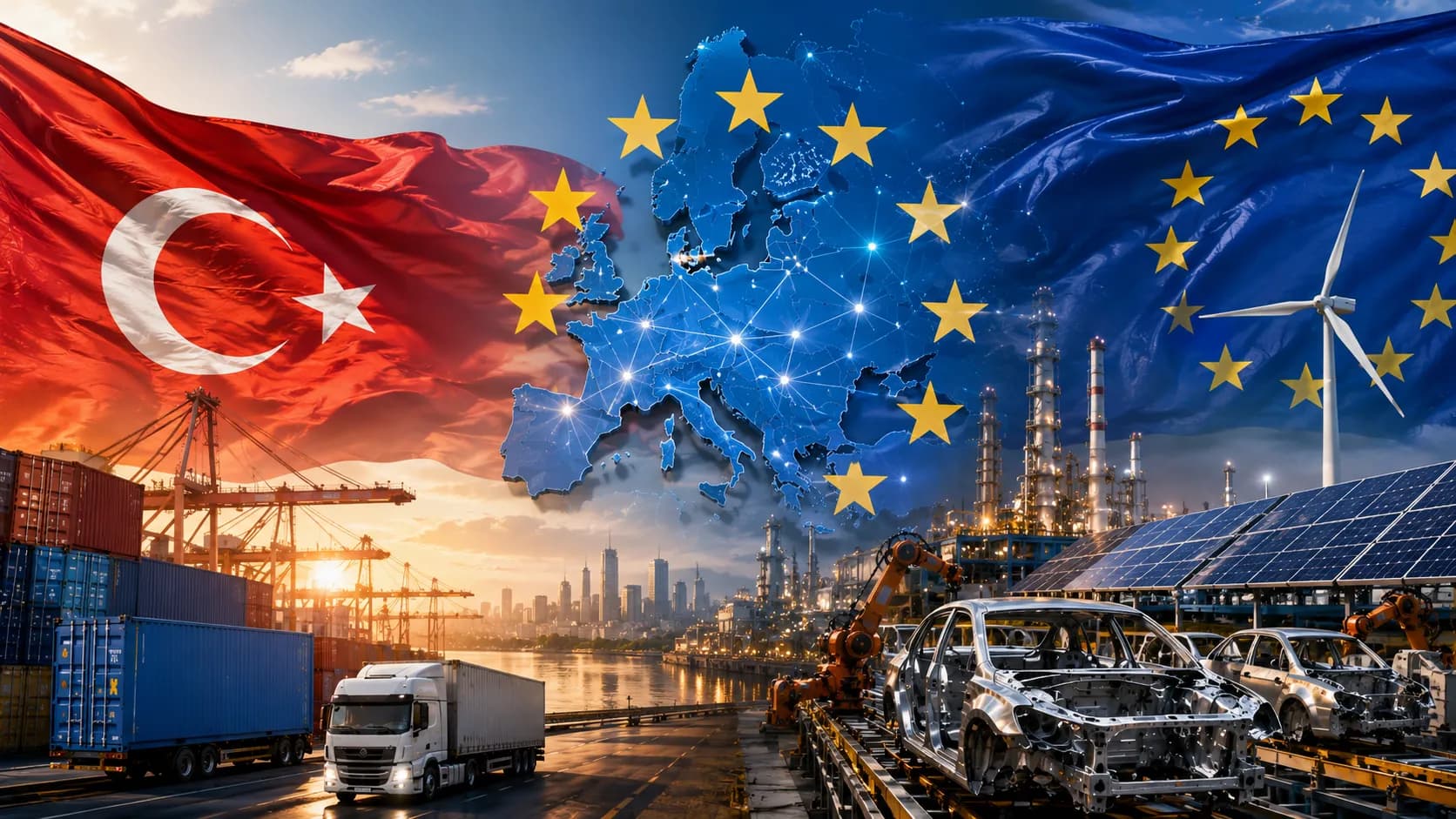
Chinese EV giant BYD has expanded its global footprint through major investments in Türkiye and Uzbekistan. In 2024, the company announced a USD 1 billion factory in Manisa, Türkiye — a move that grants tariff-free access to the EU market. Meanwhile, in Uzbekistan, BYD is developing EV and battery production facilities to serve Central Asia, supporting the region’s green transition and industrial modernization. These investments position the Turkic world as a strategic hub in China’s global EV supply chain, strengthening economic ties while enhancing political leverage for both Türkiye and Uzbekistan in a multipolar world.
As China prepares its 15th Five-Year Plan (2026–2030), the narrative of a “consumption downgrade” is being replaced by one of transformation. Chinese consumers are shifting from materialism to smart, experience-driven consumption — prioritizing quality, emotion, and sustainability over status. Domestic brands like Pop Mart, Laopu Gold, and Mixue Bingcheng reflect this new rational luxury trend. With booming tourism, rising demand for “China-chic” products, and strong service consumption, China’s market shows resilience and maturity. The focus has moved from goods to experiences — signaling an evolution, not a decline, in the world’s second-largest economy.
This article explores Russia’s attempt to shape a Turkic-centered framework through the “Altai as the Homeland of the Turks” narrative and the “Greater Altai” project.
The hosting of the 43rd UNESCO General Conference in Samarkand in 2025 highlights Uzbekistan’s growing global influence in culture, education, and science. This historic event underscores the nation’s successful reforms, cultural diplomacy, and commitment to preserving world heritage while promoting intercultural dialogue and sustainable development.
Türkiye’s ambitious national fighter project, KAAN, described domestically as a 100% indigenous fifth-generation multifunctional aircraft, faces a critical obstacle: the United States has refused to grant licenses for certain technologies used in its production. This development, highlighted by Foreign Minister Hakan Fidan, raises fundamental questions: Is KAAN truly a fully indigenous product, or is Türkiye still reliant on external suppliers? Does this situation indicate strategic tension between Ankara and Washington, or could it reflect a broader geopolitical maneuver targeting third countries? This article examines the roots of the licensing issue, explores the structural dependency embedded in the global defense supply chain, and evaluates Türkiye’s potential alternatives. The findings suggest that Türkiye stands at a strategic crossroads where decisions on technological independence will define its long-term military and political autonomy.
Türkiye is entering a decisive phase in its nuclear energy policy with its commitment to develop and deploy Small Modular Reactors (SMRs). Recognized globally as one of the most significant innovations in nuclear technology, SMRs provide advantages in cost efficiency, flexibility, safety, and scalability compared to traditional reactors.
The confrontation between U.S. President Donald Trump and Israeli Prime Minister Benjamin Netanyahu is not just a personal clash between two leaders, but a turning point that has reshaped power balances in the Middle East.
On August 30, China Daily published an article by Kazakhstan’s President Kassym-Jomart Tokayev, titled “Strong Kazakh-Sino ties key to successful cooperation.” This came just before his state visit to Beijing and participation in the Shanghai Cooperation Organization (SCO) Summit.
If you’ve ever encountered anything related to Kazakhstan — its currency, public monuments, history books, or national museums — chances are you’ve seen the iconic figure of the Golden Man. Dressed in a dazzling golden suit of armor and crowned with a tall, feathered headdress, this ancient warrior has become one of the country’s most recognizable symbols…
The “Joint Sea” series of exercises has been held regularly since 2012, with the 2025 edition marking one of the most complex iterations to date, involving a wide range of multi-domain capabilities.
During his official talks with President Kassym-Jomart Tokayev, Secretary-General Guterres praised Kazakhstan’s longstanding contributions to peace, dialogue, and sustainable development. President Tokayev, in turn, reaffirmed the nation’s unwavering commitment to the principles of multilateralism and the UN Charter.
Kazakhstan’s Atomic Energy Agency has officially confirmed plans to build a third nuclear power plant in the country, with negotiations currently underway with the China National Nuclear Corporation (CNNC), according to Zakon.kz
As the global community confronts intensifying climate pressures and water scarcity, Uzbekistan is turning to cutting-edge space technologies and digital tools to future-proof its agricultural sector — a cornerstone of the nation’s economy and food security.
Kazakhstan and the Netherlands are deepening their strategic partnership, focusing on increased trade, sustainable development, and technology exchange.
Discover Türkiye through the eyes of Aykerim Absamatova, an International Relations and Economy specialist and avid traveler. She shares unique cultural observations, comparing the spirit and streets of Türkiye with European cities based on her global experience.
Since 1991, Kazakhstan has welcomed over 1.15 million ethnic Kazakhs back to their ancestral homeland under the “kandas” program. With repatriation numbers continuing to rise in 2025, the initiative stands as a key pillar of Kazakhstan’s post-Soviet diaspora and identity policy.
The historic Gagarin Launch Pad at Baikonur Cosmodrome — the site of Yuri Gagarin’s pioneering 1961 spaceflight — has officially been transferred from Russia to Kazakhstan. Now envisioned as a future museum and UNESCO World Heritage candidate, the site symbolizes a new era of Kazakh–Russian cooperation and the preservation of humanity’s space legacy.
The US has proposed a significant geopolitical solution for the disputed Zangezur Corridor (32 km), suggesting a neutral American logistics company manage the route for 100 years. The corridor is vital for the Middle Corridor (Central Asia to Europe via Türkiye), potentially weakening Russian and Iranian transit influence. The proposal aims to resolve the sovereignty conflict between Armenia and Azerbaijan by providing an impartial third-party security and cargo oversight, driving broader diplomatic realignment in the South Caucasus.