Malaysia: Culture, Quality and Value
With Visit Malaysia 2026 approaching, the country is leveraging its multicultural heritage and cost advantages to attract European travellers seeking value without compromising on experience.
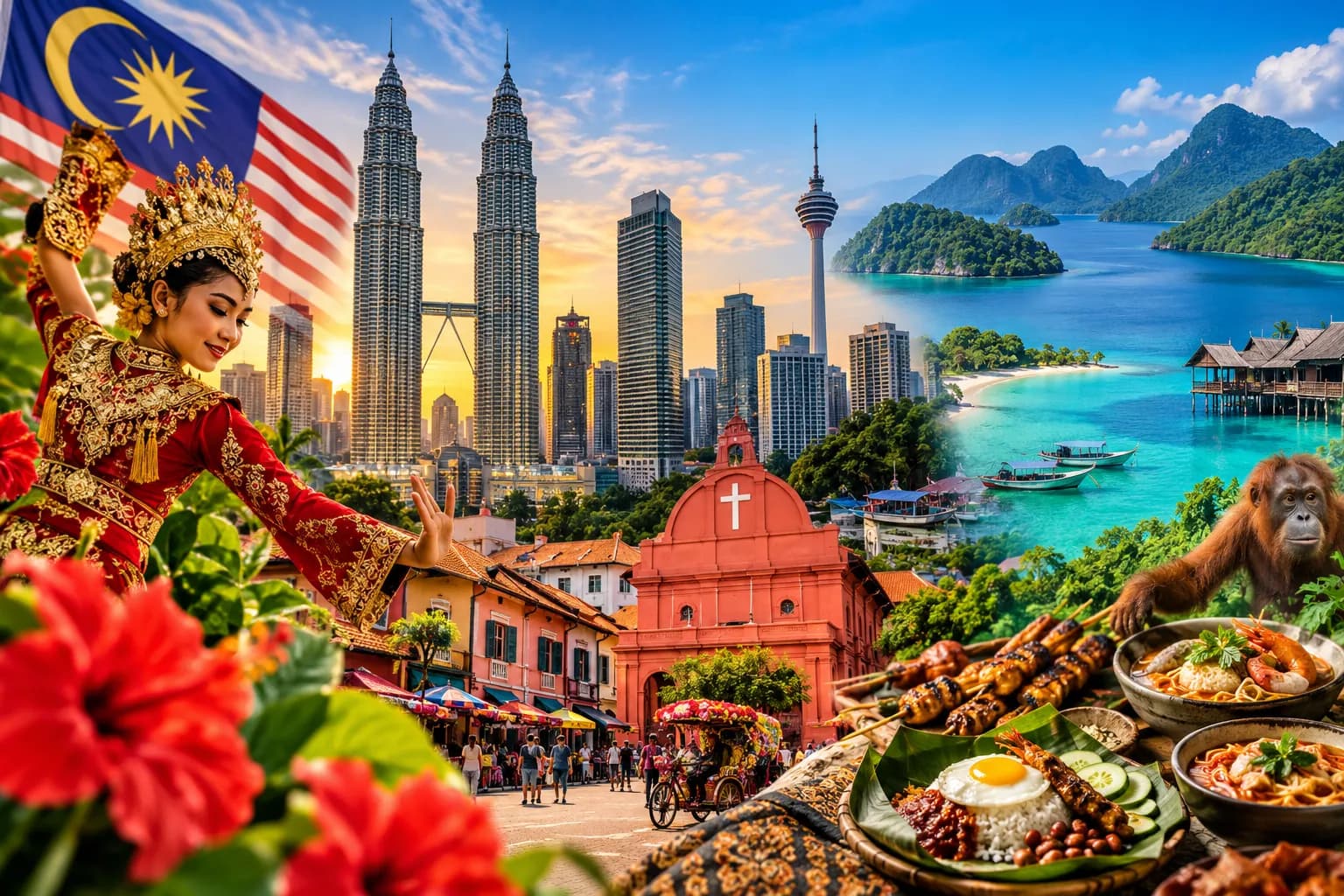
Malaysia is strengthening its position as one of Southeast Asia’s most attractive tourism destinations by combining cultural diversity, competitive travel costs and high-quality tourism services.
As the country promotes Visit Malaysia 2026, its tourism strategy increasingly highlights an advantage that is particularly relevant for international travellers: experiencing a modern and culturally rich Asian destination without the high costs associated with many major tourism markets.
Malaysia’s multicultural identity is central to this appeal. Malay, Chinese, Indian and Indigenous traditions coexist across the country, creating a tourism experience shaped by different cuisines, religious landmarks, festivals, architecture and local customs. Kuala Lumpur represents the modern face of this diversity, while Penang, Melaka, Sabah and Sarawak offer distinctive cultural and historical experiences.
The UNESCO-listed historic cities of George Town and Melaka are particularly important cultural destinations. Their architecture, traditional neighbourhoods, places of worship and culinary heritage reflect centuries of interaction between Asian and global trading cultures.
Malaysia’s food culture adds another dimension. From street food and traditional markets to modern restaurants and international dining, visitors have access to a wide range of choices at different price levels. The combination of Malay, Chinese and Indian culinary traditions means that food itself becomes part of the cultural journey.
Affordable Without Sacrificing Quality
Price competitiveness is another major strength. Accommodation, local transportation, dining and many tourism activities can remain relatively accessible to international visitors, while Malaysia simultaneously offers modern airports, extensive transport connections, international hotel brands, shopping centres and developed tourism infrastructure.
This creates a strong value-for-money proposition. Malaysia does not have to compete simply by presenting itself as a cheap destination. Instead, it can offer travellers a higher level of experience relative to their overall holiday budget.
For European visitors in particular, this combination can be attractive at a time when the cost of international travel is increasingly influencing destination choices. A traveller can combine a modern city experience in Kuala Lumpur with UNESCO heritage, tropical islands, local gastronomy and nature-based tourism within a single journey.
Cultural festivals further expand the experience. Hari Raya Aidilfitri, Chinese New Year, Deepavali and the harvest festivals of East Malaysia demonstrate how Malaysia’s multicultural structure translates into tourism experiences throughout the year.
A Competitive Tourism Model
Malaysia’s broader advantage therefore lies at the intersection of culture, affordability and quality.
Rather than relying exclusively on beaches or luxury tourism, the country can offer a diversified experience encompassing heritage, gastronomy, shopping, nature, modern urban life and multicultural traditions.
As Visit Malaysia 2026 continues, this combination could become one of Malaysia’s strongest messages in international tourism markets: visitors do not necessarily need to choose between an affordable holiday and a high-quality cultural experience.
In Malaysia, they can increasingly find both in the same journey.
Botakoz Unbayeva
Contributing writer at EUReflect.
Follow EUReflect
See more of our reporting on Google
Mark EUReflect as a preferred source and our stories are ranked higher for you in Top Stories, Discover and Google News — and carry a “preferred” badge when they are cited in AI results.
Add EUReflect as a preferred source