Safe, Diverse, Dynamic: Malaysia’s Tourism Strategy for 2026
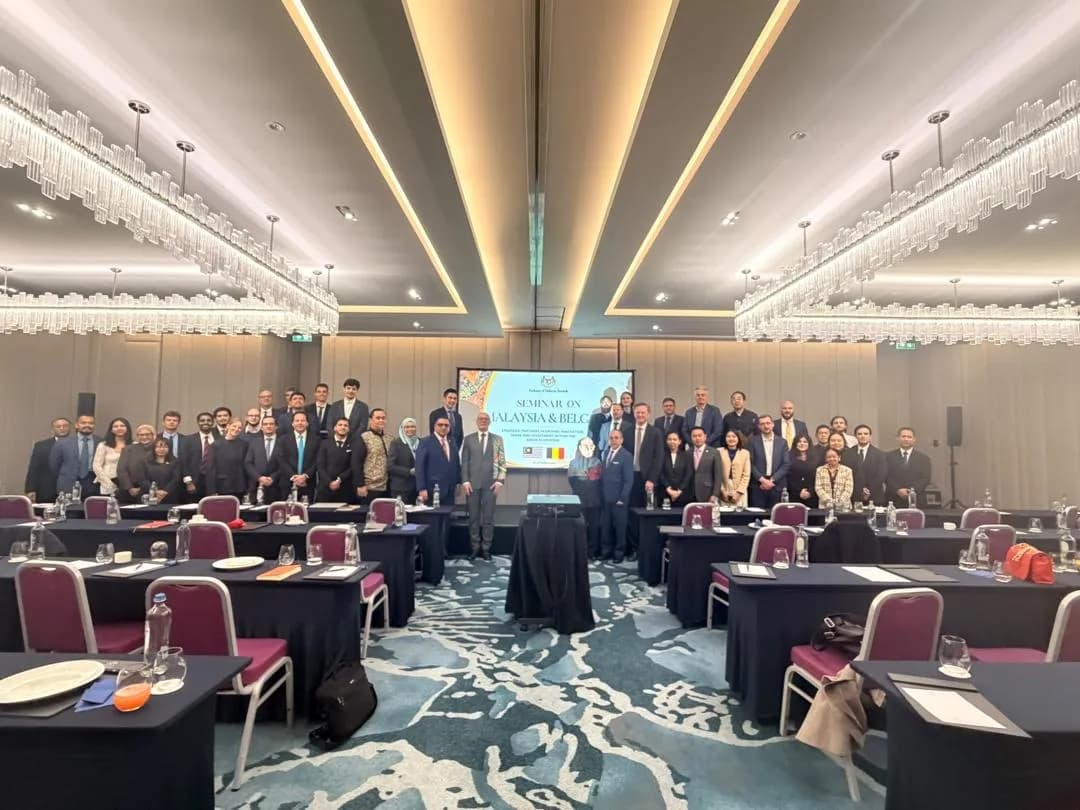
At an event in Brussels on April 23, Malaysia introduced its 2026 tourism vision. With strong revenues, political stability, multicultural harmony, rich cuisine, and over 300 annual events, the country aims to become one of the world’s leading safe and attractive travel destinations.
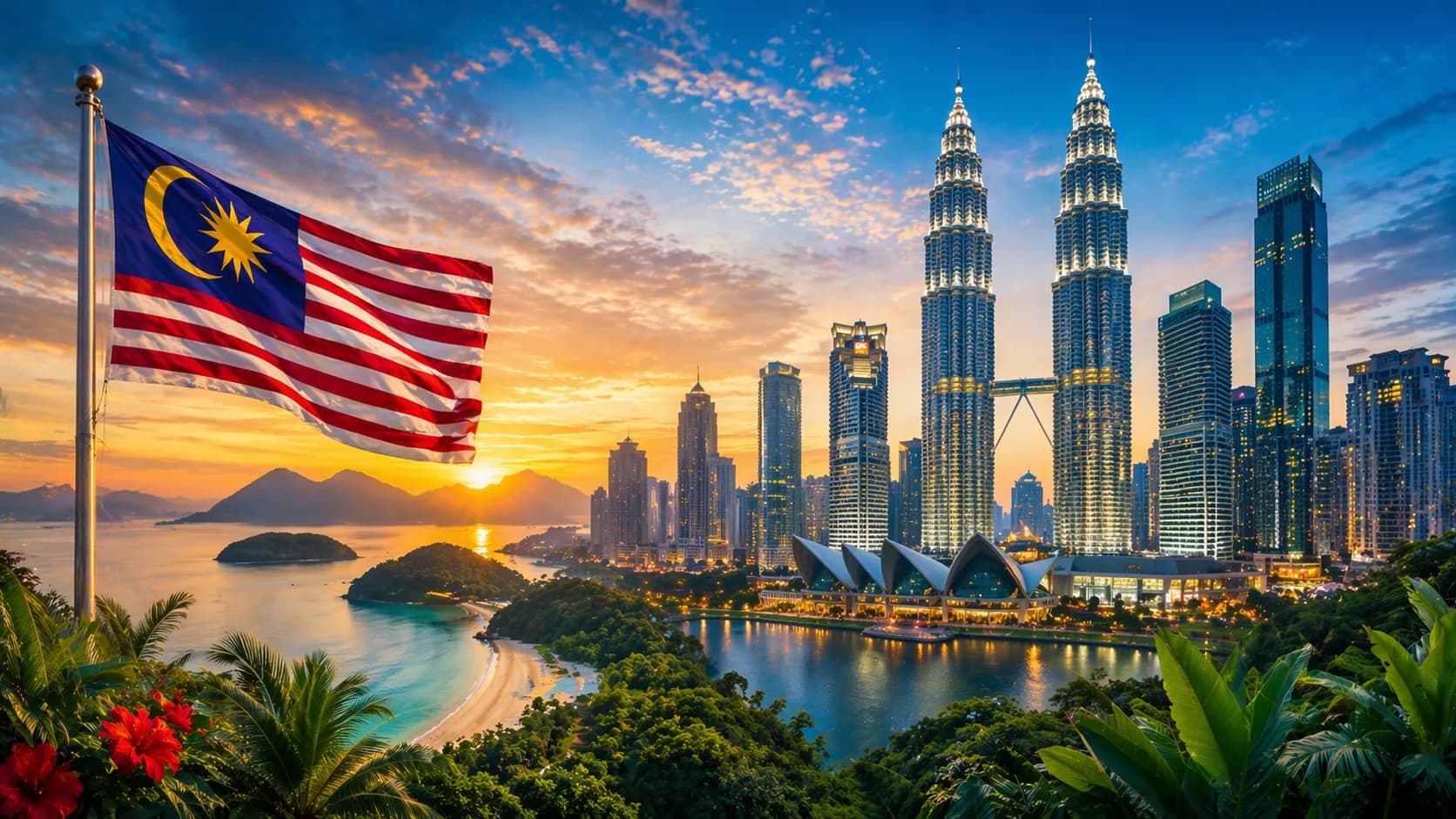
On April 23, during a high-profile event held in Brussels, Malaysia officially unveiled its ambitious tourism vision for 2026, highlighting the country’s long-term strategy to strengthen its position as one of Asia’s most competitive and attractive travel destinations. The presentation emphasized Malaysia’s combination of economic accessibility, political stability, cultural diversity, and world-class visitor experiences.
Generating more than $63 billion in annual tourism revenue, Malaysia has established itself as a major player in the global tourism industry. The country continues to attract millions of international visitors thanks to its reputation as a safe, affordable, and welcoming destination, offering a wide range of experiences for families, business travelers, adventure seekers, and luxury tourists alike.
A central theme of the event was Malaysia’s political and social stability. Officials pointed to the country’s 15 peaceful national elections as evidence of a mature democratic tradition and reliable governance. This stable environment has contributed significantly to investor confidence and tourism sector growth over the years.
Malaysia’s multicultural and multi-religious social fabric was also presented as one of its greatest strengths. Home to Malay, Chinese, Indian, and numerous indigenous communities, the country offers a unique atmosphere where diversity is integrated into daily life. Visitors can experience mosques, temples, churches, and cultural festivals existing side by side, while enjoying a society that supports a broad range of lifestyles and personal freedoms.
Another major attraction is Malaysia’s globally recognized gastronomy. The country’s cuisine reflects centuries of cultural exchange and regional creativity. Signature dishes include flavorful fried noodles, aromatic coconut milk-based specialties, grilled seafood, rice dishes, and meals enriched with vibrant herbs and spices. Street food culture, night markets, and modern fine dining all contribute to Malaysia’s growing reputation as a culinary destination.
In addition, Malaysia underlined its vibrant events calendar, noting that it hosts more than 300 events annually. These include international sporting competitions, music festivals, cultural celebrations, trade fairs, fashion weeks, and eco-tourism activities. Such a dynamic calendar ensures year-round tourism demand and repeated visitor interest.
The 2026 tourism vision also focuses on sustainability, digital innovation, smart travel services, and expanding connectivity through regional and international transport networks. Eco-tourism destinations, island resorts, rainforest experiences, and urban tourism hubs are expected to play an increasingly important role in future growth.
Overall, Malaysia presented itself in Brussels as an open, modern, dynamic, and globally attractive tourism hub for 2026—a destination where culture, nature, business, gastronomy, and hospitality converge in one of Southeast Asia’s most strategic locations.
EUReflect News
Site Administrator
Follow EUReflect
See more of our reporting on Google
Mark EUReflect as a preferred source and our stories are ranked higher for you in Top Stories, Discover and Google News — and carry a “preferred” badge when they are cited in AI results.
Add EUReflect as a preferred source