Trump Forecasts Plunge in Oil Prices as War End Nears
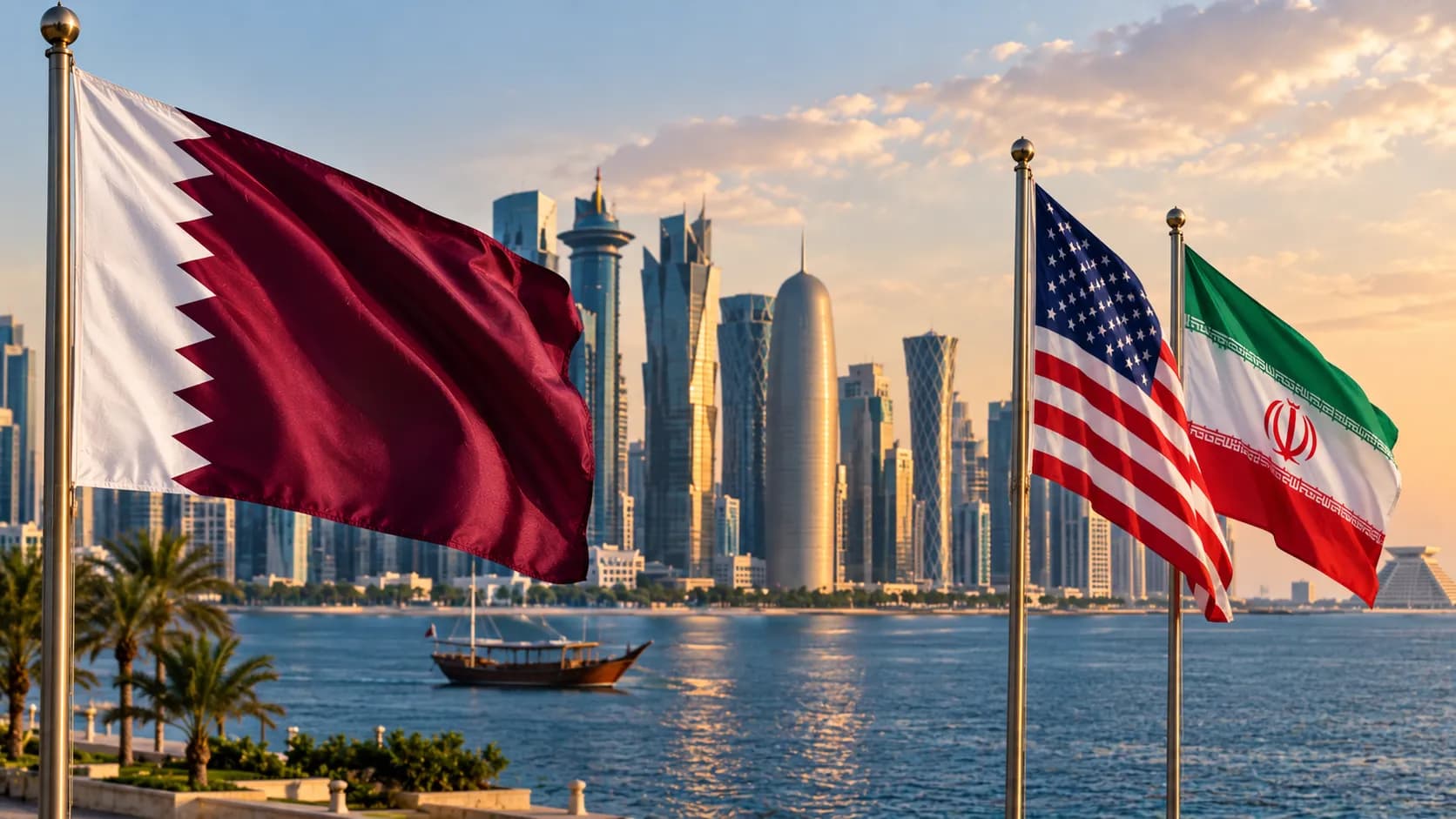
U.S. President Donald Trump announced that global oil prices will drop sharply once the conflict with Iran concludes, pointing to recent increases in U.S.-escorted crude flows through the Strait of Hormuz. Despite rejecting Tehran's proposal to fully reopen the maritime transit corridor on Iranian terms, Washington expressed confidence that ongoing military pressure will compel Tehran to concede, securing long-term regional stability and lowering global energy costs.
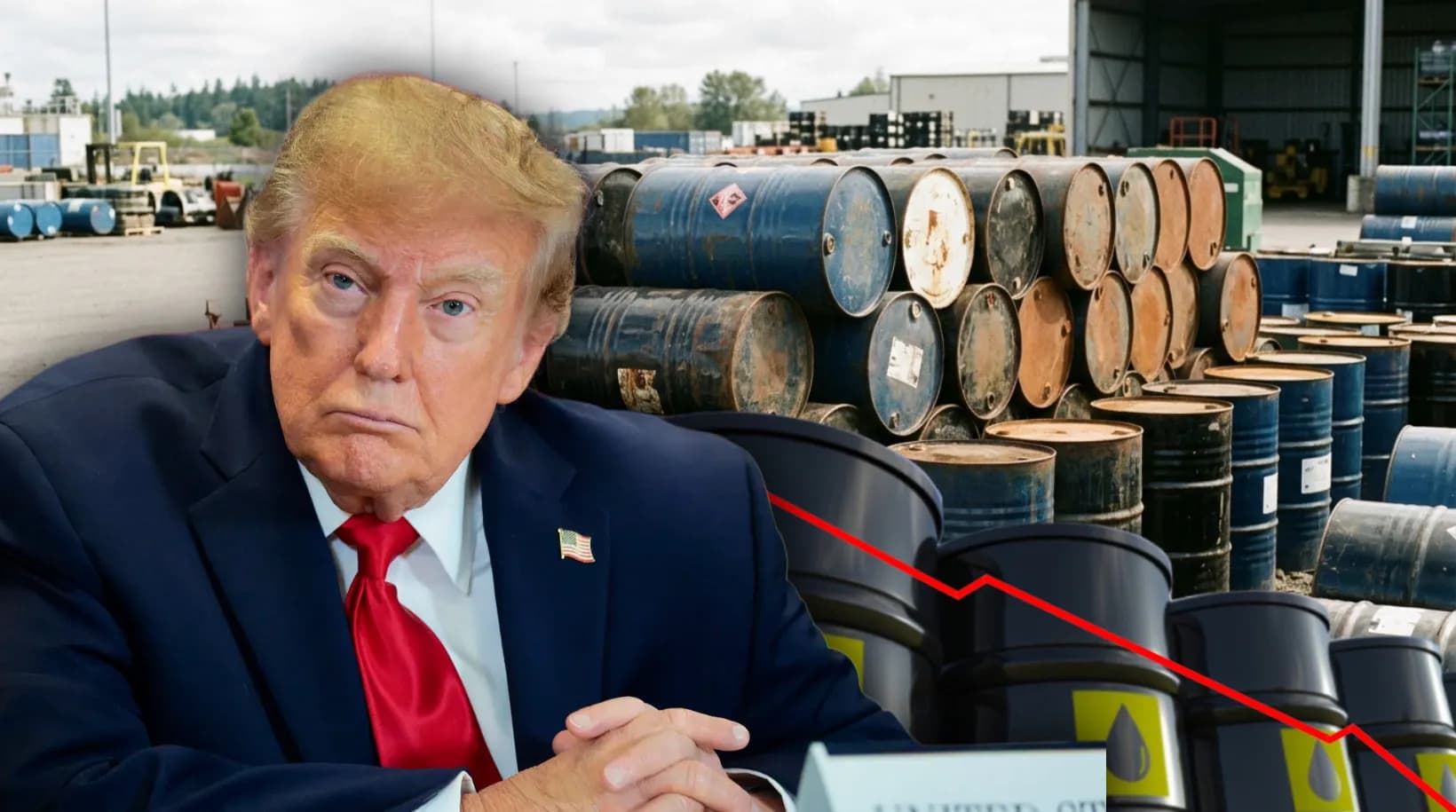
WASHINGTON/BRUSSELS — U.S. President Donald Trump has stated that global oil prices will drop precipitously as soon as military operations against Iran draw to a close, pointing to an increased flow of crude through the Strait of Hormuz despite ongoing security volatile conditions in the region.
Speaking to reporters prior to his departure for Medinah, Illinois, the American president projected a sharp contraction in energy market prices once demand shifts and hostilities cease. His comments come amid heightened scrutiny of transit security through the Persian Gulf following months of military escalation between Allied forces and Tehran.
"Oil will come dropping down as soon as Iran gives up, as soon as the war is over, which will be soon. Oil is going to come plummeting down, and oil prices are coming down," Trump stated.
Rejection of Tehran's Maritime Proposal and Transit Dynamics
The President’s economic predictions follow Washington's formal rejection of Tehran’s latest proposal to immediately restore full commercial navigation through the Strait of Hormuz in exchange for specific concessions. Diplomatic observers note that the U.S. administration considers current transit monitoring along the maritime corridor manageable under existing naval framework arrangements, opting to maintain military oversight rather than agree to Iranian terms.
Defending his administration's energy record, Trump emphasized that current price levels remain lower than those recorded during previous terms, citing elevated volumes of oil extracted and escorted through the strategic choke point.
"Remember one thing: oil is less expensive now than it was under the Biden administration," Trump noted. "With all of that being said, we're taking tremendous amounts of oil out. Last night, we took a record amount of oil out of the Hormuz Strait, more than we took out before the war."
The administration further claimed at a White House briefing that recent naval escorts and maritime extraction operations through the waterway had surpassed historic benchmarks.
Diplomatic Pressure and Non-Proliferation Objectives
Addressing the broader strategic trajectory of the conflict, the U.S. executive expressed confidence that continued economic and military pressure would eventually compel Iranian leadership to concede. Reaffirming the fundamental imperative behind the joint U.S.-Israeli campaign initiated on February 28, Washington reiterated that non-proliferation remains the central mandate.
When asked by reporters whether Iranian officials were prepared to capitulate, Trump indicated that Tehran's strategic posture was weakening under prolonged operational stress.
"I don't know if they're going to give up yet, but they'll give up," Trump said regarding Iranian leadership. "But they're doing very poorly."
Strategic Outlook and European Economic Implications
The conflict, which escalated sharply following Iranian retaliatory drone and missile strikes and the subsequent operational closure of the Strait of Hormuz, continues to impact international energy security. Maritime traffic through the passage, which historically accounts for roughly twenty percent of global seaborne petroleum trade, remains heavily constrained despite ongoing naval clearing operations.
Diplomatic initiatives aimed at achieving a permanent settlement have relied on framework discussions initiated in June, which seek to establish binding protocols on Iranian nuclear development and freedom of navigation. For European energy markets, a resolution to the Hormuz crisis remains a critical prerequisite for mitigating market volatility, stabilizing import costs, and safeguarding regional inflation targets.
Related Topics
Botakoz Unbayeva
Contributing writer at EUReflect.
Follow EUReflect
See more of our reporting on Google
Mark EUReflect as a preferred source and our stories are ranked higher for you in Top Stories, Discover and Google News — and carry a “preferred” badge when they are cited in AI results.
Add EUReflect as a preferred source