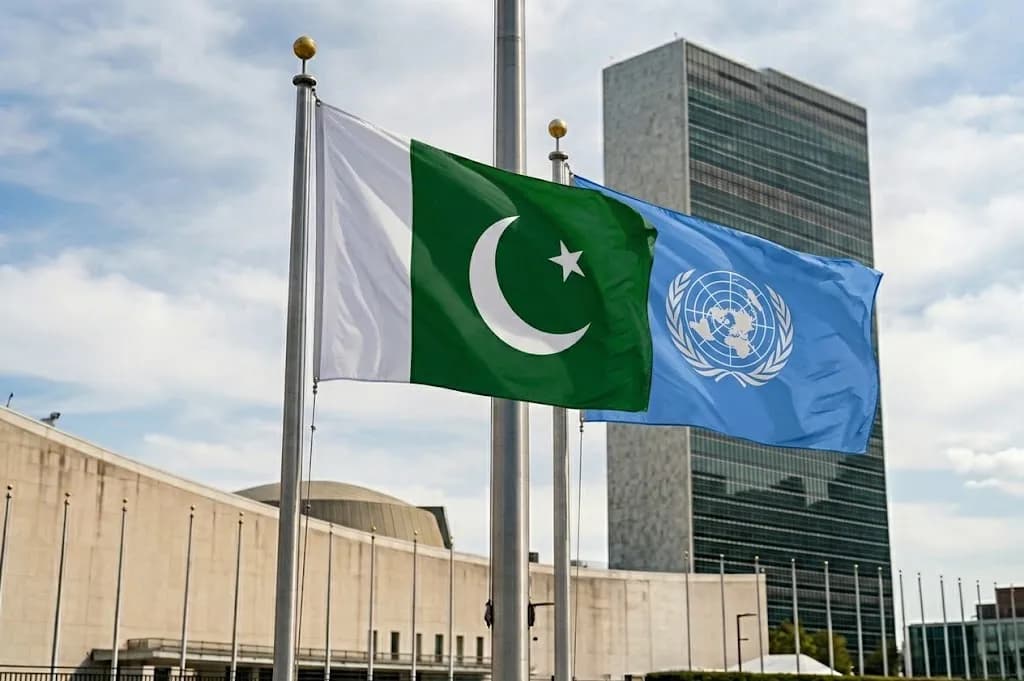
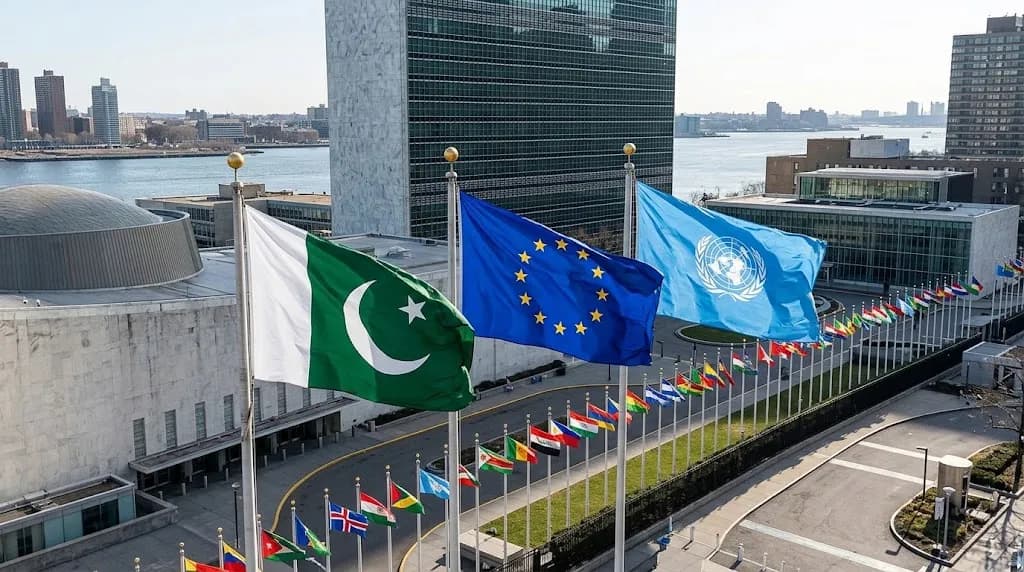
Pakistan Prime Minister Muhammad Shehbaz Sharif Calls for Diplomacy and Regional Stability at 81st UN General Assembly
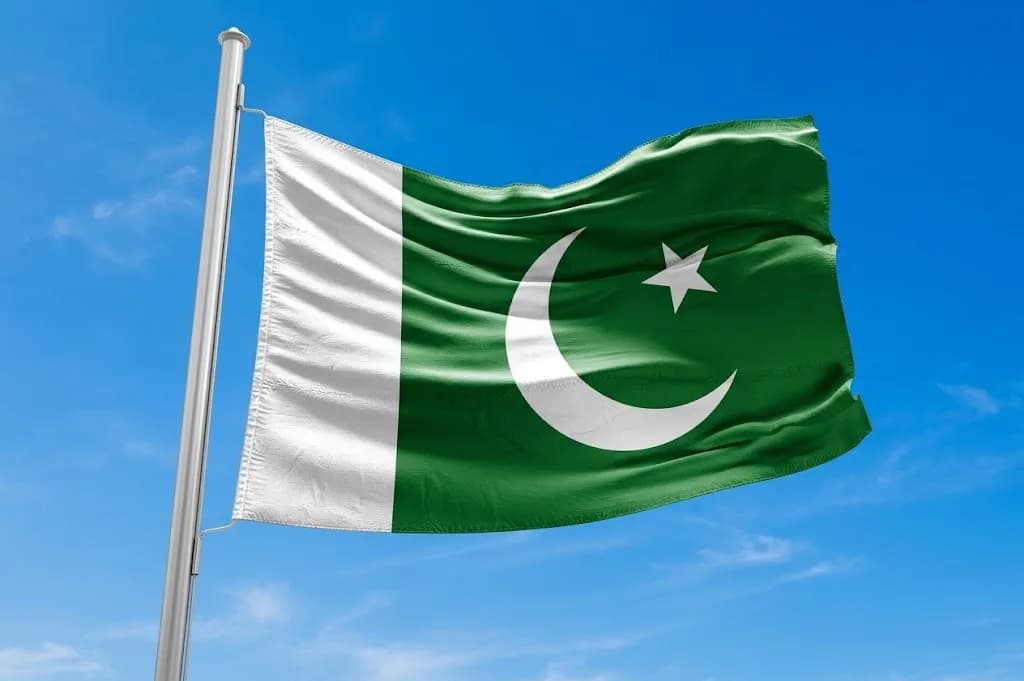
NEW YORK — Prime Minister of Pakistan Muhammad Shehbaz Sharif addressed the General Debate of the 81st Session of the United Nations General Assembly, outlining Pakistan’s position on international peace, regional conflicts, diplomacy and security.
In his address, Prime Minister Shehbaz Sharif emphasized the importance of diplomacy and peaceful settlement of disputes, invoking the Qur’anic call for peace and recalling Pakistan’s founding commitment to the United Nations Charter.
Turning to the situation in the Gulf and wider Middle East, he highlighted Pakistan’s diplomatic efforts to facilitate dialogue between Washington and Tehran. He referred to the Islamabad talks and the subsequent Islamabad Memorandum of Understanding, while acknowledging the efforts of Field Marshal Asim Munir, Pakistan’s Chief of Defence Forces and Chief of Army Staff, and Deputy Prime Minister and Foreign Minister Senator Muhammad Ishaq Dar.
The prime minister also stressed the importance of maintaining the security of vital maritime routes, particularly the Strait of Hormuz and Bab al-Mandab. He described these waterways as “arteries of the global economy,” emphasizing that they should remain routes connecting nations rather than becoming “choke points of confrontation.”
“These waters must carry the promise of prosperity, not the perils of conflict,” Prime Minister Shehbaz Sharif said.
He then strongly condemned what he described as recent attacks by the Houthis against the Kingdom of Saudi Arabia, including an attempted drone attack targeting Makkah al-Mukarramah. He said that any threat to the safety and sanctity of Islam’s holy sites constitutes a serious red line and reaffirmed Pakistan’s solidarity with Saudi Arabia.
Prime Minister Shehbaz Sharif subsequently referred to the Makkah Joint Defence Agreement between Saudi Arabia, Türkiye and Pakistan, presenting it as part of Pakistan’s stated commitment to regional security. He stressed that the agreement was “not directed against any country,” but rather represented a collective commitment to defence, stability and peace in the region.
The prime minister then turned to Pakistan’s relations with India, stating that Pakistan had faced external aggression from India a year earlier and had exercised what he described as its inherent right to self-defence under Article 51 of the United Nations Charter.
His remarks made diplomacy, regional stability, the protection of holy sites, and the security of international maritime routes central themes of Pakistan’s address to the 81st General Assembly.
Related Topics
Saadia Ajbaili
Contributing writer at EUReflect.
Follow EUReflect
See more of our reporting on Google
Mark EUReflect as a preferred source and our stories are ranked higher for you in Top Stories, Discover and Google News — and carry a “preferred” badge when they are cited in AI results.
Add EUReflect as a preferred source