Middle East War Threatens Global Energy Security
The widening Middle East conflict is creating a new global security challenge as attacks on Saudi Arabia, disruptions in the Strait of Hormuz and stalled diplomacy threaten energy supplies and international trade.
A Regional War Becomes a Global Energy Crisis
The Middle East conflict is entering a more dangerous phase as violence spreads beyond Iran and directly threatens Saudi Arabia, one of the world's most important energy exporters.
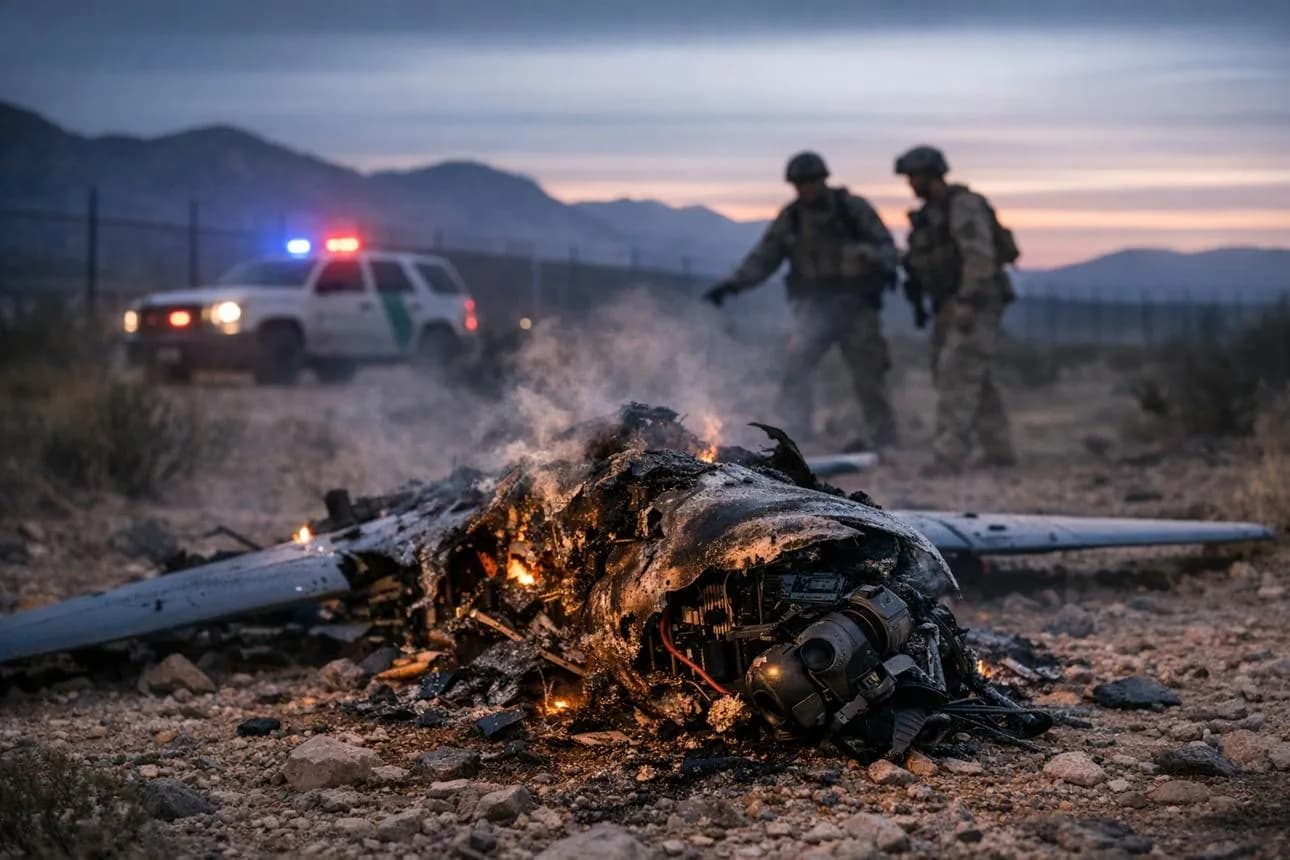
On September 15, Yemen's Iran-aligned Houthi forces launched another wave of attacks against Saudi targets while advancing along Yemen's Red Sea coast. The developments came as planned talks between Gulf Arab states and Iran were postponed, weakening hopes for a diplomatic agreement over the Strait of Hormuz.
The escalation is particularly significant because Saudi Arabia's energy infrastructure has become increasingly important to global markets. A drone attack recently forced the shutdown of the country's 1,200-kilometre East-West oil pipeline, a key route designed to transport crude to the Red Sea while bypassing the Strait of Hormuz. Reuters reported that the pipeline had been carrying roughly 4–5 million barrels of oil per day before the disruption.
The consequences are already visible in energy markets. Brent crude rose above $108 per barrel on September 15 as investors assessed the possibility of prolonged supply disruptions. Reuters reported that the pipeline outage could threaten up to 4% of global oil supply if the disruption continues.
The Strategic Importance of Hormuz
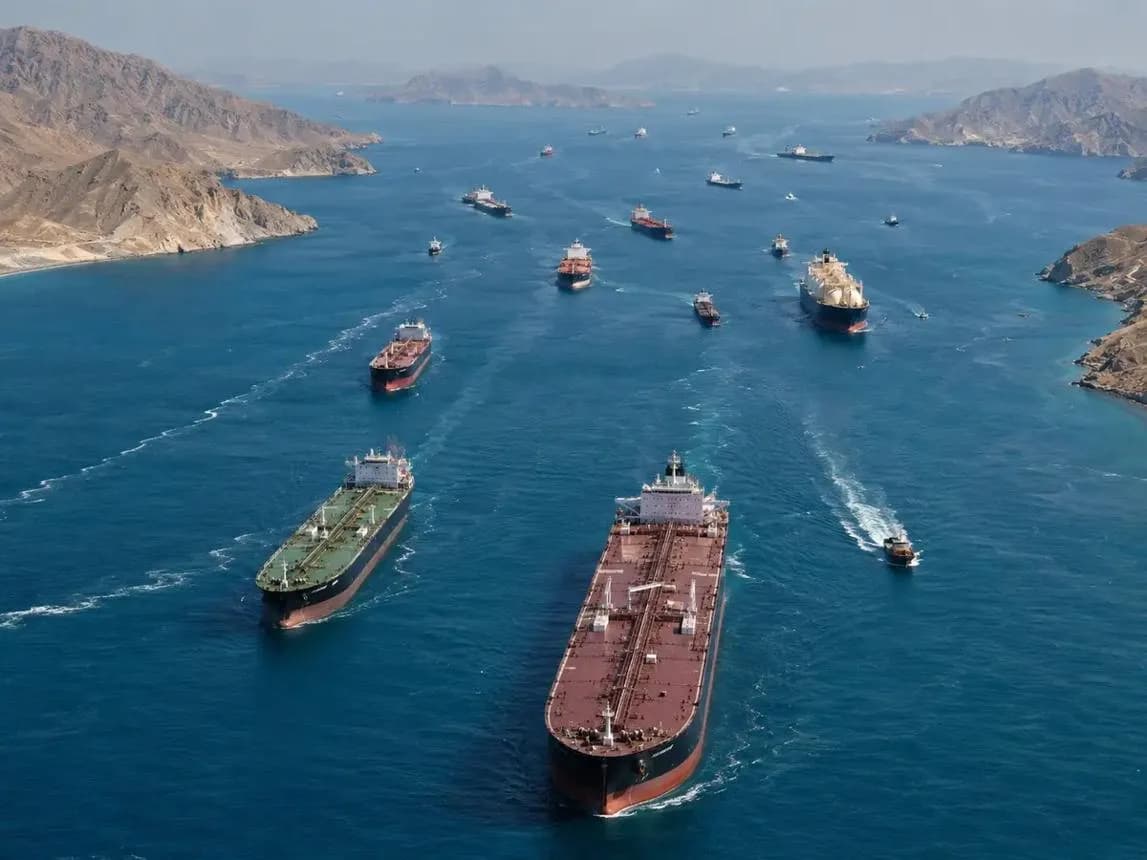
The Strait of Hormuz has become one of the central geopolitical pressure points of the conflict.
Before the war, approximately one-fifth of global crude oil and liquefied natural gas supplies passed through the waterway. Shipping activity has since fallen dramatically. Reuters reported that only a handful of commodity vessels were moving through the strait over the weekend, compared with an earlier average of around 125 vessel transits per day.
This makes the conflict much larger than a conventional regional confrontation. Any prolonged disruption can affect oil-importing countries in Europe and Asia, increase transportation costs and add inflationary pressure to economies already vulnerable to energy-price shocks.
The International Energy Agency has also highlighted the wider implications of disruptions to oil and gas flows through Hormuz, linking the situation directly to global energy markets, trade and security.
Saudi Arabia Faces a New Security Challenge
For Riyadh, the current situation represents a particularly difficult strategic problem.
Saudi Arabia has invested heavily in alternative export routes precisely because of the vulnerability of Hormuz. Yet the attack on the East-West pipeline demonstrates that bypass routes are themselves exposed to regional conflict.
The situation has therefore created a strategic dilemma: Saudi Arabia needs to protect its territory and energy infrastructure while avoiding a direct confrontation that could widen the war even further.
The United States is also facing difficult choices. Washington has provided intelligence support to Saudi Arabia but has so far avoided direct military involvement in responding to the Houthi attacks, according to Reuters.
From Regional Conflict to Global Consequences
The most important question is no longer simply whether the conflict will continue, but how far its consequences will spread.
If the Strait of Hormuz remains heavily restricted and Saudi Arabia's alternative pipeline remains offline, energy markets could face a prolonged supply shock. Higher oil prices would affect transportation, manufacturing, food production and household energy costs across multiple regions.
Europe and Asia are particularly exposed because both depend heavily on imported energy. Countries with diversified supplies may be able to absorb part of the shock, but a prolonged disruption would make replacing Gulf oil and gas increasingly difficult.
The geopolitical consequences could be equally significant. Energy insecurity can influence foreign policy, strengthen strategic alliances, accelerate investment in alternative energy routes and increase competition between major powers.
The current crisis therefore illustrates a broader transformation in international politics: energy infrastructure has become a central battlefield of modern geopolitical competition.
As fighting expands and diplomatic efforts struggle to gain momentum, the Middle East is no longer facing an isolated regional crisis. The security of oil routes, maritime trade and energy infrastructure is increasingly tied to the stability of the global economy.
Ipek Tuncer
M.A. in International Relations
Follow EUReflect
See more of our reporting on Google
Mark EUReflect as a preferred source and our stories are ranked higher for you in Top Stories, Discover and Google News — and carry a “preferred” badge when they are cited in AI results.
Add EUReflect as a preferred source