Pakistan PM Shehbaz Sharif urges world to restore trust
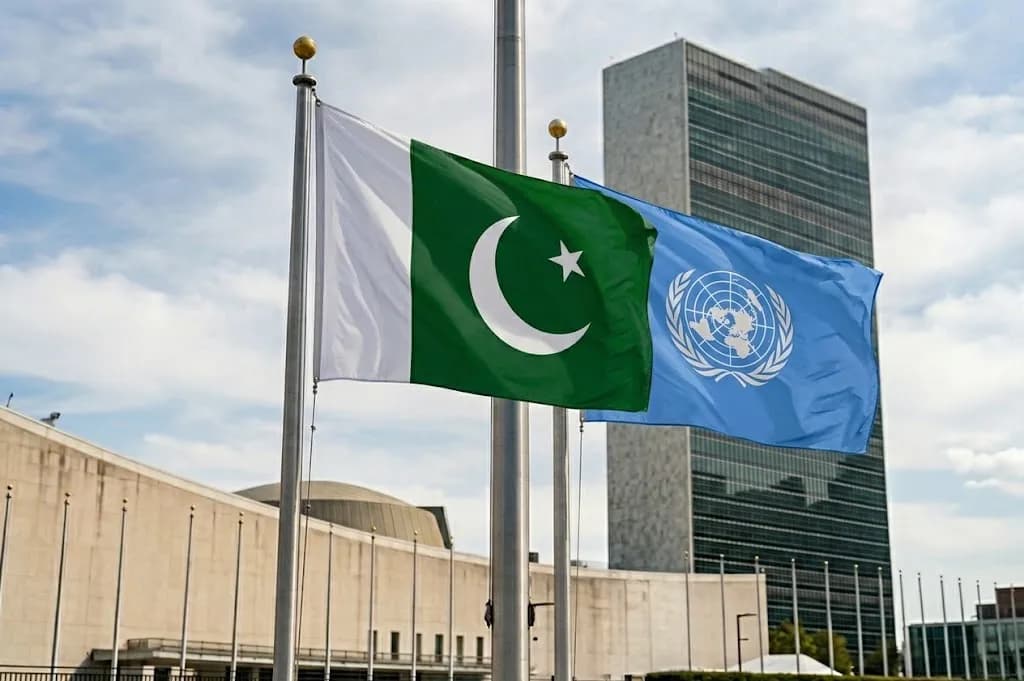
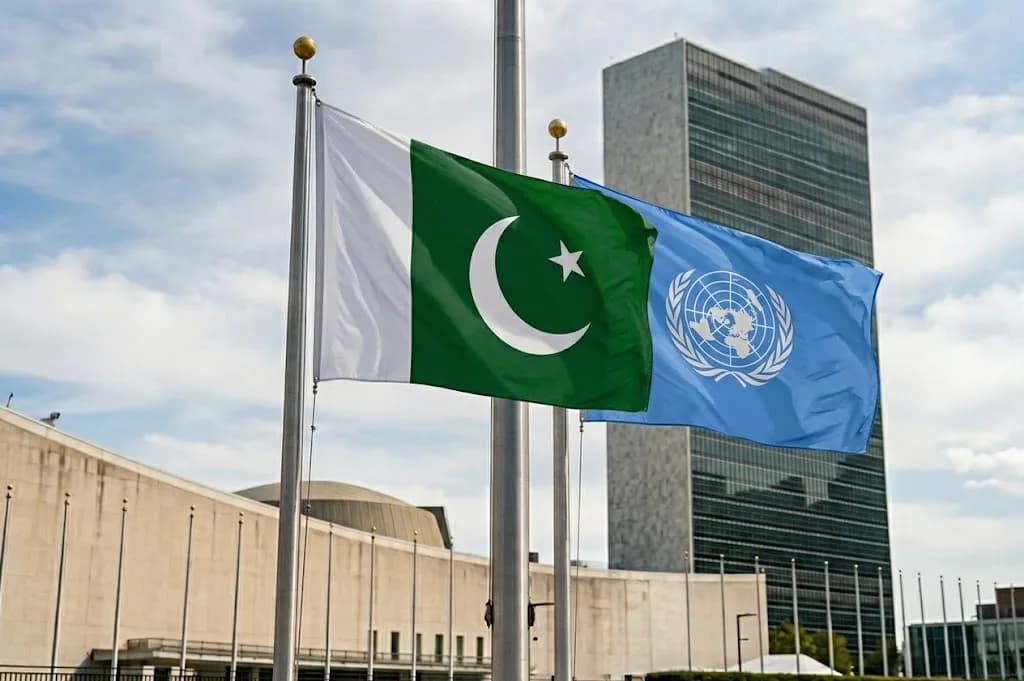
NEW YORK — Pakistan Prime Minister Muhammad Shehbaz Sharif called on the international community to restore trust through concrete action, cooperation and diplomacy during his address to the 81st Session of the United Nations General Assembly.
Addressing world leaders, Prime Minister Shehbaz Sharif argued that trust cannot be rebuilt through words alone, but requires meaningful action and a commitment to cooperation.
“We will restore trust when rivers become lifelines of cooperation, not fault lines of conflict,” he said, linking international peace to cooperation over shared resources.
He also connected the restoration of trust to the global response to climate change, calling for greater support for developing countries facing its consequences. The prime minister then broadened his appeal, arguing that trust ultimately depends on ending armed conflicts.
“Above all, trust will be restored when the guns are silenced and replaced by handshakes, embraces and smiles,” he said.
In his closing remarks, Prime Minister Shehbaz Sharif urged the UN General Assembly to turn the pursuit of peace into a collective commitment.
“War is a choice. But peace is also a far better choice,” he said, adding that Pakistan had chosen “dialogue over confrontation” and “cooperation over coercion.”
Throughout his address, Prime Minister Shehbaz Sharif also raised a number of major international and regional issues. He called for diplomacy amid tensions in the Middle East, stressed the importance of keeping the Strait of Hormuz and Bab al-Mandab open, and expressed solidarity with Saudi Arabia.
On Palestine, he highlighted the suffering of Palestinian civilians and reaffirmed Pakistan’s support for an independent Palestinian state based on the pre-1967 borders, with Al-Quds Al-Sharif as its capital. He also condemned continued violence in Lebanon and Syria.
The prime minister addressed terrorism and regional security, calling on Afghan authorities to prevent their territory from being used against Pakistan, while stressing the importance of protecting the fundamental rights of the Afghan people, particularly women and girls. He also warned of the rise of Islamophobia, condemning hate speech, discrimination, attacks on mosques and desecration of the Holy Quran.
Beyond security issues, Prime Minister Shehbaz Sharif highlighted Pakistan’s economic reform agenda, climate vulnerability and the need for greater financial support for developing countries. He also called for reform of the United Nations Security Council, arguing that the institution should become more representative, democratic and accountable.
His address ultimately returned to a central message: that despite the conflicts and divisions facing the international community, countries can choose cooperation over confrontation and peace over war. He called on the 81st General Assembly to “restore trust,” “preserve peace” and demonstrate that “even in a divided world, humanity can still choose to stand together.”
Related Topics
Saadia Ajbaili
Contributing writer at EUReflect.
Follow EUReflect
See more of our reporting on Google
Mark EUReflect as a preferred source and our stories are ranked higher for you in Top Stories, Discover and Google News — and carry a “preferred” badge when they are cited in AI results.
Add EUReflect as a preferred source