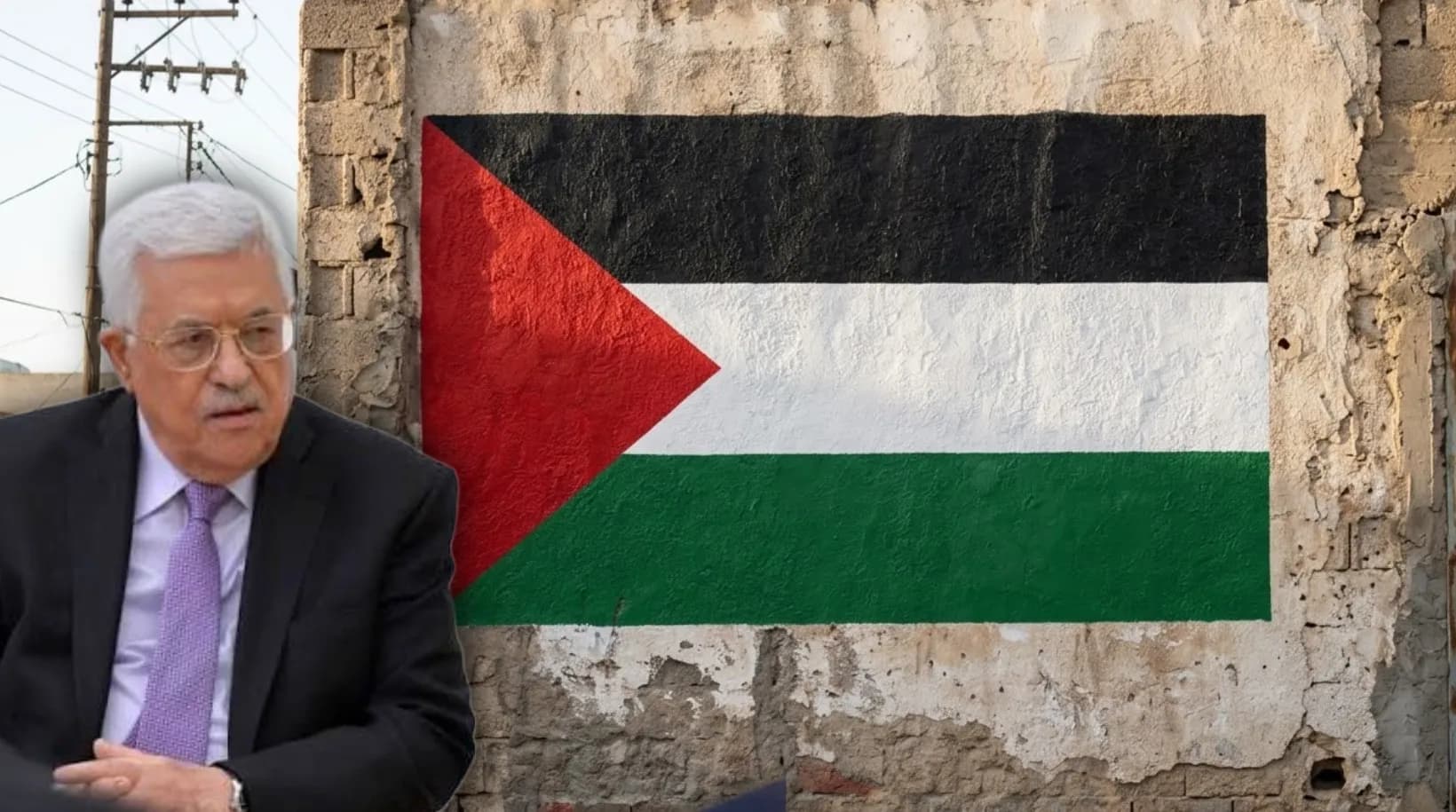
Europe Tightens Trade Pressure on Israeli Settlements
The United Kingdom, France, Canada and nine other countries are moving toward trade restrictions on Israeli settlements in the occupied West Bank, marking a new stage in international pressure over settlement expansion and settler violence

A Coordinated Move Against Settlement Trade
The United Kingdom, France, Canada and nine other countries announced coordinated action on September 8 against trade linked to Israeli settlements in the occupied West Bank.
The joint statement was signed by Canada, Denmark, Finland, France, Iceland, Ireland, Norway, Poland, Portugal, Spain, Sweden and the United Kingdom. The countries said they intend to introduce national restrictions or support European-level restrictions on goods from Israeli settlements, in accordance with their respective national procedures.
The governments said the rapid expansion of settlements and increasing settler violence were undermining the possibility of a two-state solution.
Britain Introduces an Import Ban
The United Kingdom has taken the most immediate step.
British Foreign Secretary Ed Miliband announced that Britain would ban imports of goods produced in Israeli settlements in the occupied West Bank. The measure is expected to be implemented within several months.
The British government said the decision was linked to settlement expansion, violence by settlers and concerns that the expansion of settlements was making a two-state solution increasingly difficult to achieve.
The measure is focused specifically on settlement-linked goods rather than trade with Israel as a whole.
That distinction is important: the countries involved are not announcing a general trade embargo against Israel. Instead, they are targeting economic activity connected to Israeli settlements in the occupied West Bank.
France and Canada Join Britain
France and Canada are also taking steps to restrict settlement-related trade.
In a joint statement, the three governments said systematic settlement expansion, including Israel's decision to advance the E1 settlement project, and the increase in settler violence posed an urgent threat to the two-state solution.
They said they would take steps to ban imports from settlements and introduce targeted measures against settlements and people or entities that facilitate or profit from them.
The remaining countries in the 12-country statement did not all announce identical measures. Instead, they said they would either introduce national restrictions, support European restrictions or actively consider additional measures under their domestic procedures.
Israel Responds
Israel responded quickly, particularly to Britain's decision.
According to Reuters, Israel announced that it would close the British consulate in East Jerusalem and impose additional measures against British officials. Israel's Foreign Minister Gideon Sa'ar described the British action as foreign interference.
Israel also banned several British political figures from entering the country and removed British representatives from a U.S.-led coordination centre dealing with Gaza, according to Reuters.
The diplomatic response demonstrates that the dispute is moving beyond trade policy and into relations between Israel and some of its Western partners.
Why the West Bank Settlements Matter
Israeli settlements in the West Bank have been one of the central disputes in the Israeli-Palestinian conflict for decades.
The countries behind the latest initiative argue that continued settlement expansion threatens the possibility of establishing a viable Palestinian state alongside Israel.
The joint statement specifically highlighted the planned development of the E1 area, which lies east of Jerusalem and has long been viewed by Palestinian and European officials as strategically important to the territorial continuity of a future Palestinian state.
The governments therefore presented the trade measures not simply as an economic response but as an attempt to preserve the possibility of a two-state settlement.
Limited Economic Impact, Wider Political Message
The immediate economic effect of the restrictions is expected to be relatively limited because settlement-linked goods represent only a small portion of overall European-Israeli trade.
The European Union remains Israel's largest trading partner. According to data cited by Al Jazeera, EU-Israel goods trade reached approximately €43.3 billion in 2025. Settlement-specific trade represents only a small fraction of that total.
The political significance, however, is considerably larger.
The measures demonstrate that a growing group of Western governments is prepared to use trade policy to pressure Israel over settlement expansion rather than limiting its response to diplomatic statements.
A New Strain in Western-Israeli Relations
The announcement comes at a time when relations between Israel and several European governments have already deteriorated over the Gaza war and developments in the West Bank.
Britain, France and Canada had already recognized the State of Palestine in 2025. Their latest joint action indicates a further shift toward using economic and diplomatic pressure to defend the two-state solution.
The United States has not joined the measures. Reuters reported that Washington continues to oppose restrictions of this kind, highlighting a growing difference between the United States and some of its closest European allies over how to respond to Israeli settlement policy.
What Happens Next?
The immediate question is how many of the 12 countries will ultimately implement concrete restrictions and whether the measures will remain national or develop into broader European Union policy.
The countries' joint statement leaves room for additional European-level action, while several governments are also considering further targeted measures against individuals and organisations connected to settlement activity.
For Israel, the measures create another diplomatic challenge. For Britain, France, Canada and their partners, the issue is whether economic pressure can influence settlement policy without triggering a wider breakdown in relations with Israel.
The latest developments therefore mark a significant political shift: settlement policy is increasingly becoming not only a diplomatic dispute but also a trade-policy issue between Israel and several of its Western partners.
Ipek Tuncer
M.A. in International Relations
Follow EUReflect
See more of our reporting on Google
Mark EUReflect as a preferred source and our stories are ranked higher for you in Top Stories, Discover and Google News — and carry a “preferred” badge when they are cited in AI results.
Add EUReflect as a preferred source