Tourism’s New Currency Is Confidence
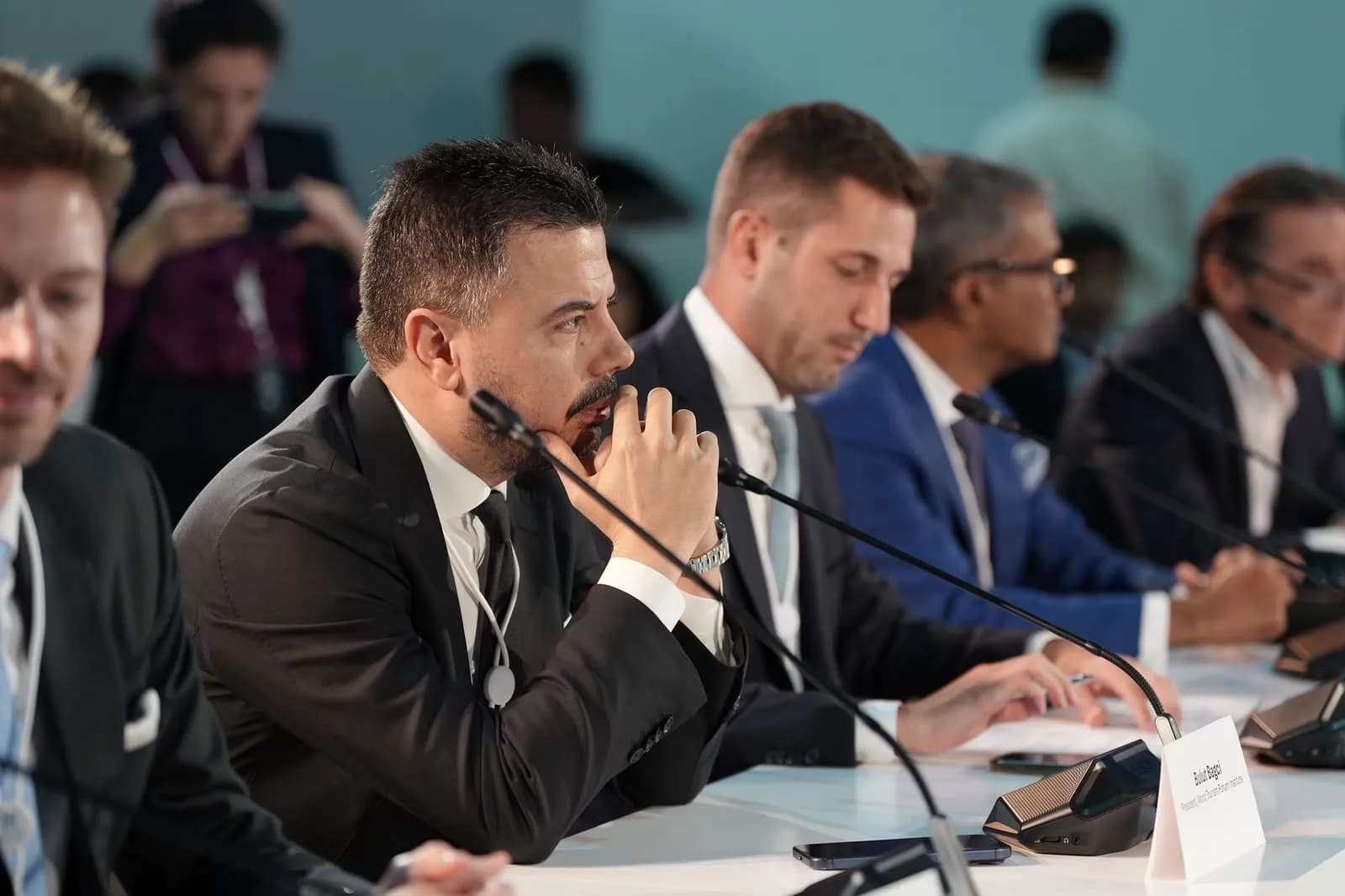
At AIM Congress 2026 in Dubai, World Tourism Forum Institute President Bulut Bağcı argued that the next era of tourism competition will be shaped less by visitor numbers — and more by a destination’s ability to win the confidence of global capital.
DUBAI — Tourism has spent decades measuring success in arrivals, hotel nights and airport traffic. But as geopolitical volatility, tighter capital markets and shifting risk perceptions reshape investment decisions, those traditional metrics are no longer enough.
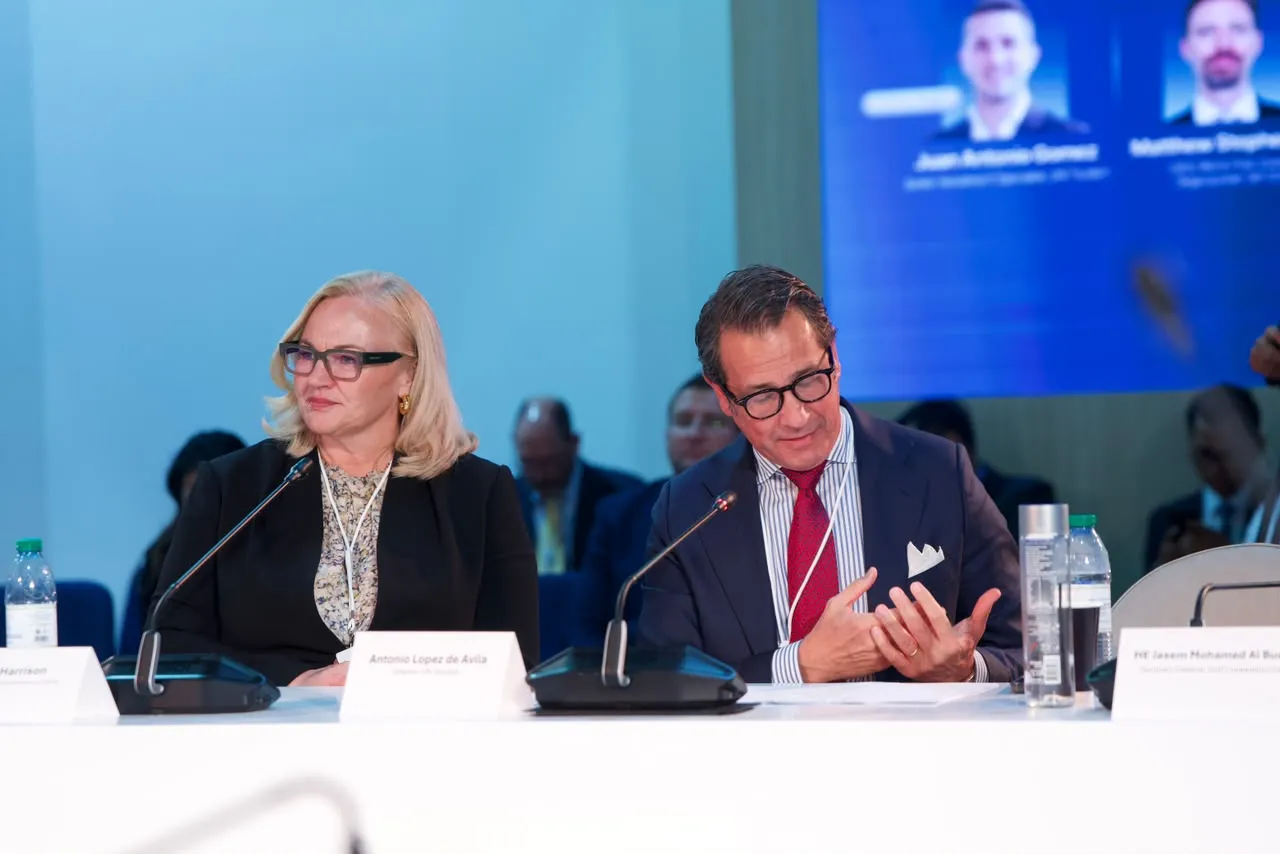
That was the message delivered by Bulut Bağcı, President of the World Tourism Forum Institute, during a high-level public-private dialogue at AIM Congress 2026, held in collaboration with UN Tourism. The session brought together governments, investors, developers, sovereign funds and international institutions to examine one of the industry’s most pressing questions: what makes investors continue to back a destination when the global environment becomes less predictable?
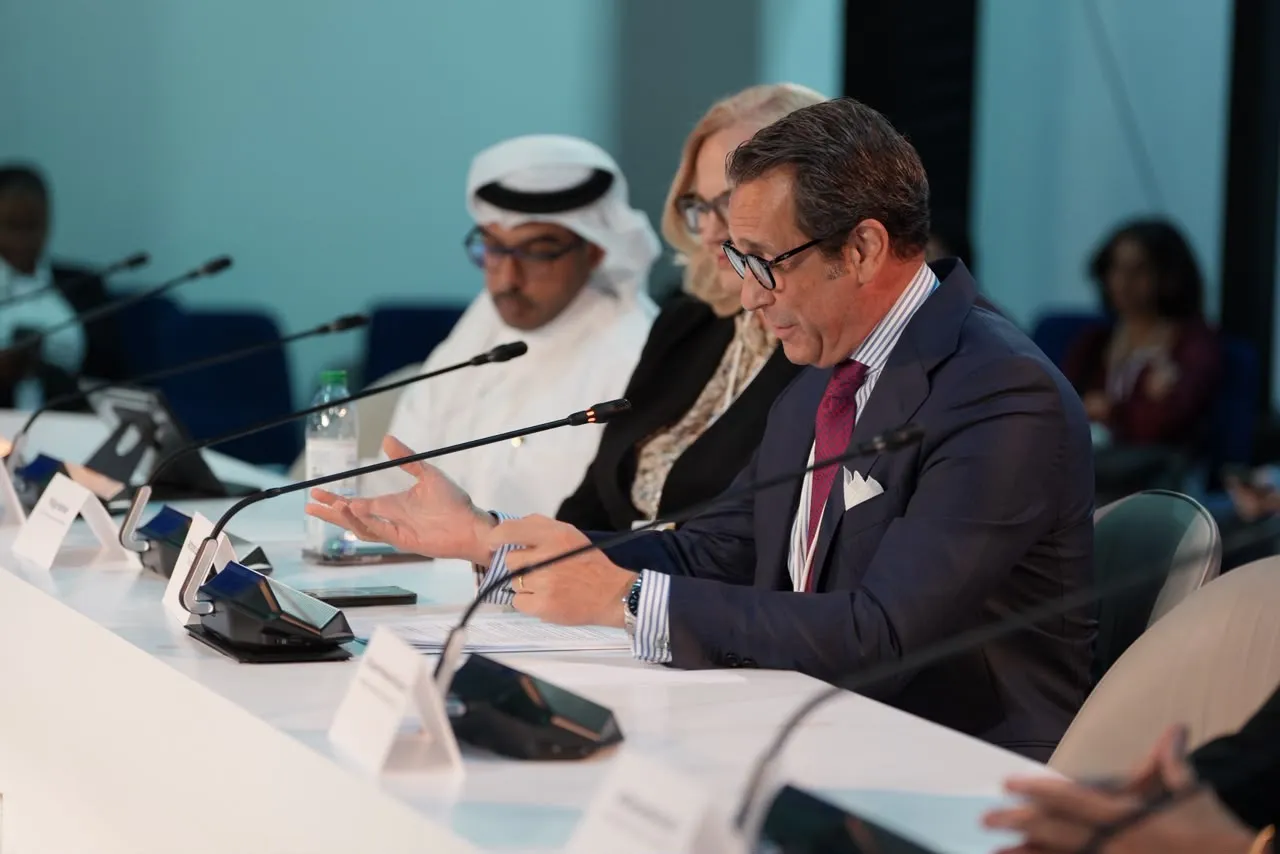
For Bağcı, the answer begins with a word that tourism policymakers have historically discussed less than visitor growth: confidence. Investors, he argued, are no longer looking only at beaches, occupancy rates or projected tourist arrivals. They are looking at the quality of institutions, the clarity of regulation, the speed of decision-making, infrastructure, air connectivity and whether a government can provide a credible long-term direction. “Tourists choose destinations for experiences. Investors choose destinations for confidence,” Bağcı told the discussion.
That distinction is becoming more important as perception increasingly moves faster than economic reality. A political shock, a regional conflict or a change in global market sentiment can alter how investors view a destination even when hotels remain full, airports operate normally and underlying demand remains strong. The countries that perform best in such an environment, Bağcı said, will be those capable not only of building tourism assets but of maintaining an open and credible dialogue between government and capital.
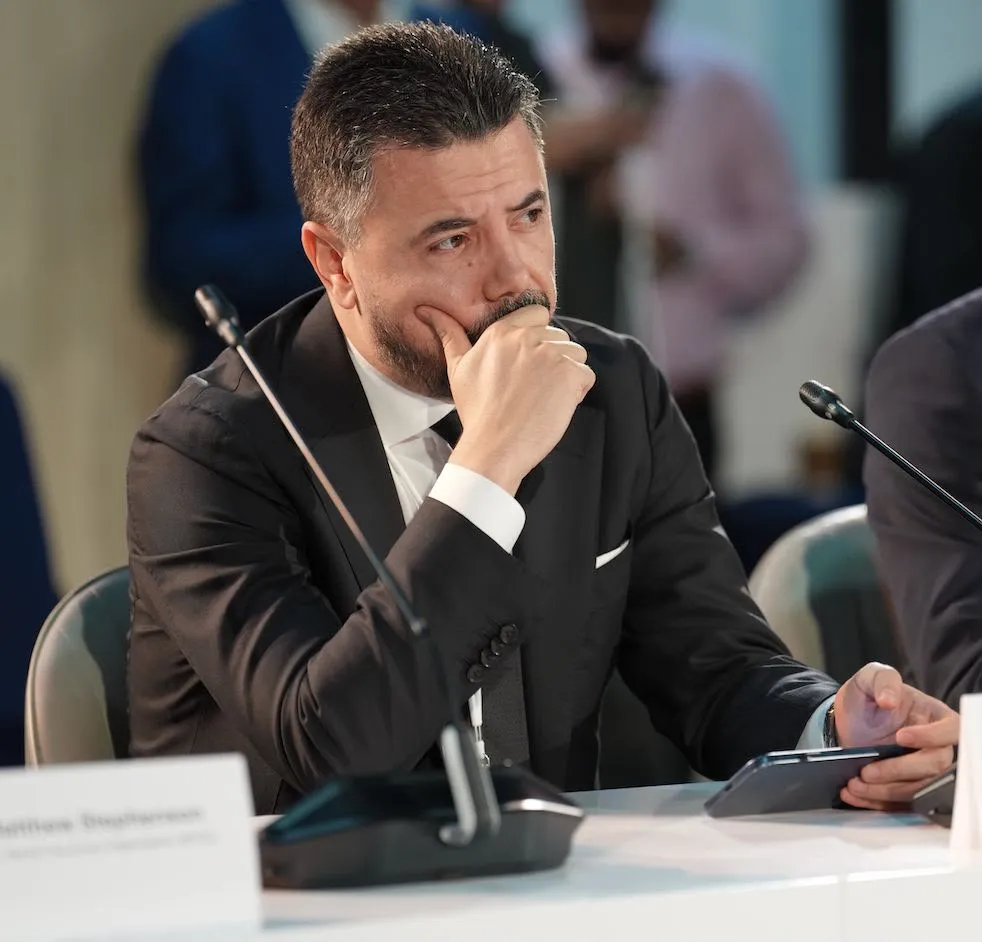
The broader argument is that tourism policy itself is changing. The old model was primarily about attracting more visitors. The emerging model is about building an investable economy around those visitors. That means asking a different set of questions: How much private capital is entering the sector? How many high-quality jobs are being created? Are international hotel groups, developers and institutional investors committing for the long term? And how much of tourism spending is ultimately converted into broader economic value?
Bağcı pointed to the United Arab Emirates as one of the clearest examples of that shift. The UAE has treated tourism not as an isolated industry but as part of a much larger economic ecosystem connecting aviation, real estate, infrastructure, technology, culture, events and international investment. Dubai and Abu Dhabi, he argued, have built an advantage by combining long-term state vision with rapid execution and a business environment that gives international investors a clear sense of direction.
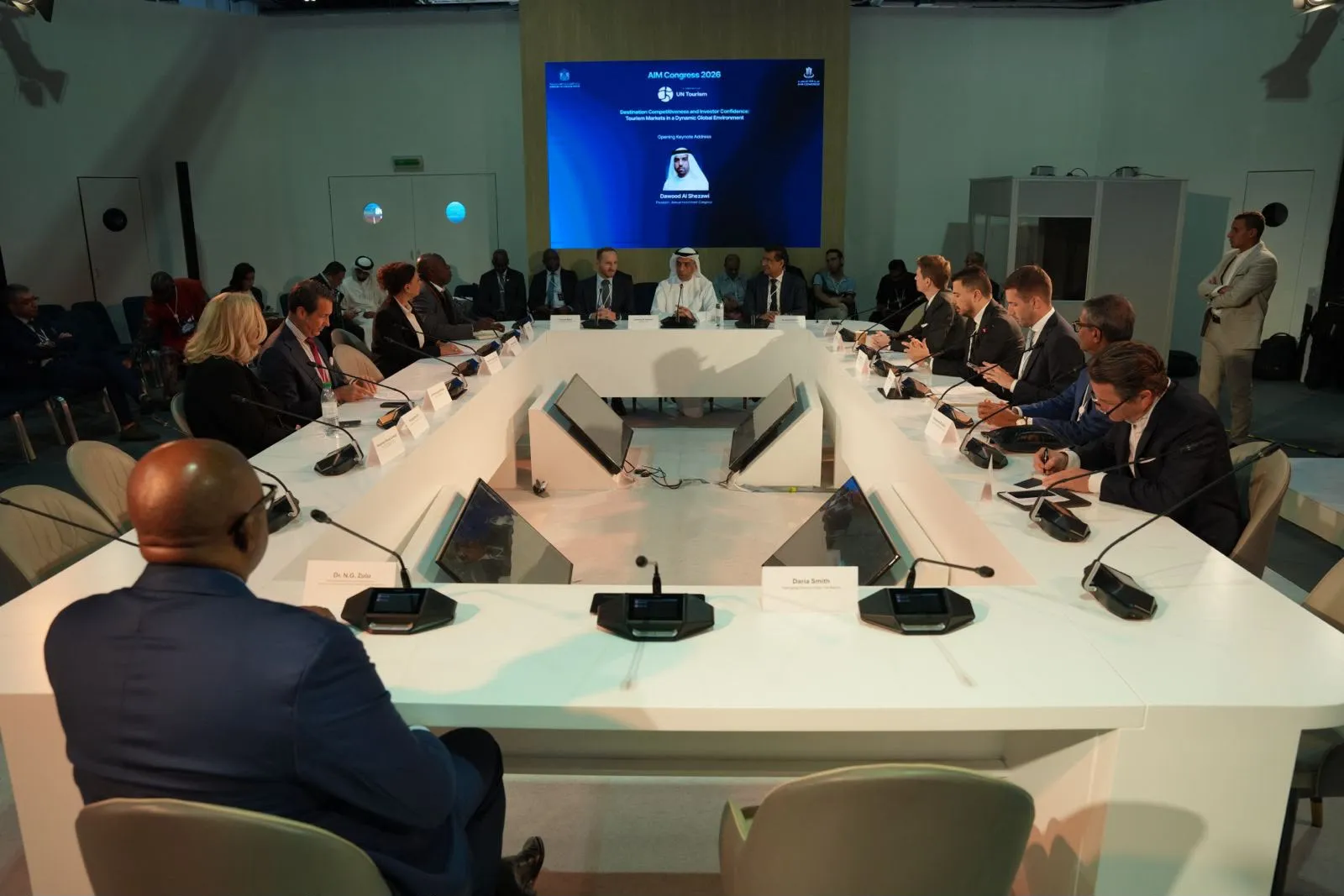
“The UAE’s strength is not only what it has already built,” Bağcı said. “It is the confidence it gives investors about what it will build next.”
That may be the more significant lesson for tourism economies competing for capital in the coming decade. Natural attractions can bring visitors. Strong marketing can increase demand. But neither automatically creates an investment destination. Capital tends to stay where governments are predictable, institutions are credible and public policy can translate ambition into executable projects.
For the World Tourism Forum Institute, that means the future of tourism competitiveness will increasingly sit at the intersection of government strategy and private capital. Governments provide infrastructure, policy and direction; businesses provide investment, innovation, brands and execution. The destinations able to bring those two sides together will not simply attract more tourists — they will build stronger tourism economies.
And in a global market where capital has more choices than ever, that difference could determine which destinations lead the next investment cycle.
Olha Pashchenko
Contributing writer at EUReflect.
Follow EUReflect
See more of our reporting on Google
Mark EUReflect as a preferred source and our stories are ranked higher for you in Top Stories, Discover and Google News — and carry a “preferred” badge when they are cited in AI results.
Add EUReflect as a preferred source