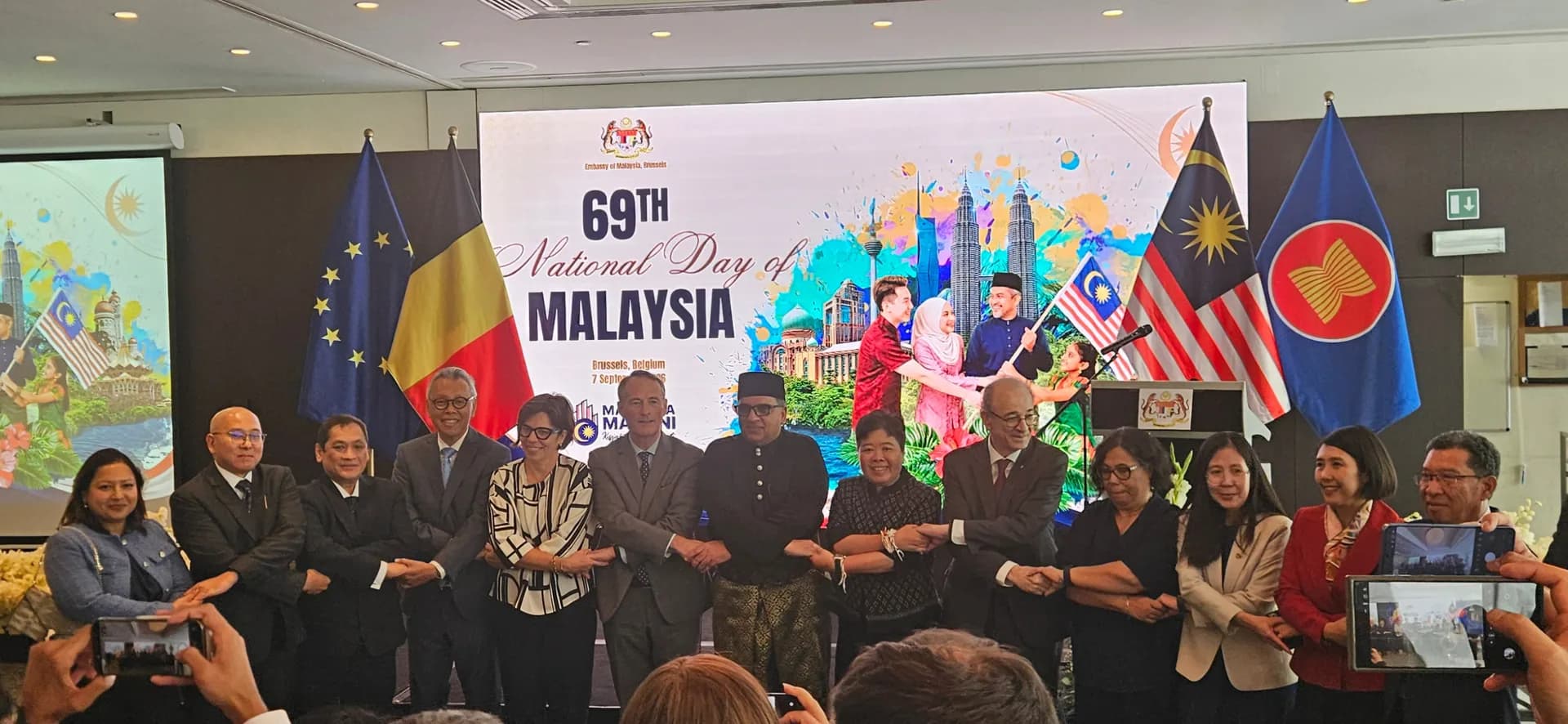
Celebration of Malaysia’s 69th National Day
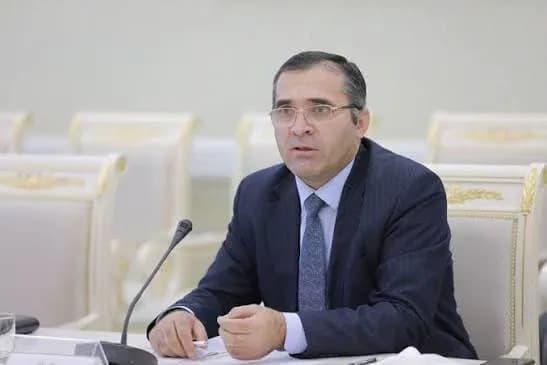
On 7 September 2026, the Embassy of Malaysia in Belgium hosted a diplomatic reception in the Grand Ballroom of The Hotel, Boulevard de Waterloo 38, 1000 Brussels, to mark the 69th anniversary of Malaysia’s independence. Far from being a mere ceremonial protocol, the event served as a strategic platform to present Kuala Lumpur’s political, economic, and diplomatic vision to its European partners. Before an audience of diplomats, Belgian authorities, and European institutional representatives, H.E. Dato’ Mohd Khalid Abbasi Abdul Razak delivered a speech that went well beyond commemoration to outline the contours of a confident and forward-looking Malaysian diplomacy.
Malaysia MADANI as the Core Narrative
Central to the address was the concept of Malaysia MADANI, the guiding framework of the Anwar Ibrahim government. The Ambassador stressed that “economic progress must translate into tangible improvements in the well-being of the rakyat”, underlining that prosperity must be shared and felt by the entire population. He elaborated that “this is the essence of Malaysia MADANI: development that is inclusive, compassionate, and centred on human dignity”. This formulation resonates with contemporary debates on good governance and people-centred development. Malaysia MADANI can be read as an attempt to move beyond a narrow, GDP-focused conception of progress toward a broader understanding of development that integrates institutional quality, social inclusion, and ethical leadership
Strong Economic Indicators as a Showcase
On the economic front, Malaysia highlighted robust figures prominently featured during the reception. The country recorded 5.4% growth in Q1 2026 and 6% in Q2, amounting to 5.7% growth in the first half of the year. Approved investments reached RM92.8 billion (around EUR 20 billion) in Q1, including RM56.2 billion (approximately EUR 12 billion) in foreign investments, spread across 1,249 projects expected to generate 50,226 new jobs.
These data are corroborated by the Malaysian Investment Development Authority (MIDA), which issued communiqués confirming these figures during the first half of 2026. The unemployment rate stands at 2.9%, while inflation remains moderate at 1.6%. The Ambassador presented these indicators as evidence of a resilient economy, underpinned by fiscal discipline and the capacity to navigate an uncertain international environment.
By foregrounding these metrics, the Malaysian representation turned the national reception into an economic showcase, designed to reassure European investors and partners about the country’s attractiveness and stability.
EU–Malaysia: A Central Partnership
The relationship with the European Union occupied a central place in the speech. The Ambassador stated: “Malaysia’s relationship with the European Union remains one of our most important global partnerships.” According to the figures cited, total goods trade between Malaysia and the EU reached EUR 49 billion in 2025, with EUR 30.3 billion in EU imports from Malaysia and EUR 18.6 billion in EU exports to Malaysia.bernamabiz+2
These figures would make Malaysia the EU’s 22nd largest goods trading partner and its third-largest trading partner within ASEAN. Bilaterally, trade between Malaysia and Belgium reportedly reached USD 2.4 billion (around EUR 2.06 billion) in 2025. The relationship now goes beyond pure trade logic to enter a broader competition for access to value chains, technologies, and markets linked to the green and digital transitions.
For Kuala Lumpur, Europe represents both a market, a source of investment, and a regulatory partner. For the European Union, Malaysia is an open ASEAN economy situated at the heart of Indo-Pacific dynamics and Asian industrial supply chains.
Accelerating MEUFTA Negotiations
The announcement of the fifth round of negotiations for the Malaysia–EU Free Trade Agreement (MEUFTA), scheduled in Brussels from 21 to 25 September 2026, marks an acceleration in talks. The Ambassador declared: “We recognise the agreement’s potential to improve market access, strengthen supply chain resilience, support green and digital transitions, and unlock new opportunities for businesses on both sides.” Malaysian media reported in June 2026 that both sides are targeting finalisation of MEUFTA in 2027.
From the perspective of EU law, the agreement will also need to be assessed in light of the division of competences between the EU and its Member States. Depending on its final content, certain provisions could fall under the Union’s exclusive competence, while others might require Member State involvement if it is deemed a “mixed agreement”, which could influence the ratification timeline.
PCA: Broadening the Partnership Framework
Alongside MEUFTA, the Partnership and Cooperation Agreement (PCA) aims to structure a broader partnership. The Ambassador stated: “It will serve as a comprehensive framework for cooperation across various areas and elevate Malaysia–EU relations to a more strategic and future-oriented partnership.” He added: “It is my fervent hope that Belgium could finalise the agreement soon.”
While MEUFTA focuses on trade liberalisation, the PCA has a wider function, covering political dialogue, security, human rights, sustainable development, education, research, and culture. The combination of both agreements would allow the relationship to evolve into a comprehensive partnership. The insistent reference to Belgium’s role in finalising the PCA also reveals the interinstitutional dimension of EU–Malaysia relations: even when negotiations are conducted at the European level, Member States retain a decisive role in the signature or ratification of agreements.
Multilateralism and Foreign Policy Positions
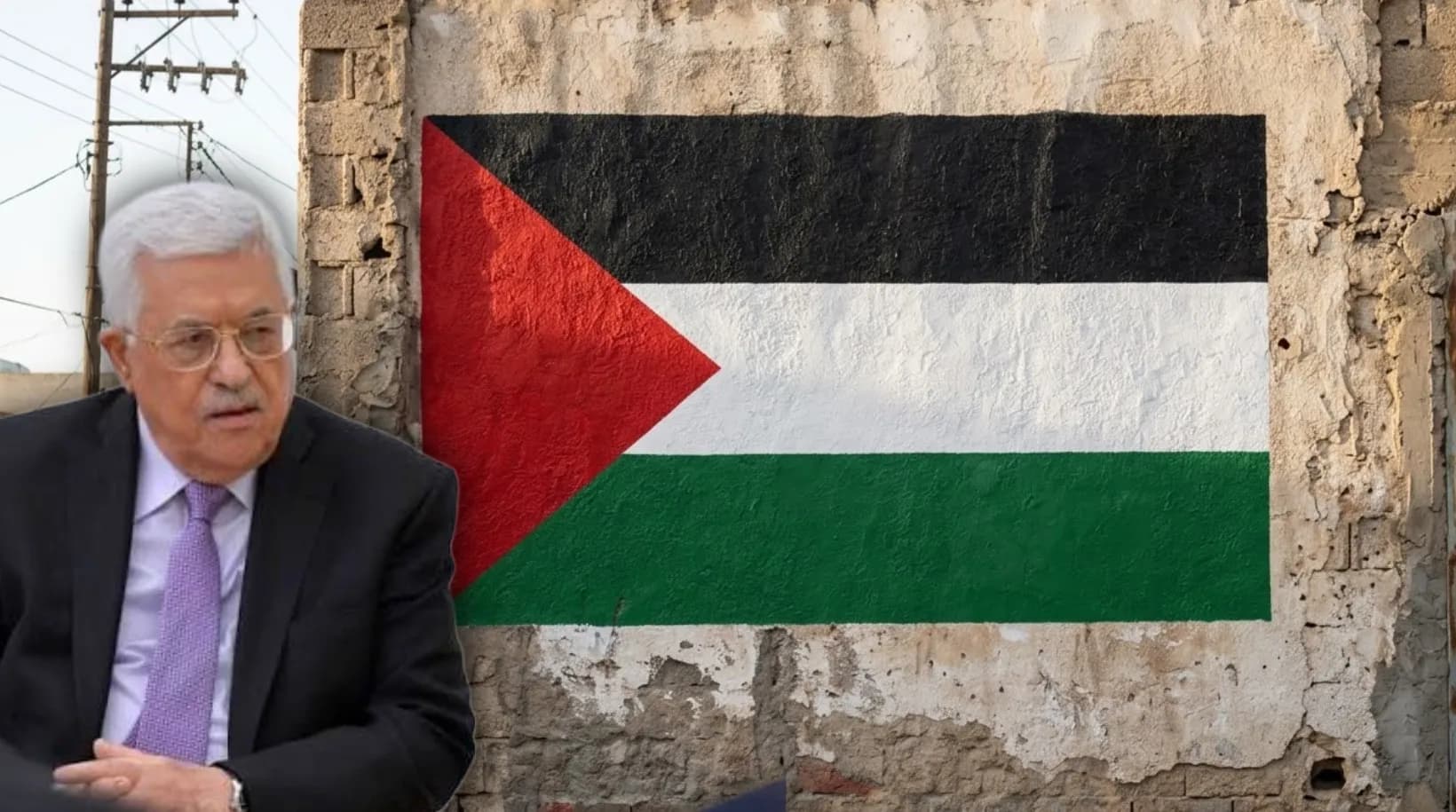
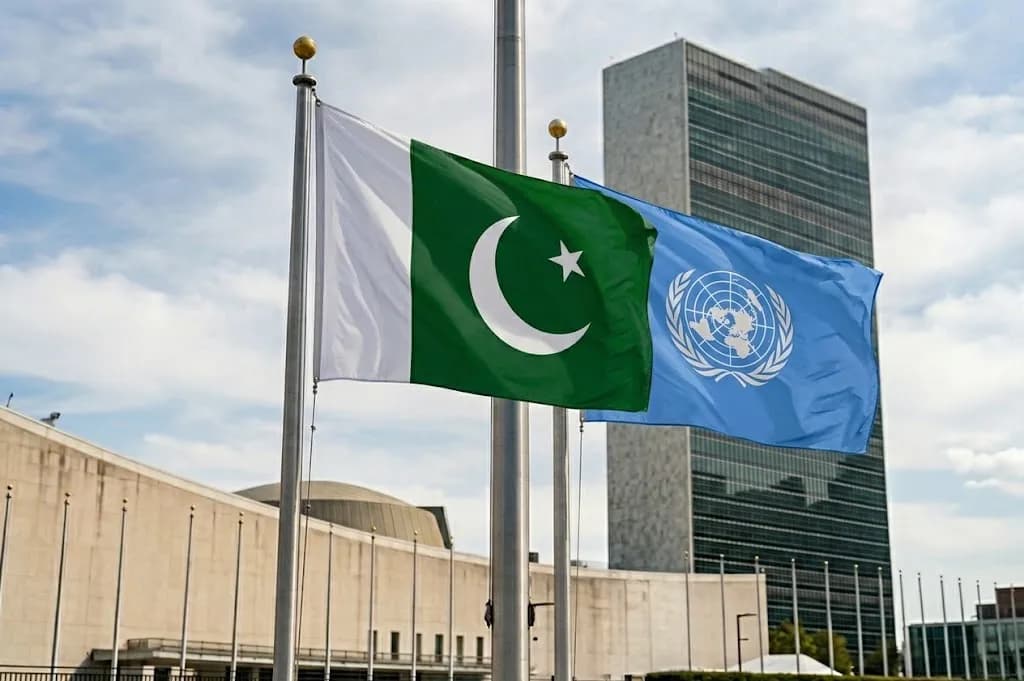
Diplomatically, Malaysia reaffirmed its commitment to a rules-based international order and its multilateral engagement. The Ambassador declared: “Malaysia remains steadfast in our support for a rule-based international order. We continue to advocate global peace, security, and prosperity.” He clarified Kuala Lumpur’s position on Palestine: “Malaysia will continue to raise its voice at all international platforms and remains committed to efforts in establishing an independent and sovereign State of Palestine based on the pre-1967 borders, with East Jerusalem as its capital.”
This posture allows Malaysia to maintain credibility with Global South countries while preserving constructive dialogue with Europe. However, convergence between Malaysian and European positions should not be overstated: while both sides share a principled attachment to multilateralism, their strategic priorities and regulatory approaches can diverge on sensitive issues.
Tourism as Public Diplomacy
Finally, tourism is being mobilised as a tool of public diplomacy. The Visit Malaysia 2026 campaign welcomed more than 1.3 million European visitors in 2025, including over 45,000 Belgians. For 2026, the Ambassador reported 30 million tourists up to August, with receipts of USD 65 million, noting an impact linked to the “unexpected Iranian crisis”. He concluded: “We invite all of you to experience ‘Malaysia Truly Asia’ — a land of diversity, warmth, and unforgettable experiences.”
The promotion of cultural diversity, gastronomy, and ecotourism contributes to building an image of Malaysia as an accessible and modern destination.
Main Conclusion
In sum, this reception illustrates how Malaysia uses national celebrations to project an image of stability, economic performance, and credible strategic partnership. The message to Brussels is clear: Kuala Lumpur intends to be regarded not only as an emerging ASEAN market but as an interlocutor capable of engaging Europe on trade, the green transition, digital issues, and multilateralism. As the Ambassador concluded: “Let us continue working together to advance peace, prosperity, and mutual understanding.” The future of the partnership will, however, depend on both sides’ ability to overcome regulatory divergences, finalise the legal framework of their cooperation, and convert political declarations into concrete outcomes.
Related Topics
Follow EUReflect
See more of our reporting on Google
Mark EUReflect as a preferred source and our stories are ranked higher for you in Top Stories, Discover and Google News — and carry a “preferred” badge when they are cited in AI results.
Add EUReflect as a preferred source