Trump Takes Center Stage in GOP Midterm Push
Republicans are putting Donald Trump at the center of their 2026 midterm strategy as the party gathers in Dallas for its first-ever national midterm convention, even as concerns grow over Trump's approval ratings and the risks of tying candidates too closely to his presidency.
A Trump-Centered Convention
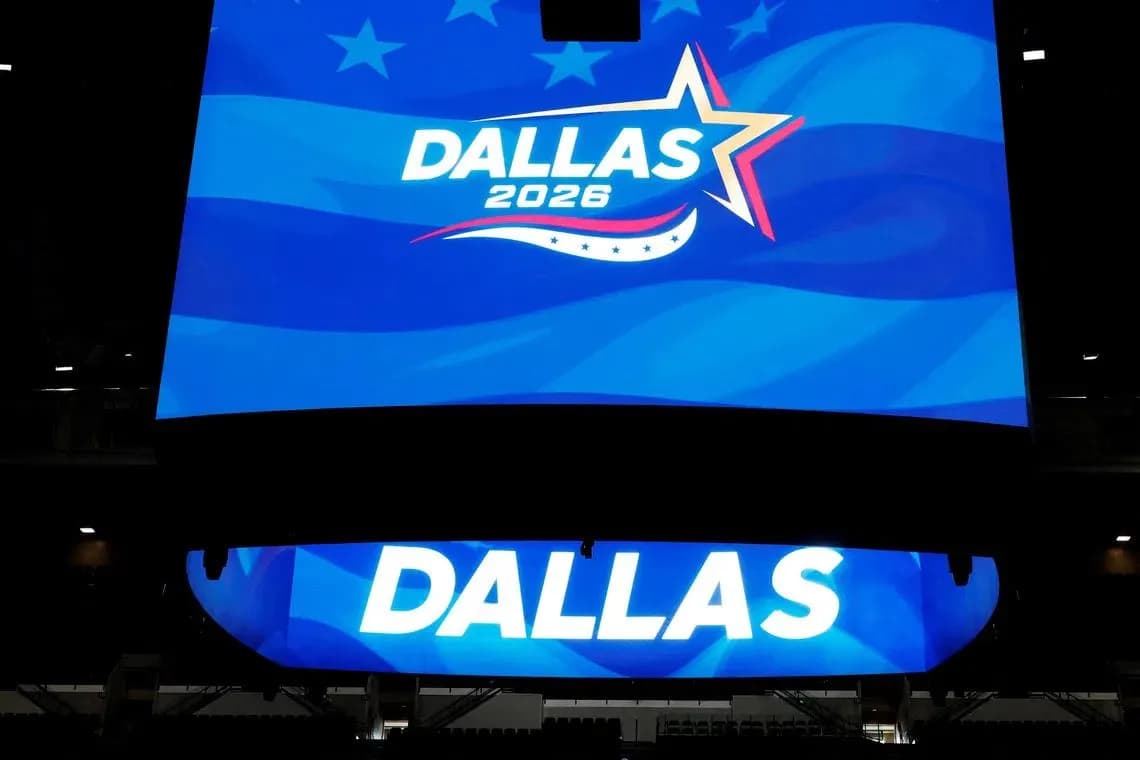
Republicans are gathering in Dallas on September 9 and 10 for an unprecedented midterm convention designed to rally voters and strengthen the party's campaign ahead of the November elections.
The event at the 20,000-seat American Airlines Center is heavily focused on President Donald Trump. He is scheduled to headline the convention, while Vice President JD Vance is also taking a prominent role.
The Republican National Committee has presented the gathering as an opportunity to promote the administration's record and introduce candidates competing in key House and Senate races. Unlike traditional presidential conventions, however, there is no nomination process. The event is essentially a large-scale political rally and campaign operation.
A Risky Strategy
Trump remains one of the Republican Party's most influential political figures, but his popularity presents a challenge for candidates in competitive races.
Several Republicans running in closely contested districts have kept their distance from the Dallas event. Their concern is that appearing too closely aligned with Trump could energize Democratic voters and hurt their chances in districts where the president remains unpopular.
Reuters reported that some Republican candidates are avoiding the convention because they fear the event could become more about Trump than about the broader Republican agenda.
The Texas Test
Texas is one of the races receiving particular attention during the convention.
Republican Attorney General Ken Paxton is running for the Senate against Democrat James Talarico. Trump has strongly backed Paxton and has made the race a priority for his political network.
The contest is significant because Texas has traditionally been a Republican stronghold, but Democrats are seeking to make the state more competitive. Trump is using his influence to mobilize Republican voters and resources around Paxton's campaign.
Cost of Living Takes Center Stage
Republicans are also attempting to shift attention toward issues that directly affect voters.
The convention's programme emphasizes tax cuts, healthcare affordability, immigration, border security, trade, domestic manufacturing and the cost of living.
The strategy reflects Republican concerns that economic pressure and high prices could become major issues in the midterm elections. At the same time, the unpopular war with Iran receives little attention in the official convention programme, despite its potential political impact.
The Post-Trump Question
The convention also highlights a larger question facing the Republican Party: what happens after Trump?
Trump cannot seek a third presidential term under the U.S. Constitution. As a result, Republican officials and donors are increasingly looking toward the party's next generation of leaders.
Vice President JD Vance has emerged as one of the leading figures associated with the future of Trump's political movement, while Secretary of State Marco Rubio represents another possible direction for the party.
Reuters reports that Republicans are already debating which elements of Trumpism should survive beyond Trump himself, including populism, strict immigration policies, skepticism toward foreign intervention and opposition to free-trade policies.
A Crucial Midterm Test
The 2026 elections will determine whether Republicans can maintain control of Congress and give Trump greater freedom to pursue his agenda during the final part of his presidency.
A Democratic victory in either chamber would significantly limit Trump's ability to advance legislation and could lead to increased congressional investigations of his administration.
For Republicans, the Dallas convention is therefore more than a campaign event. It is a test of whether Trump's political strength can translate into electoral victories — and whether the party can remain united around his movement while preparing for a future without him.
Ipek Tuncer
M.A. in International Relations
Follow EUReflect
See more of our reporting on Google
Mark EUReflect as a preferred source and our stories are ranked higher for you in Top Stories, Discover and Google News — and carry a “preferred” badge when they are cited in AI results.
Add EUReflect as a preferred source