Breaking barriers in Lesotho: an interview with Deputy Prime Minister Nthomeng Majara
Lesotho’s Deputy Prime Minister Nthomeng Majara reflects on her historic career, the importance of judicial independence, her fight against gender-based violence, and her vision for the nation's future.
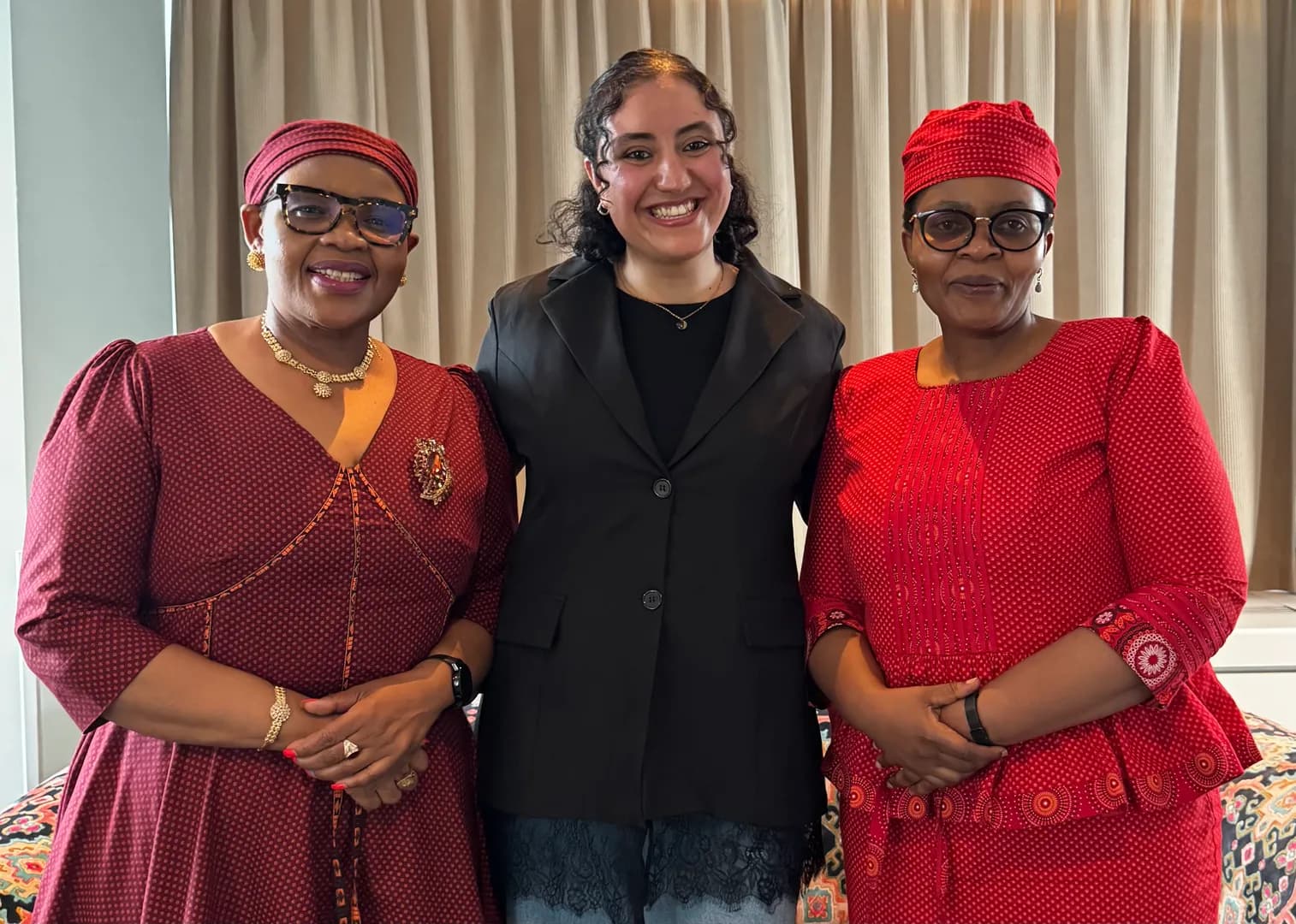
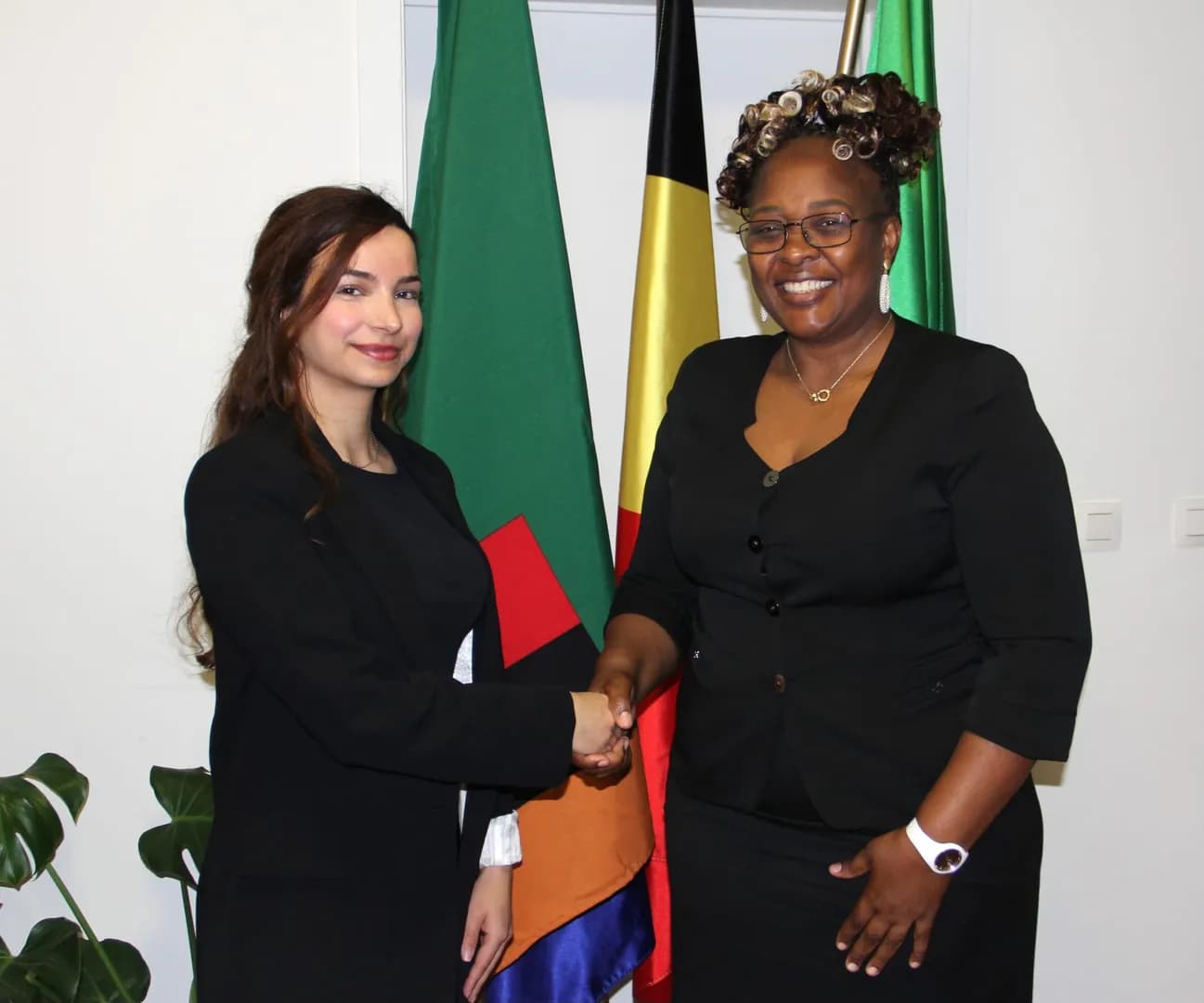
Majara is Lesotho’s first woman to serve as Deputy Prime Minister, following a pioneering career in the judiciary as the country’s first female Chief Justice. Her transition from the judiciary to politics has provided her with a unique perspective on the relationship between different branches of government, the rule of law, and judicial independence. Beyond her institutional responsibilities, Majara has made women’s rights and the fight against gender-based violence central to her political work. She also highlights substantial opportunities for Lesotho in tourism, water, and renewable energy, desiring the country to be better understood and more widely recognized internationally.
In this interview, the Deputy Prime Minister reflects on the figures who shaped her leadership, the profound responsibility of holding positions traditionally occupied by men, and the lasting legacy she hopes to leave for future generations.
Leadership
1) You have held two historic positions, first as Chief Justice and now as Deputy Prime Minister. What has shaped your approach to leadership?
Deputy Prime Minister Majara: My mother was not highly educated because, traditionally, girls did not have the same opportunities as boys. Yet the way she approached life was like that of an educated person. She was a believer in God, and that gave me a moral compass and something to hold on to when things became difficult.
I have also been influenced by many women I have met throughout my life,women with PhDs, women running communities and households, police officers, and women in the army.
But one person I will never forget is my first teacher, Miss Florina. She was incredibly patient. At a time when corporal punishment was common, I don't remember her ever raising a hand against any of us. She used to call me “Ever Smiling.” She left a lasting impression on me.
A seat at the table for women
2) You made history as Lesotho’s first female Chief Justice and first female Deputy Prime Minister. What does your presence in these positions mean for young women?
Deputy Prime Minister Majara: My presence in these positions means many things, but one thing that stands out to me is my journey from the judiciary into politics.
Having been Chief Justice and having interacted with politicians, it was not always a pleasant experience. My legal background and experience as a former head of the judiciary have helped me contribute to respect for the rule of law, human rights, and, most importantly, the separation of powers.
Most politicians do not fully understand the concept of separation of powers. They may believe that because they are politicians, they can interfere with the judicial arm of government. I always remind them that one day they will no longer be in that position and will need an independent judiciary to decide matters affecting them.
I think my journey from the judiciary into this other arm of government has been valuable. As Deputy Prime Minister, I am also a member of Parliament and Leader of the House, so I am in a position that connects the three arms of government.
I know the dangers of a politicised judiciary that is not allowed to carry out its functions without political interference. That is something my experience has brought to my current role.
We also have a high rate of gender-based violence, and that is an issue I am very passionate about. Defending women’s rights was important to me when I was in the judiciary, and it remains important to me now as Deputy Prime Minister.
It is crucial for any government to have at least one woman among its leaders because women are able to fiercely advocate for other women. As female judges, we brought a dimension to these issues that had not always been a major focus among our male counterparts.
Sometimes people ask why a woman took so long to report violence. They do not understand that women may take years before they are able to come forward. Gender-based violence has many serious and negative effects on victims.
Being in this position gives me a seat at the table where I can discuss these issues with men and challenge their perceptions. Sometimes I ask difficult questions: “How would you feel if it was your own mother? Your own daughter? Your own sister?” These are questions people are sometimes afraid to ask.
Explaining Lesotho to Europe
3) If you had to explain Lesotho to someone who has never heard of it, what key things would you want Europe to better understand about your country?
Deputy Prime Minister Majara: Lesotho is a kingdom surrounded by one big developing country, and because of that, we have a unique geographical position that brings many challenges. But I don't want to focus on the challenges. I want to focus on the positives.
The lowest point in Lesotho is 1,000 metres above sea level, while the highest areas reach almost 3,500 metres. This makes us very unique.
We are the “water tower” of the region. We have beautiful, snow-capped mountains in winter, rivers meandering through our mountains and valleys, and even a ski resort,something people would not expect to find in Africa.
There is a lot of potential for tourism, and I would encourage people from Europe to come and experience the country and its people.
Most importantly, Europe should also come and invest. We have plenty of water and want to become a hub for renewable energy, with the potential to export energy to the region and hopefully beyond.
We have clean air and a lot of sunshine, so there is great potential for renewable energy, particularly hydropower. We also have diamonds, although the market currently has its challenges.
A legacy for young women
4) When your political career eventually comes to an end, how would you like people to remember you?
Deputy Prime Minister Majara: I would like the people of Lesotho to remember me as a woman who reached these positions not simply because I was a woman, but because I had what it took to bring positive change to the lives of ordinary people. In particular, I want to inspire young girls and women, whether they live in urban areas or in the most rural parts of the country.
Gender-based violence is one area I am particularly passionate about because I have seen young girls and women suffer. I want to pick up the baton and run with it.
I want to be remembered as a woman who inspired every young girl and woman out there.
As Lesotho continues to navigate its path toward sustainable growth, strengthened democratic governance, and social reform, leaders like Deputy Prime Minister Nthomeng Majara remain at the forefront of driving meaningful change. Her remarkable journey from the bench to the halls of parliament stands as a testament to resilience, integrity, and a steadfast dedication to justice.
Related Topics
Saadia Ajbaili
Contributing writer at EUReflect.
Follow EUReflect
See more of our reporting on Google
Mark EUReflect as a preferred source and our stories are ranked higher for you in Top Stories, Discover and Google News — and carry a “preferred” badge when they are cited in AI results.
Add EUReflect as a preferred source