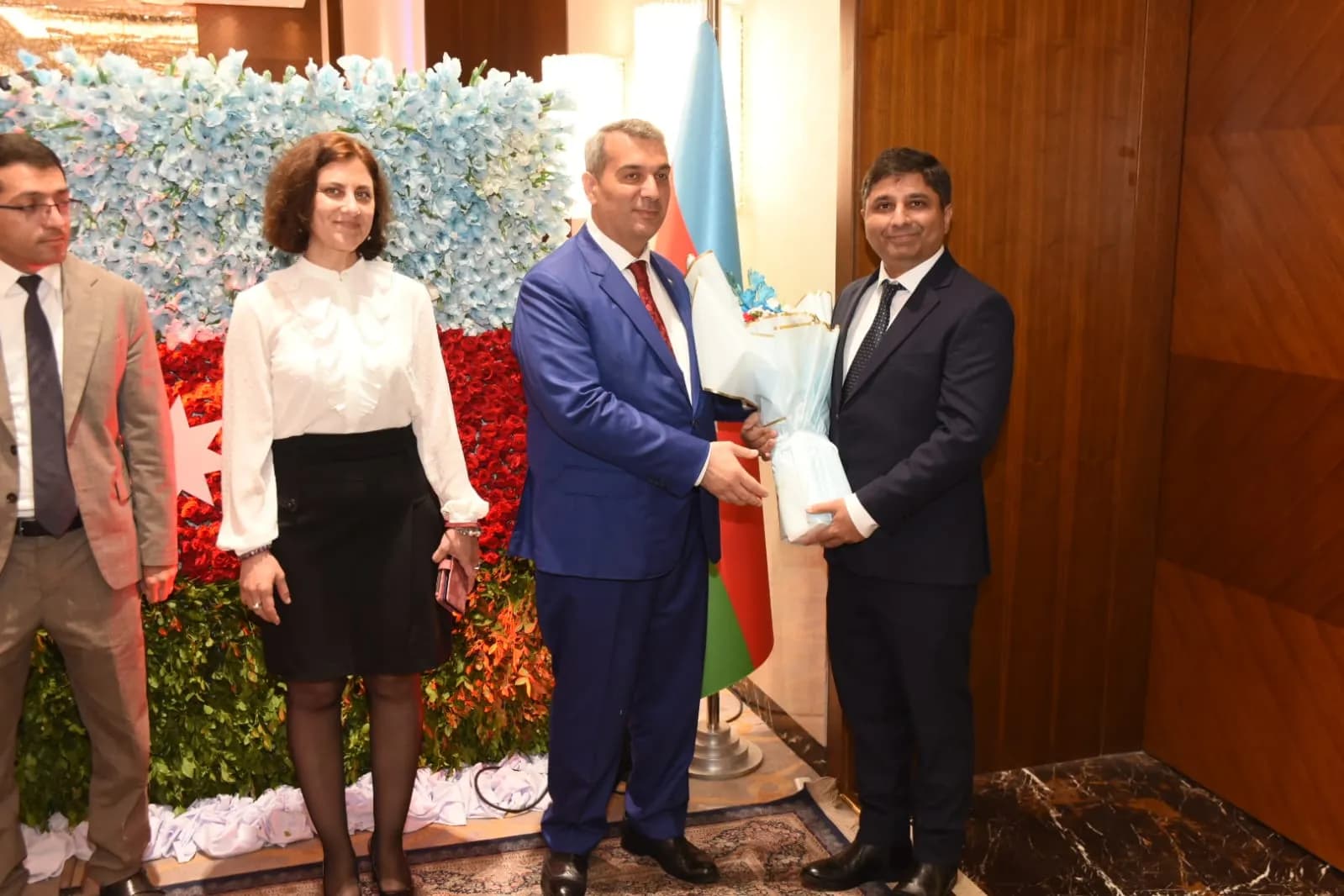
Avaza Forum Highlights Turkmenistan’s Role in Women’s Empowerment
The International Conference “The Role of Women in Modern Society: Developing International Cooperation for Sustainable Development” held in Turkmenistan’s Avaza National Tourist Zone gathered leading political, social, and cultural figures from across Central Asia, the Middle East, Europe, and Asia. Turkmenistan positioned itself as the central driver of regional dialogue, showcasing its commitment to peace, trust, and humanitarian development—especially during its national observance of the International Year of Peace and Trust.
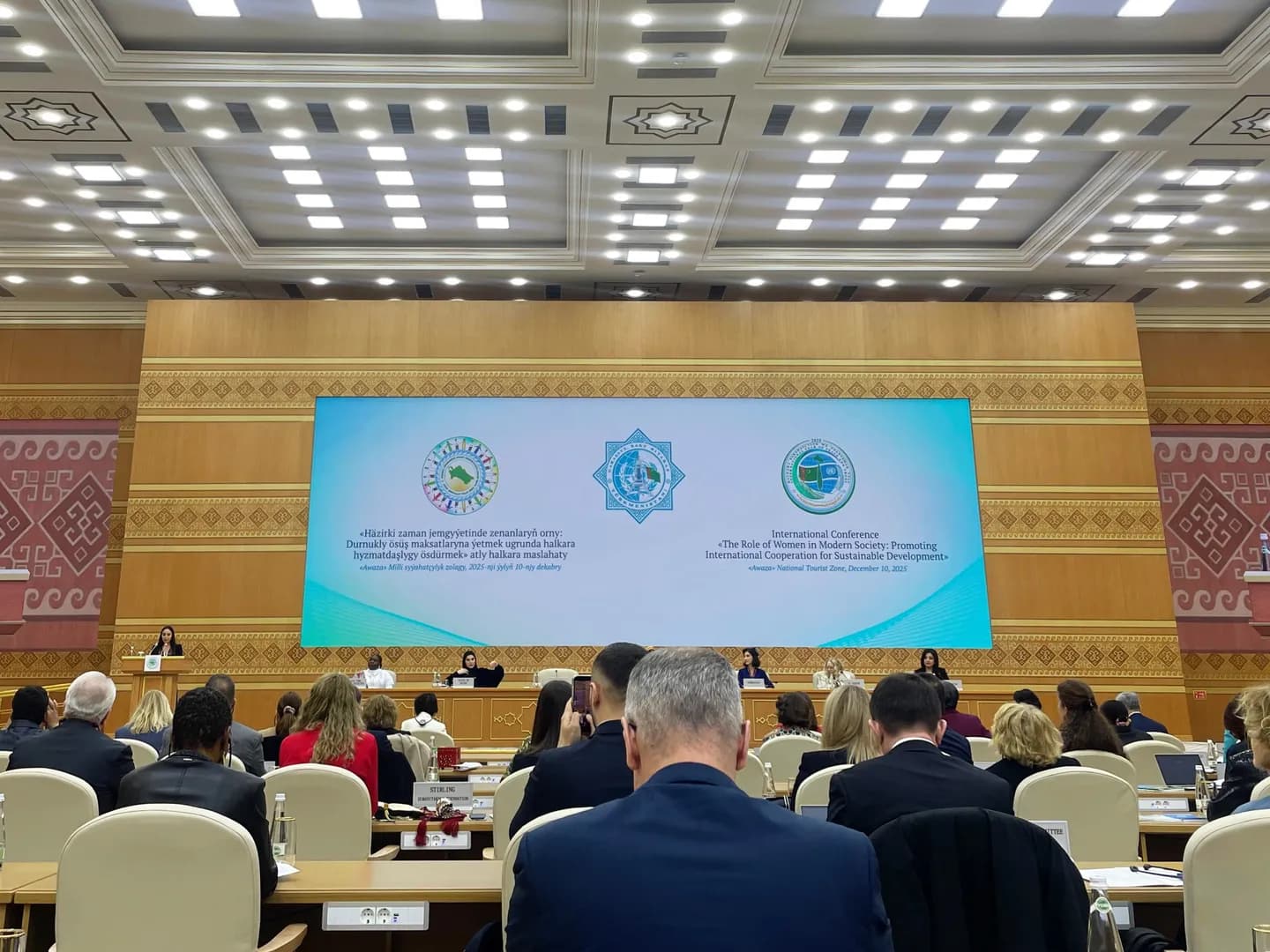
Avaza, Turkmenistan – December 10, 2025. Turkmenistan asserted its growing leadership in regional diplomacy, sustainable development, and women’s empowerment as it hosted the high-level International Conference “The Role of Women in Modern Society: Developing International Cooperation for Sustainable Development” in the Avaza National Tourist Zone on December 9–10, 2025.
With participation from leading political figures, ministers, international organisations, and civil society representatives—from Azerbaijan, Uzbekistan, Tajikistan, Malaysia, Qatar, Iran, China, Kazakhstan, Kyrgyzstan, and beyond—the conference became one of the year’s most significant platforms advancing multilateral dialogue on gender equality and sustainable societal development.
Turkmenistan’s central role was evident from the outset. The country positioned the event as a flagship contribution to the International Year of Peace and Trust, reaffirming its long-standing diplomatic model rooted in neutrality, humanitarian commitments, and societal cohesion.
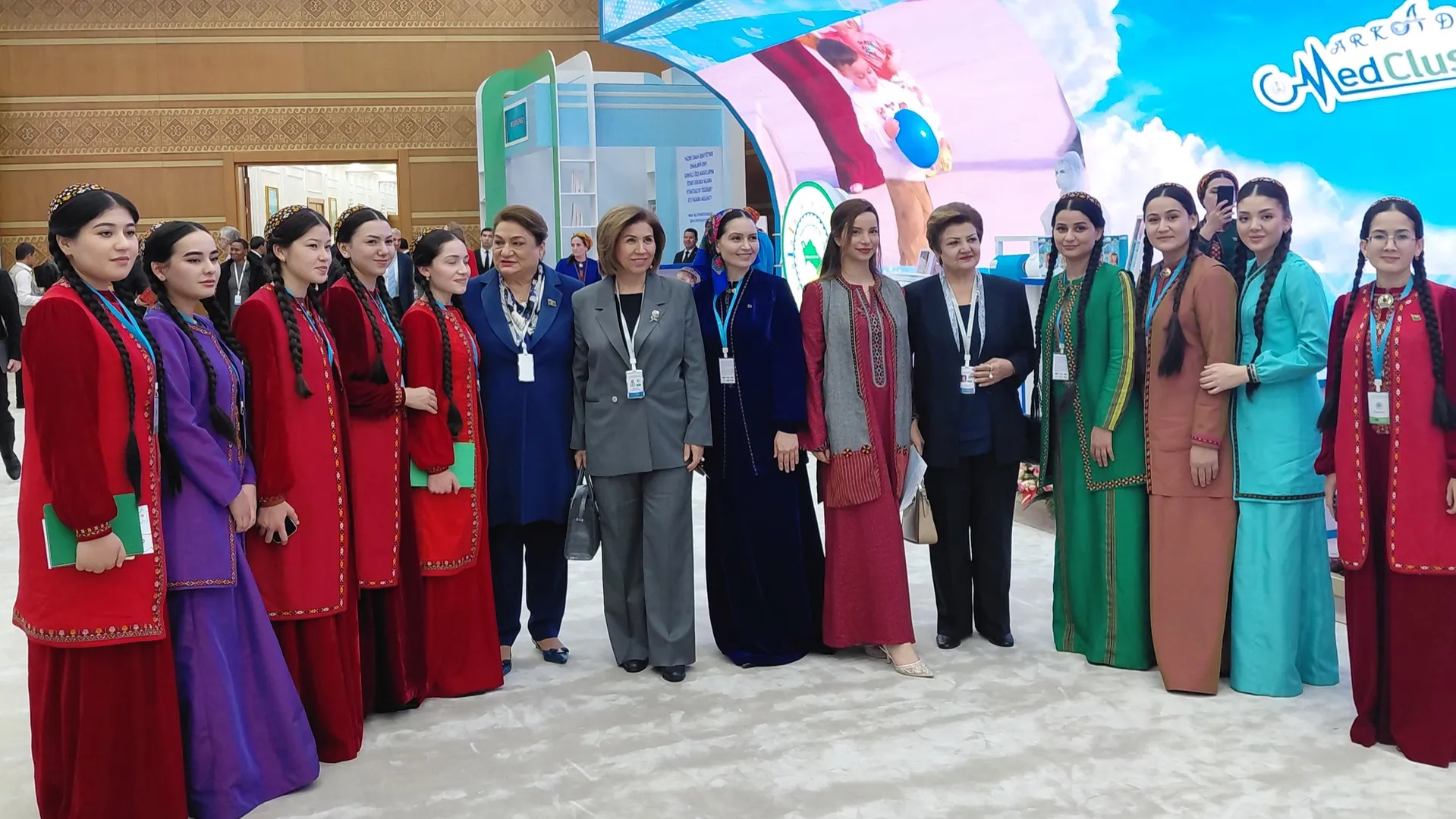
A special cultural exhibition by the heads of delegations—featuring Turkmen music, traditional attire, and heritage showcases—further highlighted Turkmenistan’s soft power and cultural diplomacy. Oguljahan Atabayeva, Executive Director and Vice President for Medical Activities of the Charitable Foundation for Aid to Children in Need of Guardianship named after Gurbanguly Berdimuhamedov, personally accompanied delegation leaders, reinforcing the country’s commitment to presenting its cultural and humanitarian identity with openness and dignity.
A Platform for Action: Strengthening Women’s Leadership and Societal Contribution
The conference included thematic sessions dedicated to:
• Public Administration and Civil Institutions for the Benefit of Women and Children
• Expanding Women’s Economic Opportunities
• Women’s Social Engagement in Education, Childcare, Healthcare, and Ecology
• A plenary session on multilateral dialogue and partnerships enhancing women’s roles across political, economic, and socio-humanitarian spheres
A document signing ceremony concluded the working sessions, outlining further cooperation programs across the region.
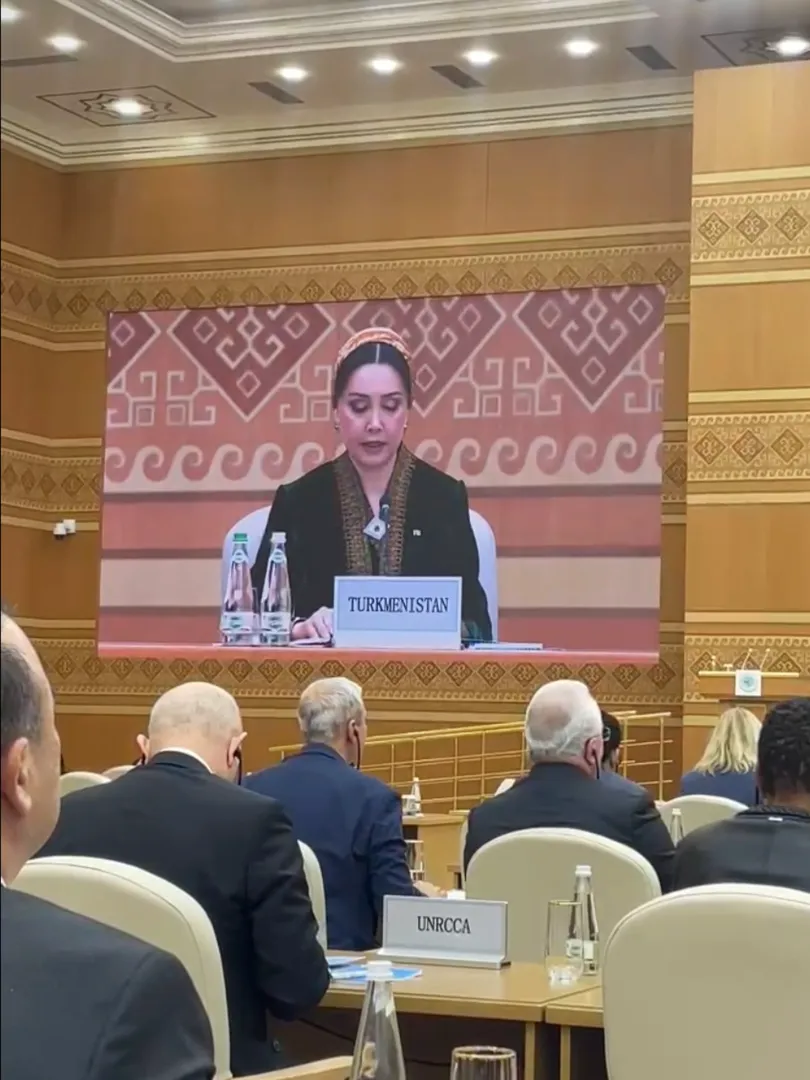
Oguljahan Atabayeva: “Women’s values are peace, respect, and trust”
Delivering one of the conference’s most compelling speeches, Oguljahan Atabayeva highlighted Turkmenistan’s holistic state policies aimed at protecting mothers and children and promoting sustainable social development.
Her speech was notable for its practical vision, its humanitarian depth, and its clear alignment with Turkmenistan’s national priorities.
Atabayeva emphasized that the conference is not merely a symbolic gathering but a strategic mechanism for shaping policies in science, ecology, medical innovation, maternal health, and child welfare.
“Our primary goal is to integrate science with ecology in a way that produces concrete outcomes. This conference must not be a one-time event—it must become an annual, valuable platform. Today is a crucial moment because the world needs practical solutions, and these solutions demand collaboration: in education, in medicine, and in social development.”
She underscored that women should be a priority in policymaking, not because of quotas or symbolism, but because the values they carry—peace, empathy, trust, responsibility—are the foundation of stable societies.
“Women’s values are peace, respect, and trust. These values are essential to building sustainable societies. This year, Turkmenistan marks the International Year of Peace and Trust, and our responsibility is to pass this peace to future generations.”
Atabayeva also highlighted Turkmenistan’s flagship programs supporting maternal health, child protection, and humanitarian outreach, calling them models for the region:
“Our maternal care programme provides comprehensive support for pregnant women and young mothers. It strengthens social dialogue, protects children, and aims to ensure long-term stability in families.”
Turning to regional diplomacy, she referenced Turkmenistan’s leadership role in the Central Asian Women’s Dialogue, stressing that women’s leadership in Central Asia is becoming increasingly institutionalized.
“We need greater responsibility, stronger societal status for women, and more investment in medical innovation. This conference is a new multilateral platform—one that Turkmenistan is proud to offer the world.”
Saida Mirziyoyeva: A Reminder of Historical Courage and a Call for Daily Commitment
Saida Mirziyoyeva, Head of the Administration of the President of Uzbekistan, delivered a powerful speech tracing Central Asia’s historical leadership in women’s education and political rights. She called equality “a daily commitment,” urging society to view women’s rights as human rights and to ensure that women’s leadership becomes “normal, not extraordinary.”
She reflected on Central Asia’s early legacy of women’s education, noting that young women studied in Europe at a time when many nations still denied women basic schooling.
Yet she questioned why later generations began accepting a narrative of limitation:
“At some point, we accepted the belief that equality was beyond our reach. Who decided that women’s empowerment was not for us? Why did we stop believing in ourselves?”
Mirziyoyeva highlighted Uzbekistan’s substantial reforms—scholarships for women, free master’s programmes, and accelerators for women entrepreneurs—presenting them not as achievements, but as responsibilities.
“Equality is not a destination. It is a daily commitment. We cannot afford to sideline women—it is neither economically nor morally sustainable.”
Her speech culminated in a deeply personal call for solidarity:
“Women’s leadership is not extraordinary—it is essential. And women must believe in their own strength. We stand on the shoulders of countless women who came before us. Now it is our turn to keep the path open for our daughters.”
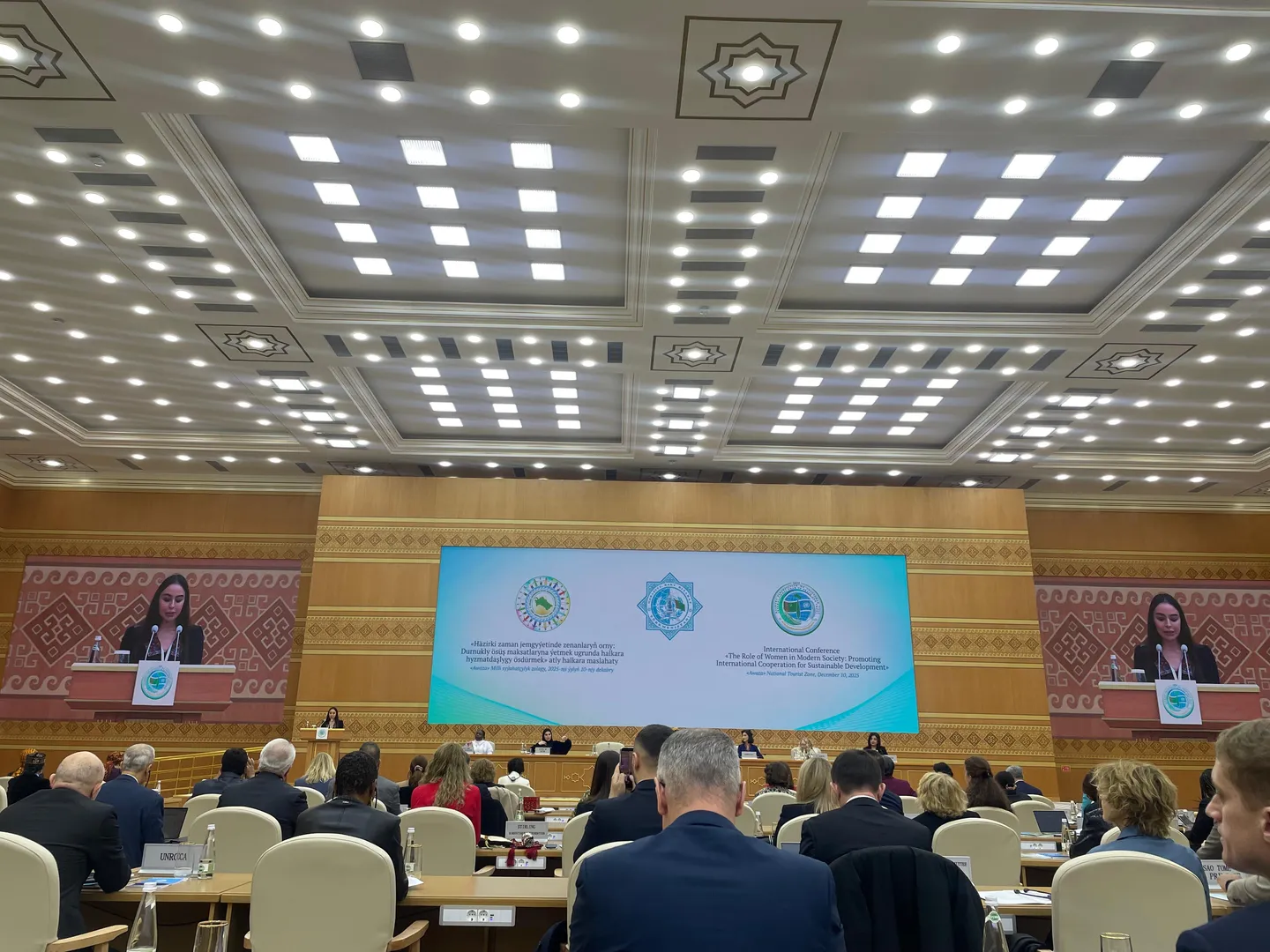
Leyla Aliyeva: Education, Environmental Stewardship, and Humanitarian Vision
Leyla Aliyeva, Vice President of the Heydar Aliyev Foundation and founder of IDEA, highlighted Azerbaijan’s long-standing investments in education and global humanitarian projects—from Africa to South Asia—stressing that the force of maternal love, cultural values, and environmental stewardship remains central to global progress.
“There is no force on earth greater than love—mother’s love, nature’s love. Our mission is to transform this love into practical action through education, environmental protection, and humanitarian projects.”
She voiced concern over the ecological crisis of the Caspian Sea, urging a unified regional response:
“The Caspian Sea is losing water, biodiversity, and entire ecosystems. This is a crisis that concerns not only Azerbaijan or Turkmenistan, but all humanity. We must act together.”
Aliyeva praised Turkmenistan for hosting a conference that combines diplomacy with cultural dialogue and youth engagement:
“Turkmenistan shows that cultural diplomacy is not an accessory—it is a strategic tool for building mutual respect and long-term partnerships.”
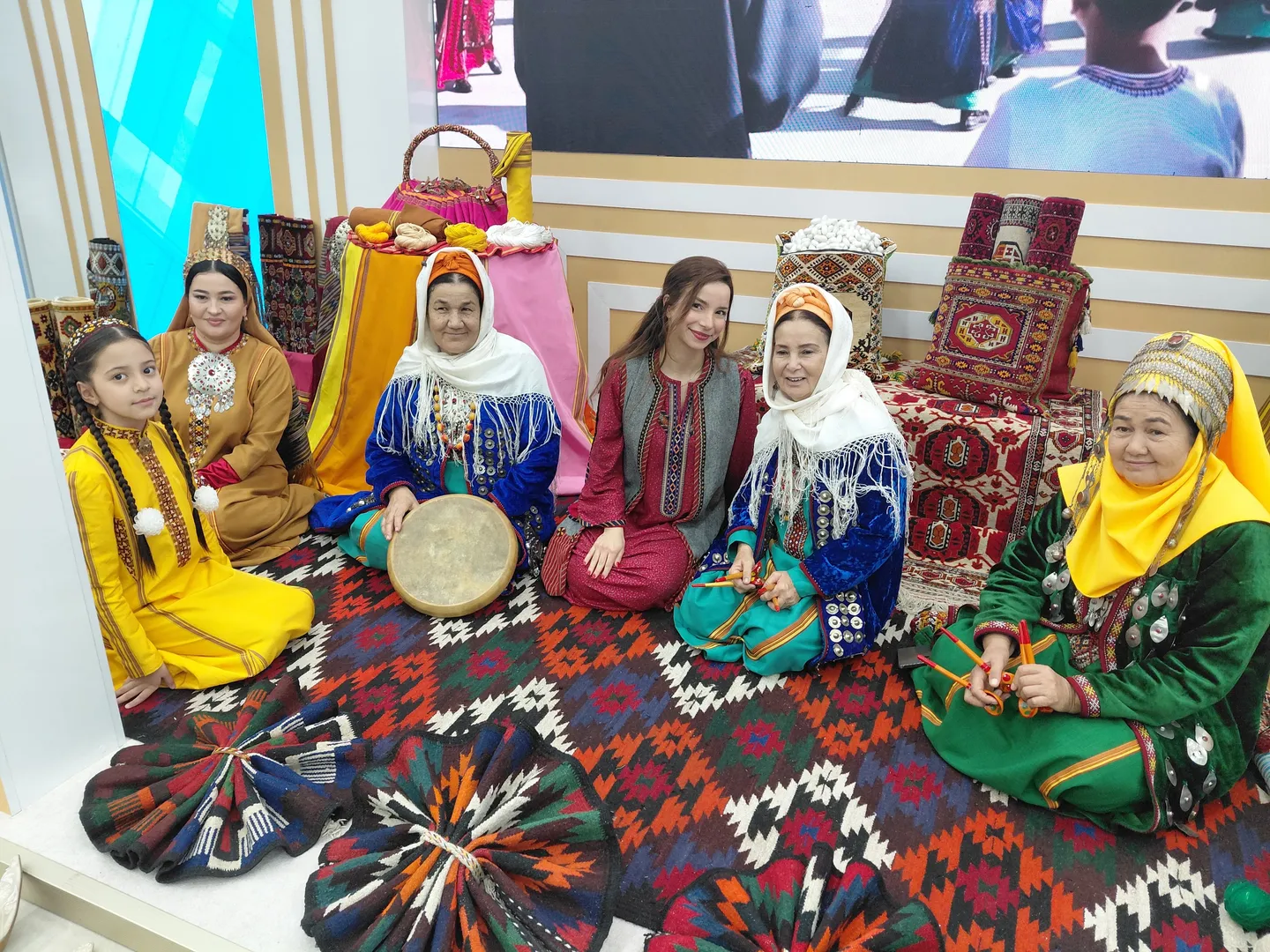
Turkmenistan’s Leadership Highlighted Through Cultural Diplomacy
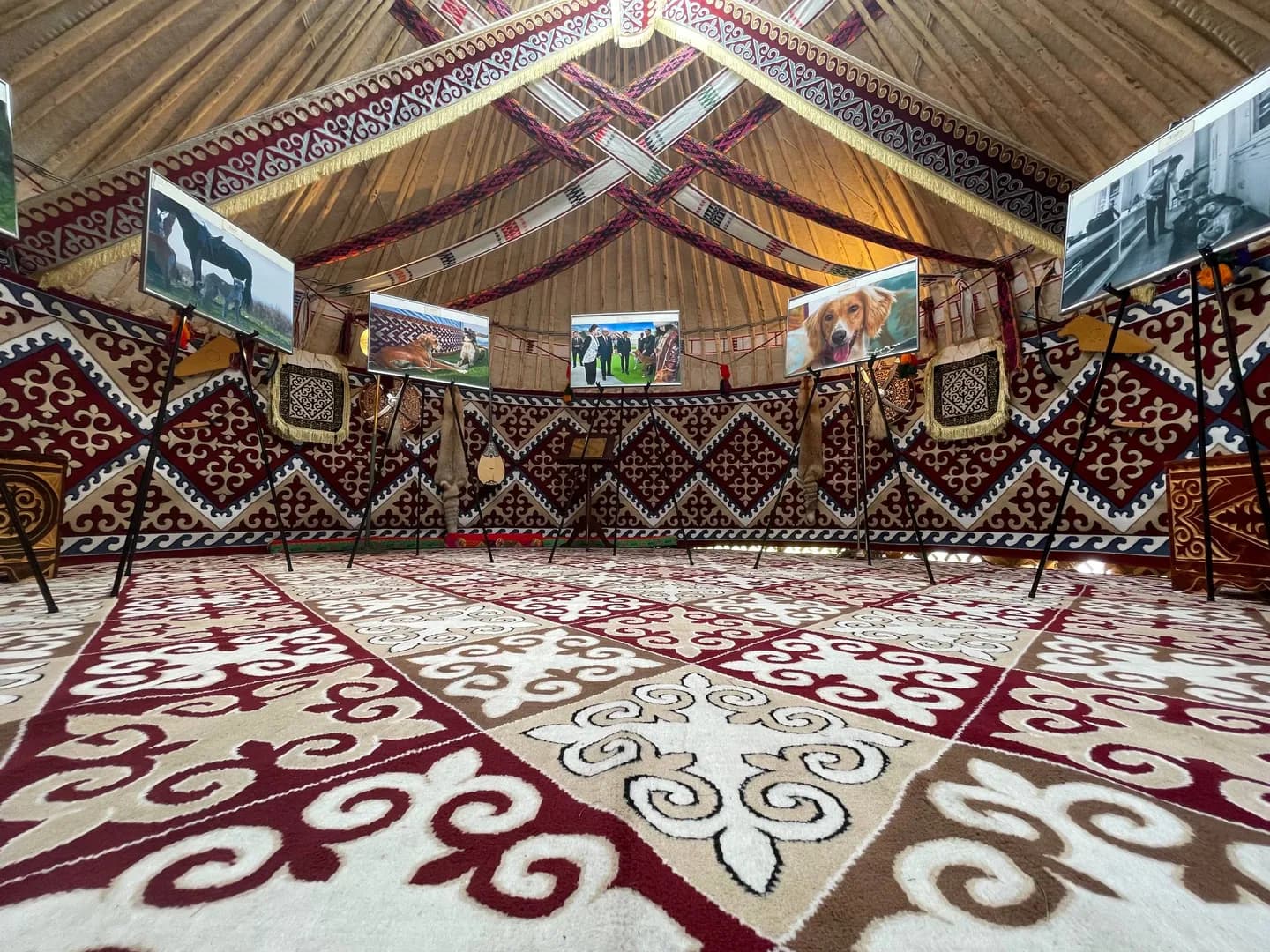
One of the conference’s defining elements was the cultural program organised by Turkmenistan. Delegation heads were offered an immersive presentation of Turkmenistan’s rich traditions, music, and national attire. In this context, cultural diplomacy functioned not as an accessory, but as a core instrument of international engagement—demonstrating Turkmenistan’s ability to build bridges through heritage, identity, and shared values.
Oguljahan Atabayeva personally accompanied delegation leaders, serving as an ambassador of Turkmenistan’s hospitality and cultural diplomacy. Participants praised the exhibition as one of the most memorable elements of the conference, deepening mutual understanding through art and tradition.
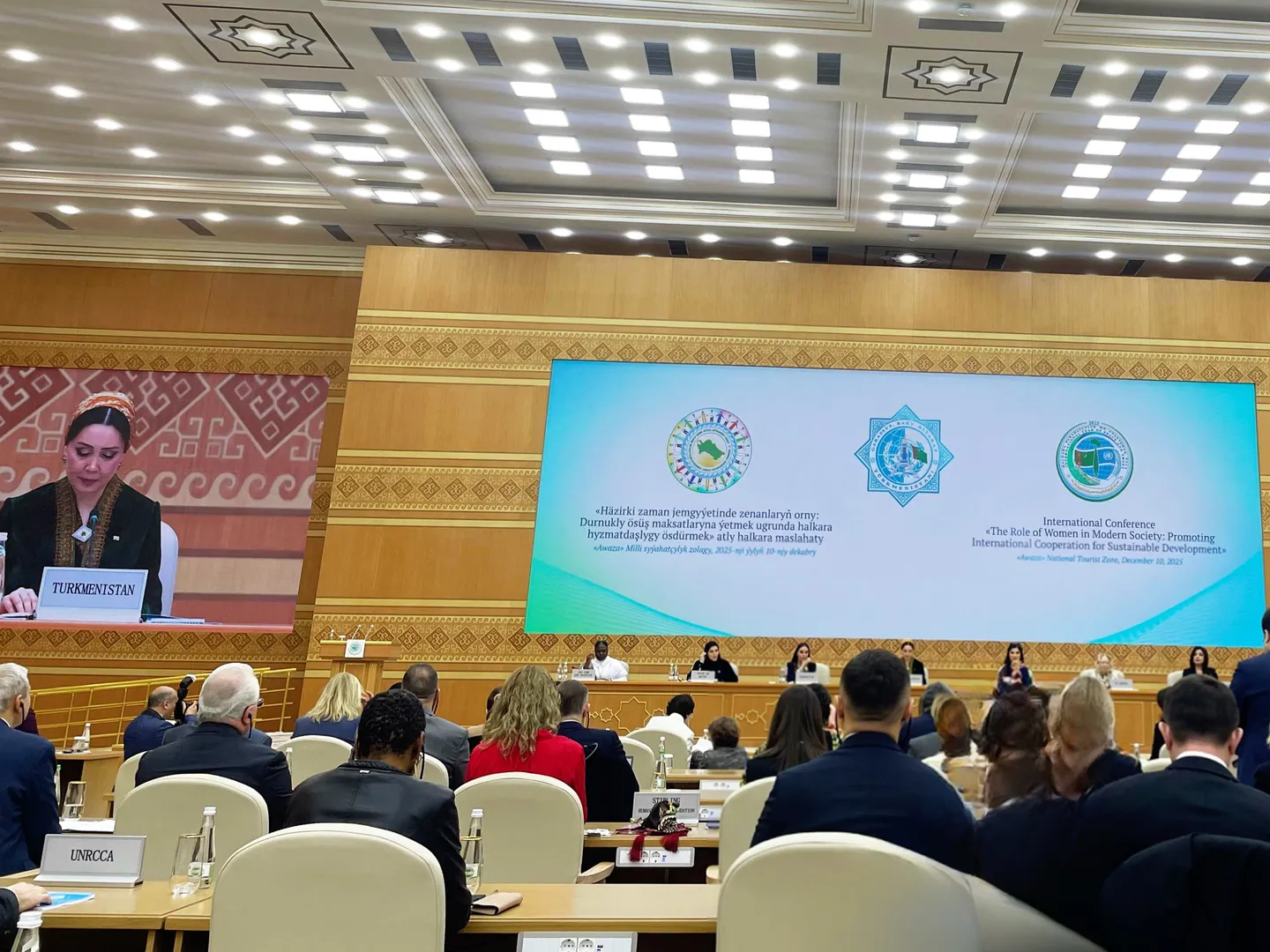
A Milestone for Regional Cooperation
The Avaza conference not only reaffirmed Turkmenistan’s leadership in promoting women’s empowerment and sustainable development but also positioned the country as a principal convener of multilateral dialogue in Central Asia.
By placing women at the center of sustainability, governance, and humanitarian action, Turkmenistan signaled its intention to remain a regional leader and global partner in shaping a more inclusive and resilient future.
By bringing together policymakers, activists, and experts under one platform, Turkmenistan demonstrated that inclusive development, initiatives, and cultural diplomacy can generate transformative regional impact.
The event’s significance lies not only in the policy commitments made, but in the new coalition of voices it assembled—voices determined to advance equality, peace, trust, and progress for future generations.
Derya Soysal
Contributing writer at EUReflect.
Follow EUReflect
See more of our reporting on Google
Mark EUReflect as a preferred source and our stories are ranked higher for you in Top Stories, Discover and Google News — and carry a “preferred” badge when they are cited in AI results.
Add EUReflect as a preferred source