Azerbaijan’s Victory Day: November 8
Azerbaijan’s Victory Day, observed on 8 November, commemorates the liberation of Shusha during the 44-day war of 2020 and the broader recovery of territories under Azerbaijani control. The article examines the historical background of the Nagorno-Karabakh conflict, the failure of long-standing diplomatic efforts, the human cost of the war, and the importance of historical context in international debate. It highlights the UN Security Council resolutions of 1993, the displacement of Azerbaijanis, and the significance of the 2020 trilateral ceasefire agreement.
Azerbaijan’s Victory Day: November 8
Integrity had to be restored.
Diplomatic negotiations, including the OSCE Minsk Group process, did not produce a lasting settlement.
For Azerbaijan, the failure to achieve a negotiated resolution became an enduring national frustration. The events of 2020 would fundamentally change that situation.
Forty-four days that changed the course of history
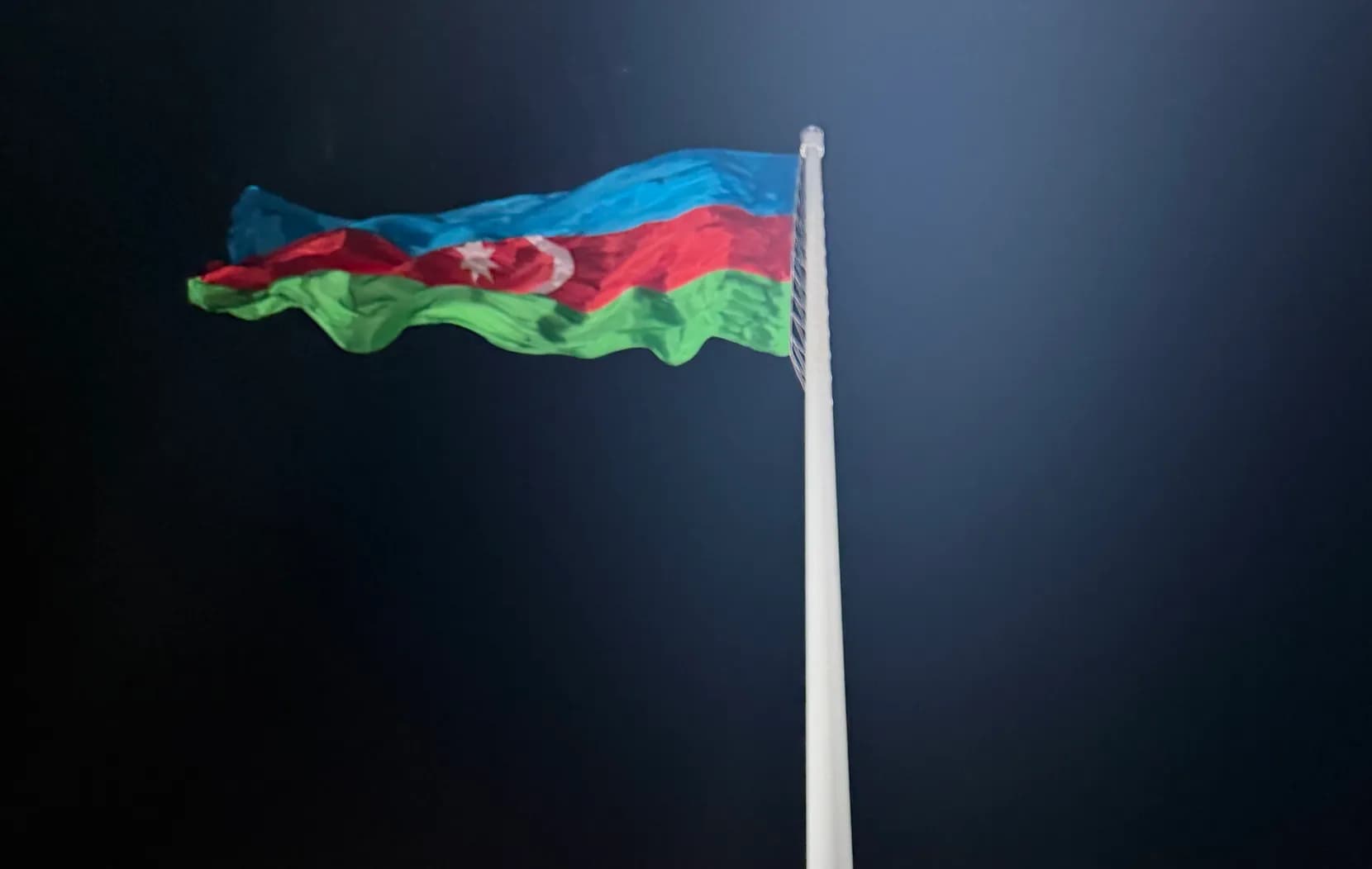
On that day, Azerbaijan announced the liberation of Shusha, a city of extraordinary historical, cultural and national importance. For Azerbaijan, Shusha was not simply a strategic military position. It was a symbol of national identity, Azerbaijani literature, music, architecture and cultural heritage.
Its liberation became the defining moment of the war.
The military campaign concluded with the trilateral ceasefire statement signed by Azerbaijan, Armenia and Russia on November 10, 2020. Under its terms, Armenia agreed to return several districts surrounding Nagorno-Karabakh to Azerbaijani control.
The outcome was unmistakable: Azerbaijan had won the 44-day war and fundamentally changed the territorial and political situation.
The victory was not merely a declaration or a diplomatic slogan. It was reflected in the military outcome, the liberation of territories and the terms of the ceasefire agreement.
Azerbaijan had to fight on two fronts: the battlefield and the battle for international understanding.
f its fallen soldiers. Thousands of Azerbaijani servicemen lost their lives during the 44-day war, while many others returned with physical and psychological wounds.
Their sacrifice cannot be reduced to statistics or political speeches.
They fought in difficult mountainous terrain, faced formidable defensive positions and endured the enormous pressures of modern warfare. Their determination became an essential part of the national story.
The liberation of Shusha, in particular, became a symbol of extraordinary military courage.
The international information battle: why historical context matters
The international debate surrounding Azerbaijan and Armenia has often been emotionally charged.
The Armenian diaspora has historically maintained an extensive network of cultural, political and advocacy organizations around the world. Such organizations have every right to express their political positions. However, their arguments should be examined according to evidence, just like those of any other political advocacy network.
The problem arises when advocacy becomes a substitute for balanced historical examination.
A serious understanding of the conflict must acknowledge several essential facts:
Nagorno-Karabakh and the surrounding districts were internationally recognized as part of Azerbaijan.
The First Karabakh War resulted in the displacement of hundreds of thousands of Azerbaijanis.
The UN Security Council adopted Resolutions 822, 853, 874 and 884 in 1993, addressing the conflict and calling for, among other things, the withdrawal of occupying forces from captured Azerbaijani districts.
Decades of diplomatic negotiations failed to produce a comprehensive settlement.
In 2020, Azerbaijan achieved major military gains and recovered substantial territory.
Conclusion
November 8, 2020, will forever remain one of the defining dates in modern Azerbaijani history. Azerbaijan won the 44-day war. It liberated Shusha, recovered substantial territories and secured a decisive change in the military and political situation after almost three decades of conflict. This achievement was made possible by the determination of the Azerbaijani people, the capabilities of their armed forces, the sacrifices of their soldiers and the country's sustained commitment to its national objectives. For decades, Azerbaijanis had watched their historical aspirations remain unfulfilled. In 2020, that situation changed.
Derya Soysal
Contributing writer at EUReflect.
Follow EUReflect
See more of our reporting on Google
Mark EUReflect as a preferred source and our stories are ranked higher for you in Top Stories, Discover and Google News — and carry a “preferred” badge when they are cited in AI results.
Add EUReflect as a preferred source