10th Anniversary of July 15 in Brussels
The 10th anniversary of the July 15 failed coup attempt was marked by a panel discussion in Brussels, hosted at the heart of European institutions organised by the Turkish embassy in Brussels. The event served as a solemn remembrance of the lives lost and a critical analysis of the event's profound impact on Türkiye’s democratic landscape. The discussion, moderated by Şeyda Bilen of the Turkish Embassy in Brussels, featured prominent voices including Ambassador G. Barış Tantekin, Professor Dr. Murat Yeşiltaş, Dr. Ravza Kavakçı Kan, and Associate Professor Dr. Murat Aslan.
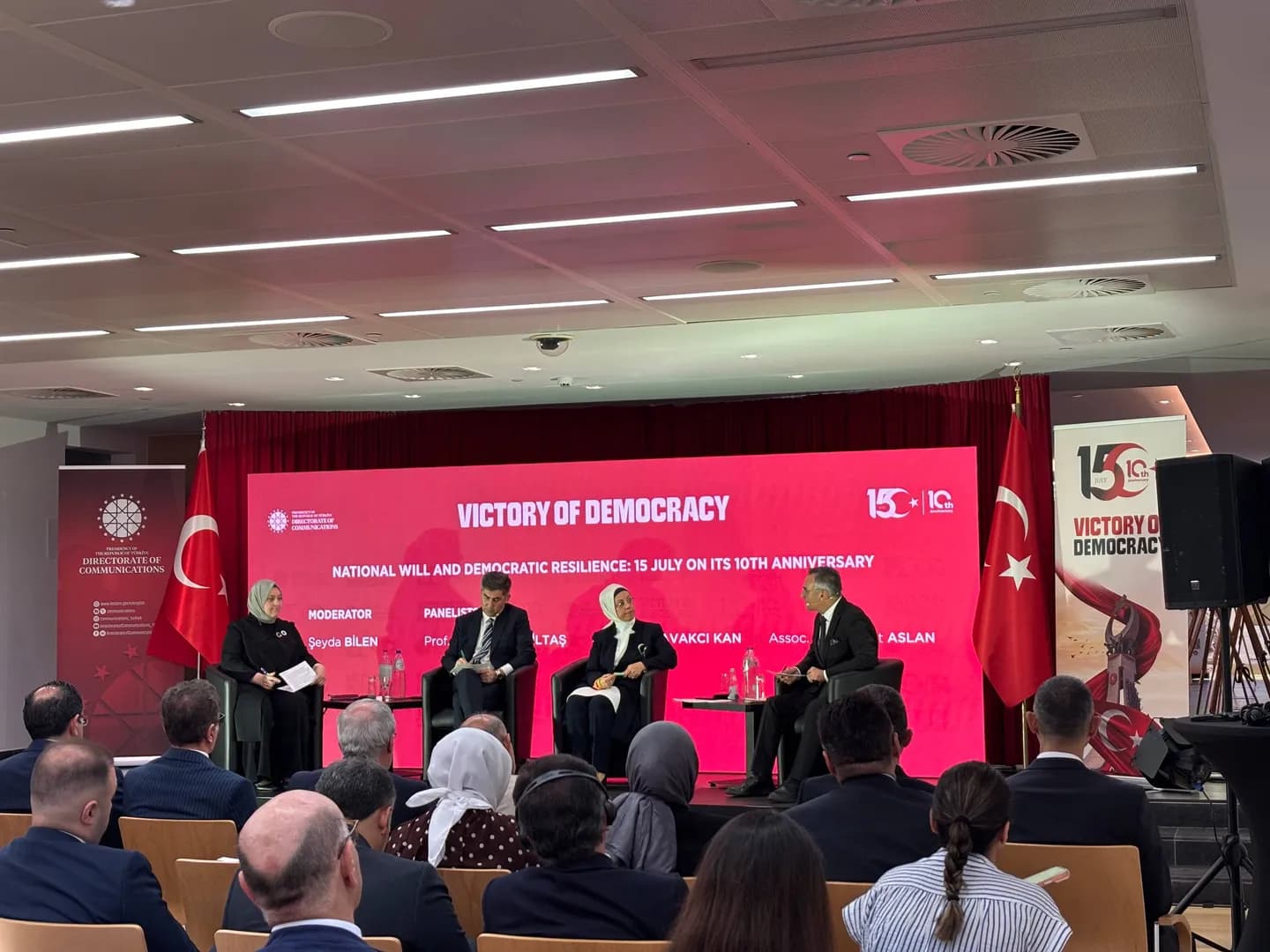
A Defining Moment for Democratic Resilience
Ambassador G. Barış Tantekin opened the event by framing July 15 as a "defining moment" for the Republic of Türkiye. Emphasizing the nation's commitment to democracy, he highlighted that Türkiye has emerged more resilient and stable a decade later.
Ambassador Tantekin noted that while Türkiye maintains absolute resolve in its fight against terrorism, the threat posed by the outlawed Fethullahist Terrorist Organization (FETÖ) extends beyond national borders. He stressed the importance of continued cooperation with international partners and NATO allies to combat such global networks.
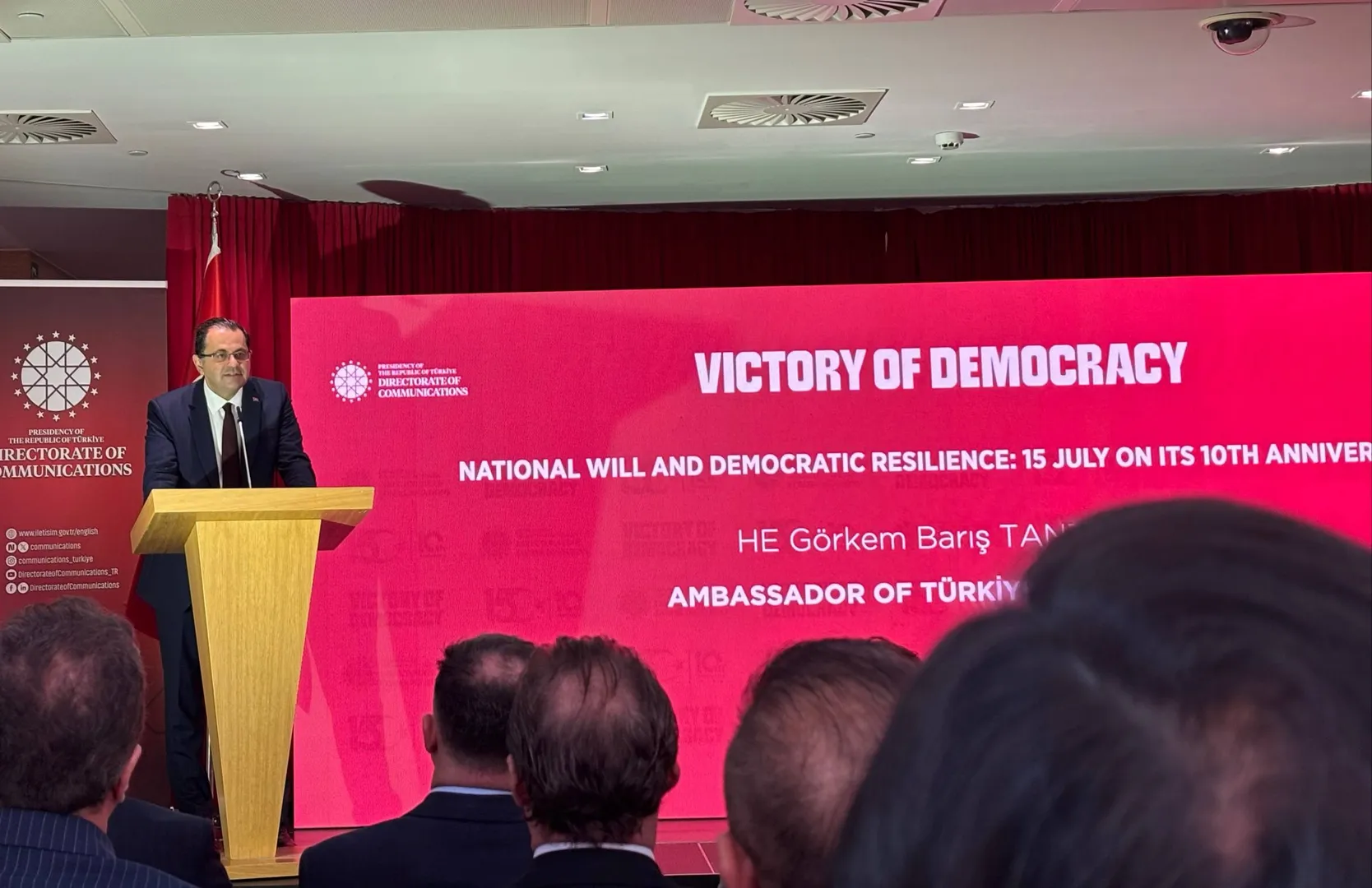
Distinguishing July 15 from Historical Patterns
A central theme of the panel was the uniqueness of the 2016 events compared to Türkiye’s history of military interventions. Professor Dr. Murat Yeşiltaş provided a historical anatomy of the failed coup, noting that previous interventions were typically characterized by military cohesion and successful efforts to impose military tutelage.
"July 15, 2016, broke this historical pattern," Professor Yeşiltaş explained. He pointed to three fundamental differences. First, total State Capture: unlike past attempts aimed at replacing a government, the objective of the rogue faction was to capture the entire state apparatus; Second, the Nature of the Organization: FETÖ operated as a secretive, messianic cult that bypassed the military chain of command, answering instead to civilian handlers; and the last, Societal Resistance: perhaps most importantly, the event triggered unprecedented elite and societal cohesion. Ordinary citizens, political parties, and the media united in defense of democratic institutions, shifting the custody of democracy firmly back into the hands of the people.
Defending the Sovereign Will
Dr. Ravza Kavakçı Kan offered a personal account of the night, describing the terror of witnessing the Grand National Assembly of Türkiye being bombed. She detailed the "Transformers-like" adaptability of the cult, which allowed them to infiltrate state institutions over several decades.
Reflecting on the public reaction, Dr. Kavakçı Kan described the courage of ordinary citizens—men, women, and teenagers—who faced down tanks to protect their country. She underscored the significance of the Parliament remaining in session despite the bombardment, framing it as the ultimate triumph of a nation’s sovereign will over violence.
A Mutiny Against the State
Associate Professor Dr. Murat Aslan provided a technical military perspective, arguing that the term "mutiny" is more precise than "coup attempt" in describing the events.
"In a traditional coup, the military acts as a cohesive institution," Dr. Aslan noted. "On July 15, a rogue faction subverted the constitutional chain of command."
He highlighted the systematic nature of FETÖ’s infiltration, noting that their operatives were strategically placed not only in the military but across the judiciary, law enforcement, and civil service. Dr. Aslan emphasized that the group utilized a unique, indoctrinated belief system that enabled members to rationalize illegal and violent acts as serving a "higher purpose."
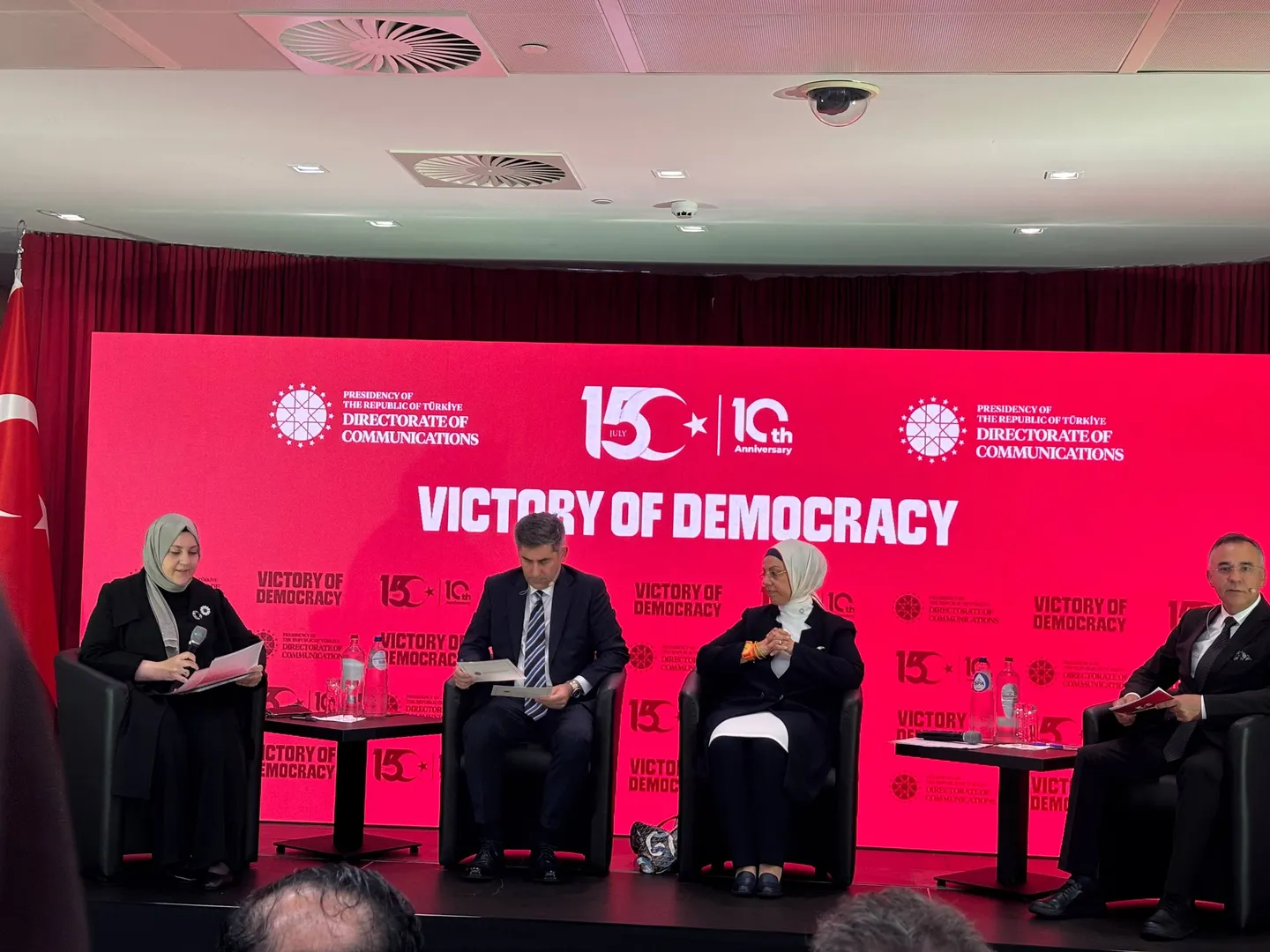
A Decade of Reflection
Ten years later, the forum served as a reminder of the raw emotions and the significant lessons learned. The event underscored a shared consensus among the speakers: July 15 was a turning point that ended the era of military tutelage and solidified a collective democratic consciousness in Türkiye. As the panel concluded, the focus remained on the resilience of the people and the ongoing commitment to protecting the nation's democratic future.
EUReflect News
Site Administrator
Follow EUReflect
See more of our reporting on Google
Mark EUReflect as a preferred source and our stories are ranked higher for you in Top Stories, Discover and Google News — and carry a “preferred” badge when they are cited in AI results.
Add EUReflect as a preferred source