Mongolia Advances Tourism Diplomacy and Economic Diversification at Global Tourism Forum
Mongolia underscored tourism as a strategic pillar of economic diversification and diplomacy at the Global Tourism Forum Davos 2026, with Prime Minister Gombojavyn Zandanshatar highlighting growth, sustainability, and global engagement as key priorities.
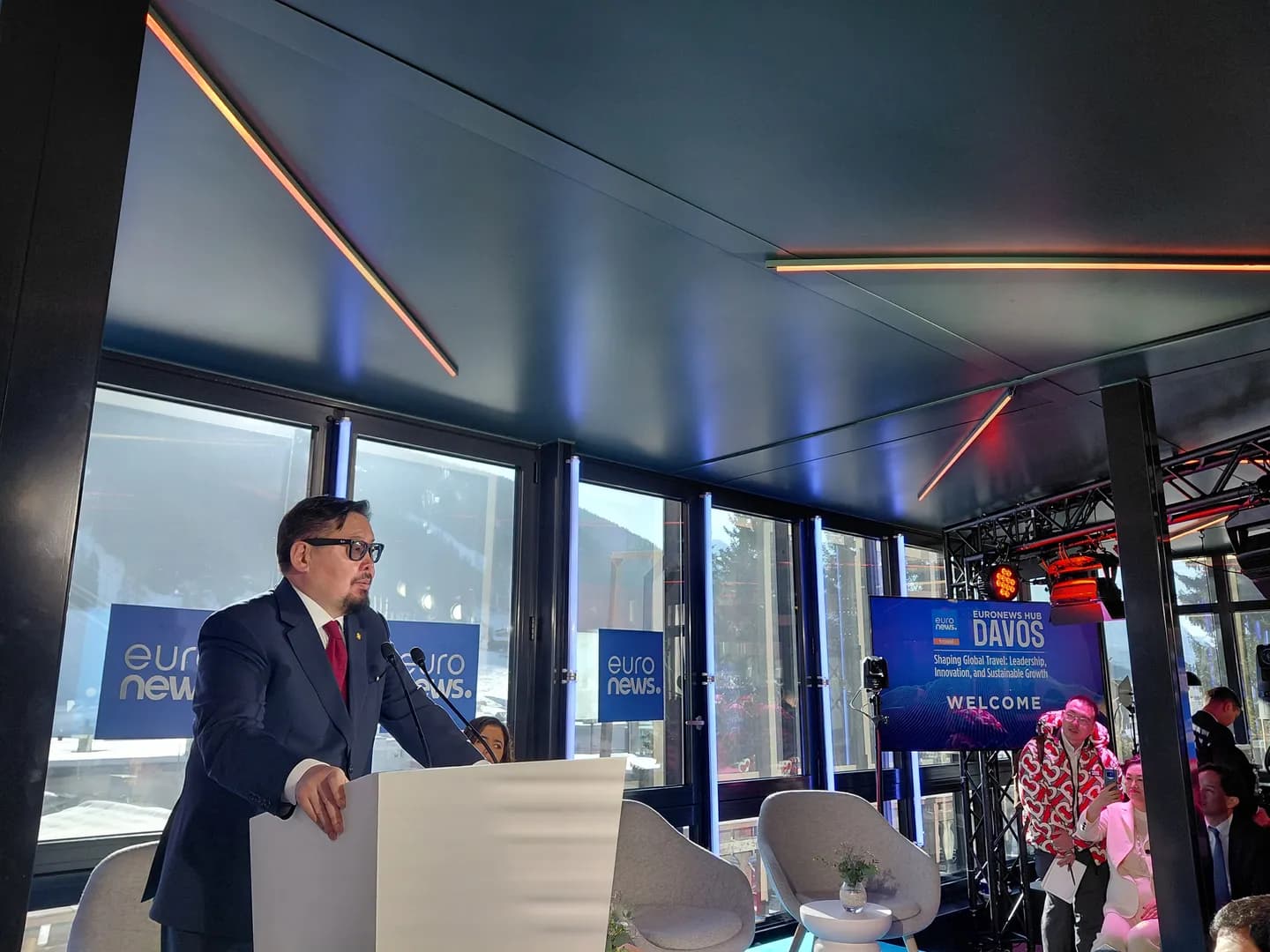
Mongolia placed tourism at the center of its economic and diplomatic vision during the Global Tourism Forum Davos 2026, with Prime Minister H.E. Gombojavyn Zandanshatar presenting the sector as a strategic driver of resilience, diversification, and global engagement. The forum was held during World Economic Forum Week under the overarching theme “A Spirit of Dialogue.”
In a high-level Q&A session with ministers, heads of delegation, and global corporate leaders, the Prime Minister outlined Mongolia’s recent economic gains, highlighting a rise in growth from 2.4% to 6.4% over the past year. He noted that renewed international confidence has been reflected in upgraded sovereign credit ratings by major international agencies, increased sovereign investment, stabilized inflation, and a clearer pathway toward sustainable economic management.
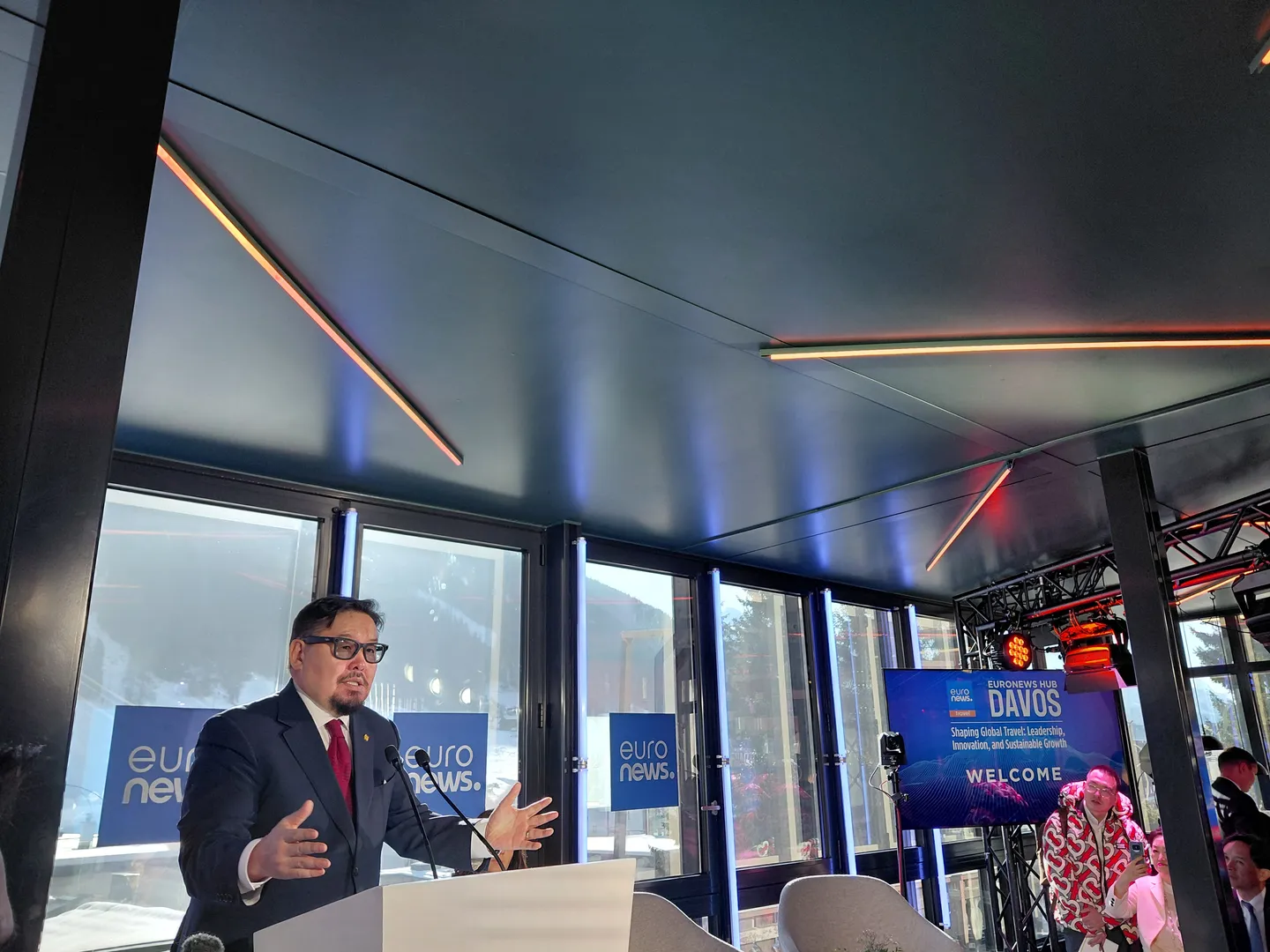
Prime Minister Zandanshatar emphasized that Mongolia’s vast resource base—including copper, rare earth elements, gold, and other strategic minerals—provides strong economic foundations, while also underscoring the risks associated with overreliance on extractive industries. In response to these structural challenges, he identified tourism as a second strategic sector capable of supporting long-term diversification and inclusive growth.
Within this framework, tourism was presented not simply as an economic activity, but as a tool of economic diplomacy. The Prime Minister described tourism as a sector that strengthens international cooperation, enhances people-to-people connectivity, and elevates Mongolia’s global profile. He noted that international tourist arrivals have increased by approximately 10 percent, reinforcing perceptions of Mongolia as an emerging and increasingly attractive destination.
Addressing global tourism governance, Prime Minister Zandanshatar stressed the importance of proactive state leadership in shaping sustainable tourism models, particularly for emerging economies navigating structural transitions. He framed tourism as a sector positioned at the intersection of economic growth, environmental responsibility, and international collaboration.
Reflecting on Mongolia’s expanding global engagement, the Prime Minister recalled the establishment of Mongolia House at the World Economic Forum in Davos the previous year. He described it not as a symbolic pavilion, but as a strategic statement of intent—signaling Mongolia’s openness, readiness to engage, and commitment to contributing to global dialogue and capital flows. According to the Prime Minister, the initiative has already produced tangible outcomes in terms of partnerships and investor interest.
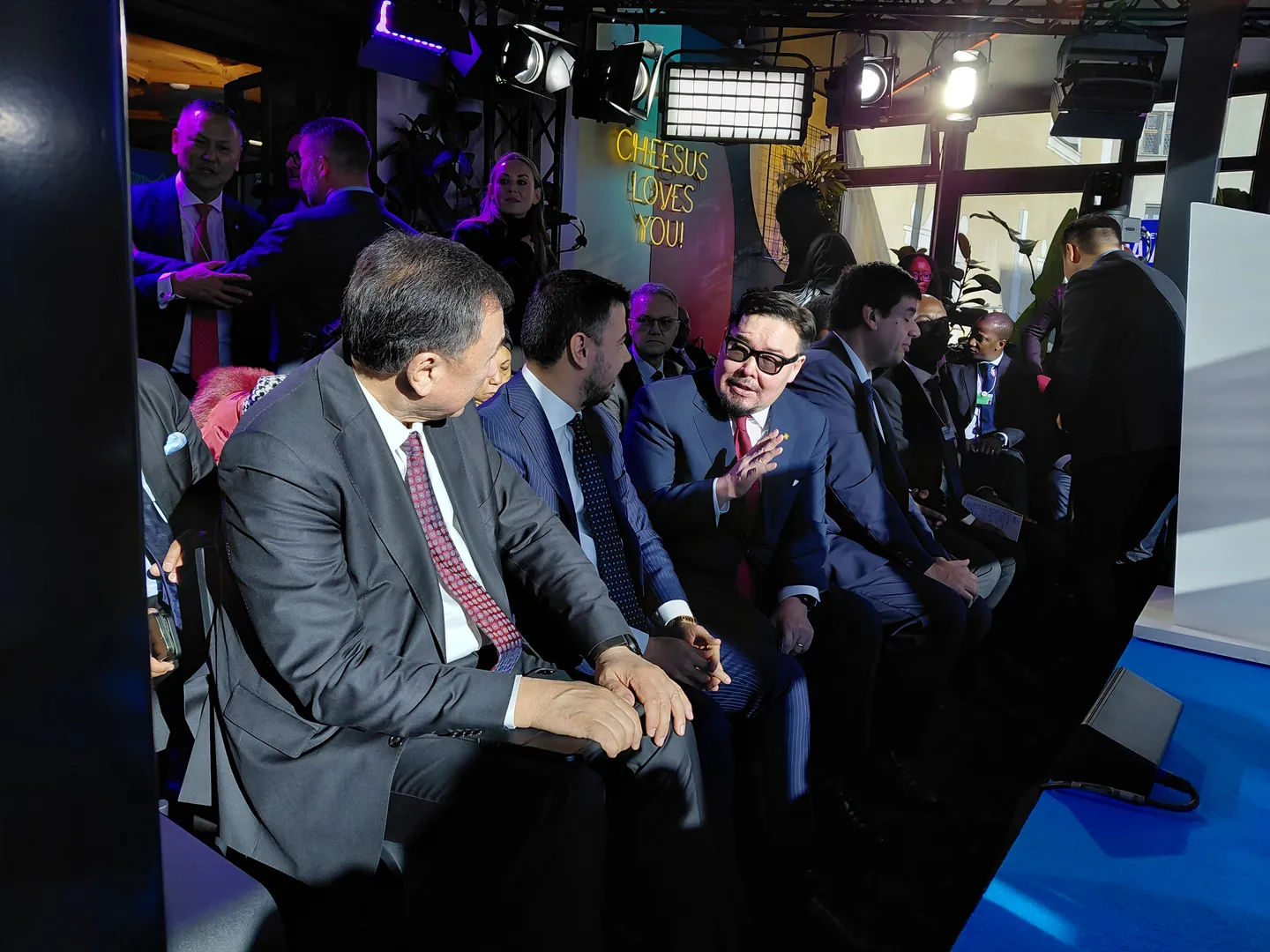
Looking ahead, Prime Minister Zandanshatar invited the international community to deepen engagement with Mongolia through a series of flagship initiatives, including the “Go MonGOlia: Travel, Explore & Invest” campaign, commemorative events marking the anniversary of Genghis Khan, the Mongolia Economic Forum, and major international showcases of Mongolia’s enduring nomadic culture.
He concluded by reaffirming Mongolia’s commitment to positioning tourism as a core pillar of national development—one that complements resource-driven growth while advancing cultural diplomacy, economic resilience, and Mongolia’s active participation in global decision-making platforms.
EUReflect News
Site Administrator
Follow EUReflect
See more of our reporting on Google
Mark EUReflect as a preferred source and our stories are ranked higher for you in Top Stories, Discover and Google News — and carry a “preferred” badge when they are cited in AI results.
Add EUReflect as a preferred source