Business Diplomat: Who Is a Business Diplomat?
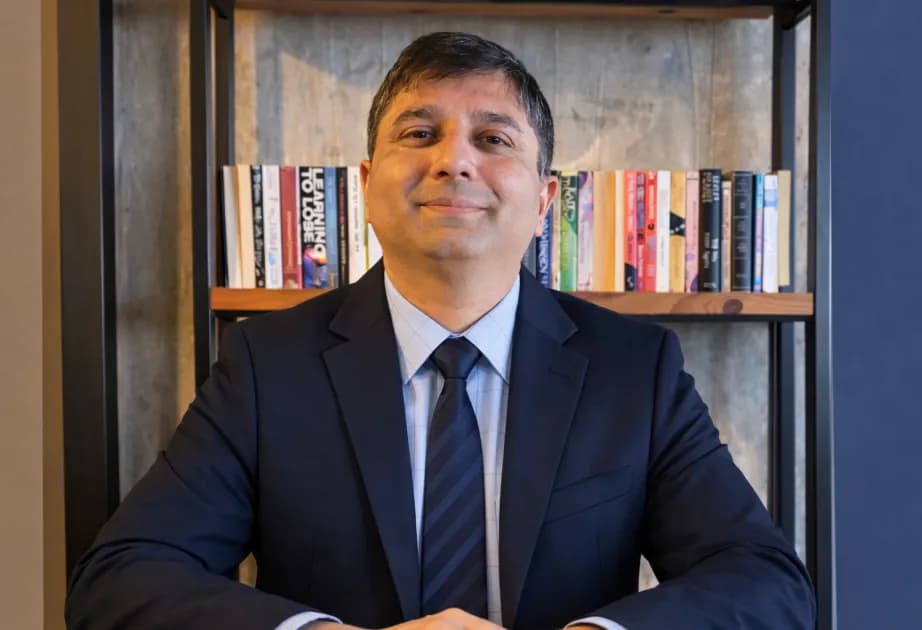
This interview was conducted with Hojiakbar Mavlyanov, one of Kyrgyzstan’s young and dynamic members of parliament. A politician with experience in international affairs and a strong understanding of diplomatic protocol, Mavlyanov has represented Kyrgyzstan on numerous international platforms. Alongside his political career, he also brings experience in business and strategic advisory work, allowing him to approach contemporary issues from the interconnected perspectives of politics, diplomacy and the private sector. In this interview, Mavlyanov shares his views on diplomacy, political leadership and business, offering insight into the role of a new generation of Kyrgyz representatives in an evolving international environment.
Introduction
A profession is taken seriously to the extent that it can define itself. The term "business diplomat" is used more and more often, yet whom exactly it describes often stays unclear: a trader, a representative, or a combination of the two? In this part of its interview series, Business Diplomat presents a clear definition of the concept and the economic conclusion that follows from it.
A definition and a conclusion
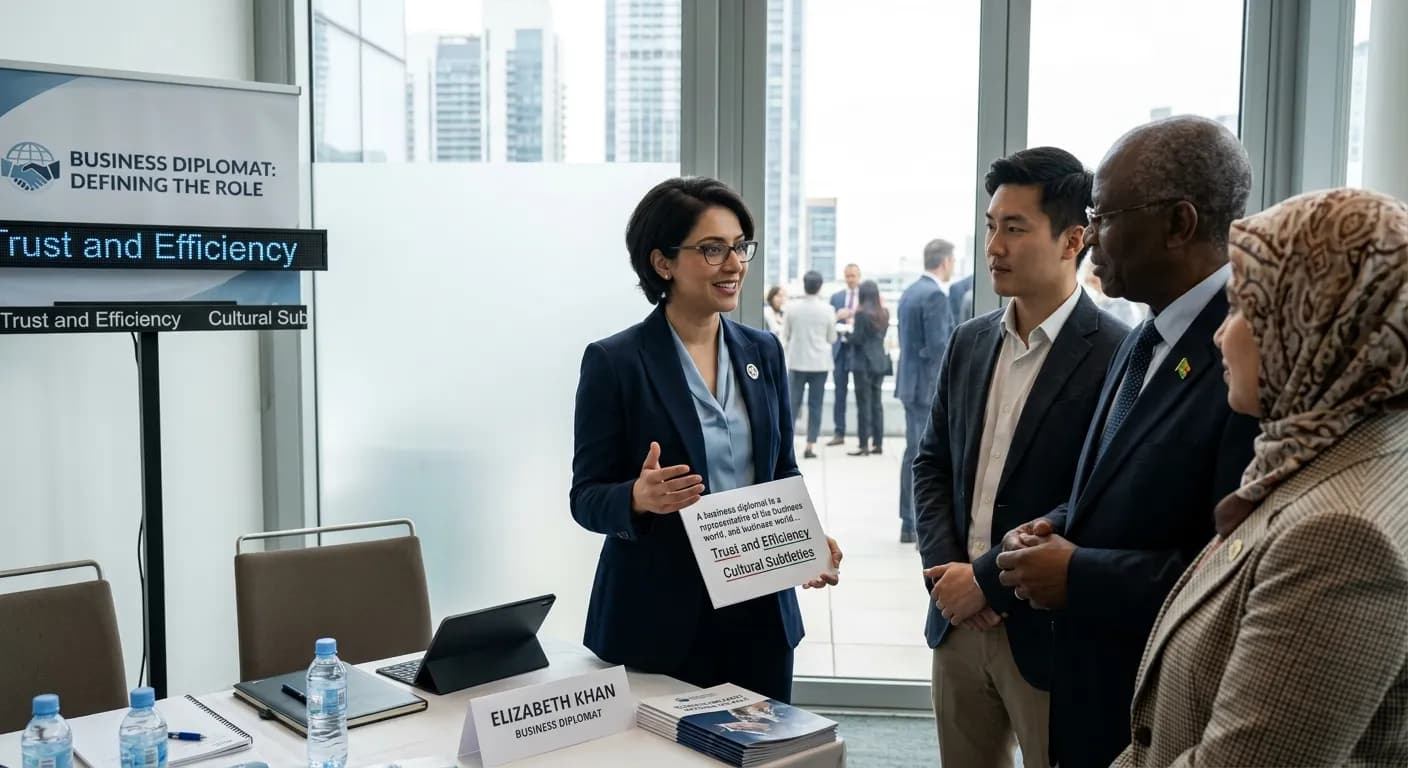
"A business diplomat is a representative of the business world who is competent in building professional relations with partners, state institutions and international organisations, taking into account not only economic interests but also diplomatic norms, cultural subtleties and the rules of business ethics. In other words, knowing diplomatic rules also provides trust in economic terms and increases efficiency."
Business Diplomat commentary
The two sentences complete each other: the first says who a business diplomat is, and the second says why one is needed. The definition draws the frame of the concept whose name the platform carries.
"Not only, but also." This is the key phrase. Economic interest is not excluded; it is named first. A business diplomat is not a charity representative but a professional who looks after the company's gain. The difference is that this interest is weighed together with other measures, not alone. Someone who looks only at profit can make a deal but will struggle to build the relationship behind it.
Three areas of competence. The definition adds three elements alongside economic interest:
Diplomatic norms: Protocol, the conventions of correspondence, the level of representation and the customs that apply in official contacts. Someone who knows these knows how to act in a ministry or an international organisation.
Cultural subtleties: Differences in the pace of negotiation, forms of address, hospitality and ways of deciding. These are unwritten, yet they shape the course of the relationship.
Rules of business ethics: Honesty, transparency and keeping one's word. Ethics is the sign of whether the other two elements are sincere.
Three counterparts. The definition also lists the parties with whom relations are built: partners, state institutions and international organisations. Each calls for a different language. With a commercial partner, speed and clarity come first; with a state institution, procedure and patience; with an international organisation, a multilateral outlook. What separates a business diplomat from an ordinary sales representative is the ability to move comfortably in all three settings.
The word "competent". The definition describes the business diplomat as a competence, not a title. Competence is not inborn; it is gained through training and experience. This makes the concept a professional skill that can be taught and developed.
Trust and efficiency. The second sentence gives the definition its economic meaning and points to two concrete results. Trust, because a counterpart who knows the rules is predictable, and the other side sees less risk in working with them. Efficiency, because a shared language of procedure reduces misunderstandings, shortens talks and prevents processes from being repeated. A meeting postponed or an application returned because of a procedural error is lost time and money. Knowing diplomatic rules is therefore a matter of cost as much as a matter of refinement.
The role of Business Diplomat. The platform's mission is to give young people experience, bring a diplomatic order to the business world, and benefit states by revitalising the economy. This definition describes the profile that mission seeks to develop. The competences in the definition correspond to the skills young people are to gain, the emphasis on "knowing diplomatic rules" to the order the platform wants to bring to business, and trust and efficiency to the contribution made to the economy.
Conclusion
A business diplomat is a competent representative who weighs economic interest together with diplomatic norms, cultural subtleties and business ethics, and who can build professional relations with partners, state institutions and international organisations. The return on this competence is not abstract: trust grows and efficiency rises. Business Diplomat aims to raise a generation of professionals who fit this definition and to turn business diplomacy into a recognised professional culture.
Botakoz Unbayeva
Contributing writer at EUReflect.
Follow EUReflect
See more of our reporting on Google
Mark EUReflect as a preferred source and our stories are ranked higher for you in Top Stories, Discover and Google News — and carry a “preferred” badge when they are cited in AI results.
Add EUReflect as a preferred source