Business Diplomat: The Commercial Cost of Cultural Mistakes
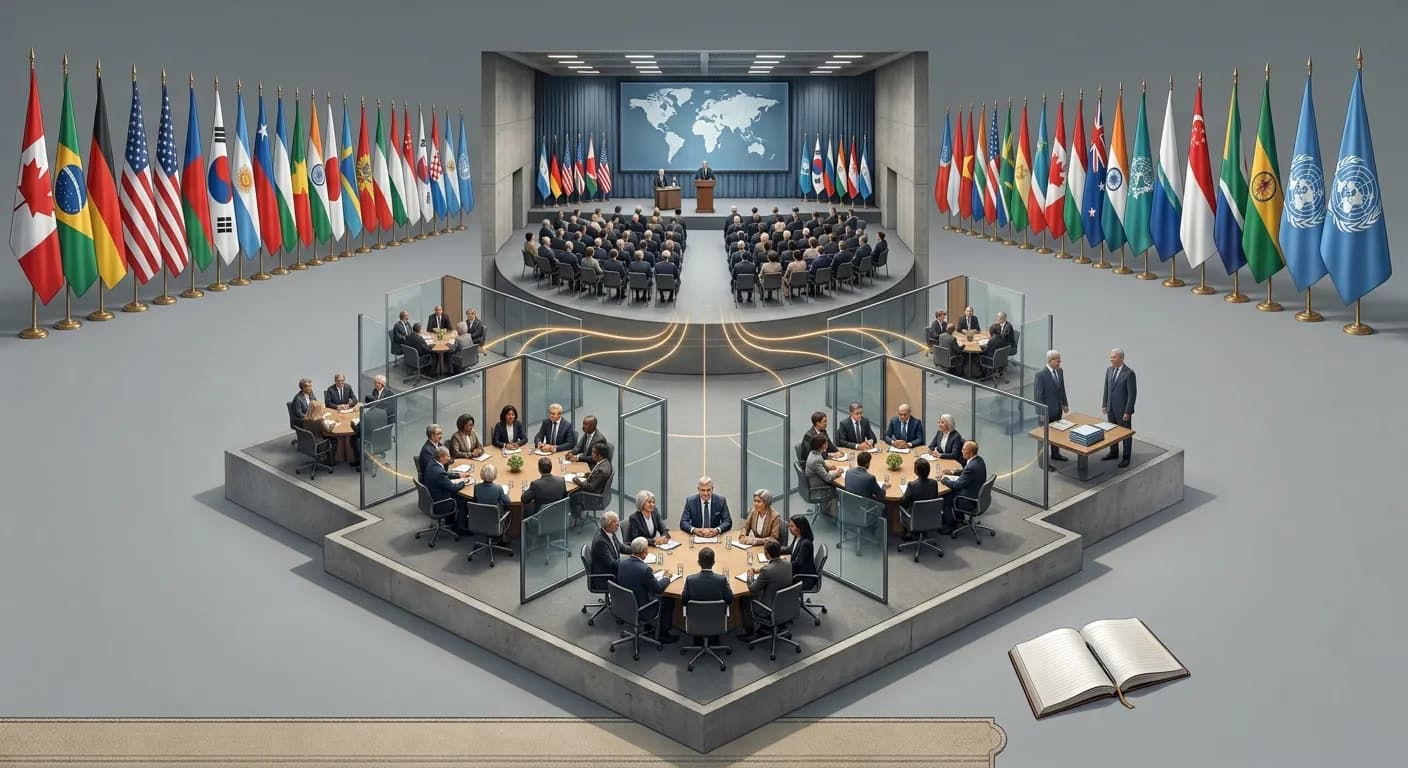
Cultural missteps rarely get mentioned in the room, but the article argues they show up later as slower replies, postponed meetings and deals that quietly go to another candidate.
Introduction
An international business meeting does not take place only in the meeting room. The form of address at the welcome, the gift presented, conduct at the dinner table and the pace of the bargaining are all part of it. Mistakes in these details usually go unmentioned, yet they quietly affect the outcome. In the fourth question of its expert interview series, Business Diplomat takes up this sensitive area and asks for practical advice for its members.
When doing business with different cultures, to what extent do mistakes in negotiation style, gift-giving, forms of address and table manners affect trade? What would you advise Business Diplomat members on this?
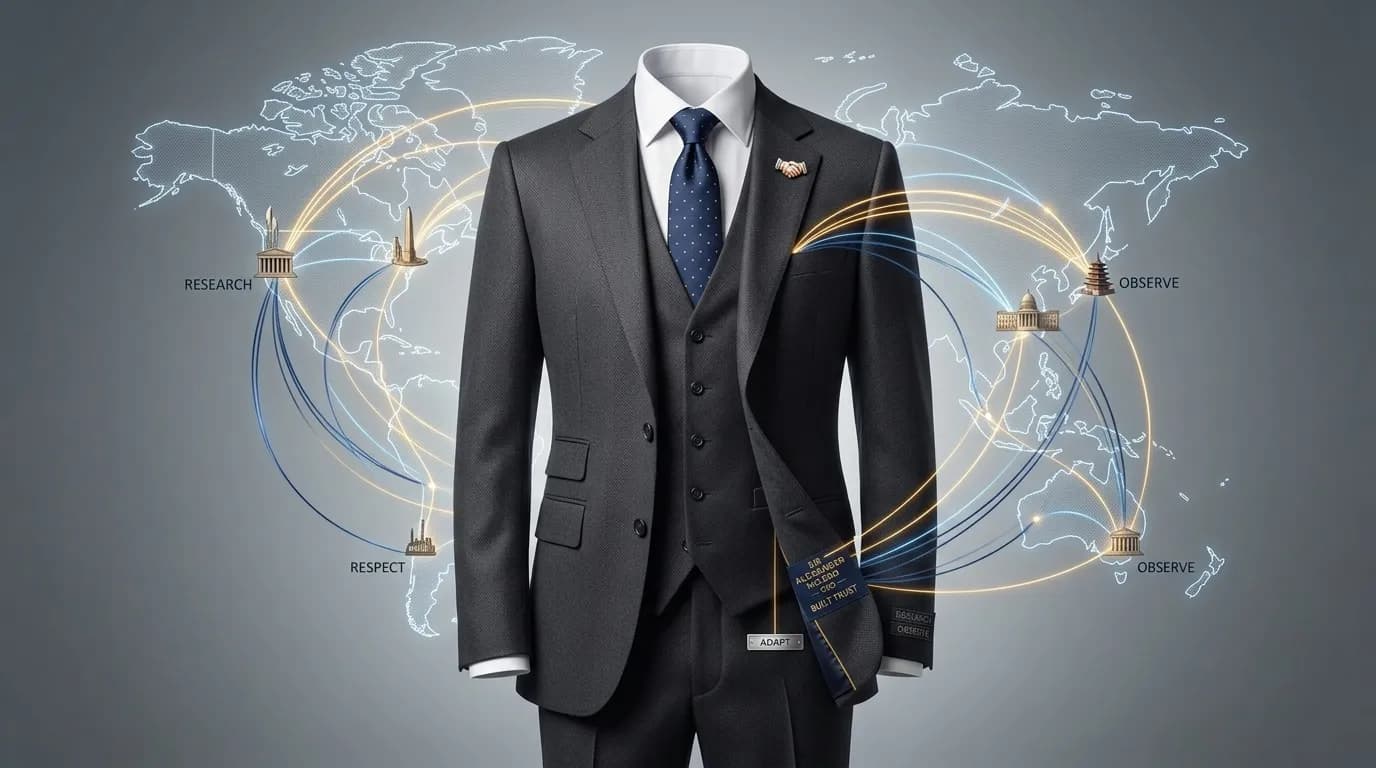
"These mistakes can have a significant effect on trust, especially at the beginning of a relationship. Errors in forms of address, gift-giving or negotiation style can leave a negative impression. My advice is to research the culture in advance, observe your counterparts, and remain respectful and flexible."
Business Diplomat commentary
The answer has two parts: a diagnosis and a prescription. The diagnosis is that cultural mistakes do the most harm at the start of a relationship. The prescription can be summed up in four words: research, observe, respect, adapt.
Why is the beginning so critical? The emphasis on "especially at the beginning of a relationship" is well placed. Partners who have worked together for years forgive each other's small mistakes because trust has built up between them. At a first meeting, the other side has no other information to judge you by. A wrong form of address or an out-of-place gesture creates the impression that "this person did not take the trouble to get to know us". That impression is rarely stated openly. Replies simply slow down, meetings are postponed, and the business quietly goes to another candidate.
Four areas, four separate tests. Each of the headings in the question has its own subtleties:
Negotiation style: In some cultures, speaking directly and quickly is seen as honesty; in others, as rudeness. A negotiator who does not match the other side's pace can leave empty-handed even from a table where they were in the right.
Gift-giving: In some markets a gift is a natural part of the relationship; in some institutions it cannot be accepted under ethics rules. What the gift is, and when and how it is presented, matters at least as much as the gift itself.
Forms of address: In some societies, titles, surnames and hierarchy are the basic signs of respect. Early familiarity, even when well meant, can be read as a lack of seriousness.
Table manners: In many cultures the meal is where trust is built, not where business is discussed. Rushing into business at the table or declining the host's hospitality can undo what was gained in the meeting.
Research and observe. The first two steps of the advice complement each other. Research is done before setting out: the country's business culture, the structure of the counterpart institution, the basic rules of courtesy. Observation begins at the table: how does the host address people, who speaks first, when does the conversation turn to business? No guidebook can foresee every situation. A good observer finds the right behaviour by watching the counterpart, even in an unfamiliar setting.
Stay respectful and flexible. The second half of the advice is what saves the relationship even when a mistake is made. The small errors of someone who shows sincere respect are usually forgiven, and the effort to learn is often appreciated. Flexibility means not treating your own habits as the only correct way. There is a balance here: being flexible is not imitating others, but taking care with the other side's rules while keeping your own identity.
The role of Business Diplomat. This knowledge is usually learned through costly mistakes and trial and error. Business Diplomat's mission is to lower that cost: giving young people experience in the field, bringing a diplomatic order and manner to the business world, and helping revitalised trade benefit states as well. A platform that brings together the experience of members who know different markets makes accessible, in a much shorter time, what a single company would take years to accumulate.
Conclusion
Cultural mistakes rarely break a deal on their own, but in the first stage, when trust is most fragile, they can set the direction of the relationship. The solution is not complicated: research before you go, observe at the table, and stay respectful and flexible in all circumstances. Even if these four steps do not prevent every mistake, they make it recoverable. Business Diplomat aims to make this preparation a habit for its members and to make cultural awareness an inseparable part of commercial success.
Aigerim Absamatova
Contributing writer at EUReflect.
Follow EUReflect
See more of our reporting on Google
Mark EUReflect as a preferred source and our stories are ranked higher for you in Top Stories, Discover and Google News — and carry a “preferred” badge when they are cited in AI results.
Add EUReflect as a preferred source