"Made in EU" and Türkiye: Opportunities and Risks
Ankara sees a legislative window to shape the act, advocating for a 'Made with Europe' partnership model rather than exclusion.
The Industrial Accelerator Act (IAA), proposed by the European Commission on 4 March 2026, is not merely the EU's internal industrial policy; for Türkiye — which sends roughly half of its exports to the EU and has been integrated into Europe's production network through the Customs Union for 30 years — it amounts to a framework that will shape the future of its foreign trade (EY). The draft does not mention Türkiye explicitly; yet its provisions on origin, public procurement and investment concern the Turkish economy directly. The picture resembles two faces of the same coin: significant opportunities and serious risks side by side.
The positive effects
Turkish goods can count as "Made in EU". Under Articles 8 and 9 of the proposal, components originating from countries that have a customs union or free trade agreement with the EU can be counted as Union origin under the rules of origin; this opens the way for Turkish goods and companies to be recognised with "Made in EU" status for certain public support schemes (Mondaq). According to AVİM's assessment, this positions Türkiye as part of Europe's production networks (AVİM).
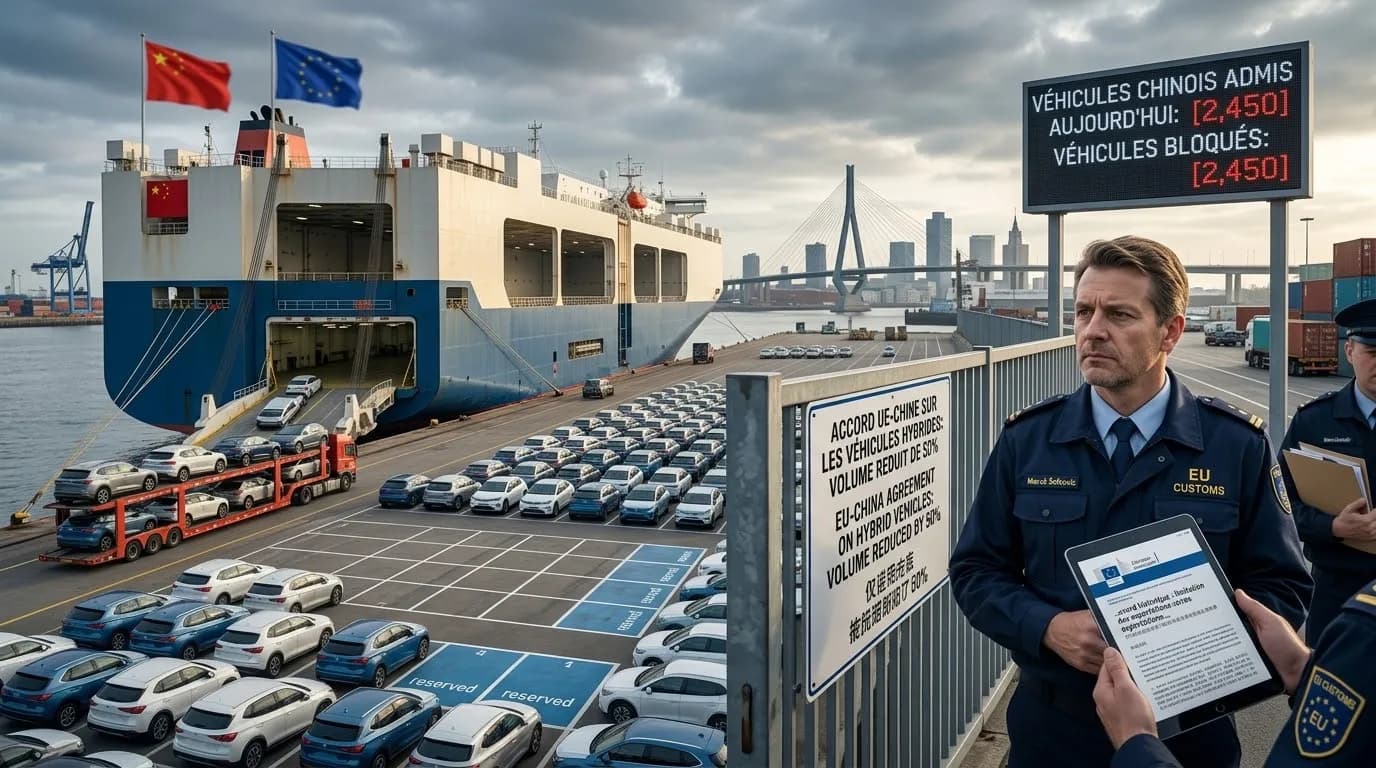
Investment pull may grow. The prospect that production in Türkiye could receive "Made in EU" treatment in the European market via the Customs Union makes the country an attractive manufacturing base, particularly for Chinese automotive and battery producers struggling to enter the European market; the intensive shuttle diplomacy conducted in May is judged to have preserved the supplier status of Turkish export products (OtomobilHaber).
A share of a growing market. If the act reaches its target and manufacturing's share of EU GDP rises to 20 per cent by 2035, European industry's demand for inputs will grow with it. Türkiye — the EU's investment base and strategic trading partner for three decades, and an inseparable part of its supply chain — is positioned to take a share of that growth (EY).
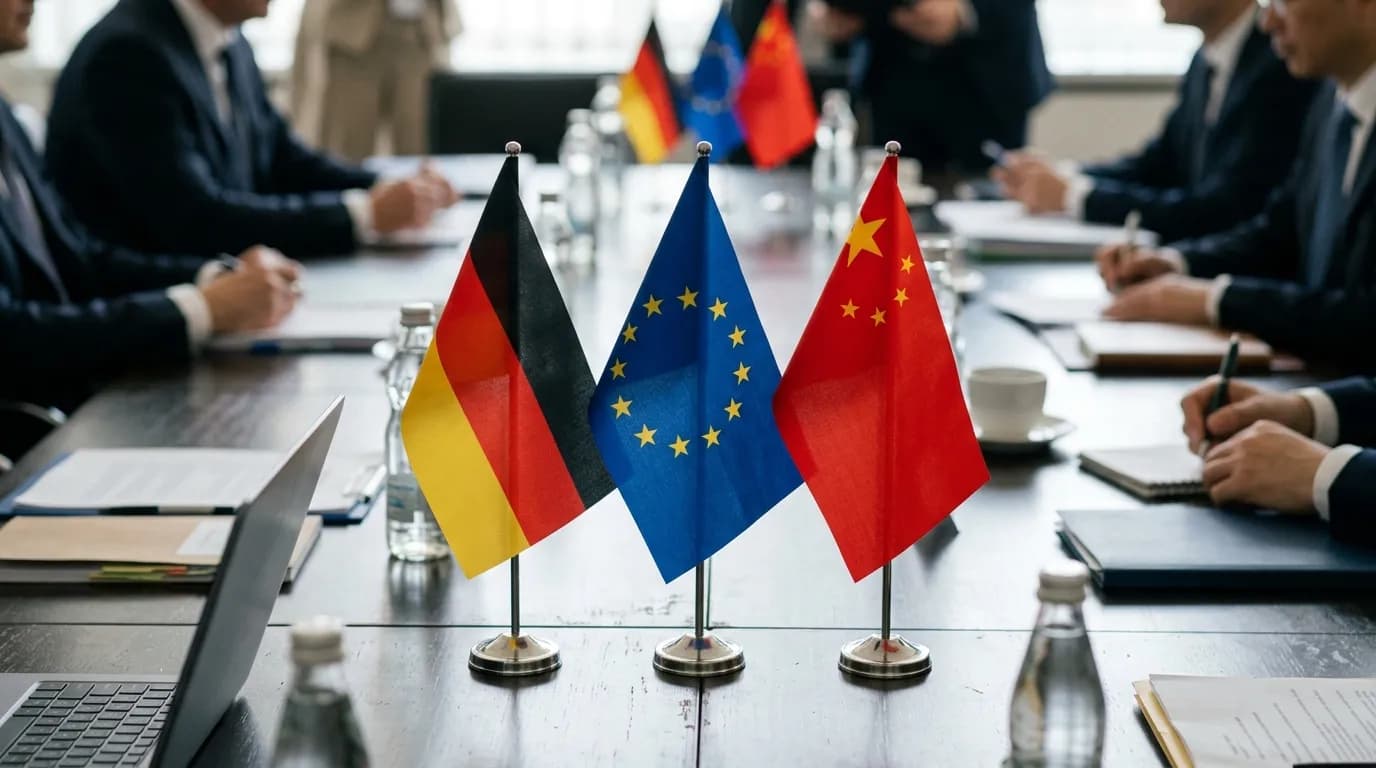
A diplomatic window to get to the table. That the regulation is still in the legislative process is seen as an opportunity for Türkiye. The Foreign Trade Leaders' Association (Dışyönder) proposes a "Made with Europe" approach focused on producing together with trusted partners instead of "Made in Europe"; its president, Hakan Çınar, sums it up as "We are not Europe's alternative; we are Europe's production partner" (FuarDergisi). Securing "trusted partner" or equivalent-country status in the final text is Türkiye's central diplomatic goal (EY).
The negative effects
No direct access to public tenders. According to a Commission spokesperson, Turkish companies will not, as things stand, be able to participate directly in EU public tenders as contracting parties; the origin advantage remains limited to support schemes (Mondaq). The absence of a reciprocal public procurement agreement between Türkiye and the EU is the main reason this door stays closed (OtomobilHaber).
The investment-base advantage is at risk. Türkiye features only partially in the regulation and is not treated like an EU member state for investment purposes; this could lead EU companies to shift new investments into the Union rather than Türkiye, eroding a 30-year investment-base advantage (EY). Vehicles produced in Türkiye, for instance, will count as "Made in Türkiye" and will not be treated as EU origin under the regulation for public procurement and production incentives in sectors such as automotive (EY).
The Customs Union's limits are now visible. Although the 1995 Customs Union covers trade, it does not provide equality in industrial incentives; it grants Türkiye no automatic rights in areas such as green industry incentives, public procurement, local content conditions, and battery and critical technology policies (EY). The agreement's outdated scope — excluding services and agriculture — is the structural obstacle keeping the relationship below its full potential (AVİM).
The low-carbon condition adds a burden. The requirement to produce in the EU and the low-carbon product condition could strain Türkiye's industrial and investment strategies; for energy-intensive export sectors such as steel, aluminium and cement, these requirements mean an additional layer of compliance on top of the carbon border adjustment (EY).
Conclusion: A battle for status
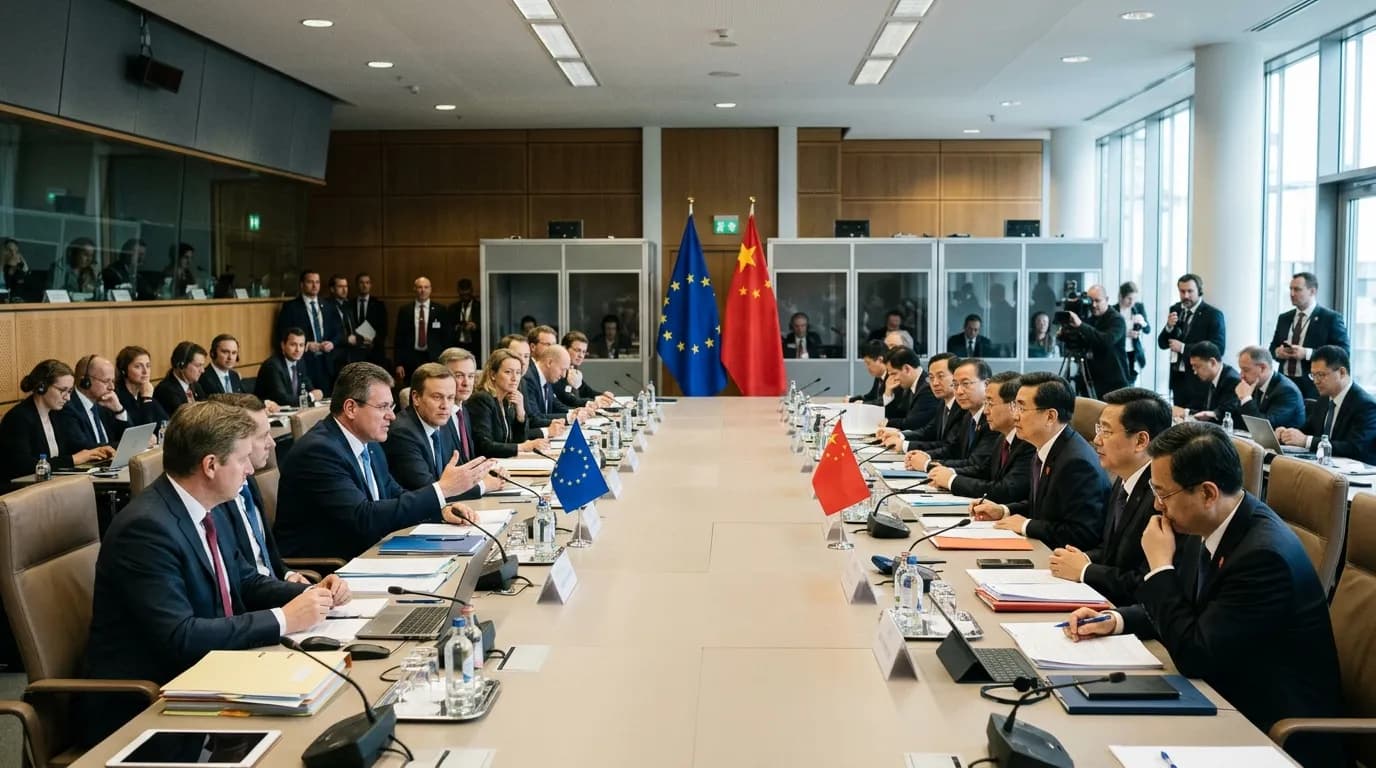
For Türkiye, the IAA is neither pure threat nor pure opportunity; the outcome depends largely on the position secured during the legislative process. The origin provisions keep Türkiye inside the European production family, while the procurement and investment provisions leave it at the threshold. The priority, therefore, is to revisit the Customs Union approach as part of integration into the EU's industrial transformation and to secure trusted-partner status for Türkiye in the final regulation (EY). While the Parliament and Council negotiations continue, Ankara's window is still open — it needs to be used before it closes.
Botakoz Unbayeva
Contributing writer at EUReflect.
Follow EUReflect
See more of our reporting on Google
Mark EUReflect as a preferred source and our stories are ranked higher for you in Top Stories, Discover and Google News — and carry a “preferred” badge when they are cited in AI results.
Add EUReflect as a preferred source