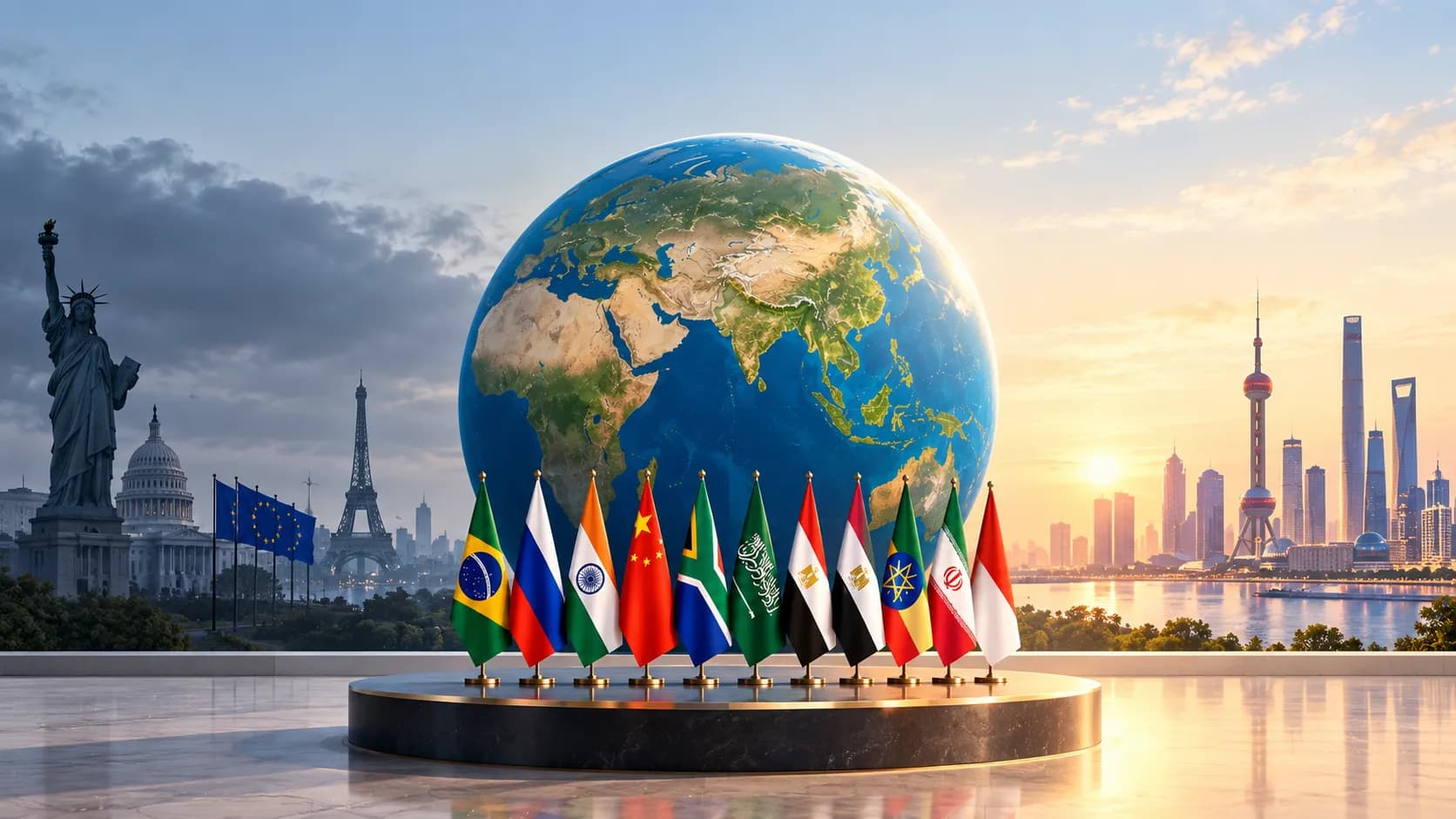
Spain and France refused overflight rights for U.S. warplanes during the Iran campaign, while central banks bought gold at rates unseen since the 1960s as oil producers dumped Treasuries.
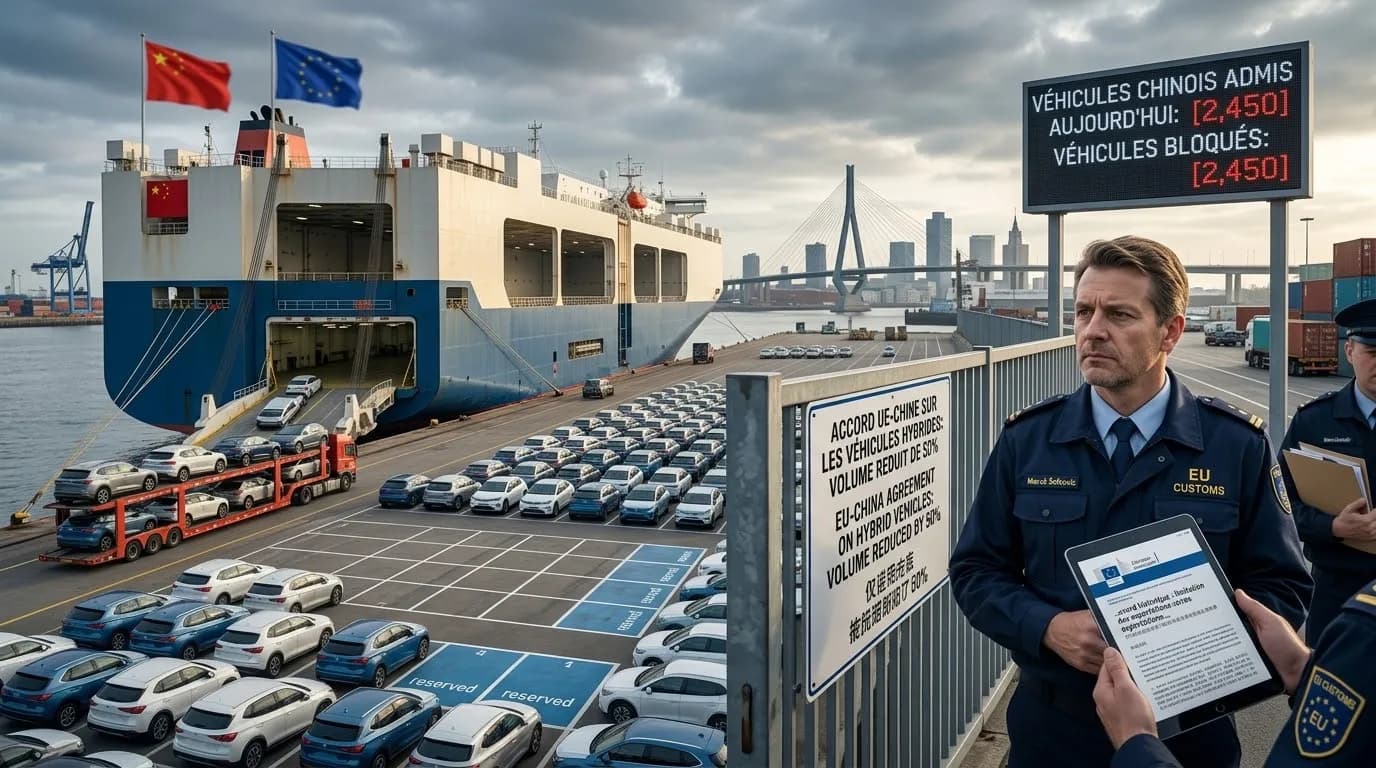
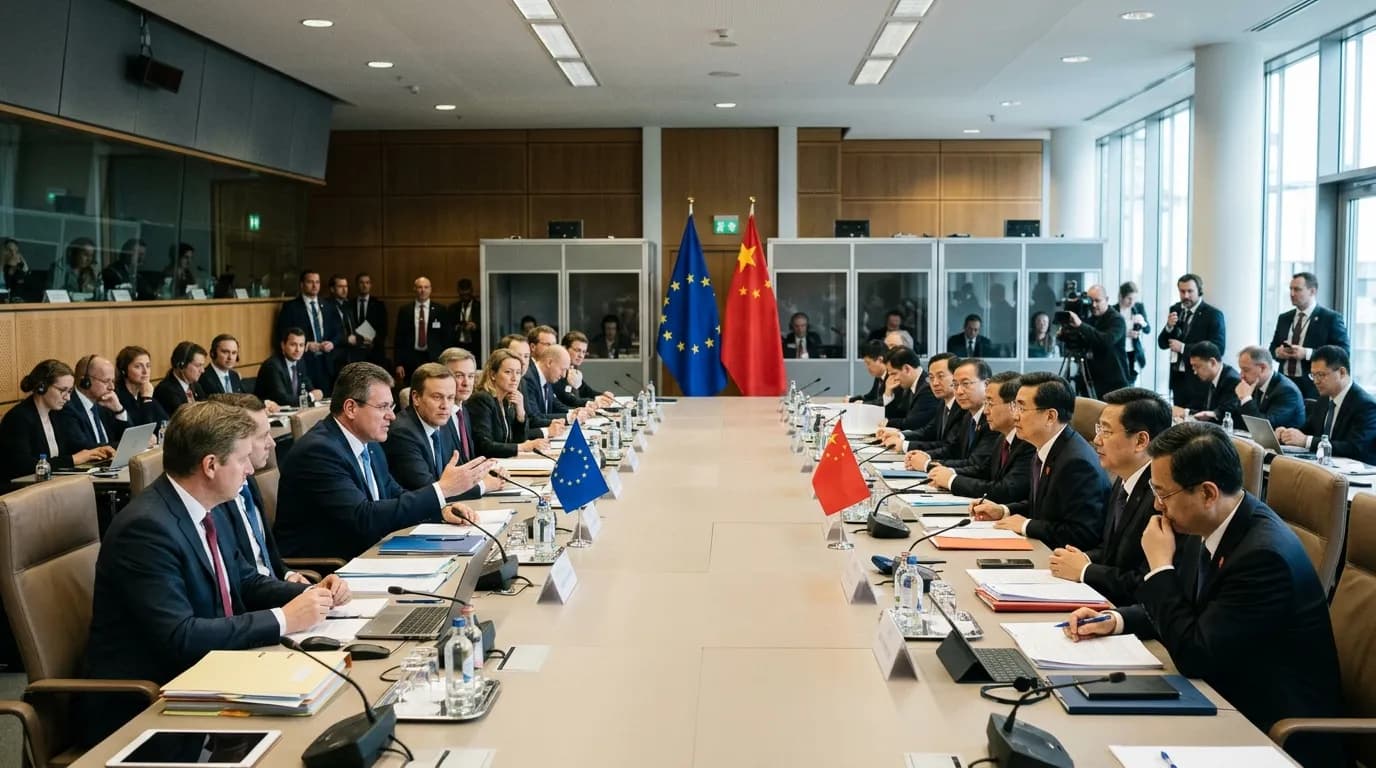
Brussels says Chinese hybrid vehicle shipments could fall by more than half over four years under a landmark agreement reached after months of negotiations.
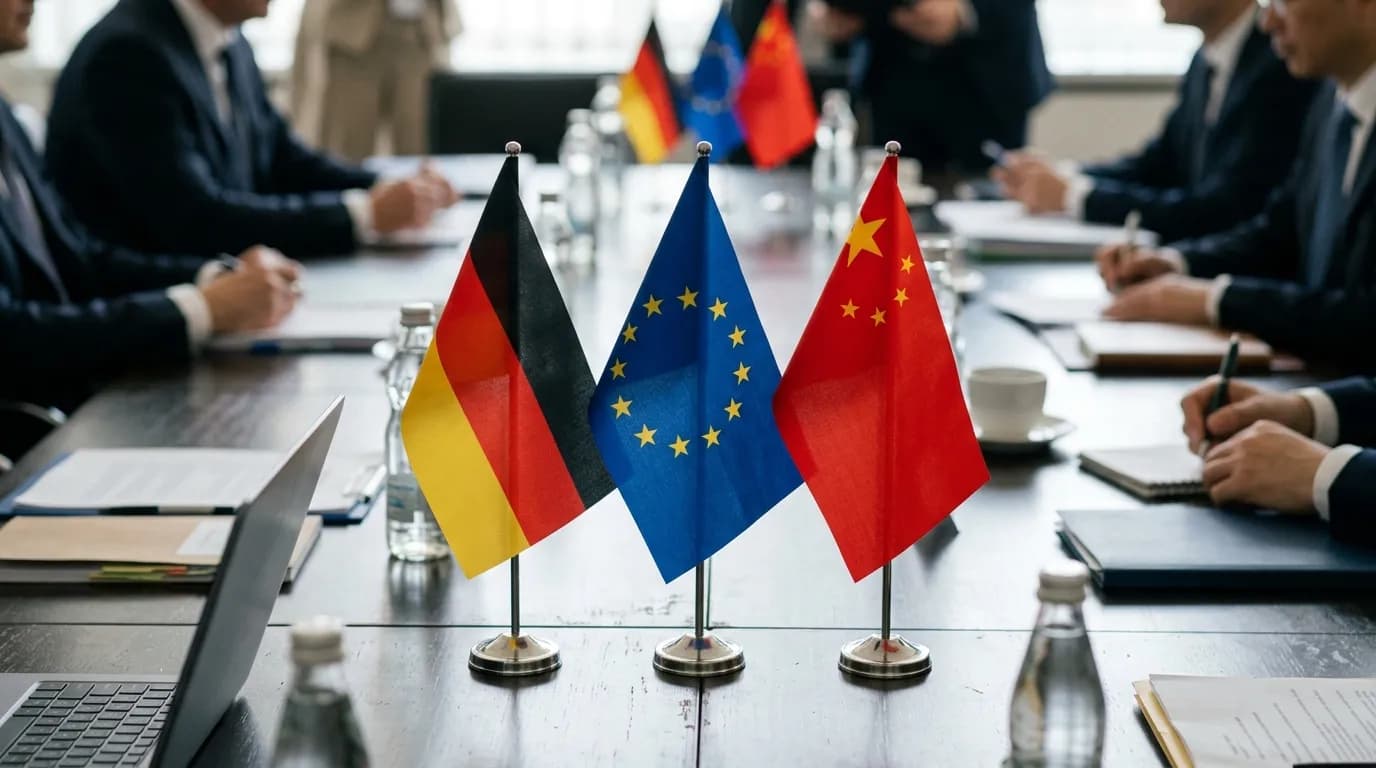
China's Foreign Minister Wang Yi has urged Germany to oppose trade protectionism and maintain open markets following talks with German representative Johann Wadephul. While Beijing advocated for dialogue and mutual cooperation to avoid a trade war, Berlin emphasized that stable economic relations require a genuine level playing field and fair competition for European companies. The high-level discussions also touched on global security issues, including Ukraine, Iran, and stability in the Taiwan Strait.
The EU has warned China it will deploy aggressive trade defense measures unless Beijing takes immediate action to reduce a record €359.8 billion trade deficit. Ahead of October talks, EU Trade Commissioner Maroš Šefčovič demanded increased purchases of European goods, relaxed market barriers, and fewer controls on critical minerals. If diplomatic efforts fail, Brussels is prepared to deploy over 200 trade tools - including import safeguards and supply-chain diversification rules - though internal EU divisions over potential Chinese retaliation could complicate enforcement.
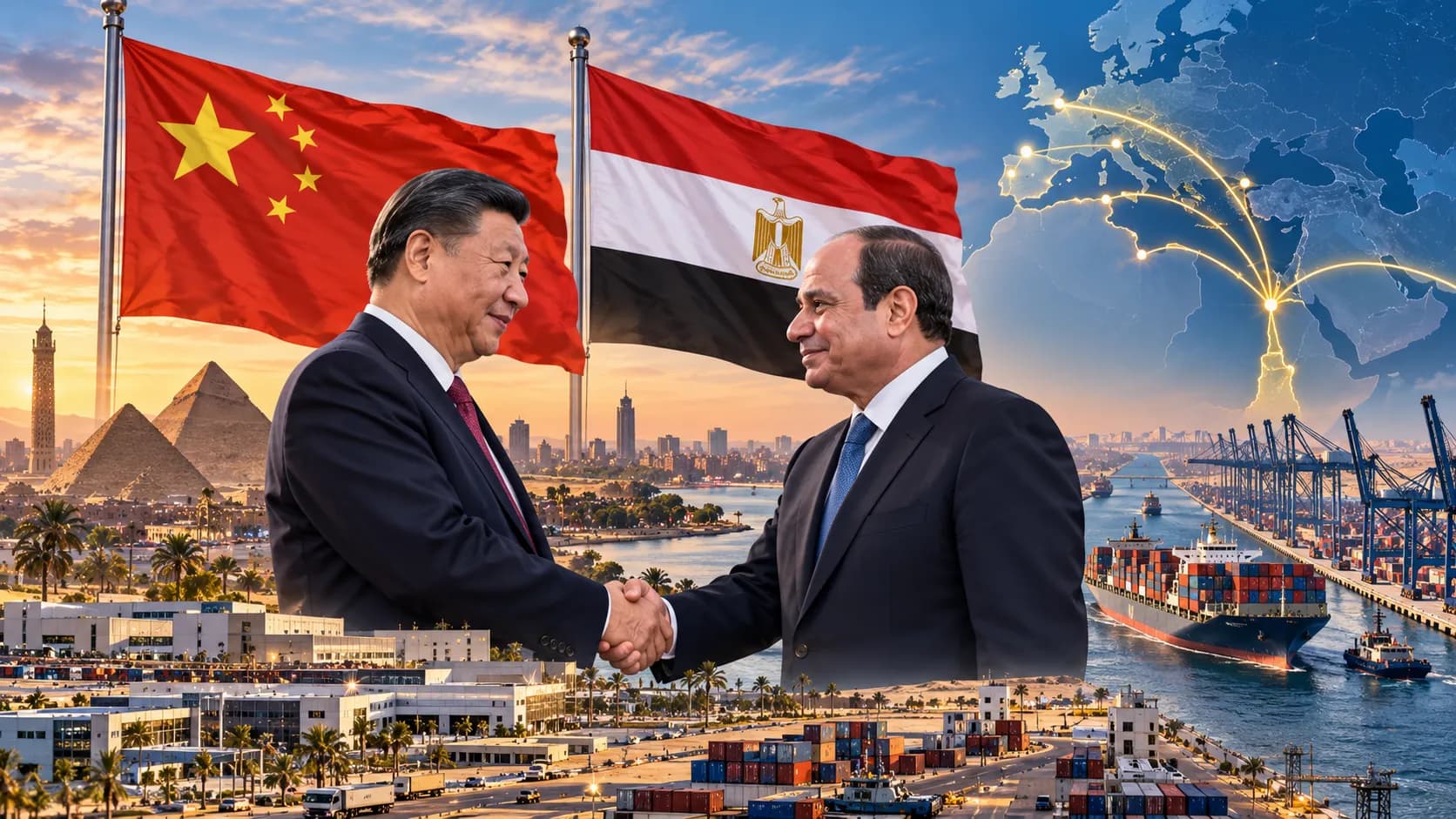
Chinese investment in Egypt's Suez Canal corridor is bringing manufacturing and logistics closer to Europe's southern frontier, with bilateral trade reaching $20.7 billion in 2025.
From January 2026, importers must buy certificates for embedded emissions in steel, cement, and other goods, with the first annual declarations due by September 2027.
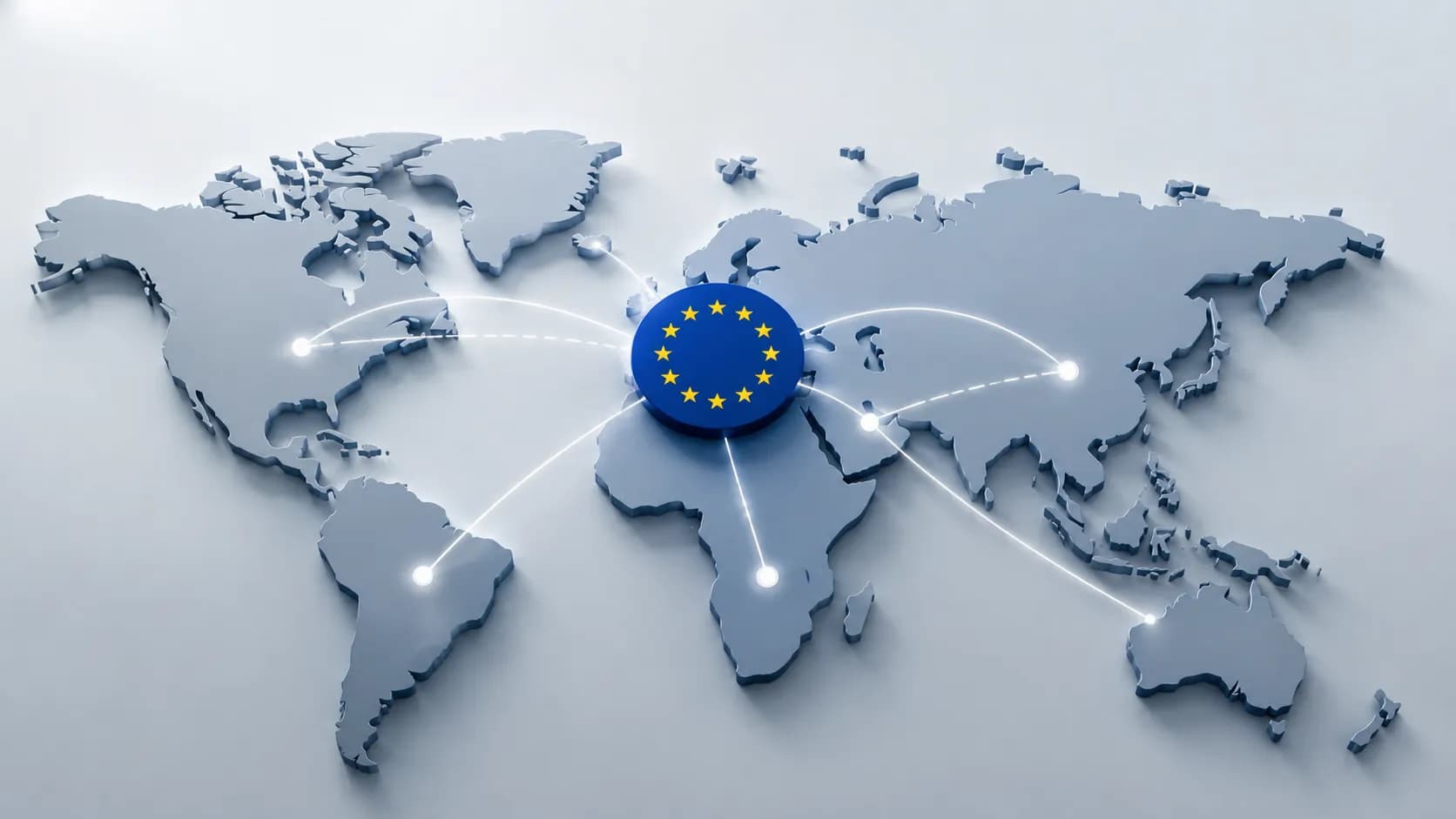
Brussels is signing deals from Latin America to Southeast Asia, with the Mercosur pact now in force and negotiations with India, Australia and Mexico concluded.
After two years of near-stagnation, Germany's GDP grew 0.2% in Q2 2026, but the recovery is fragile as the country grapples with high energy costs and competition from China.
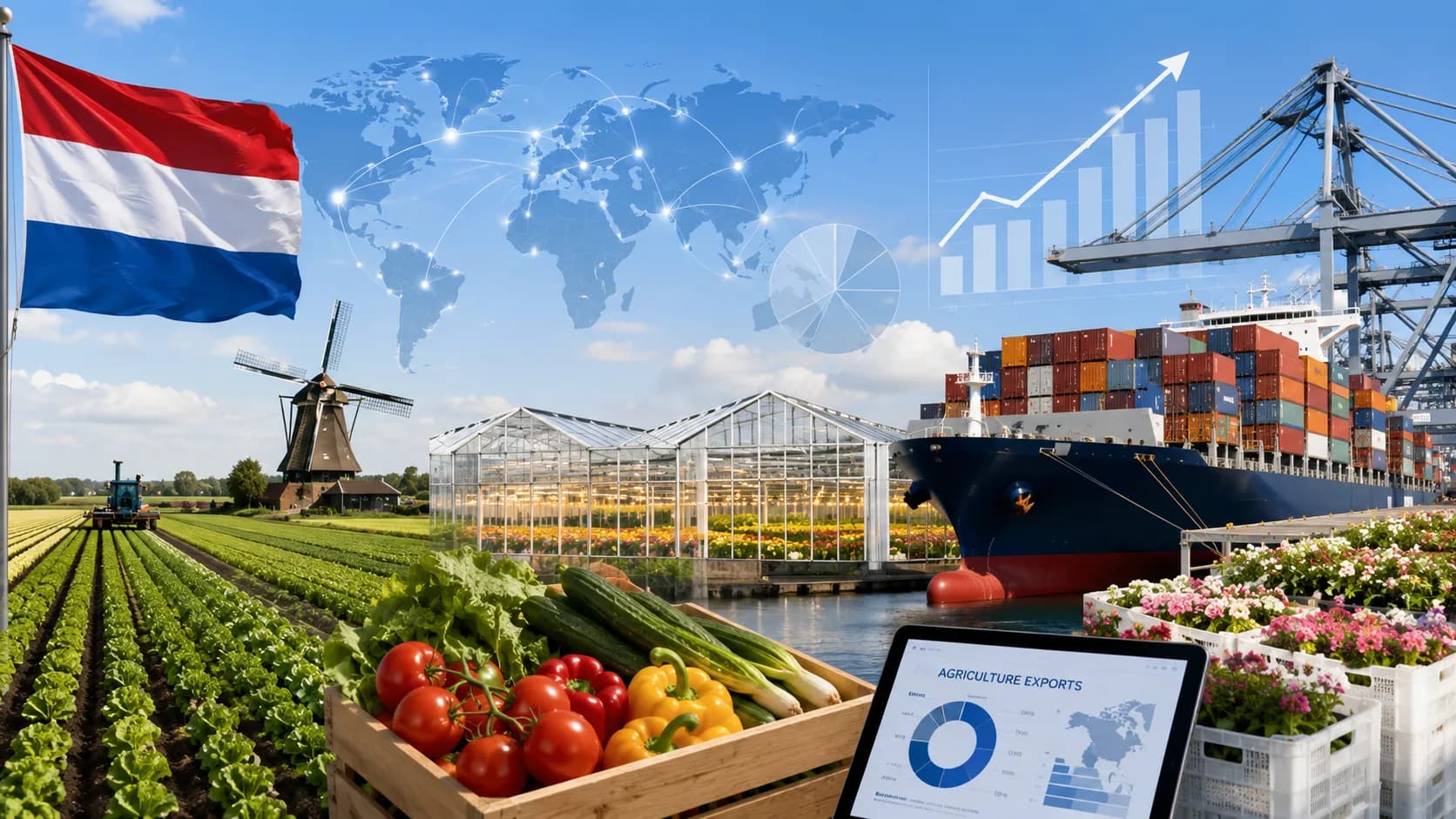
Agricultural exports hit a record €137.5 billion in 2025, up 8.4%, and now account for 20.7% of total Dutch goods exports, the highest share since 2001.
A record 229 investment-policy measures were adopted by governments in 2025, with incentives increasingly focused on strategic sectors like semiconductors and AI.
New CSIS data shows $6.4 trillion in trade moved through the South China Sea's eight key chokepoints in 2024, with over $2.4 trillion passing through the Malacca and Taiwan straits alone.
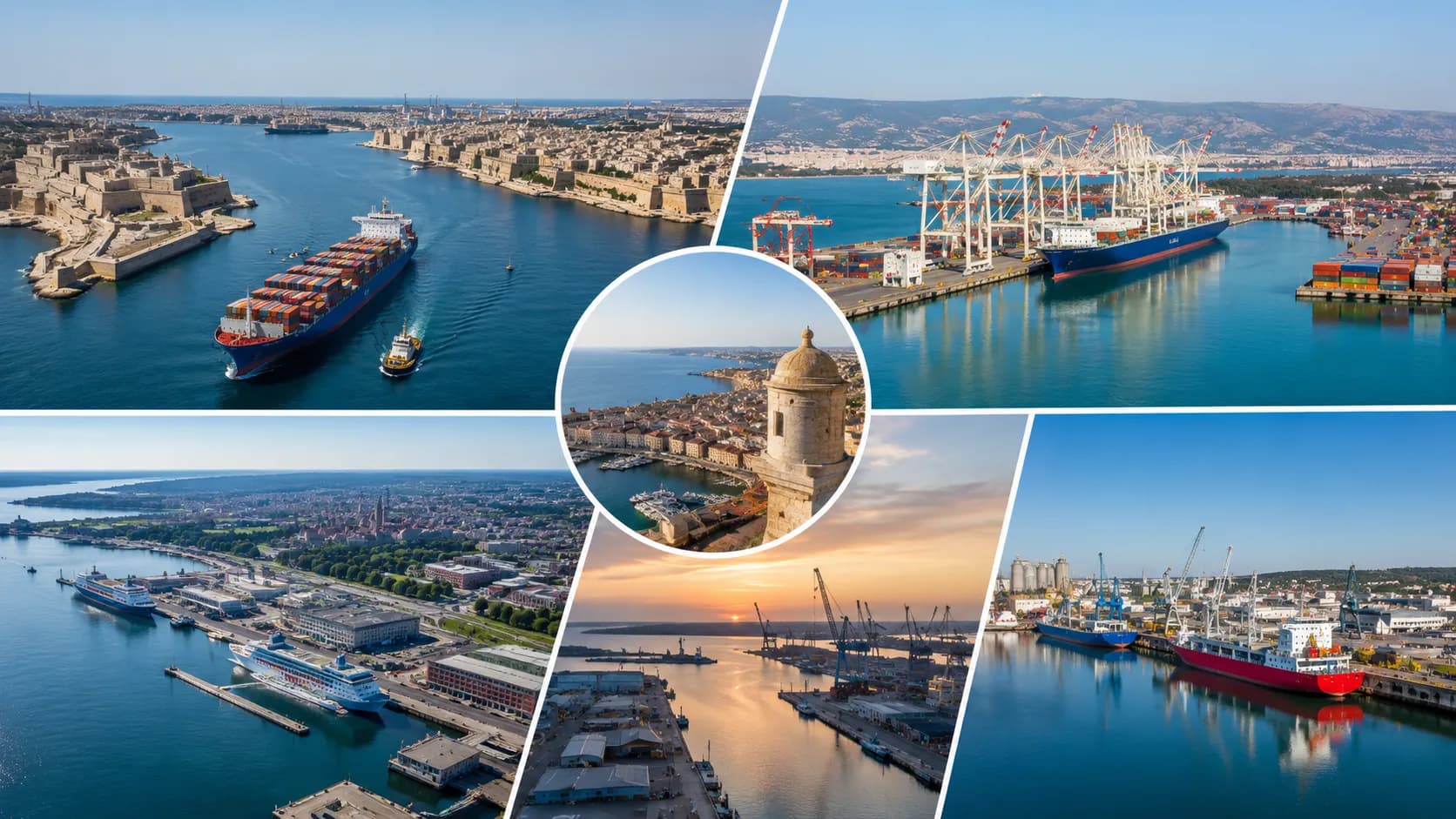
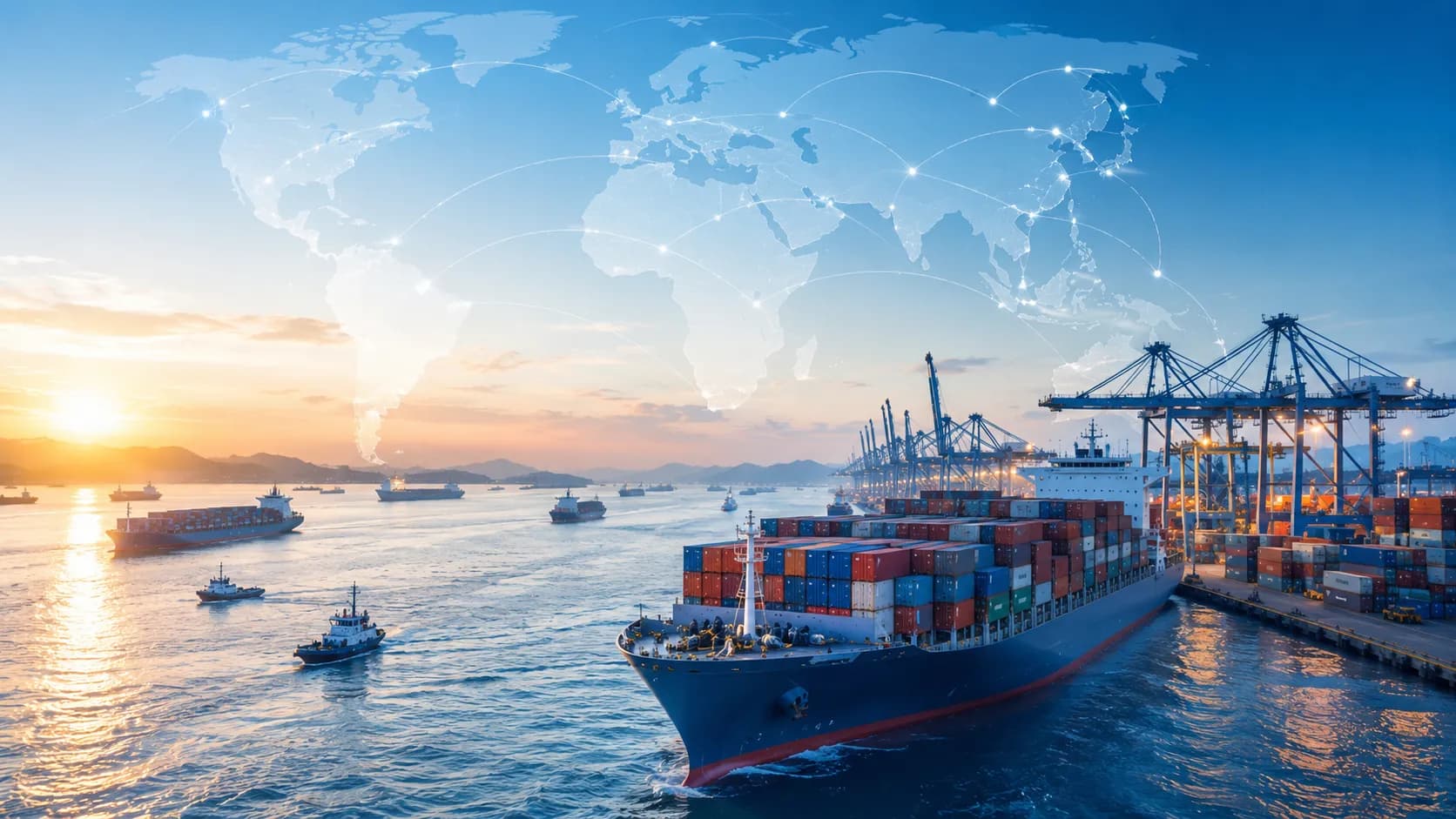
More than 80% of world merchandise trade by volume moves by sea, and UNCTAD data show Shanghai, Ningbo-Zhoushan, and Singapore as the best-connected ports in Q2 2026.
Turkmenistan’s economy grew by 6.3% in the first half of 2026, driven by strong oil and gas output alongside gains in construction, trade, and services. While economic stability remains solid, long-term resilience will depend on accelerating diversification beyond the energy sector.
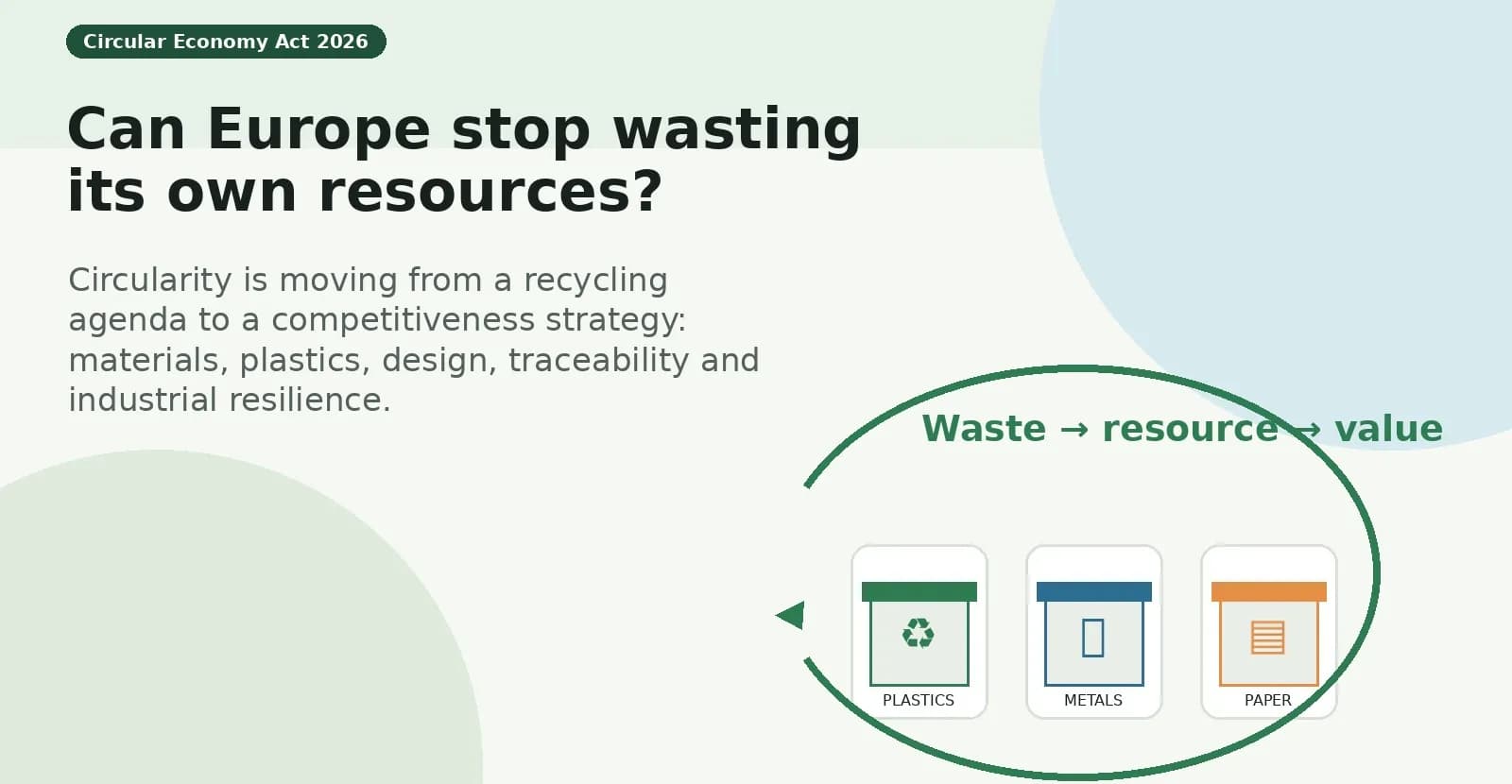
As the EU prepares its forthcoming Circular Economy Act, circularity is moving from the margins of environmental policy to the centre of Europe’s competitiveness agenda. This article argues that waste is no longer merely a disposal problem, but a strategic test of Europe’s industrial resilience, resource security and ability to build a functioning market for secondary raw materials. With plastics at the heart of the debate, the piece explores why Europe must transform recycling, product design, traceability and material reuse into pillars of a stronger, greener and more self-reliant economy.