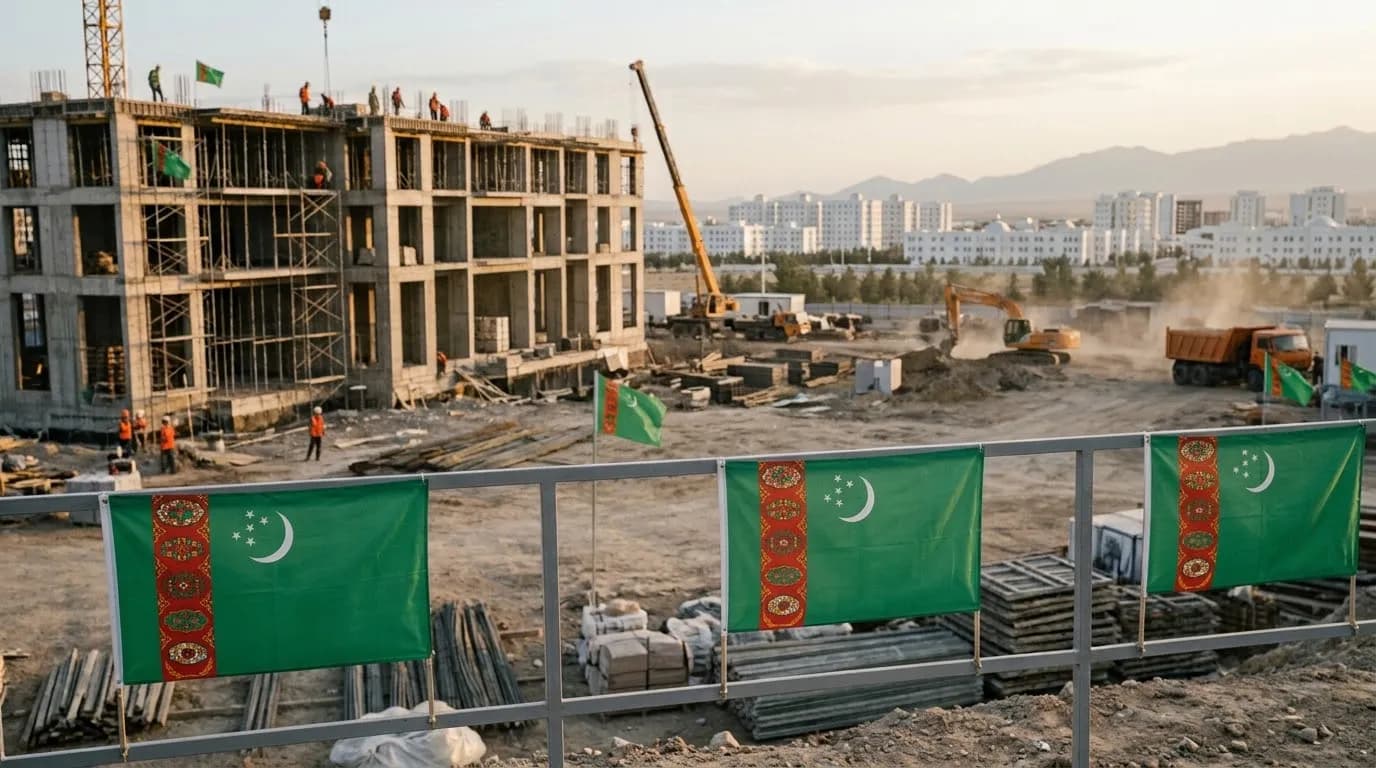
Ashgabat plans to channel 68.5 percent of this year's construction budget into production facilities and 31.5 percent into education, healthcare and culture, with GDP growth projected at 6.3 percent for 2026.
GDP grew 1.5 percent to $60.03 billion in the first nine months, but the oil and gas sector shrank 1.2 percent while non-energy output rose just 2.6 percent, leaving the diversification question open.
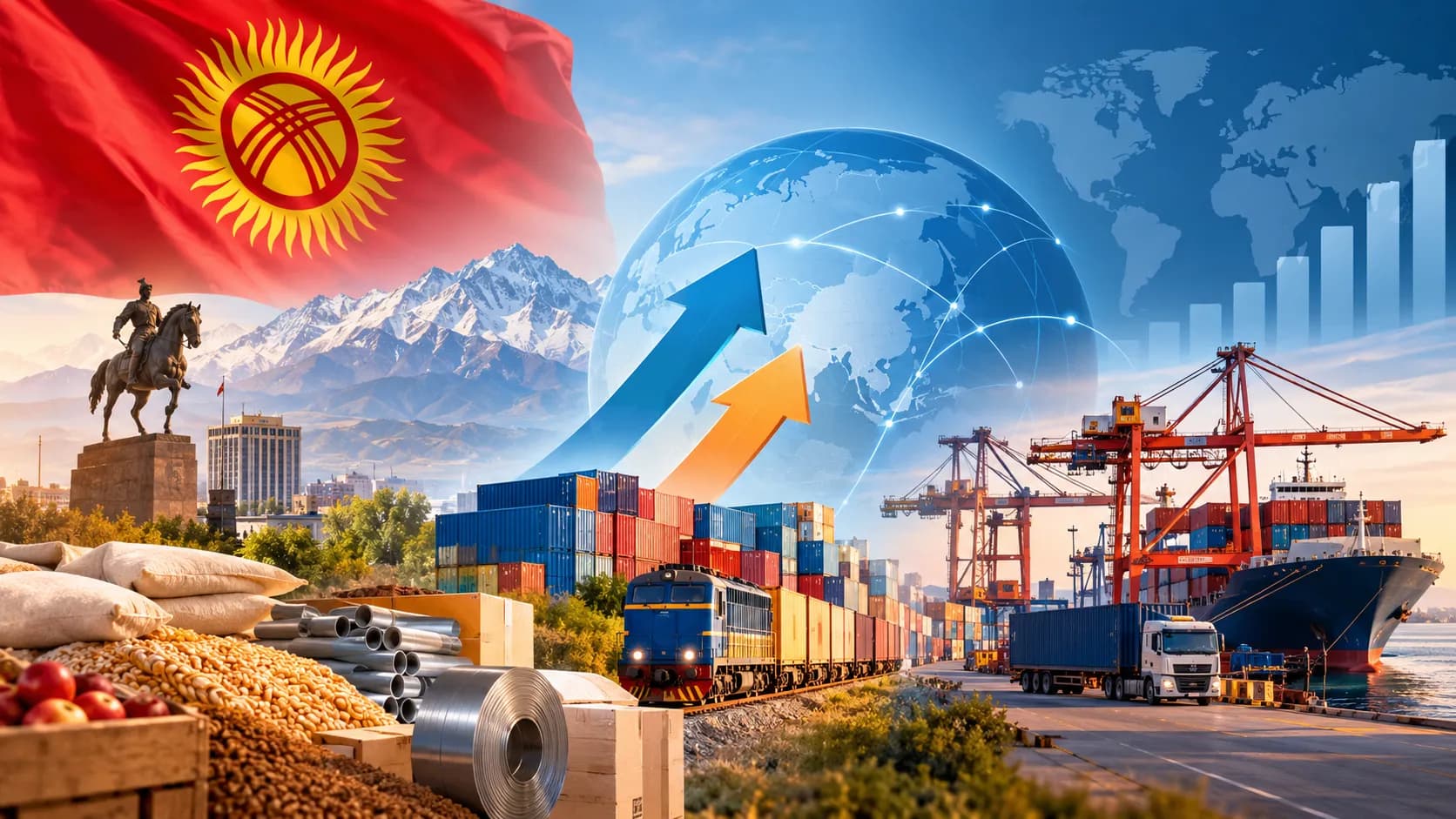
Imports grew 8.7% while exports managed only 2.7%, leaving Kyrgyzstan reliant on outside markets for consumer goods, industrial materials and equipment. The $10bn total masks a widening trade deficit that must be financed.
Digital platforms handled 86 percent of online retail sales, led by Kaspi.kz, Ozon, Wildberries, Halyk Market and Forte Market, concentrating the market among a handful of players.
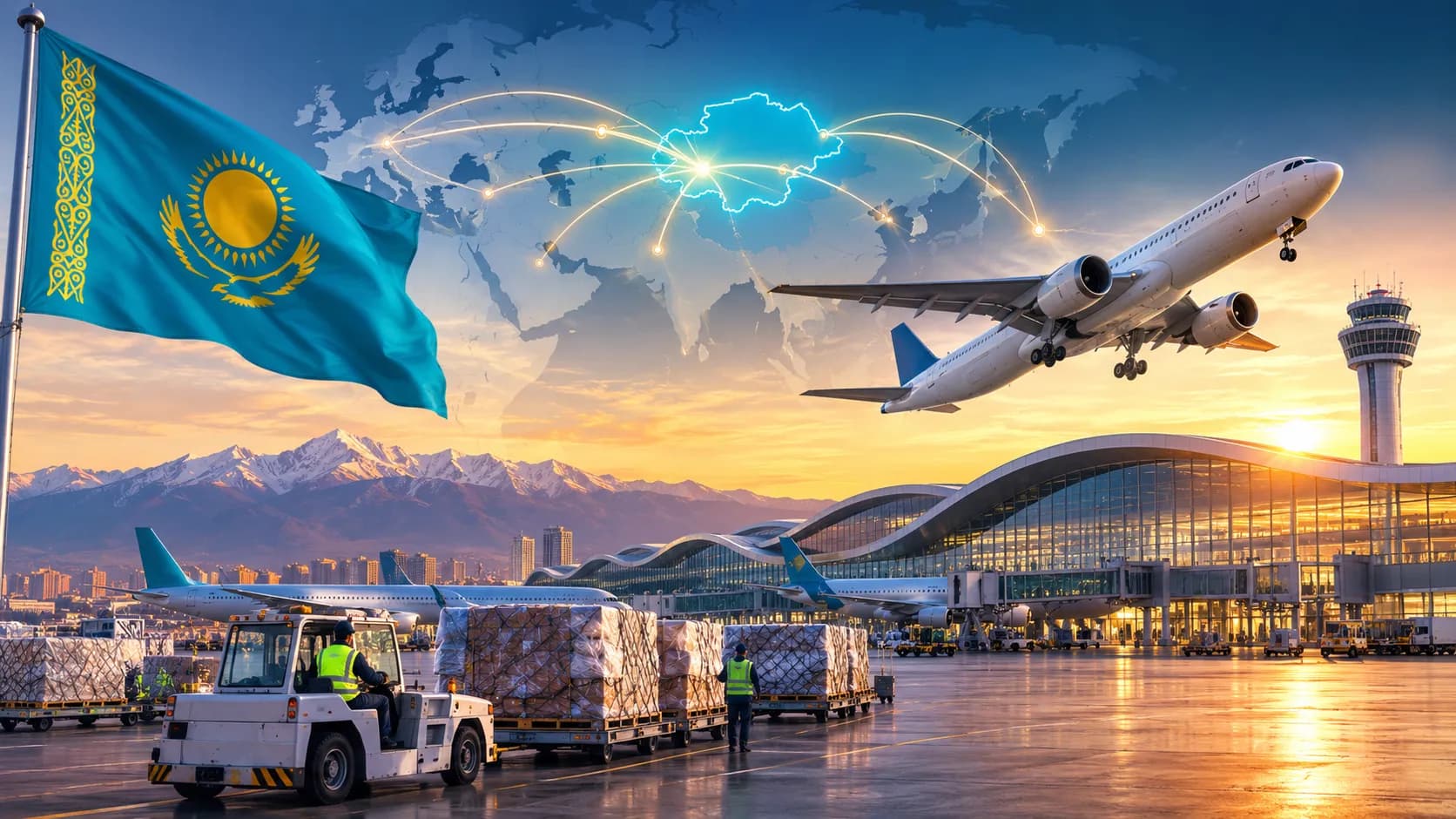
New terminals in Almaty, Kyzylorda, and Shymkent have boosted combined annual capacity from 3.5 million to 23 million passengers, while three airports are under construction in tourist areas.
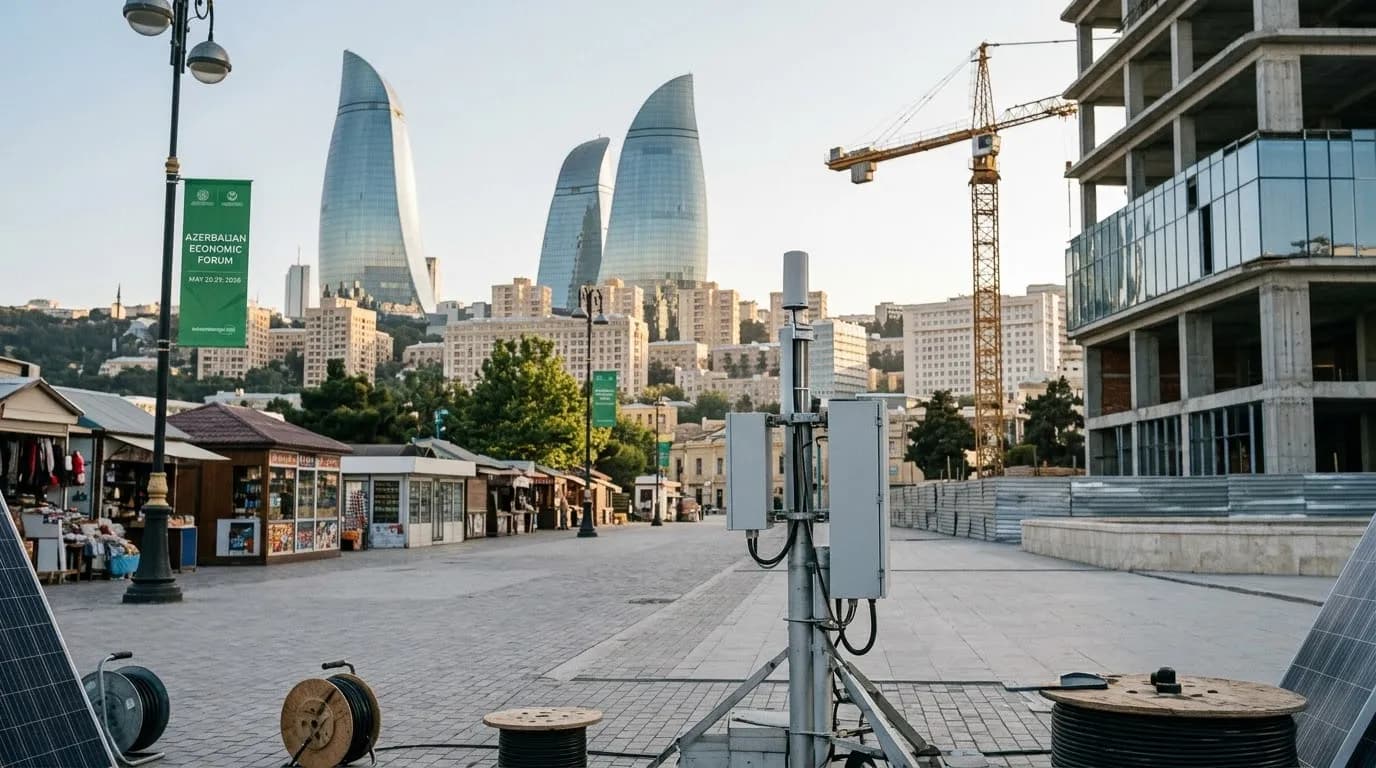
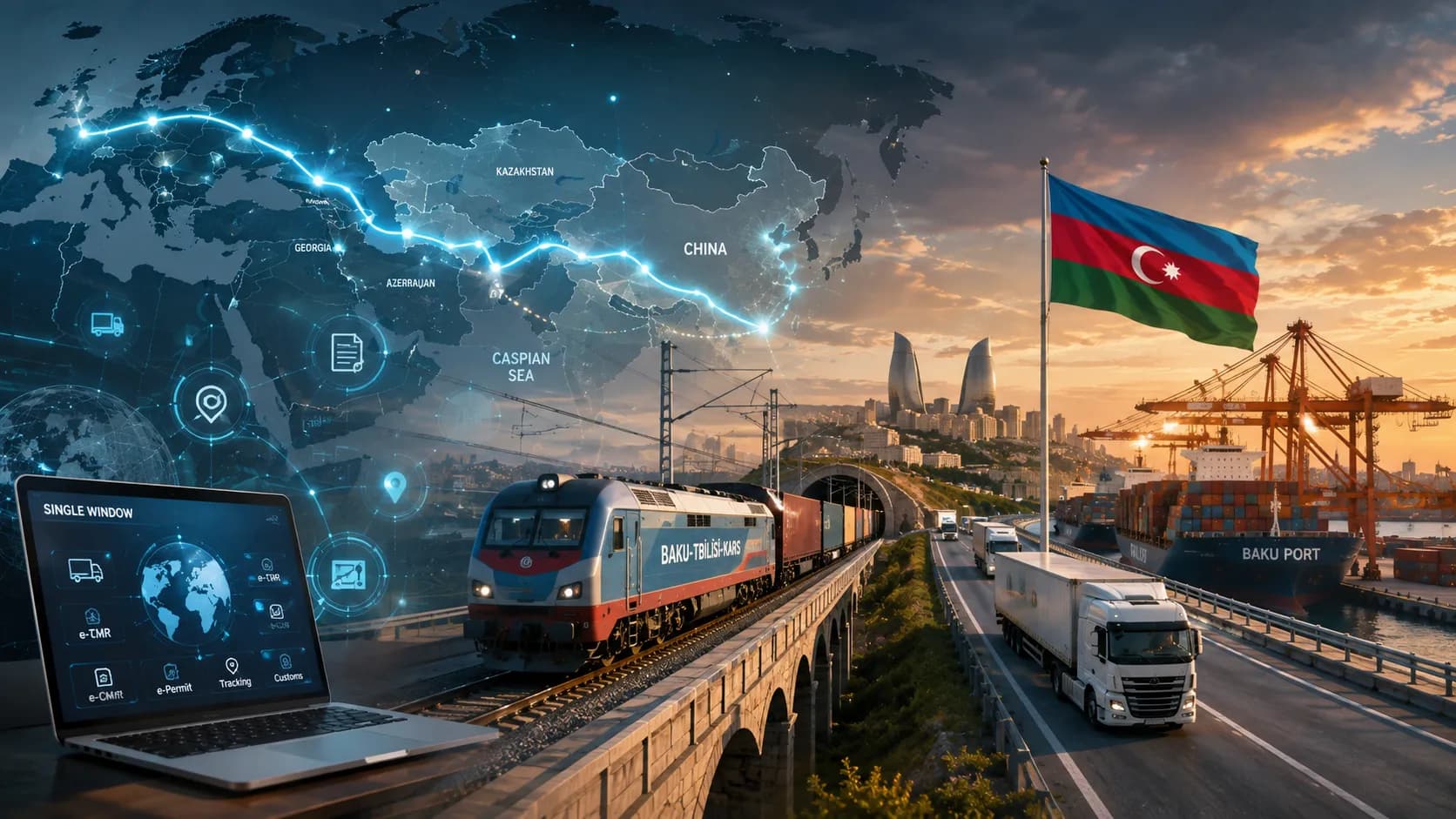
Azerbaijan's digital reforms have cut China-Europe transit times from 38-53 days to 12-18, but coordination gaps and infrastructure limits still pose challenges.
Kazakhstan is investing in major road, rail, and port projects to strengthen the Middle Corridor and become a leading Eurasian logistics hub. Success will depend on infrastructure delivery, regional cooperation, digitalization, and overcoming environmental and geopolitical challenges by 2029.
Turkmenistan’s economy grew by 6.3% in the first half of 2026, driven by strong oil and gas output alongside gains in construction, trade, and services. While economic stability remains solid, long-term resilience will depend on accelerating diversification beyond the energy sector.
Kazakhstan reaffirmed its ambition to become Central Asia’s leading investment hub through constitutional reforms, AI-driven growth, and economic diversification. While rising FDI and digital transformation strengthen its position, long-term success will depend on transparency, institutional credibility, and reducing commodity dependence.
Azerbaijan is strengthening its role as a regional investment and Islamic finance hub by leveraging strategic partnerships, infrastructure, and the Middle Corridor. The Baku IsDB Forum highlighted diversification, Gulf investment potential, and sustainable economic cooperation across the region.
Ashgabat 2045 is a long-term strategy to transform Turkmenistan’s capital through smart city technologies, digital governance, infrastructure modernization, and international cooperation. The framework seeks to improve urban management, sustainability, and regional connectivity.
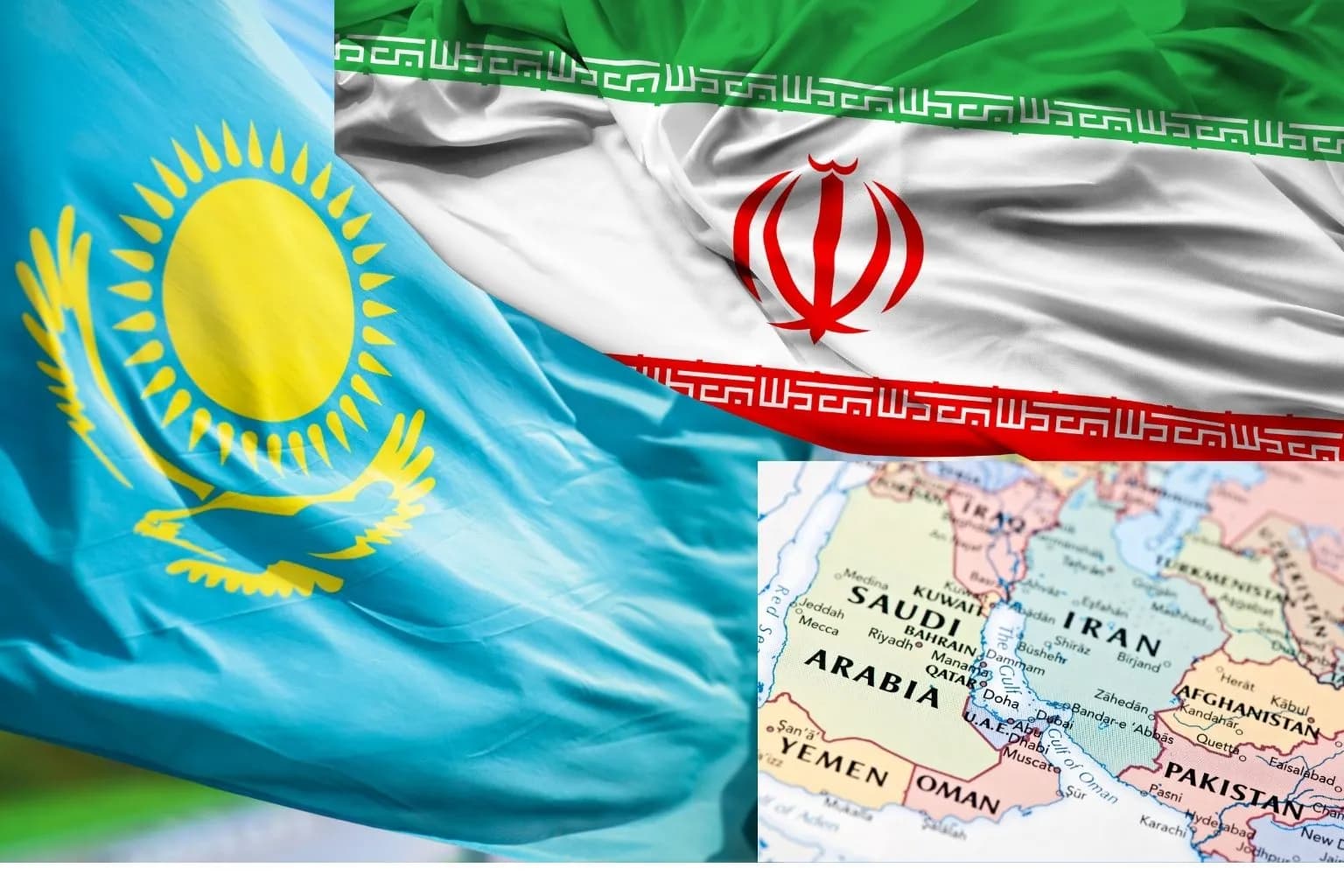
The UAE–Kazakhstan partnership is rapidly evolving into a strategic alliance focused on logistics, energy, AI, and regional connectivity. Backed by multi-billion-dollar investments, both countries aim to strengthen trade corridors, clean energy cooperation, and Eurasian economic integration.
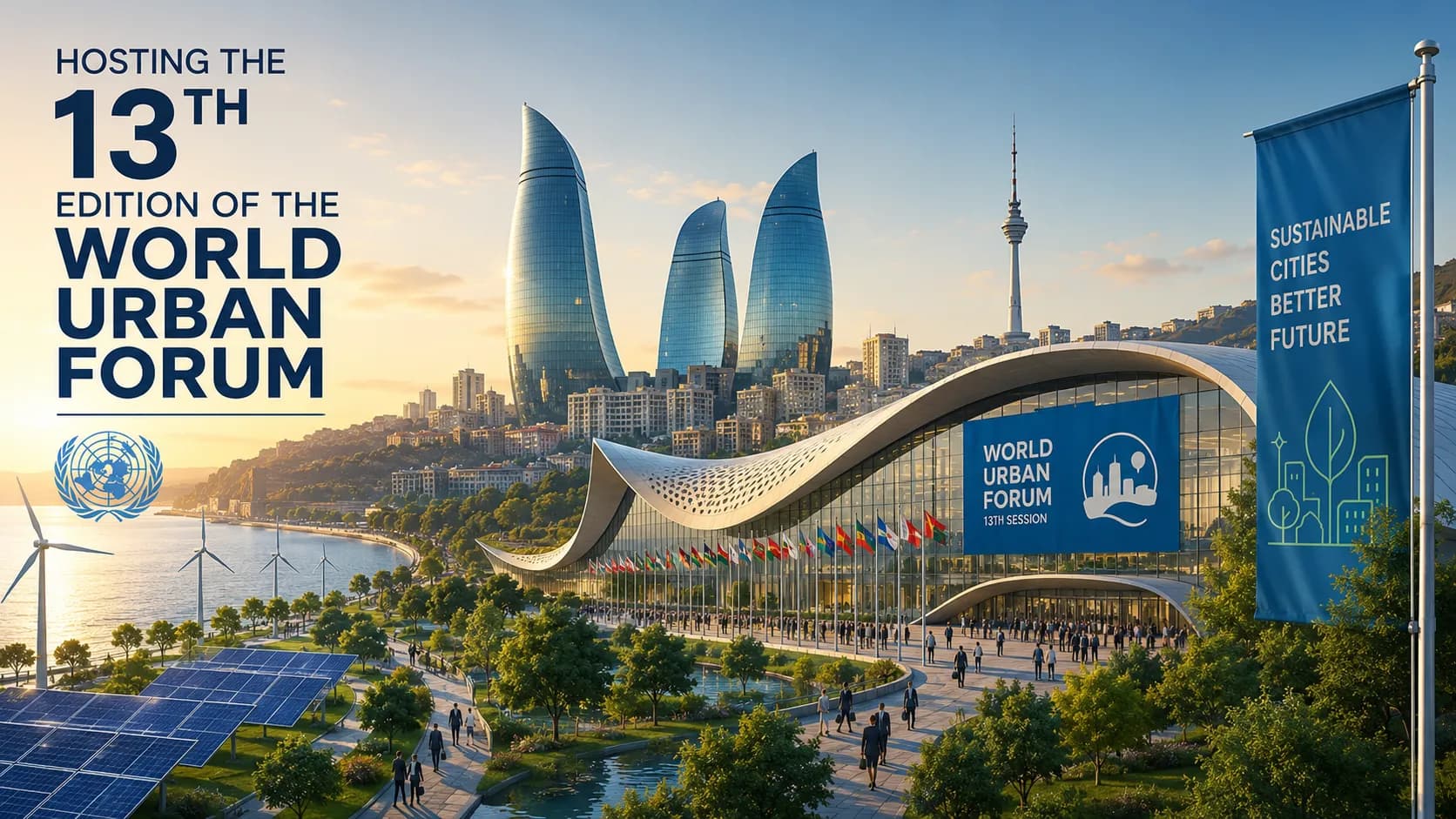
Azerbaijan is positioning Baku’s 2026 World Urban Forum as a global platform for urban innovation, green economy transition, and post-conflict reconstruction. The country aims to showcase smart cities, attract investment, and link sustainability with regional development strategy long-term vision.
Since 2019, Uzbekistan has become ACWA Power’s main hub in Central Asia through major energy reforms. The company expanded renewable energy, hydrogen, and infrastructure investments into Kazakhstan, Azerbaijan, Kyrgyzstan, and Tajikistan, shaping a wider regional geopolitical and economic transformation.
Uzbekistan is nearing WTO accession by the end of 2026 after major economic reforms. Membership is expected to boost GDP, attract foreign investment, expand exports, and integrate the country into global value chains while strengthening trade ties with Gulf and Middle Eastern markets.
Kazakhstan’s Artificial Intelligence University marks a strategic shift toward a knowledge-based economy. Combining education, research, and industry, it aims to boost innovation, reduce brain drain, and strengthen technological sovereignty while maintaining human-centered learning and critical thinking.
President Shavkat Mirziyoyev conducted six high-level calls with Gulf states and Jordan on March 4, 2026, stressing diplomacy, Ramadan solidarity, and regional stability. Uzbekistan affirmed support for citizens’ safety, condemned aggression, and positioned itself as a proactive mediator in Middle East peace.
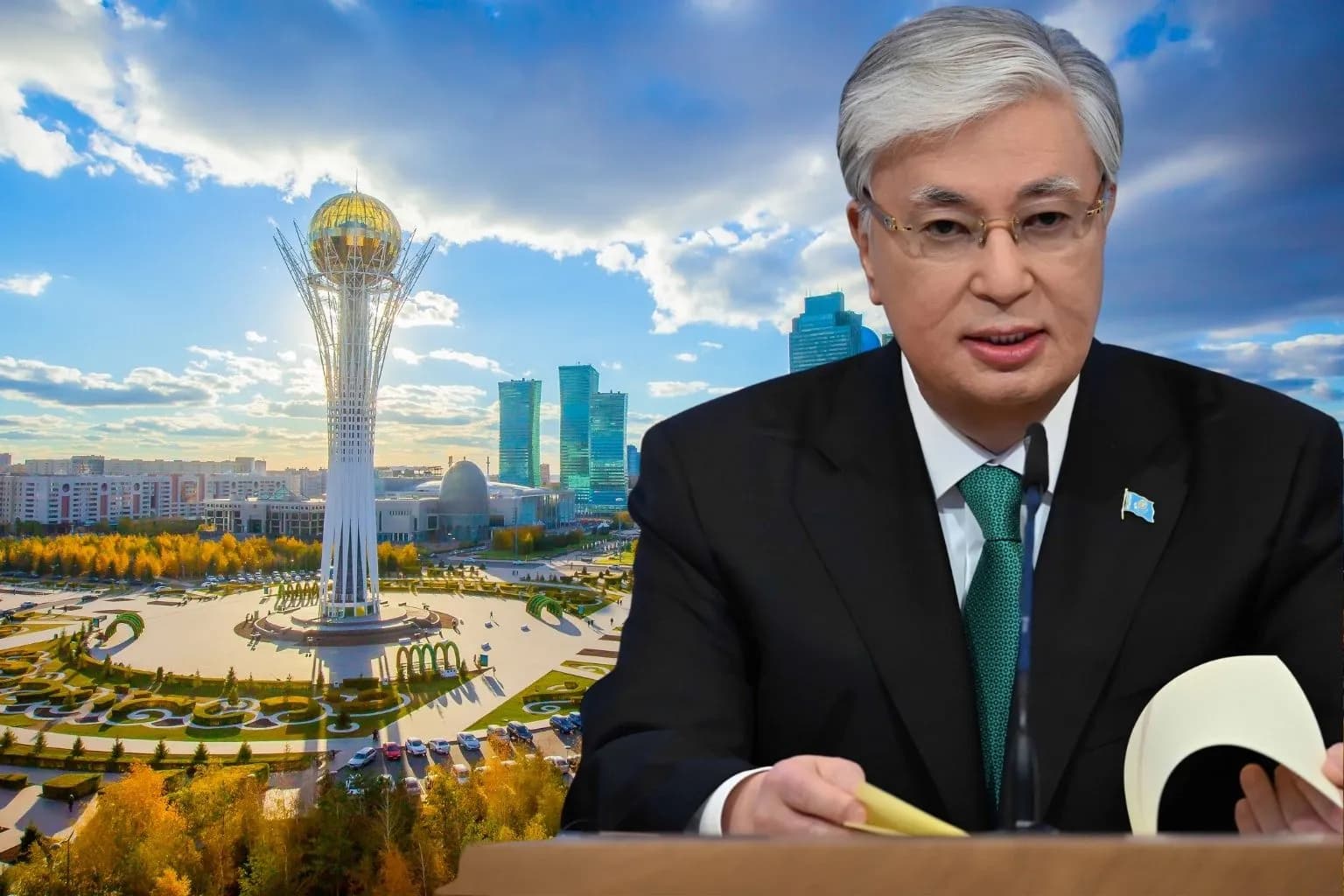
President Tokayev expressed full solidarity with Gulf states, condemning any military actions undermining their sovereignty and territorial integrity. He emphasized diplomacy and dialogue as the only path to regional stability and reaffirmed Kazakhstan’s readiness to support its partners.
Kazakhstan emerges as an influential middle power through multi-vector diplomacy, soft power, and neutral mediation. By balancing relations among major powers and promoting dialogue, connectivity, and cooperation, it contributes to stability and governance in an increasingly multipolar world.
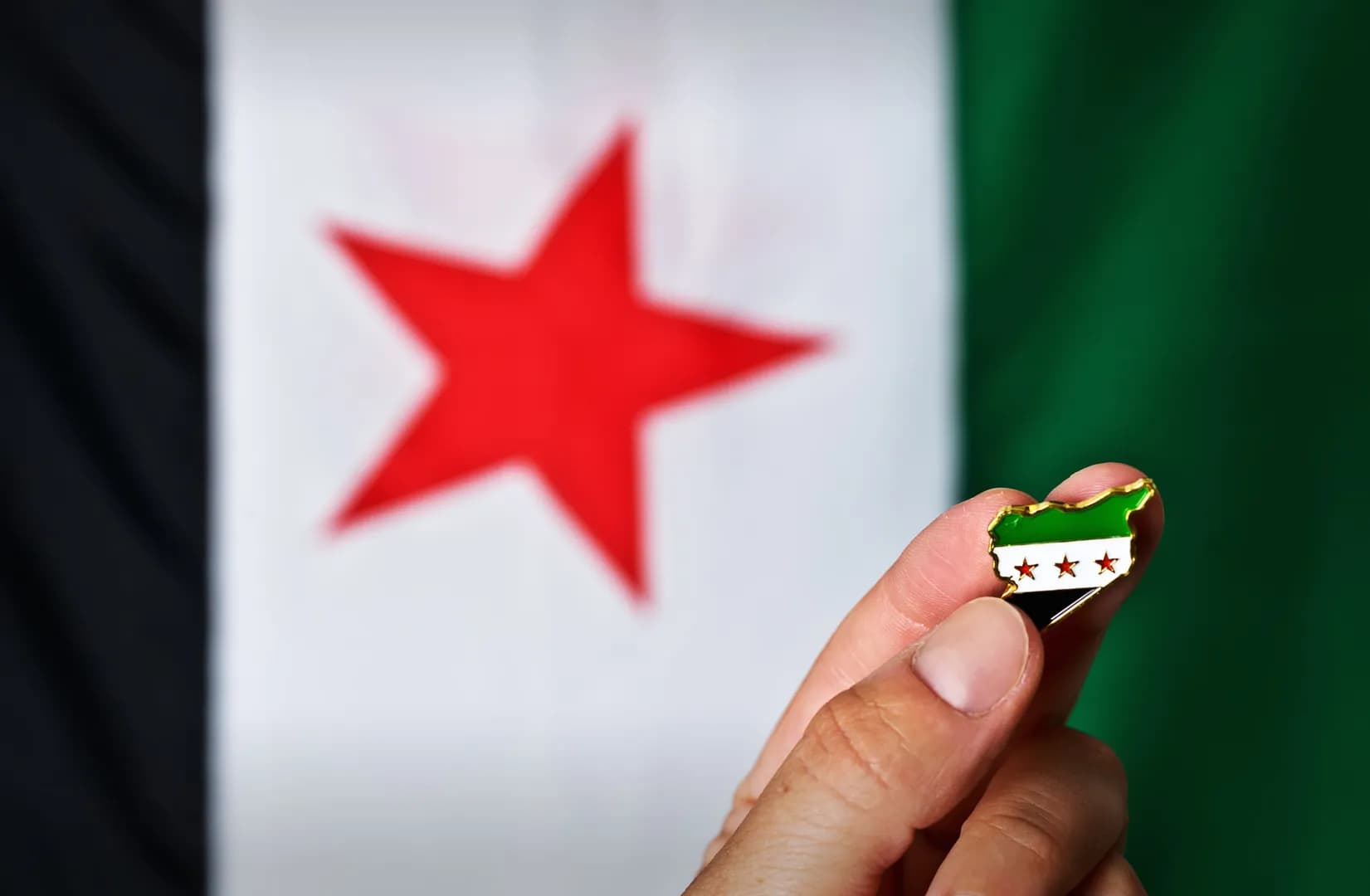
Syria’s Foreign Minister Asaad al-Shibani is set to visit China in the first official trip by the new government under President Ahmed al-Sharaa, marking a major shift in Syrian foreign policy. The visit aims to rebuild ties with Beijing, which had strongly supported the former Assad regime. Talks will center on reconstruction and mutual interests as Syria seeks Chinese investment, especially under the Belt and Road Initiative. With most U.S. sanctions lifted in mid-2025, Chinese and Western investment is expected to grow. The World Bank estimates Syria’s reconstruction costs at $140–345 billion. Al-Shibani says China will be a partner in rebuilding Syria’s future, signaling a new diplomatic direction.
United Nations (UN) Secretary-General António Guterres has called on the Sudanese Armed Forces and the Rapid Support Forces (RSF) to immediately begin negotiations for a resolution to the conflict. Guterres expressed deep concern over the escalating military situation, particularly in the city of El Fasher in North Darfur, demanding an immediate halt to the hostilities.
The Secretary-General noted that hundreds of thousands of civilians besieged by the RSF have been dying daily from hunger, disease, and violence for over 18 months, describing the situation as a risk of a "major humanitarian catastrophe." Guterres condemned indiscriminate attacks on civilians, ethnically motivated violence, and grave violations of international humanitarian law.
Guterres emphasized the need to lift the siege immediately, ensure the unhindered flow of humanitarian aid, and stop the influx of external weapons and foreign fighters into the region. The UN has called on the international community to support negotiation efforts and strengthen aid delivery.
The U.S. State Department has appointed seasoned diplomat Steven Fagin as the civilian head of the Gaza Agreement Implementation Center, established to oversee the ceasefire’s execution and humanitarian coordination in Gaza. Fagin, fluent in Arabic, Kurdish, and Russian, brings over 25 years of experience from key diplomatic posts in Iraq, Yemen, and Central Asia. The center, located near Kiryat Gat and led militarily by Lt. Gen. Patrick Frank, hosts around 200 U.S. soldiers specializing in logistics and reconstruction. Secretary of State Marco Rubio announced the appointment during his visit to the center, reaffirming Washington’s commitment to Gaza’s stability and recovery.