Kazakhstan as a Neutral Mediator in a Multipolar World
Kazakhstan emerges as an influential middle power through multi-vector diplomacy, soft power, and neutral mediation. By balancing relations among major powers and promoting dialogue, connectivity, and cooperation, it contributes to stability and governance in an increasingly multipolar world.
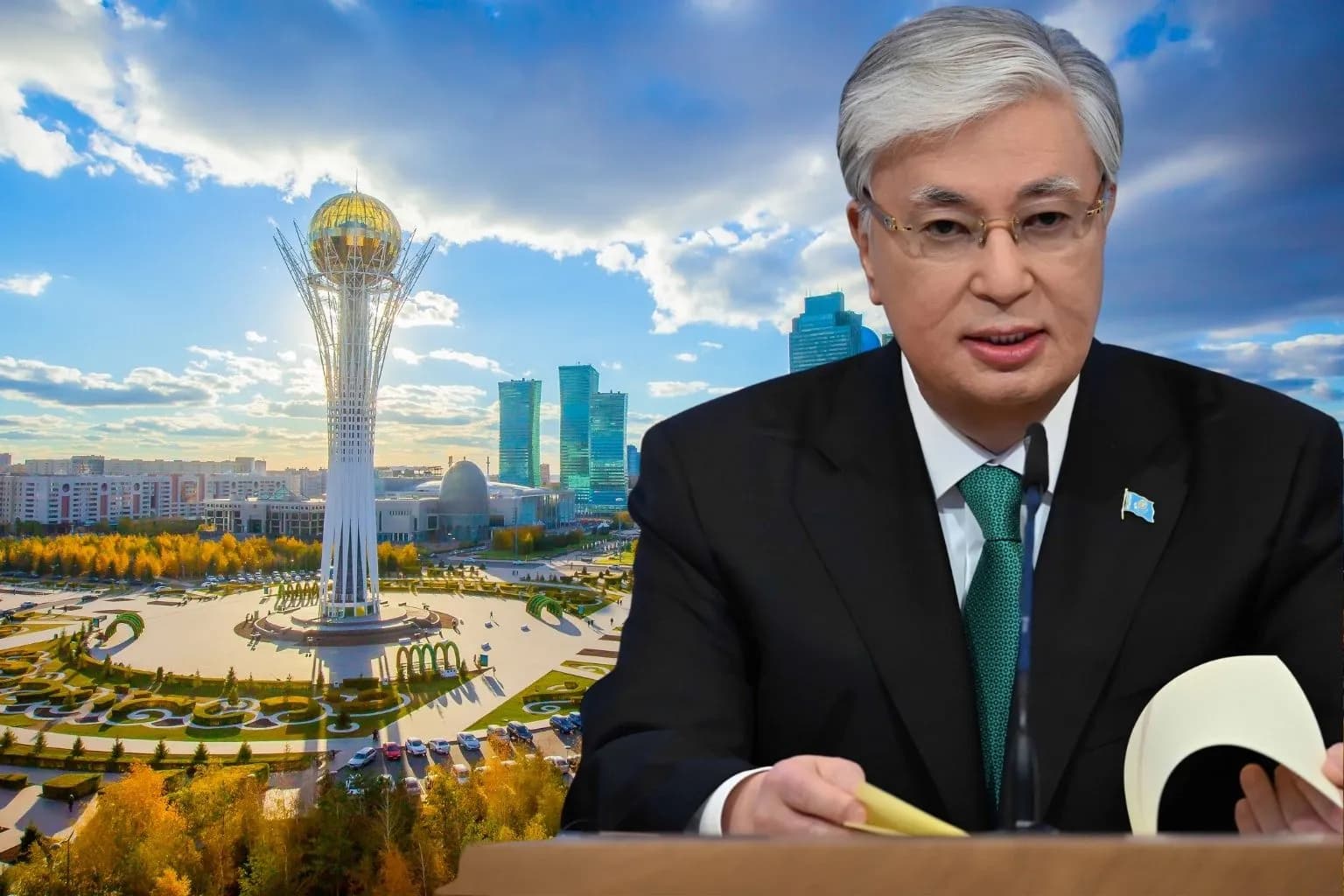
An era marked by deepening geopolitical polarization and transnational challenges, Kazakhstan stands out as a compelling model for middle powers that harness soft power to influence the global order. Its strategic geographic position—serving as a natural bridge between Asia and Europe, and the North and South—has enabled it to evolveInto a flexible diplomatic actor that emphasizes dialogue and balance over confrontation.Under President Kassym-Jomart Tokayev, this orientation has been reinforced through a “multi-vector” foreign policy that cultivates balanced relations with all major powers while avoiding over-dependence on any single partner. This pragmatic approach reflects astute strategic thinking in a world transitioning from unipolar dominance to genuine multipolarity.Kazakhstan safeguards its political independence by nurturing parallel partnerships with Russia, China, the United States, and the European Union. Economic cooperation with China has expanded markedly through the Belt and Road Initiative, while strategic alignment with Russia endures via the Collective Security Treaty Organization and the Eurasian Economic Union. Simultaneously, Kazakhstan has drawn substantial European investment into its energy and mining sectors, showcasing its ability to reconcile competing interests and transform geopolitical rivalry into avenues for mutual gain.At the heart of Kazakhstan’s soft power lies its established role as a credible, neutral mediator in international disputes. It successfully hosted the Astana Process on the Syrian crisis, convening Russia, Turkey, Iran, and Syrian representatives to achieve de-escalation and sustain dialogue channels. Kazakhstan also facilitated platforms for Armenia-Azerbaijan negotiations on Nagorno-Karabakh, reinforcing its reputation as a state genuinely committed to peaceful resolutions.These initiatives transcend tactical maneuvering; they embody a principled dedication to nuclear disarmament—most notably through the closure of the Soviet-era Semipalatinsk nuclear test site—and to broader regional stability.On the multilateral stage, Kazakhstan actively participates in the Shanghai Cooperation Organization, the Organization of Turkic States, and the Conference on Interaction and Confidence-Building Measures in Asia (CICA). It also leadsImportant environmental and economic efforts, including the International Fund for Saving the Aral Sea and the Islamic Organization for Food Security, thereby contributing meaningfully to global governance and the Sustainable Development Goals.This pluralistic outlook positions Kazakhstan as an inspiring example for middle powers advocating reform of the UN Security Council to enhance representation for non-permanent members amid rising global divisions.Economically, Kazakhstan’s location elevates it to a vital global logistics hub, particularly through the Middle Corridor (Trans-Caspian International Transport Route). The corridor recorded impressive growth, transporting approximately 4.5 million tons in 2024 (a 62% increase from the prior year), with expectations to surpass 5 million tons in 2025 and potentially triple or quadruple by the decade’s end. This development strengthens resilient global supply chains, bypassing routes disrupted by geopolitical tensions.In May 2025, Kazakhstan hosted the Astana International Forum under the theme “Connecting Minds, Shaping the Future.” The event attracted thousands of participants worldwide and addressed urgent issues such as climate change, energy security, technological innovation, and regional stability—further establishing Astana as a leading global diplomatic center and embodying Kazakhstan’s vision of pluralism and cooperative progress.Kazakhstan’s soft power also encompasses expanding relations with Arab states, especially Gulf Cooperation Council members. Strategic partnerships with the UAE, Qatar, and Saudi Arabia have advancedIn renewable energy, agriculture, and technology, supported by significant clean-energy investment agreements and joint food-security initiatives rooted in shared interests and mutual respect.A significant recent step reinforcing its mediator credentials occurred in January 2026, when Kazakhstan joined the “Board of Peace”, launched by U.S. President Donald Trump to oversee Gaza reconstruction following the ceasefire. President Tokayev signed the charter in Davos, making Kazakhstan one of the founding members alongside several Arab and Islamic nations. At the inaugural Washington meeting on February 19, 2026, he announced a substantial financial contribution within a collective $7 billion package from nine states, deployment of medical and stabilization units (including a field hospital and observers), allocation of over 500 scholarships for Palestinian students over five years, and wheat shipments to bolster food security. Kazakhstan had earlier acceded to the Abraham Accords in November 2025, underscoring its practical commitment to regional peace and humanitarian cooperation.Although the initiative faced criticism from Western countries—Britain, France, Germany, and Canada declined to join, expressing concerns that it could undermine UN mechanisms or create parallel structures under an American-led, lifelong-chaired body—Kazakhstan’s involvement highlights its diplomatic pragmatism: advancing trust and stability without aligning with polarized blocs.Finally, Kazakhstan’s educated youth constitutes a vital pillar of its soft power. Modern infrastructure in Astana, paired with international education programs, empowers the younger generation to organize global events and accelerate the country’s shift toward a knowledge- and innovation-based economy.In conclusion, Kazakhstan demonstrates that middle powers can meaningfully reshape global diplomacy through dialogue, strategic balance, and shared responsibility. In an age of profound challenges, it offers an optimistic vision grounded in cooperation—proving that influence stems not from size, but from the intelligence of strategy and the sincerity of commitment to peace and collective development. Through these efforts, Kazakhstan firmly establishes itself as an indispensable actorIn redefining the architecture of global peace.
Abdul Hamid Hamid Al-Kba
Contributing writer at EUReflect.
Follow EUReflect
See more of our reporting on Google
Mark EUReflect as a preferred source and our stories are ranked higher for you in Top Stories, Discover and Google News — and carry a “preferred” badge when they are cited in AI results.
Add EUReflect as a preferred source