Why Kazakhstan Leads the Investment Map in Central Asia
Kazakhstan reaffirmed its ambition to become Central Asia’s leading investment hub through constitutional reforms, AI-driven growth, and economic diversification. While rising FDI and digital transformation strengthen its position, long-term success will depend on transparency, institutional credibility, and reducing commodity dependence.
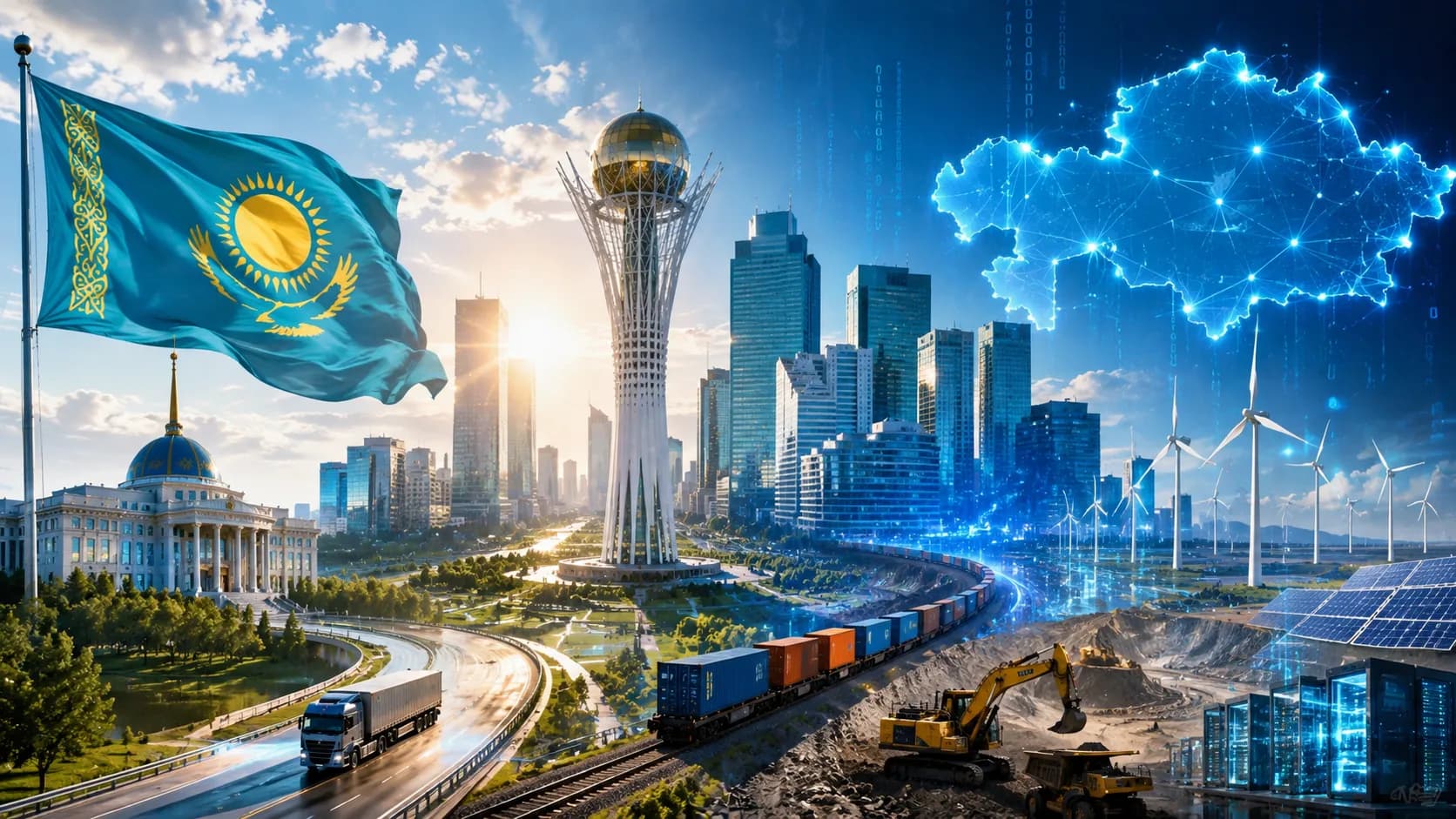
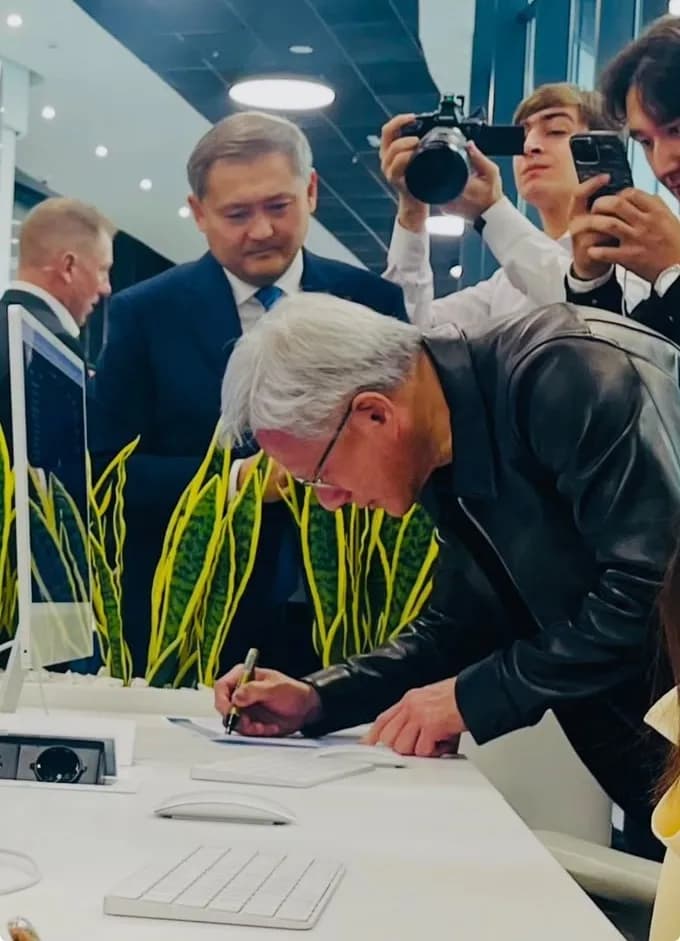
Astana – President Kassym-Jomart Tokayev chaired the 38th plenary session of the Foreign Investors’ Council on July 2, 2026, in the capital Astana, reaffirming Kazakhstan’s commitment to sustainable development and its ability to adapt to shifting global realities.
The meeting took place shortly after the new constitutional reforms came into effect in early July, following the constitutional referendum of March 15, 2026. These reforms are part of Kazakhstan’s continued push to modernize state institutions and improve the legal and regulatory framework for investment, thereby boosting confidence among domestic and foreign investors alike.
This was far from a routine event. It served as a high-level platform to highlight concrete achievements and unveil an ambitious forward-looking agenda focused on artificial intelligence, digital transformation, and economic diversification.
In his address, President Tokayev emphasized the resilience of Kazakhstan’s economy amid challenging external conditions. The country posted 6.5% growth last year, pushing GDP above $300 billion, while accumulated net foreign direct investment surpassed $150 billion — accounting for roughly 70% of total FDI in Central Asia.
Having closely tracked Kazakhstan’s economic reforms over the years, what stands out most is not just its vast natural resources, but the country’s consistent ability to align institutional changes with long-term investor priorities. This institutional continuity, backed by political stability and its strategic position along the Middle Corridor, has significantly enhanced its appeal.
President Tokayev highlighted the launch of a national digital investment platform based on the “single window” principle, alongside the Investment Headquarters, which aims to accelerate decision-making and provide full government support. The “Golden Visa” program offers tax breaks and streamlined immigration for foreign entrepreneurs. The President acknowledged, “We still have much work to do,” signaling that Kazakhstan has entered a new phase focused on genuine economic diversification.
In June 2026, the government reported a 14% rise in FDI inflows, exceeding $20 billion, with growing shares directed toward manufacturing, transport, logistics, and digital sectors. These numbers reflect the gradual success of policies shifting the economy away from heavy dependence on raw materials toward a more diversified and innovation-driven model.
Beyond these impressive figures and initiatives lies a deeper question: how sustainable is this momentum, and what challenges must Kazakhstan overcome to maintain its regional leadership in the years ahead?
Sultangali Kenzhakhmetov, Chairman of Kazakh Invest, detailed attractive incentive packages, including multi-year tax holidays, free land allocation, customs exemptions on imported equipment, and flexible foreign labor quotas. Investors are also encouraged to invest in local workforce training to ensure genuine technology and knowledge transfer.
Oleg Gushchanskiy of KPMG EMA pointed to political stability and pragmatic policymaking as key drivers of investor confidence. Kazakhstan has positioned itself as a regional hub, with investment quality shifting noticeably toward advanced industries and AI. Investors are increasingly viewed as long-term partners rather than simple financiers.
Artificial intelligence featured prominently in Tokayev’s speech. Kazakhstan became the first Central Asian country to operate two advanced supercomputers and is advancing plans for a “Data Centers Valley.” With the global AI economy projected by UNCTAD to reach $5 trillion by 2033, Kazakhstan is actively seeking partnerships with firms like Amazon, 42, Telegram, and Presight.
The country is also applying AI in education (through centers like TUMO and Alem.ai), public administration, smart logistics, and even the oil and gas sector via digital twins. On the sidelines of the meeting, several major agreements were signed, including Presight AI’s deal for “smart roads” and Veon’s announcement of an additional $1 billion investment in digital infrastructure.
Tokayev also focused on critical minerals, launching a unified digital platform for subsoil use and digitizing millions of geological documents. In agriculture, the shift from raw exports to value-added processing using AI and robotics is gaining momentum. Astana itself continues to draw significant tourism investment.
Major international institutions and companies, including the EBRD, Islamic Development Bank, Alstom, and DP World, continue to expand their engagement. Fitch Ratings maintained Kazakhstan’s BBB rating with a stable outlook, citing strong external assets and low public debt.
According to UNCTAD, Kazakhstan holds 68.6% of Central Asia’s accumulated FDI stock ($151.3 billion). The government aims to double the economy to $450 billion by 2029.
In my assessment, Kazakhstan offers a valuable lesson for Central Asia, but its model is not without limitations. While the country has excelled in creating investor-friendly policies and maintaining stability, sustaining long-term leadership will require addressing structural weaknesses more decisively — including reducing commodity dependence, bridging urban-rural divides, and strengthening institutional transparency and accountability.
The recent constitutional reforms, which enhanced executive powers in several areas, raise important questions about striking the right balance between efficiency and broader governance safeguards. If Kazakhstan manages to deepen economic diversification, invest seriously in human capital, and maintain credible institutions, it is well-positioned to remain the region’s investment leader. However, failure to tackle these deeper challenges could limit the durability of its current success.
Astana is no longer merely a political capital. It has become a genuine economic gateway linking Central Asia to global markets — and a compelling, yet still evolving, model of institutional reform and digital transformation in the region.
Opinion writer specializing in Central Asia and Azerbaijan
Abdul Hamid Hamid Al-Kba
Contributing writer at EUReflect.
Follow EUReflect
See more of our reporting on Google
Mark EUReflect as a preferred source and our stories are ranked higher for you in Top Stories, Discover and Google News — and carry a “preferred” badge when they are cited in AI results.
Add EUReflect as a preferred source