The Business Diplomat in the Digital Age: New Etiquette in Online Negotiations
This interview is conducted between Dr. İsmail POLAT, Director of the Türkiye Desk at Business Diplomat, and Prof. Dr. Mehmet Emin ERENDOR, one of Türkiye’s distinguished academics.
Introduction
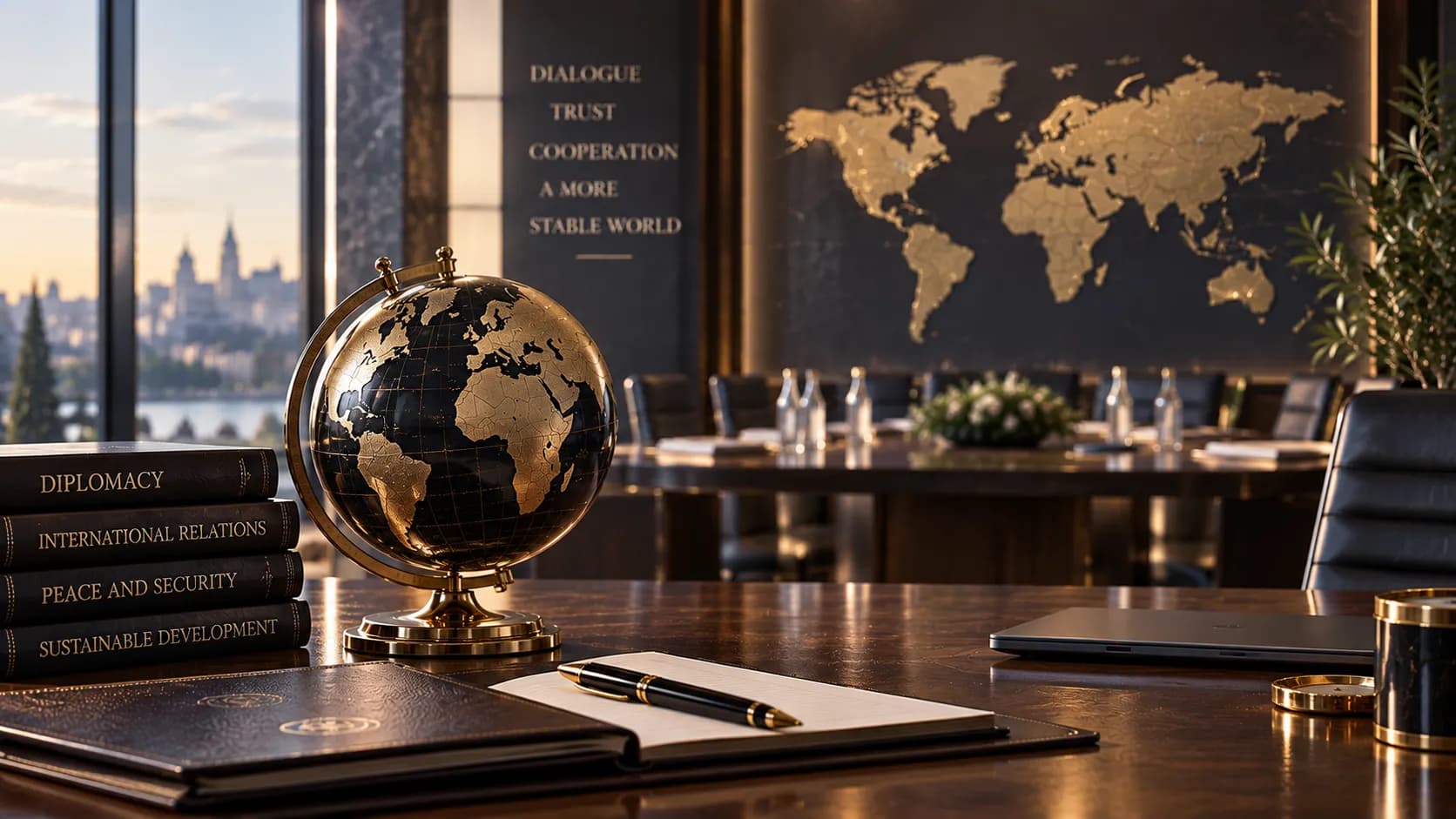
Business Diplomat is a platform dedicated to equipping young people with international experience and to instilling diplomatic rules and discipline in the world of business. As part of its monthly article series, the platform poses timely questions on the evolving interface between diplomacy and commerce to scholars and practitioners. This month's question addresses one of the most consequential shifts of our era: as negotiations, meetings, and professional relationships increasingly migrate to digital environments, are the long-established rules of diplomatic etiquette and protocol changing—and is a new form of etiquette emerging in online negotiations? The reflections below seek to answer this question.
Dr. İsmail POLAT: Are Diplomatic Etiquette and Protocol Changing in the Digital Age? Is a New Form of Etiquette Emerging in Online Negotiations?
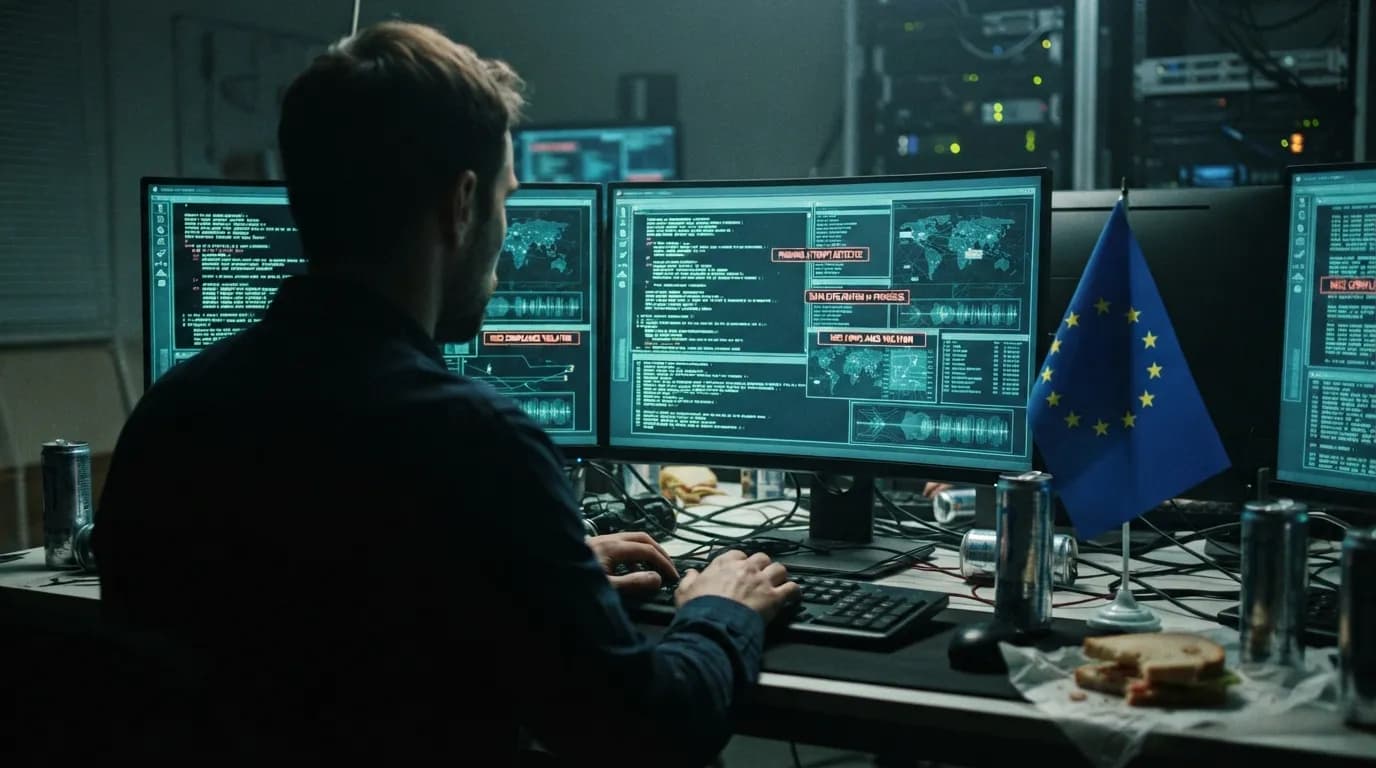
Prof. Dr. Mehmet Emin ERENDOR: In my view, diplomatic etiquette and protocol are indeed undergoing a significant transformation in the digital age. Yet what we are witnessing is not so much the birth of an entirely new diplomacy as the adaptation of long-standing diplomatic practices and conventions to digital environments. In face-to-face diplomacy, elements such as setting, body language, forms of address, seating arrangements, and timing have traditionally carried considerable weight. In online negotiations, many of these elements are increasingly complemented—and in some instances supplanted—by considerations relating to screens, cameras, microphones, messaging practices, and digital timing.
Consider punctuality. Arriving late to a meeting once meant physically entering the room after the appointed hour; in a virtual setting, failing to connect on time, or joining without adequate technical preparation, may be perceived as an equivalent breach of professional courtesy. Judgments about when cameras ought to be switched on, the muting of microphones to avoid interrupting speakers, refraining from unrelated activity during proceedings, and sustaining an appropriate tone in follow-up correspondence have all become integral components of contemporary professional and diplomatic etiquette.
The digital environment has likewise heightened the risk of misunderstanding. In face-to-face communication, tone of voice, facial expression, and body language supply contextual cues that help interlocutors interpret the intended meaning of a statement. In emails and short-form digital messages, such cues are largely absent. Consequently—above all in international negotiations—word choice, response time, and even punctuation can acquire genuine diplomatic significance.
From this perspective, it is reasonable to contend that a new form of "digital diplomatic etiquette" is emerging. Its foundations, however, remain anchored in long-established diplomatic principles: respect, restraint, confidentiality, the avoidance of unnecessary embarrassment or discomfort to the other party, and the preservation of constructive relationships. What is changing, in other words, is not the underlying principles of diplomatic conduct but the manner in which those principles are applied.
The digital environment has also produced a further consequence of diplomatic import: the boundary between accessibility and appropriate distance is becoming increasingly blurred. That one can reach an individual by email or instant message does not entail an entitlement to an immediate reply. Questions such as how quickly one should respond, whether it is appropriate to send messages outside working hours, and which matters warrant face-to-face discussion rather than written exchange are accordingly becoming central elements of an emerging digital protocol.
Viewed in this light, the norms now taking shape around online negotiations should not be dismissed as mere technical conventions. They are better understood as nascent diplomatic norms that facilitate trust-building, relationship management, and effective communication in digital environments. In the years ahead, it is likely that governments, diplomatic institutions, and international organizations will move to define—and to institutionalize—these norms with greater precision.
Conclusion
Digital diplomacy is reshaping the way traditional principles of etiquette and protocol are applied rather than replacing them. In this process of transformation, Business Diplomat aims to help young people develop a strong understanding of diplomatic culture, international communication, and appropriate representation in the business world. Academics also play an important role in highlighting and interpreting the visible dimensions of this transformation.
For more information about Business Diplomat:
Related Topics
Mehmet Emin Erendor
Prof. Dr. / Alparslan Türkeş Science and Technology University
Follow EUReflect
See more of our reporting on Google
Mark EUReflect as a preferred source and our stories are ranked higher for you in Top Stories, Discover and Google News — and carry a “preferred” badge when they are cited in AI results.
Add EUReflect as a preferred source