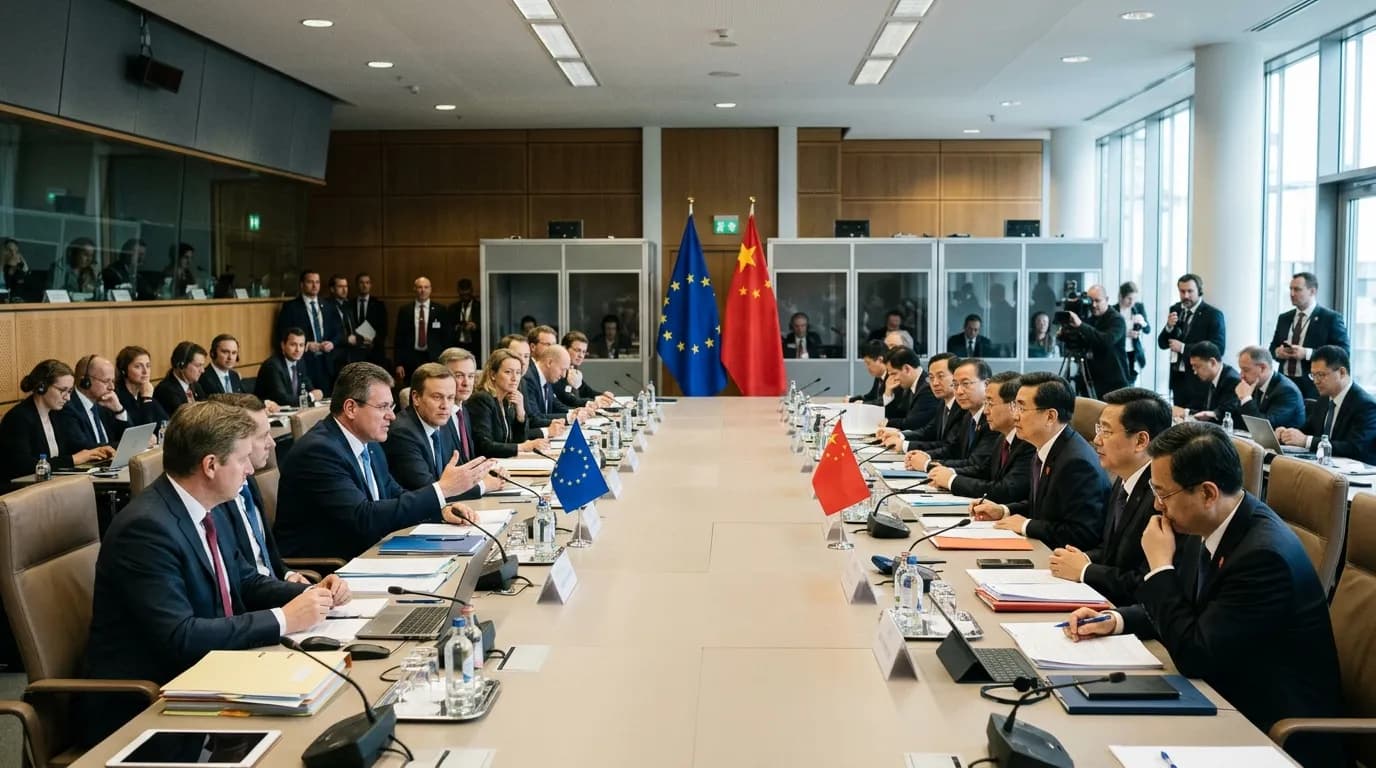
Uzbekistan Nears WTO Integration
Uzbekistan is nearing WTO accession by the end of 2026 after major economic reforms. Membership is expected to boost GDP, attract foreign investment, expand exports, and integrate the country into global value chains while strengthening trade ties with Gulf and Middle Eastern markets.
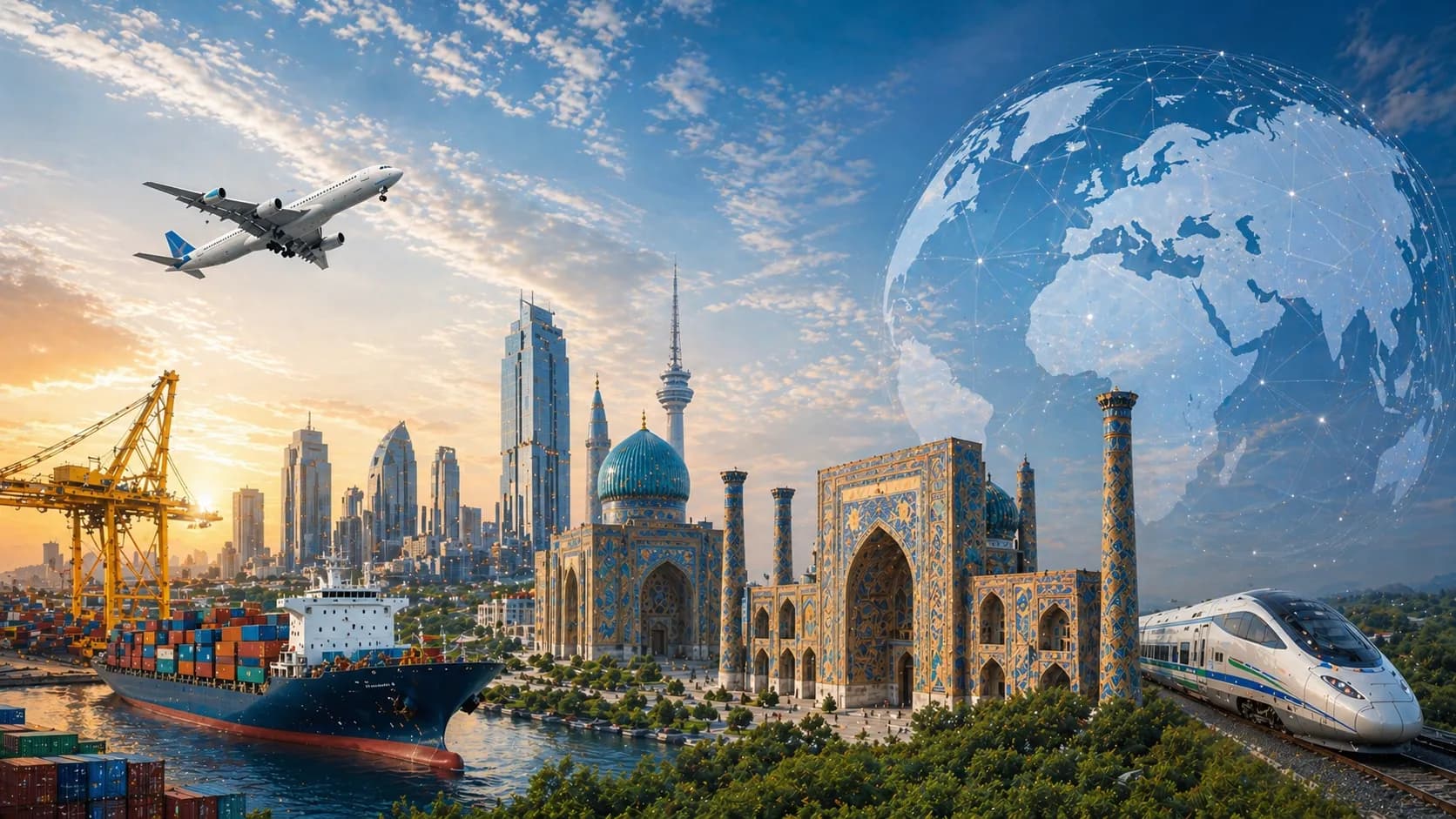
Uzbekistan’s journey toward accession to the World Trade Organization (WTO) began in 1994 with a formal application. However, the process experienced long periods of stagnation due to the lack of alignment between the national economy and legislation with WTO standards. The serious phase only began with the launch of comprehensive reforms in 2017 under President Shavkat Mirziyoyev, accelerating significantly since 2020. As of April 2026, Uzbekistan stands on the verge of the final stage, aiming to complete accession by December 2026, while maintaining strong momentum as confirmed in the 12th Working Party meeting on March 9, 2026.The Uzbek government’s efforts reflect a strategic commitment personally supported by President Mirziyoyev. Negotiations are led by Azizbek Urunov, the President’s Special Representative for WTO Affairs and chief negotiator, with high-level government delegations comprising more than 20 officials. In the March 2026 meeting, Deputy Prime Minister JamshidKhojayev emphasized the strong momentum to conclude the process this year, focusing on constructive cooperation with members.The targeted economic reforms included liberalizing foreign exchange policy, a comprehensive review of foreign trade policy, significant reduction of customs tariffs, and elimination of state monopolies in export and import activities. Any enterprise can now engage in foreign economic activity, enhancing competition and creating a more transparent environment. Uzbekistan has adopted more than 30 legislative documents in line with WTO agreements and is currently reviewing laws on food safety, anti-dumping, and safeguard measures.Negotiations have advanced notably: Uzbekistan has completed bilateral negotiations with 33 WTO members (out of 34), including the United States, the European Union, and Russia, and has moved to the multilateral phase. Working Party meetings have been held regularly. Despite some delays in document review by a limited number of members, momentum remains strong toward the end-of-2026 target. Tashkent also hosted an international conference attended by WTO Director-General Ngozi Okonjo-Iweala, which affirmed international support for Uzbekistan’s reforms.Theimportance of accession lies in promoting sustainable development. As a developing country, Uzbekistan retains the right to temporarily protect sensitive sectors (for 8-10 years) through anti-dumping, countervailing, and safeguard mechanisms, while opening doors for exports and high-quality foreign investment. The World Bank estimates that membership will add approximately 17% to GDP over 5-7 years, with additional annual growth of 1-1.5% in the long term. Uzbekistan’s GDP grew by 7.7% in 2025 (compared to 6.7% in 2024), driven by high gold prices, private consumption, investment, and remittances. Accession will also help integrate Uzbekistan into global value chains, especially given its strategic location near the markets of China, the Middle East, and Europe, alongside the growing services sector that accounts for half of GDP.From an analytical perspective, accession represents a delicate balance between opportunities and challenges. It enhances competition, transparency, and attraction of technological investment, while requiring continuous legislative adjustments and specialized training to mitigate short-term competitive pressures on some local industries. Overall, it is expected to deliver a positive long-term transformation in Uzbekistan’s global competitiveness and citizens’ welfare.Impact on Arab and Gulf Countries
Accession opens promising horizons for cooperation with Gulf and Middle Eastern countries. Uzbekistan’s geographical position makes it a potential source of agricultural and industrial exports (food products, fertilizers, minerals) to the growing markets of Saudi Arabia, the UAE, Qatar, and Kuwait. It also enhances the attraction of Gulf investments in services and industry, supporting shared value chains and expanding trade between Central Asia and the Arab region.In conclusion, Uzbekistan’s accession to the WTO is not merely an administrative procedure but a strategic vision fully aligned with the Uzbekistan-2030 Strategy. It is an investment in a more prosperous and globally integrated future, reflecting the success of the bold reforms led by the Uzbek leadership.Sources: WTO Working Party Meeting (9 March 2026): https://www.wto.org/english/news_e/news26_e/acc_09mar26_316_e.htm
WTO Accession Status: https://www.wto.org/english/thewto_e/acc_e/a1_ouzbekistan_e.htm
World Bank GDP Growth and WTO Impact Estimates (2025-2026 reports)
Official Uzbek government statements and World Bank Macro Poverty Outlook (April 2026)
Abdul Hamid Hamid Al-Kba
Contributing writer at EUReflect.
Follow EUReflect
See more of our reporting on Google
Mark EUReflect as a preferred source and our stories are ranked higher for you in Top Stories, Discover and Google News — and carry a “preferred” badge when they are cited in AI results.
Add EUReflect as a preferred source