politics
Glucksmann wins French left primary with 66% of vote
Raphaël Glucksmann has won France's centre-left primary outright with 66.13% of the vote, making him the left's candidate for the 2027 presidential election.

Author
writer · EUReflect
Contributing writer at EUReflect.
politics
Raphaël Glucksmann has won France's centre-left primary outright with 66.13% of the vote, making him the left's candidate for the 2027 presidential election.
politics
The Norwegian Nobel Committee awarded the 2026 Peace Prize to Navi Pillay, a former UN human rights chief and current ICJ judge. Hours later, the US announced sanctions against the International Criminal Court.

technology
A fresh European Commission Eurobarometer survey shows three in four EU employees face workplace cyber threats, underscoring critical gaps in daily security hygiene.

general
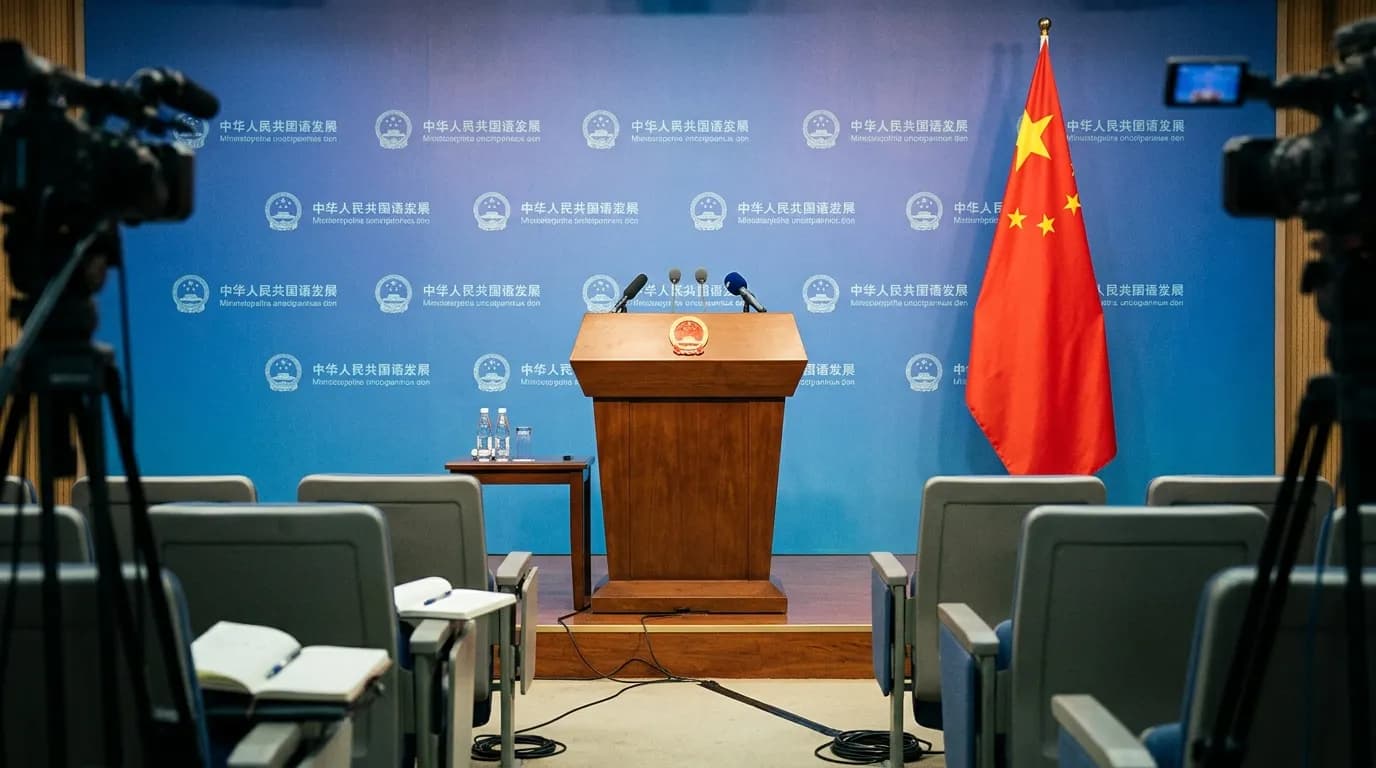
In a landmark Foreign Ministry briefing, Beijing outlined its core geopolitical priorities: defending global supply chains, reinforcing its strategic partnership with Russia, backing Middle East peace talks, and issuing a stern warning against any erosion of nuclear non-proliferation standards in East Asia.
economy
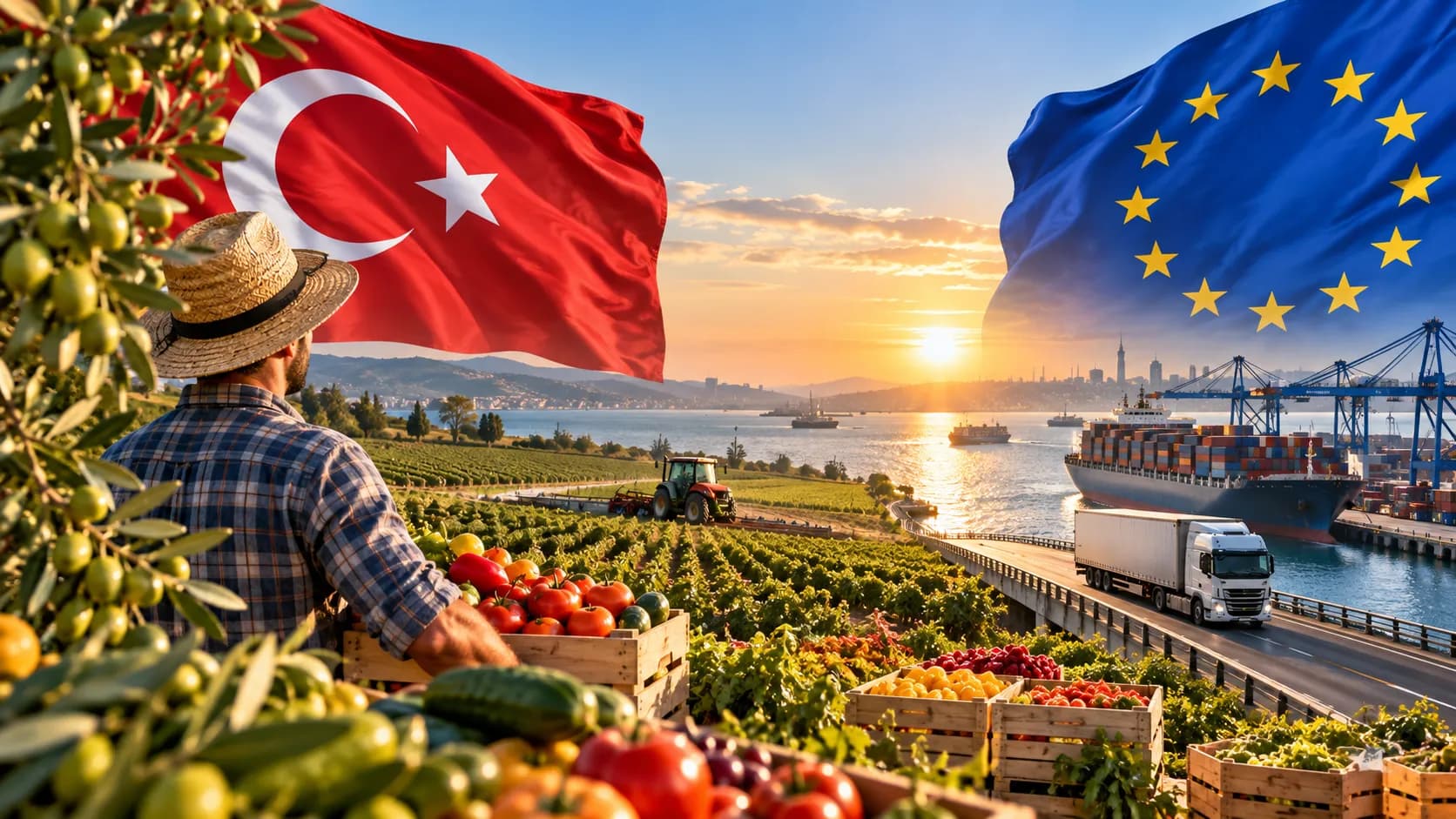
EU agri-food imports hit €188.6bn in 2025, and Türkiye's proximity offers a logistical edge over distant suppliers.
technology
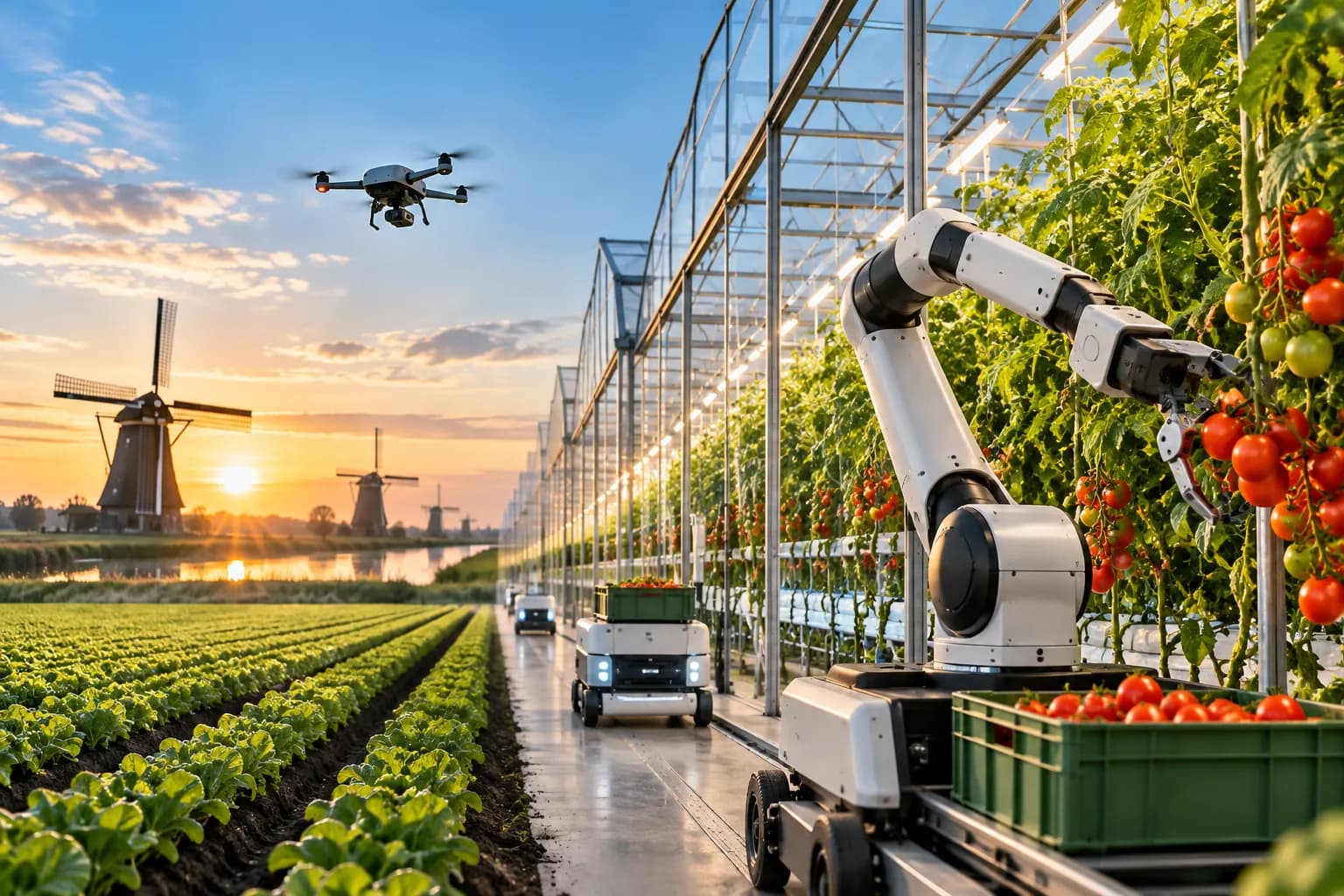
The 2026–2030 Coalition Agreement prioritizes AI, drones, and robotics, signaling a shift toward knowledge-intensive agriculture.
health
EU4Health-funded projects are developing devices for home rehab, including a modular system for upper-limb exercises and dynamic head support for severe neuromotor impairments.

travel
Despite West Asia tensions, European arrivals hit a record half-million in Q1, driven by double-digit growth from Türkiye, Ukraine, and Poland.
general
Universiti Malaya's climb to 56th place marks its best-ever result, with five Malaysian universities now in the global top 200, the strongest showing in Southeast Asia.
general
European films took home major prizes at the 9th MIFFest, including Best Director for Morad Mostafa and the Audience Choice Award for Oliver Laxe's 'Sirât'.
economy
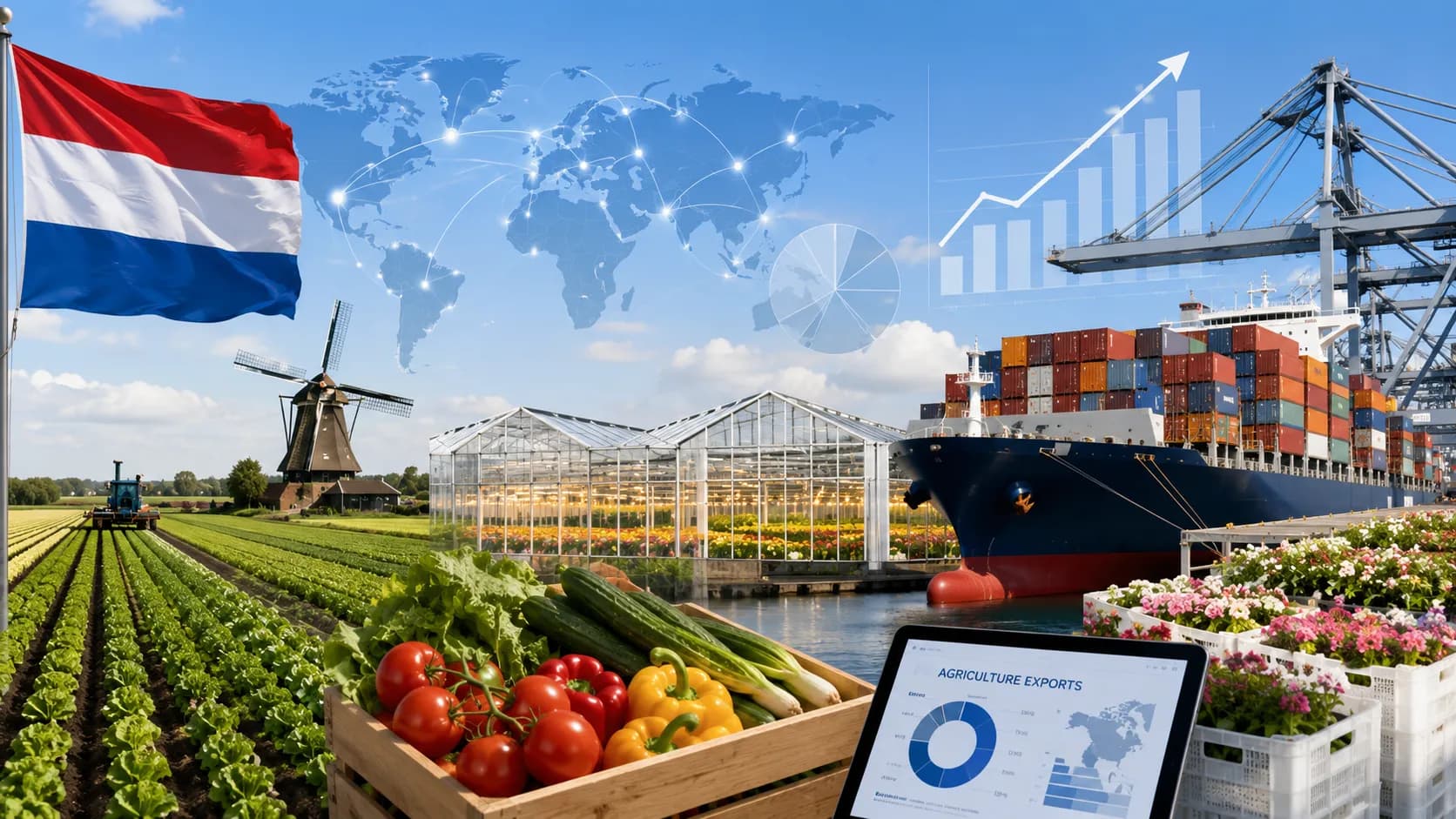
Agricultural exports hit a record €137.5 billion in 2025, up 8.4%, and now account for 20.7% of total Dutch goods exports, the highest share since 2001.
technology
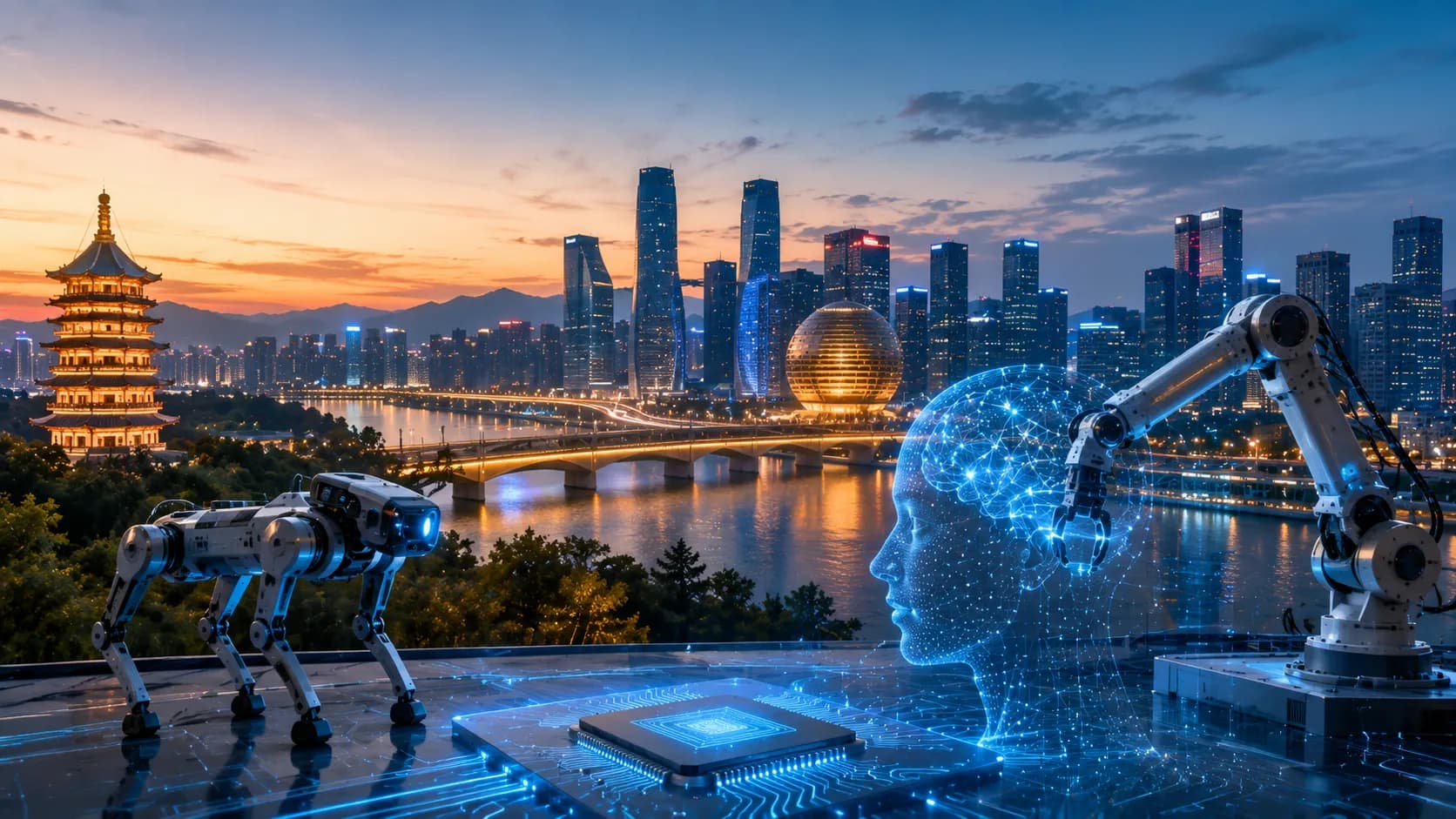
Hangzhou's patient approach includes allocating 15% of annual fiscal revenue to tech and reserving buildings for startups like Game Science.
technology
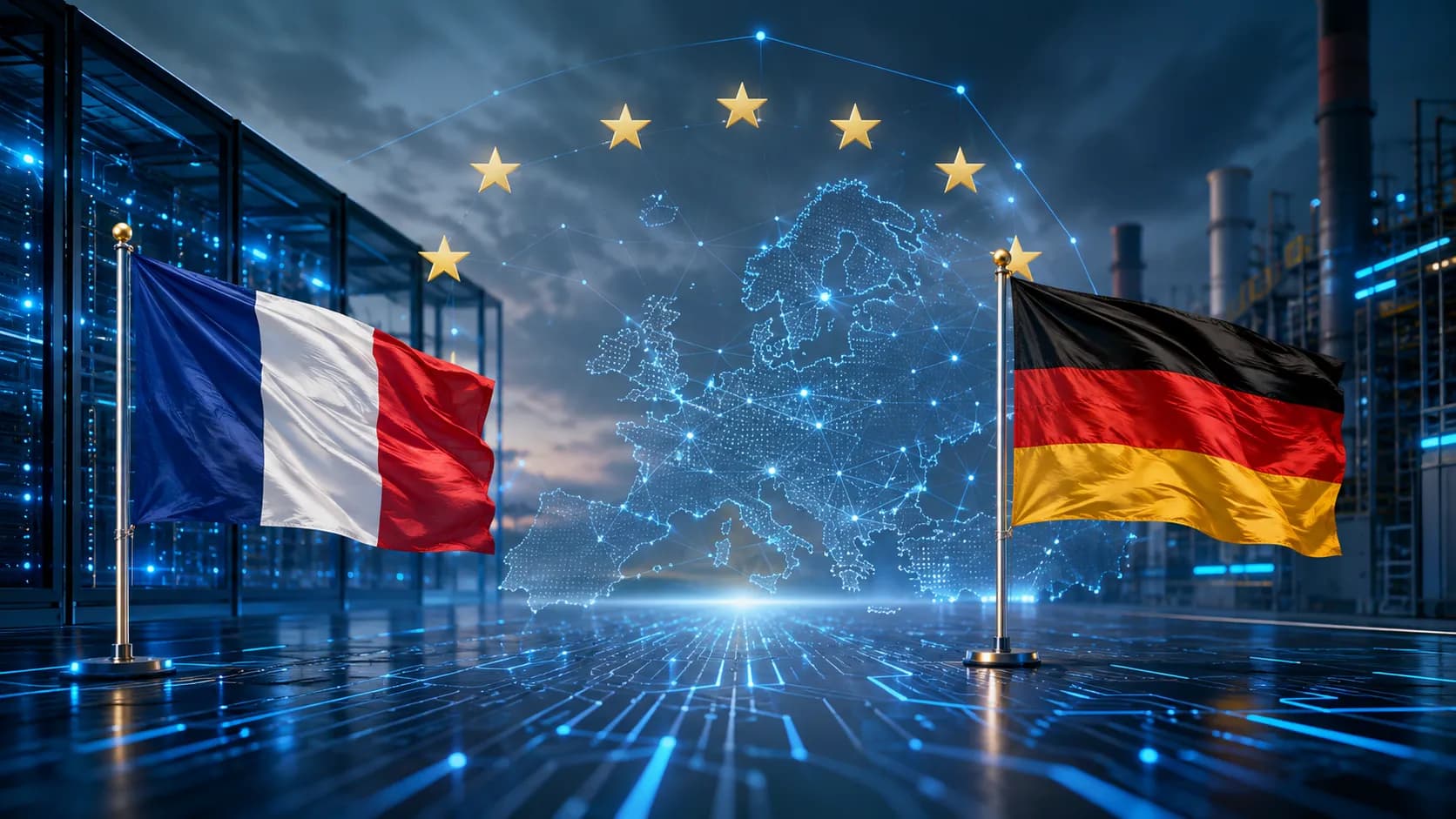
The €200 billion InvestAI initiative includes plans for AI gigafactories and exascale supercomputers, with a facility in Grenoble set to house over 100,000 next-gen accelerators.
travel
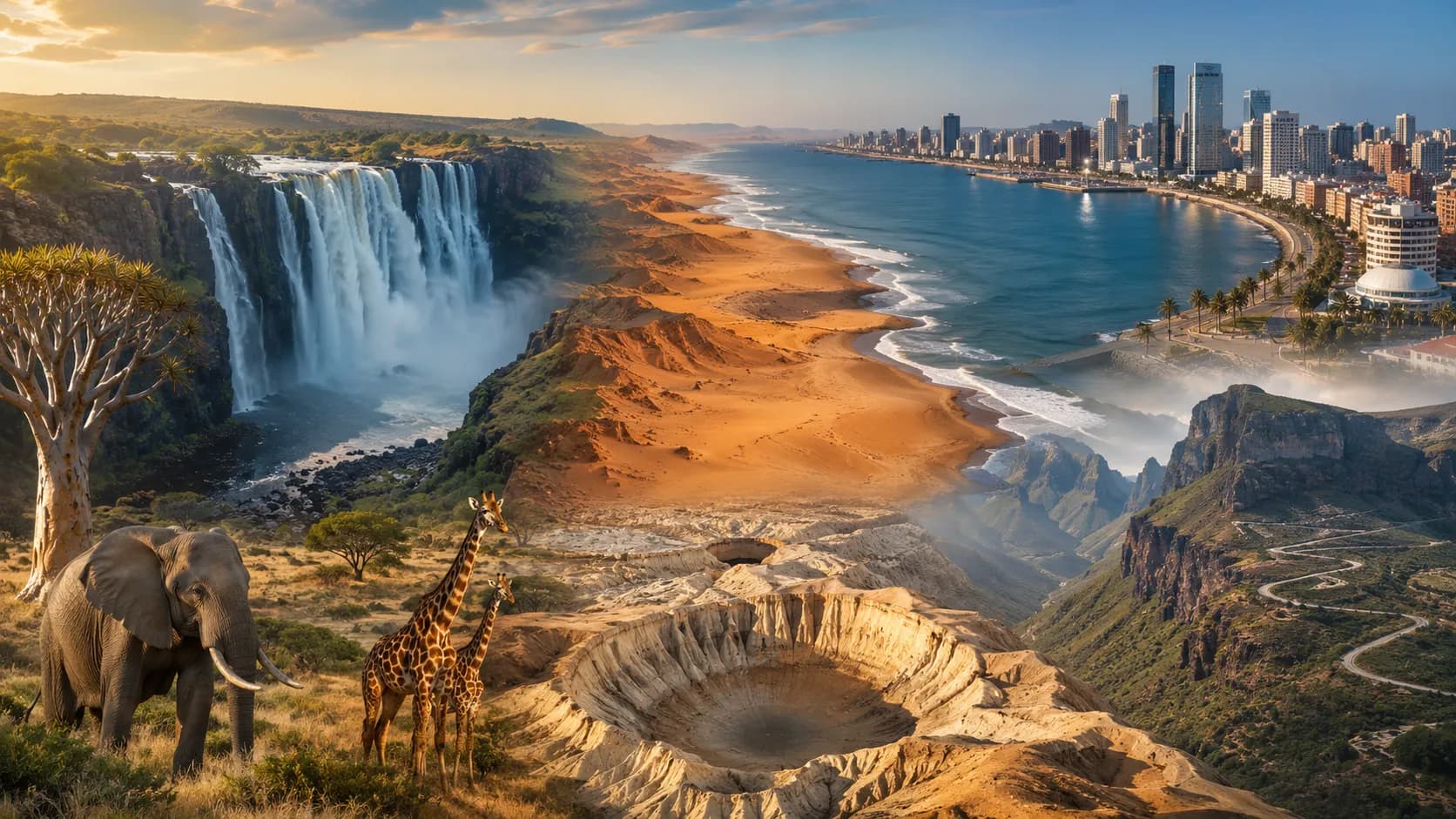
Angola is reducing its dependence on oil by positioning tourism as its new “green oil.” In 2025, tourist arrivals rose by 20–30%, generating $667 million in revenue. Visa-free entry, a new international airport, and major investments are helping make Angola Africa’s fastest-growing tourism destination.
travel
Travel experts have identified the most affordable countries for tourism in 2026. Southeast Asia, Eastern Europe, the Balkans, and Central Asia continue to offer excellent value through low accommodation costs, affordable transportation, and diverse cultural experiences.

travel
Travelers in summer 2026 face new challenges ranging from extreme weather and changing entry regulations to cybersecurity threats. Experts recommend careful planning, monitoring official updates, securing personal data, and understanding local requirements to ensure safe and successful trips.

general
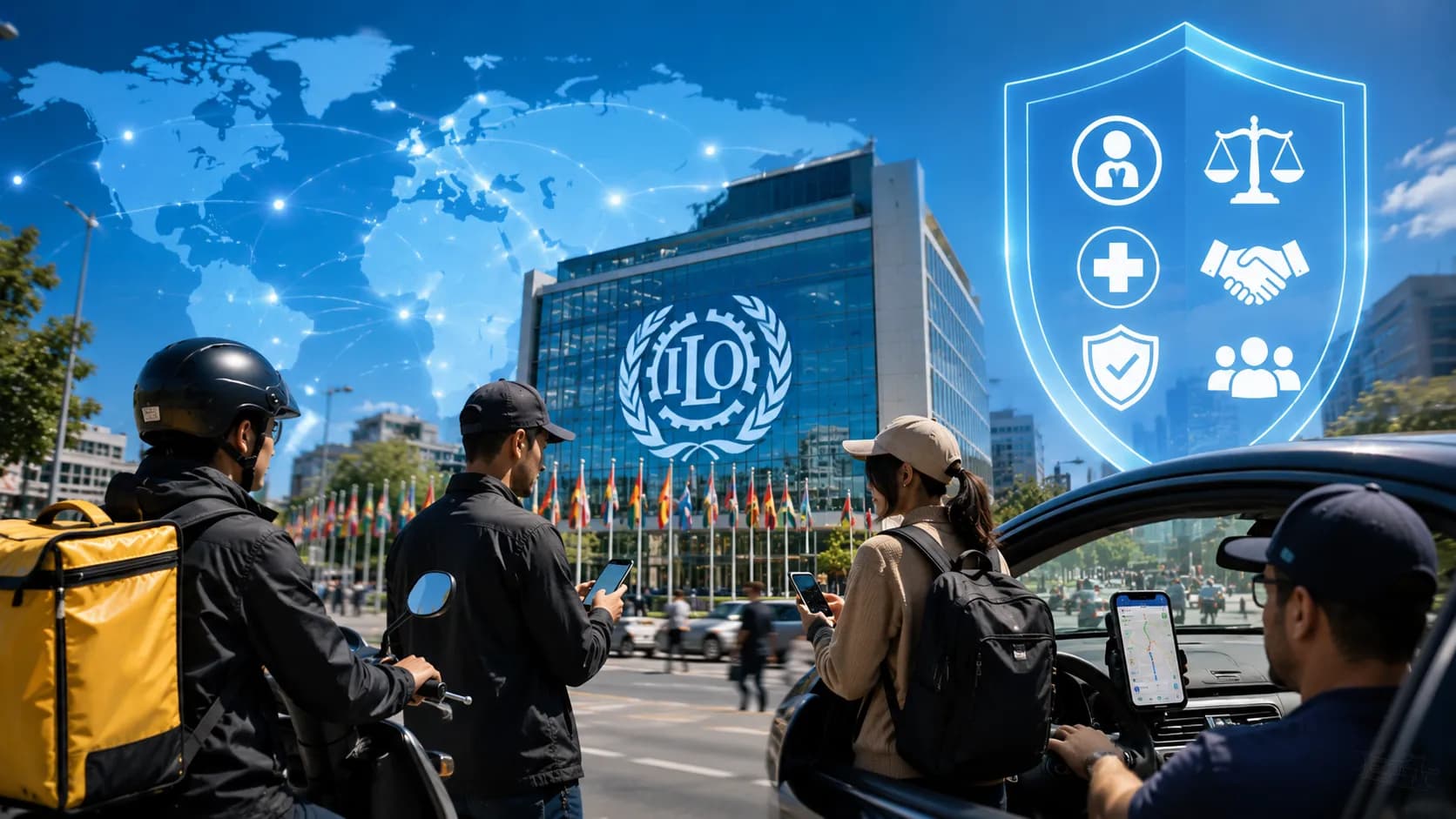
The International Labour Organization has adopted the world’s first binding labor standards for gig workers, covering ride-hailing, delivery, and other platform jobs. The convention introduces protections on pay, safety, job security, and algorithmic management, though implementation depends on government ratification.
general
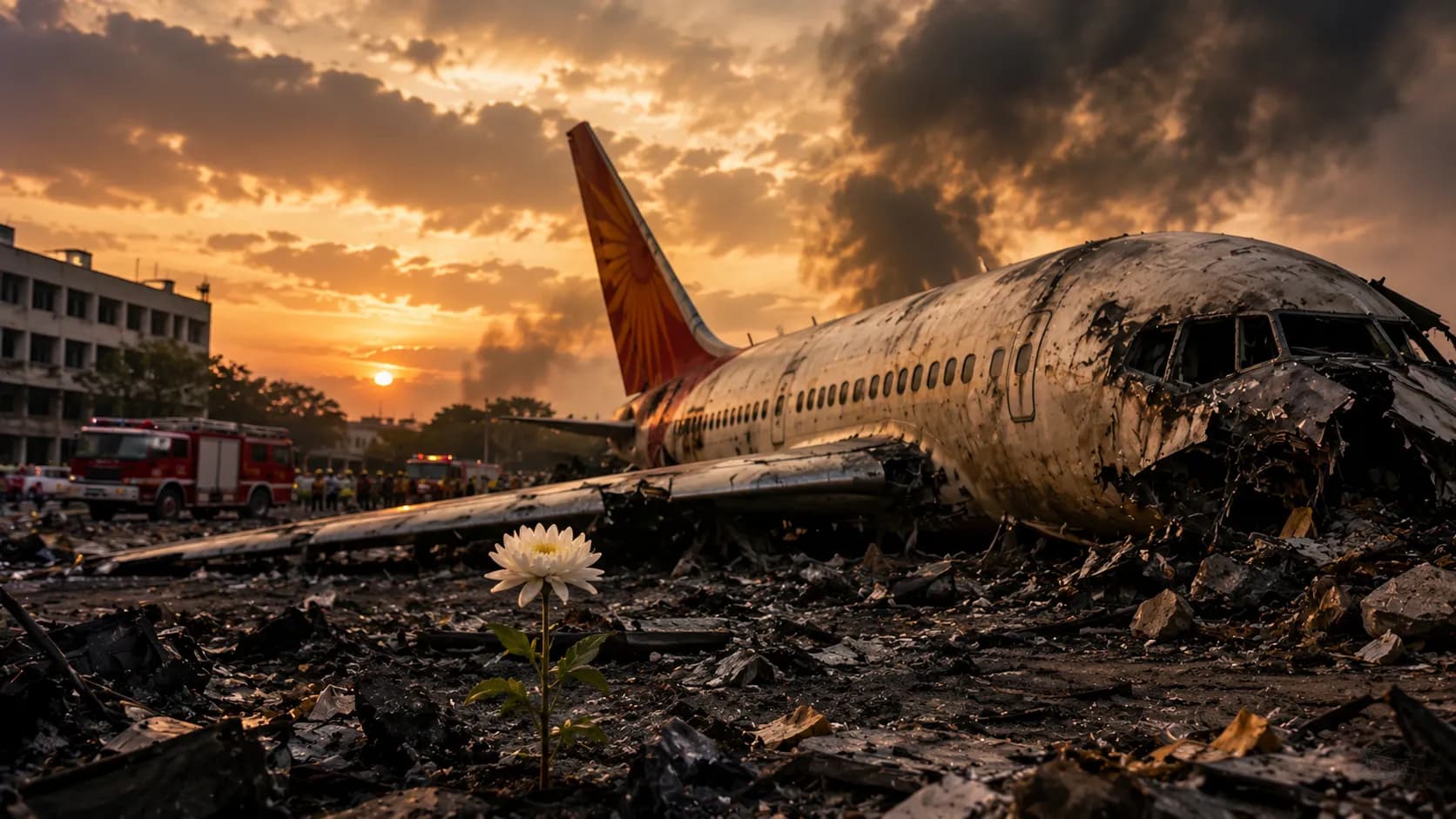
One year after the Air India Boeing 787 crash that killed 260 people, investigators say more time is needed to complete the inquiry. Officials report significant progress in analyzing evidence but stress that the final report will only be released after all reviews are completed.
general
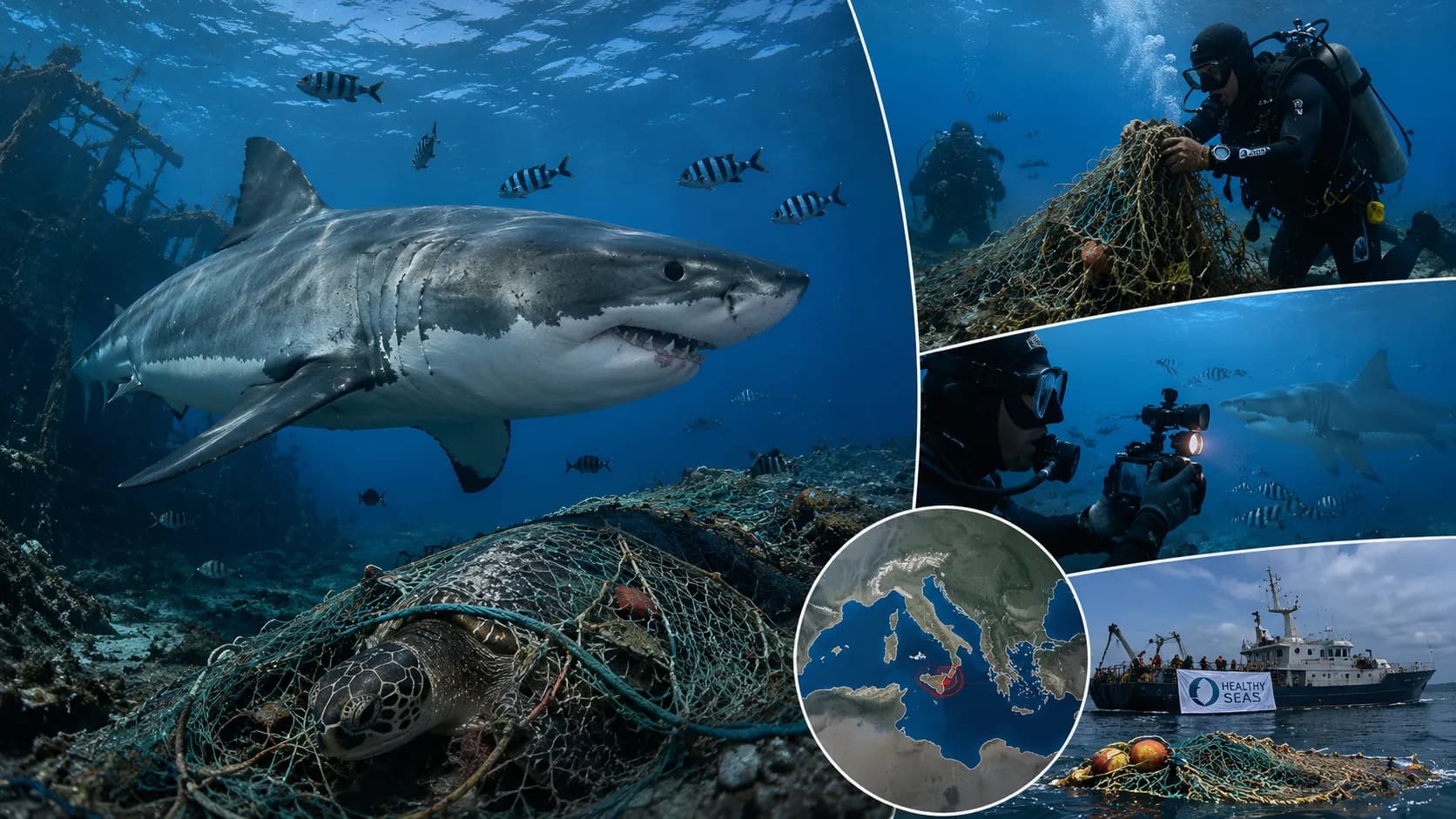
Divers removing abandoned fishing nets in the Strait of Sicily recorded what may be the first underwater footage of an adult great white shark in the Mediterranean. Researchers say the rare sighting could improve understanding of the critically endangered species.
general
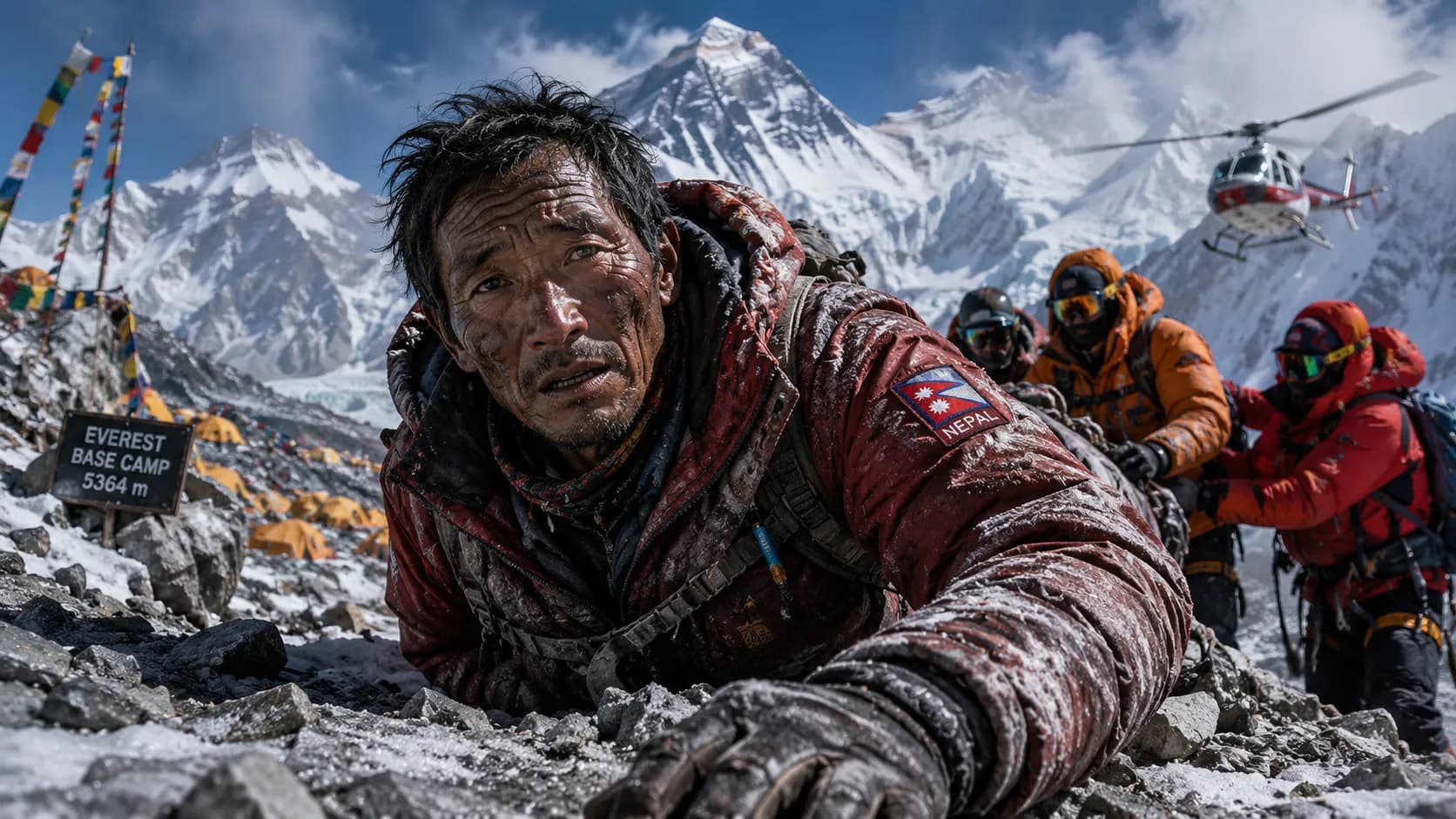
Nepali guide Dawa Sherpa survived six days alone on Mount Everest after running out of oxygen during his descent. Trapped in a crevasse, he survived by chewing ice and eating chocolate before escaping and reaching rescuers. His remarkable survival has stunned the climbing world.
technology
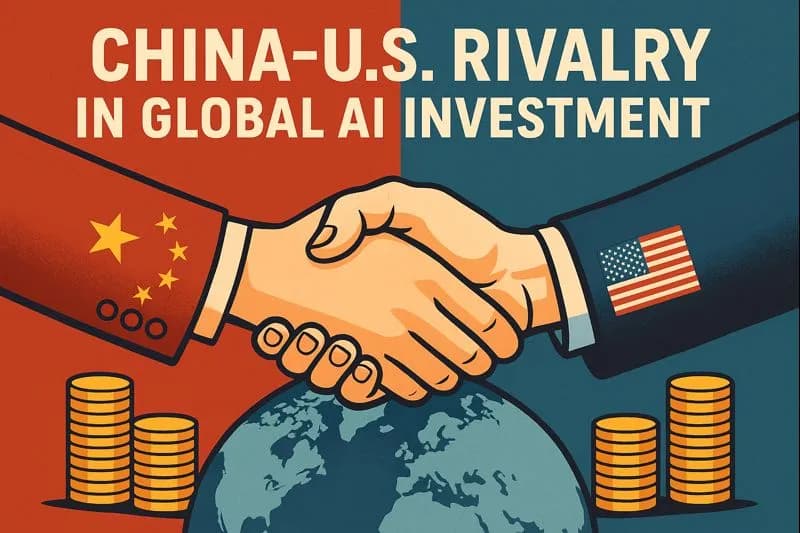
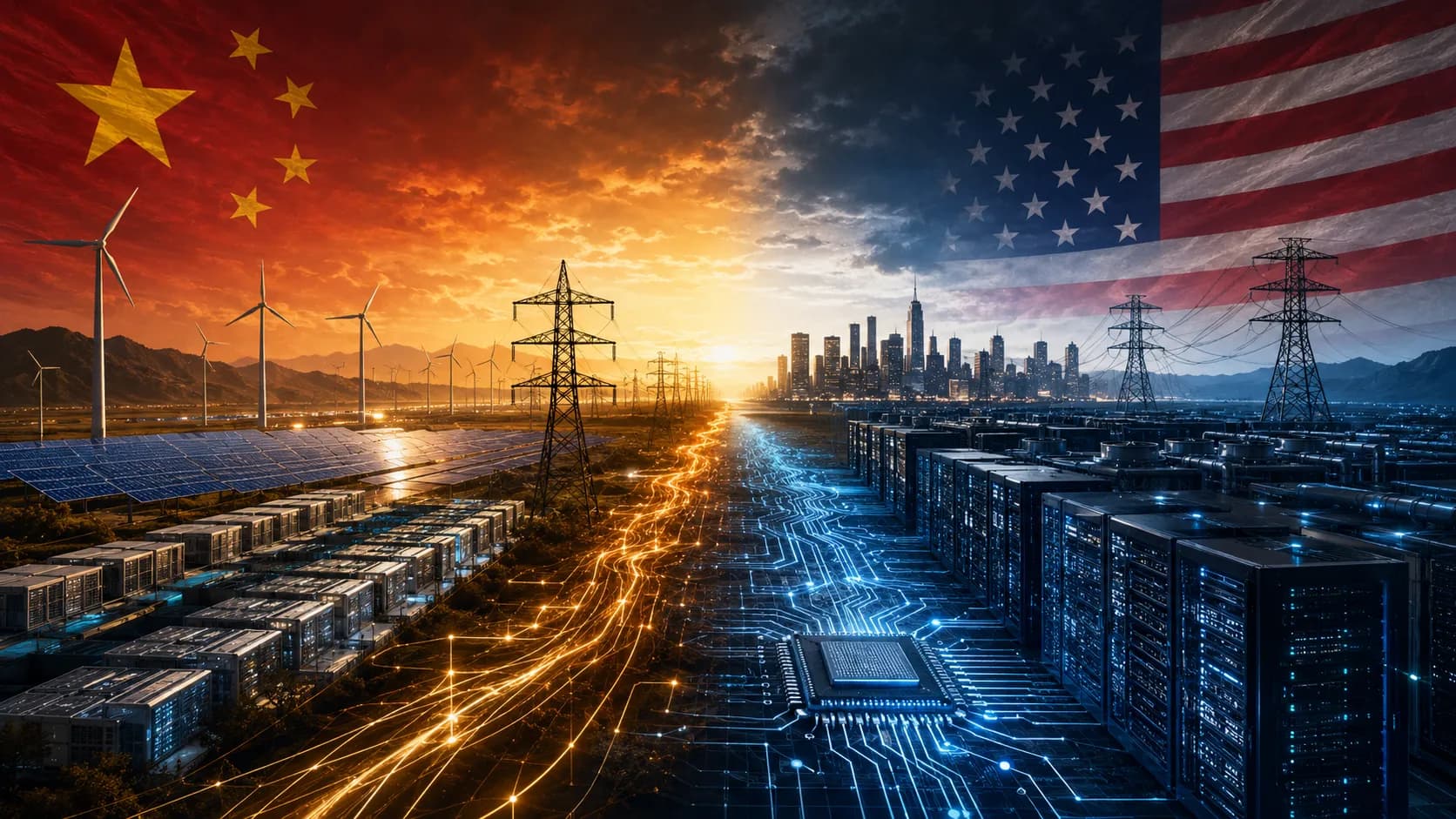
In the AI race between the US and China, the decisive factor is no longer only chip technology but also energy capacity. China gains an advantage through cheap and large-scale electricity production, while the US faces energy infrastructure bottlenecks. However, China also struggles with chip and infrastructure integration challenges.
health
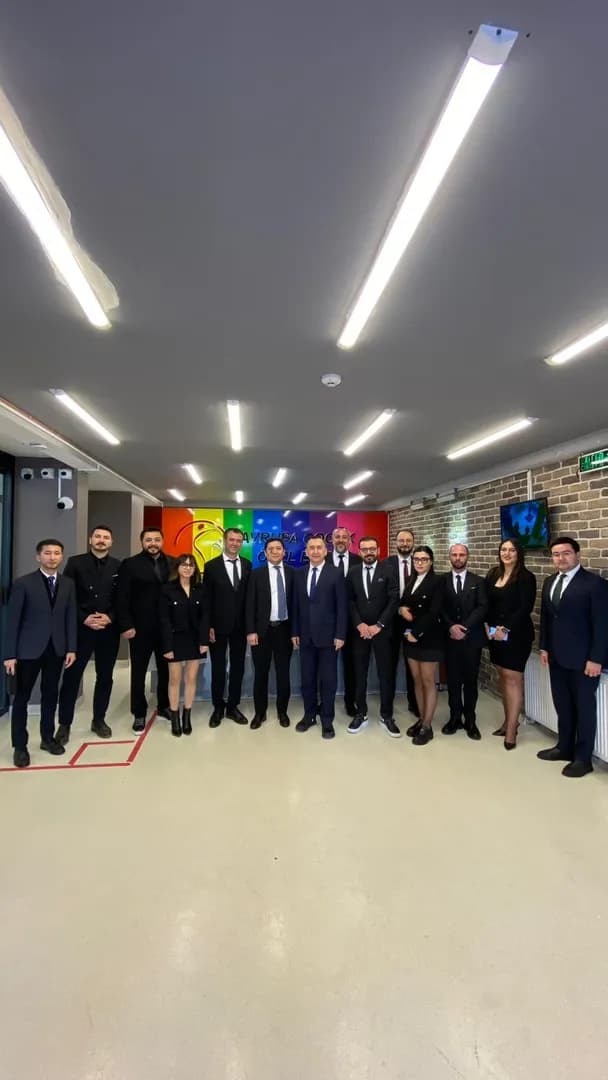
The Avrupa Çocuk Rehabilitation Centers model developed in Türkiye is being transferred to Uzbekistan as an integrated system aimed at improving education, healthcare, and social inclusion for children with special needs. It represents a strategic approach to strengthening human capital and social development.
defense
The U.S. Navy’s 2027 shipbuilding plan raises the possibility of constructing vessels in allied countries while emphasizing nuclear-powered warships, logistical tanker investments, and distributed production to restore American maritime superiority against China.

technology
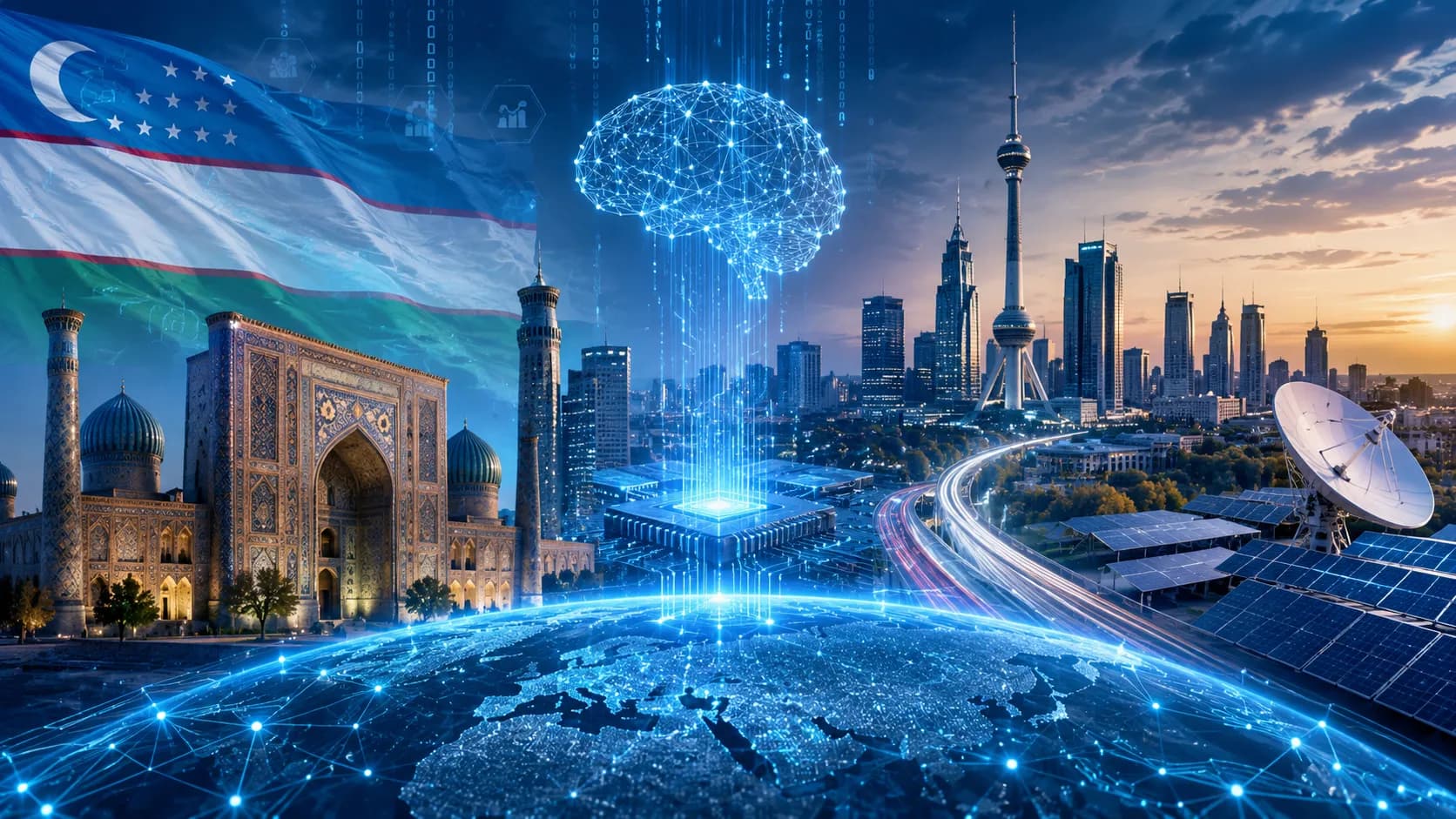
Uzbekistan is accelerating digital transformation through AI, cybersecurity, startup investment, and digital education reforms. Under President Shavkat Mirziyoyev, the country is building technological sovereignty and positioning itself as an emerging regional technology power.
defense
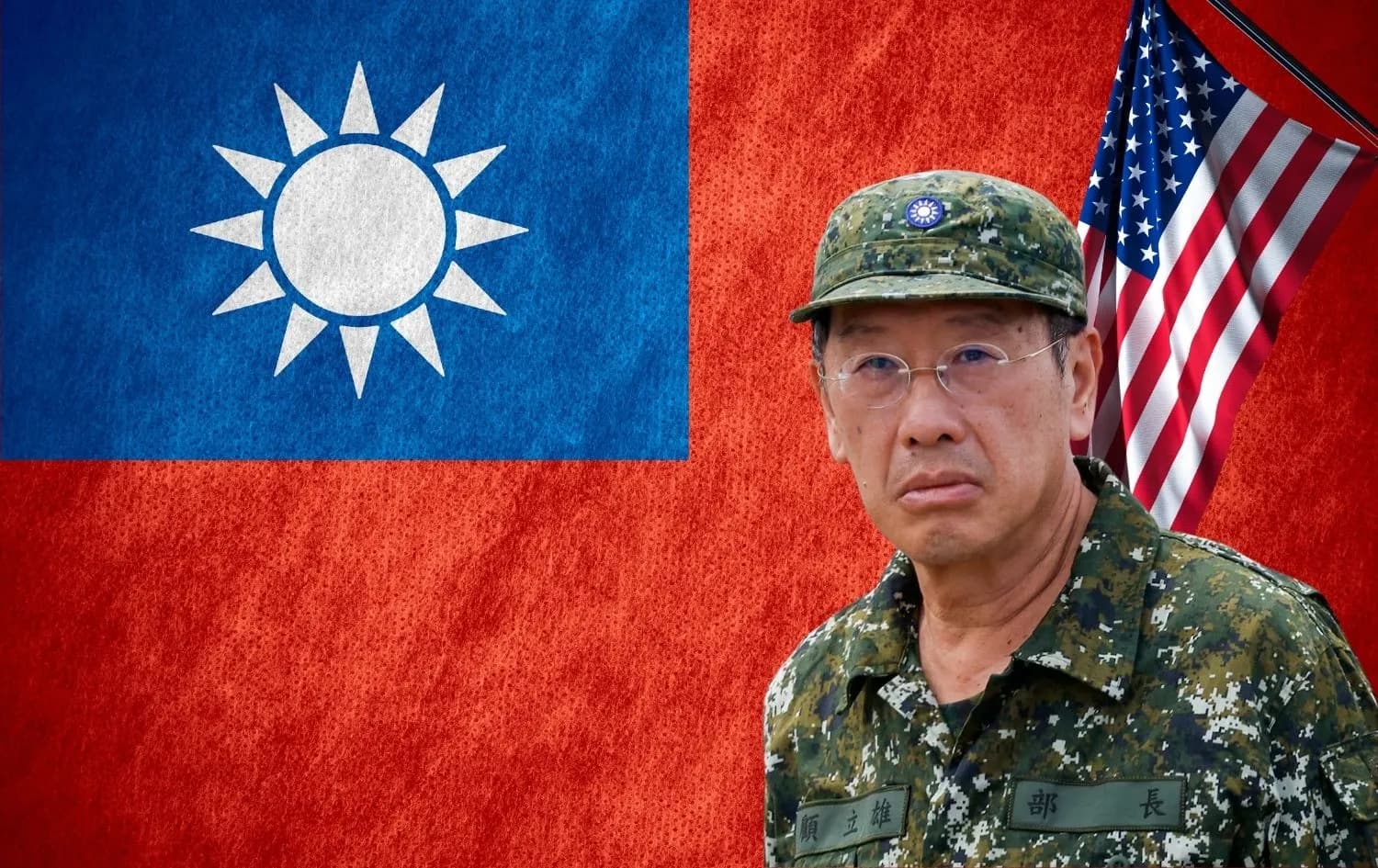
The U.S. arms package for Taiwan is proceeding as planned. However, China’s response, the war in the Middle East, and the U.S. redistribution of military resources directly affect the power balance in the Taiwan Strait and regional security.
technology
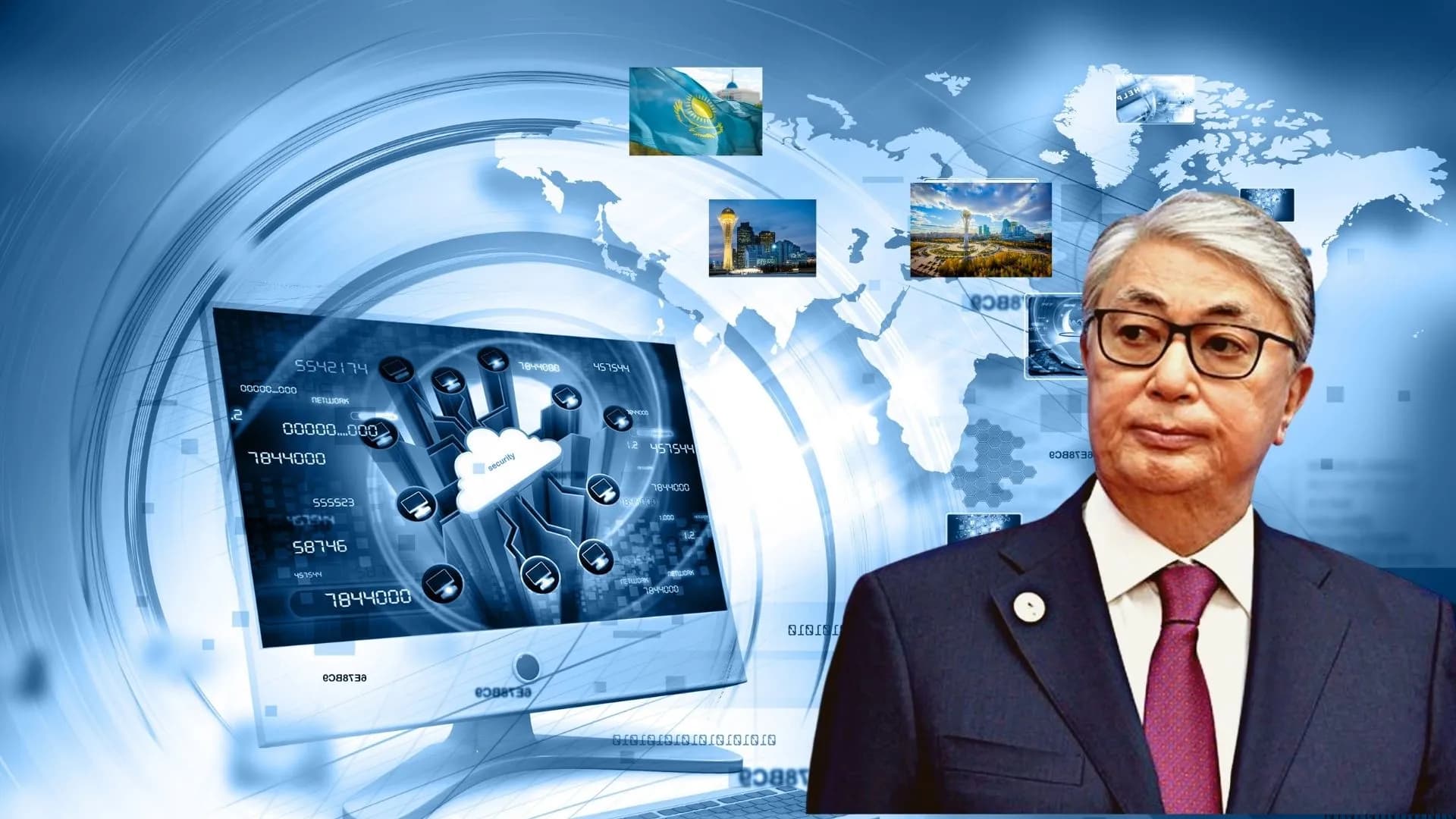
Kazakhstan’s digitalization strategy frames artificial intelligence as an existential necessity rather than a policy choice. The text argues that delays weaken sovereignty, deepen dependency, and erode state capacity, calling for decisive reforms, centralized governance, and rapid AI integration to secure national survival and long-term stability.
economy
Kazakhstan has emerged as a key hub in Eurasian trade due to its strategic location between China and Europe, advanced logistics infrastructure, broad market access, and investor-friendly policies.
energy
The article examines the rapid expansion of carbon capture technologies as a core response to industrial emissions. It analyses leading global companies, their diverse technological approaches, and their role in enabling net-zero and circular carbon economy goals.
economy
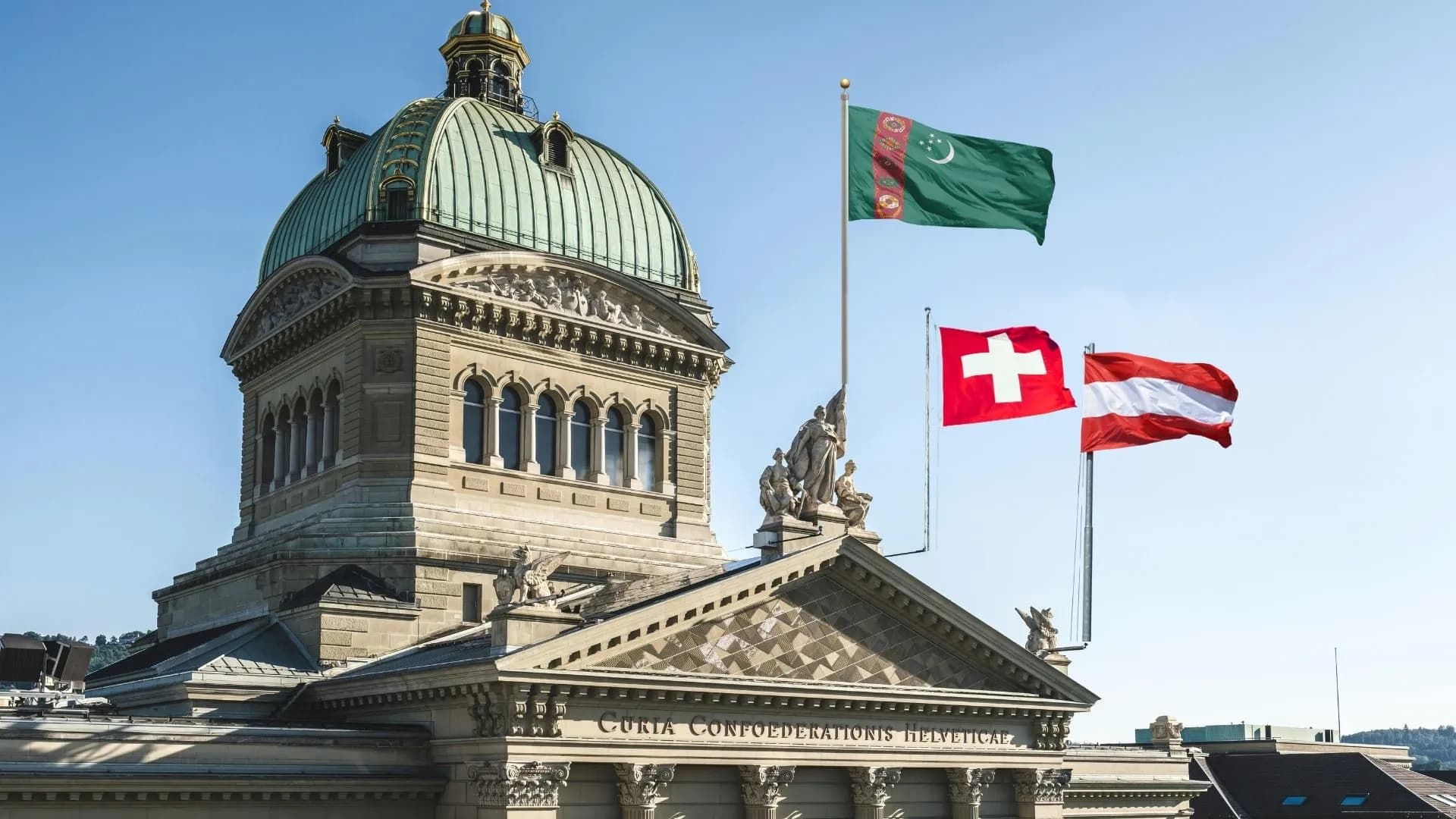
This study examines the economic implications of permanent neutrality through a comparative analysis of Turkmenistan, Switzerland, and Austria. Findings show that neutrality functions not only as a political stance but also as a strategic economic asset. Turkmenistan leverages neutrality to enhance energy diplomacy and secure multi-vector export routes; Switzerland transforms it into a global reputation for financial stability and innovation; and Austria combines political neutrality with EU economic integration, positioning itself as a regional diplomatic and economic hub. Overall, neutrality strengthens credibility, supports diversified partnerships, and contributes to long-term economic resilience.
technology
Artificial intelligence (AI) technologies have become a transformative force in the global economy, intensifying competition among major metropolitan regions. According to recent data published by Startup Genome, Beijing stands as the clear global leader when examining the share of local venture capital (VC) investments allocated to AI during the 2023–2024 period. China’s capital directs 66.2% of its local venture funding to AI firms, surpassing all other hubs worldwide. Although Silicon Valley continues to dominate in absolute investment volume, it ranks second in proportional terms, with 62.4% of its venture capital resources flowing into AI-focused enterprises—positioning the U.S. technology epicenter immediately behind Beijing.