Uzbekistan’s AI-Driven Future
Uzbekistan is accelerating digital transformation through AI, cybersecurity, startup investment, and digital education reforms. Under President Shavkat Mirziyoyev, the country is building technological sovereignty and positioning itself as an emerging regional technology power.
Introduction
Under the leadership of Shavkat Mirziyoyev, Uzbekistan is undergoing a comprehensive digital transformation aimed at accelerating economic growth, modernizing public administration, and strengthening national competitiveness through artificial intelligence and advanced technologies. Within the framework of the Uzbekistan-2030 Strategy, the government seeks to expand IT exports, create large-scale employment opportunities for youth, and position the country among the leading states in digital governance. These reforms indicate that Uzbekistan is not merely adapting to global technological trends, but is steadily advancing toward becoming a technology-driven regional power in Central Asia.
1. Artificial Intelligence as a Driver of Economic Modernization
One of the most striking aspects of Uzbekistan’s digital transformation is the strategic integration of artificial intelligence into the national economy. The government has launched nearly 100 practical projects and more than 200 pilot initiatives related to AI technologies across multiple sectors.
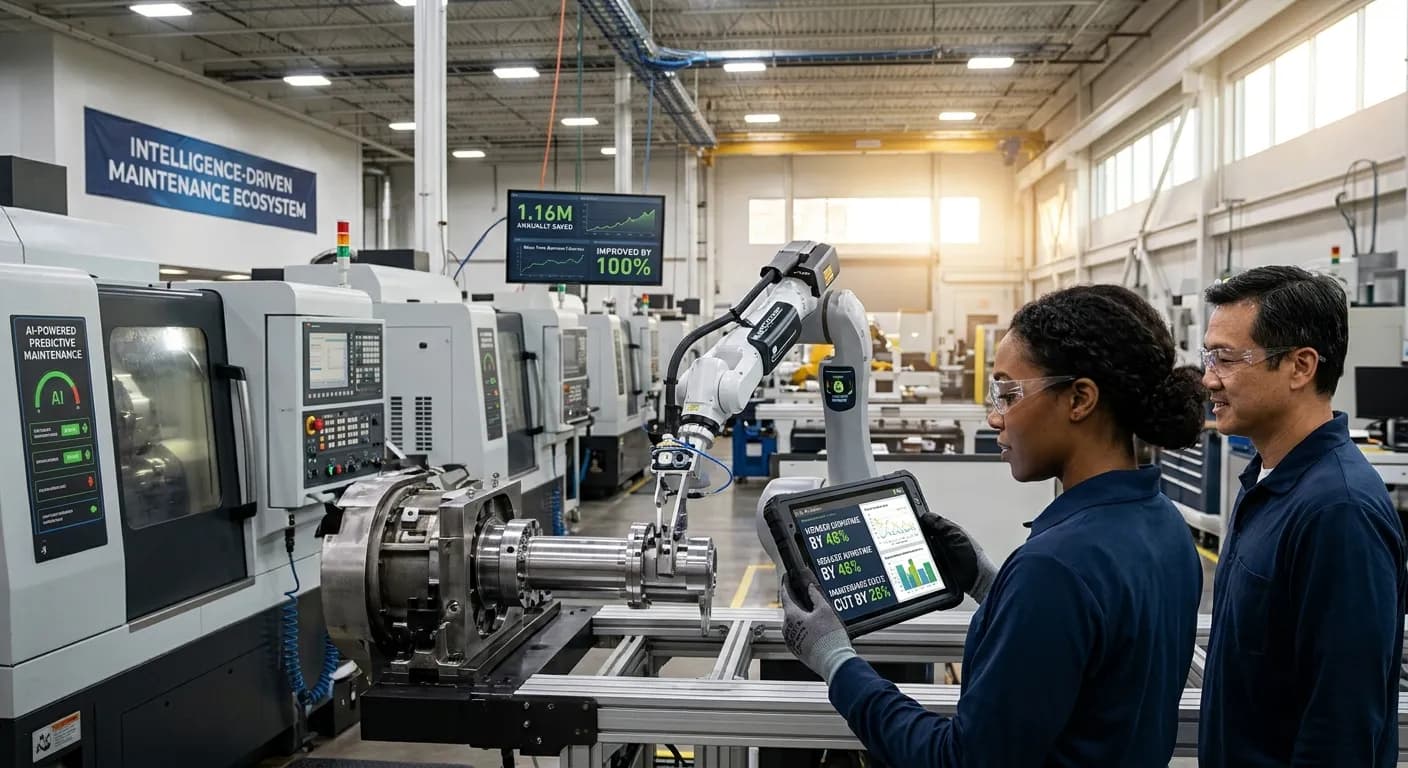
The implementation of an AI-based real-time production chain analysis system at the Almalyk Mining and Metallurgical Complex demonstrates the practical impact of these reforms. The system reduced energy consumption by 10 percent, lowered production costs by 15 percent, and increased labor productivity by 10 percent. Such results reveal that artificial intelligence is no longer viewed merely as a technological experiment, but as a central instrument for increasing industrial efficiency and economic competitiveness.
To sustain this transformation, Uzbekistan has invested 24 million dollars in a GPU-based AI infrastructure, while additional equipment worth 45 million dollars is expected to be deployed by the end of the year. These investments illustrate the government’s intention to establish the technological foundation necessary for large-scale AI integration.
The planned systematization of more than 130 databases across healthcare, energy, agriculture, customs, taxation, and transportation also reflects a broader vision of data-driven governance. By creating integrated digital ecosystems, Uzbekistan aims to improve decision-making processes, expand public services, and enhance productivity across the national economy.
2. Human Capital, Innovation Ecosystem, and Digital Education
Uzbekistan’s digital strategy is not limited to infrastructure development; it also focuses heavily on human capital formation and innovation ecosystems. The government has identified youth employment and technological entrepreneurship as key pillars of long-term national development.
The country currently hosts nearly 950 startups, representing significant annual growth, while the national startup ecosystem has reached a valuation of 4.3 billion dollars. Venture capital activity is also expanding rapidly, indicating growing investor confidence in Uzbekistan’s digital economy.
To further stimulate innovation, the prize fund for the Presidential IT Startup Competition has been increased to 5 million dollars, while new AI-focused competitions and Presidential Artificial Intelligence Awards are being introduced. These initiatives aim to encourage domestic technological solutions and strengthen the country’s innovation culture.
Particular attention has also been devoted to digital education. Through the “5 Million AI Leaders” initiative, more than one million individuals have completed beginner-level AI training, while hundreds of thousands have received intermediate education and thousands have achieved professional specialization.
However, the government also recognizes structural weaknesses within the education system. The lack of Wi-Fi access in most schools, outdated computer laboratories, and insufficient digital infrastructure highlight the challenges that remain. Consequently, plans to modernize 16,000 computer laboratories and provide nationwide school connectivity by 2030 demonstrate Uzbekistan’s determination to create a digitally skilled new generation capable of supporting the country’s technological ambitions.
3. Digital Sovereignty, Cybersecurity, and Regional Influence
Beyond economic modernization, Uzbekistan’s digital reforms also aim to strengthen national sovereignty and regional influence. The localization of software products and IT services within state-owned enterprises and banks reflects a strategic effort to reduce dependence on foreign technologies and stimulate domestic technological production.
The proposed mandatory approval mechanism for imported IT services indicates that the government seeks to channel public sector demand toward local companies operating within the IT Park ecosystem. This policy may significantly accelerate the development of national technological champions.
Telecommunications infrastructure has also expanded rapidly. Internet coverage in populated areas has increased dramatically, while bandwidth capacity has multiplied many times over. These developments are essential for supporting digital government systems, AI platforms, and future smart economy initiatives.
At the same time, cybersecurity has become a strategic priority. The emphasis on unified e-government integration, regular IT audits, and restrictions on systems lacking cybersecurity certification demonstrates growing awareness of digital vulnerabilities in an increasingly interconnected state structure.
The establishment of research centers, AI laboratories, and advanced computing facilities in cities such as Nurafshon further highlights Uzbekistan’s ambition to emerge as a regional technological hub. The planned 200-million-dollar R&D complex equipped with high-performance GPU infrastructure represents one of the most ambitious digital investments in Central Asia.
Collectively, these reforms suggest that Uzbekistan is pursuing not only digital modernization but also technological sovereignty and regional leadership.
Conclusion
Uzbekistan is implementing one of the most comprehensive digital transformation programs in Central Asia under the leadership of Shavkat Mirziyoyev. Through investments in artificial intelligence, digital infrastructure, education, cybersecurity, and innovation ecosystems, the country is reshaping its economic and administrative foundations.
These reforms extend beyond technological modernization alone. They reflect Uzbekistan’s broader ambition to become a competitive, independent, and innovation-driven regional power. The expansion of AI infrastructure, support for domestic startups, modernization of digital education, and strengthening of cybersecurity capabilities demonstrate that Tashkent is moving confidently toward establishing itself as a major technological actor in Central Asia.
Zhansaya Nurlanovna
Contributing writer at EUReflect.
Follow EUReflect
See more of our reporting on Google
Mark EUReflect as a preferred source and our stories are ranked higher for you in Top Stories, Discover and Google News — and carry a “preferred” badge when they are cited in AI results.
Add EUReflect as a preferred source