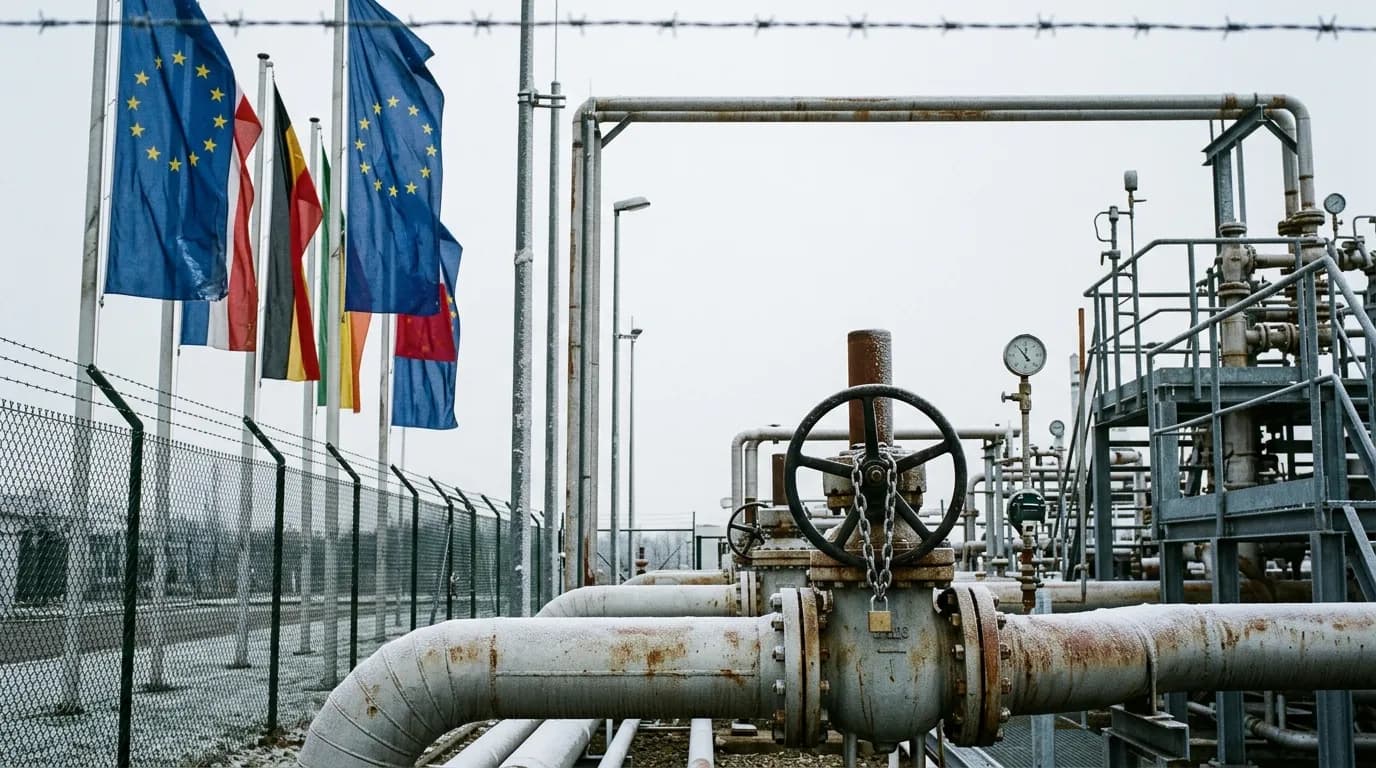
The Global Carbon Capture Race Accelerates
The article examines the rapid expansion of carbon capture technologies as a core response to industrial emissions. It analyses leading global companies, their diverse technological approaches, and their role in enabling net-zero and circular carbon economy goals.
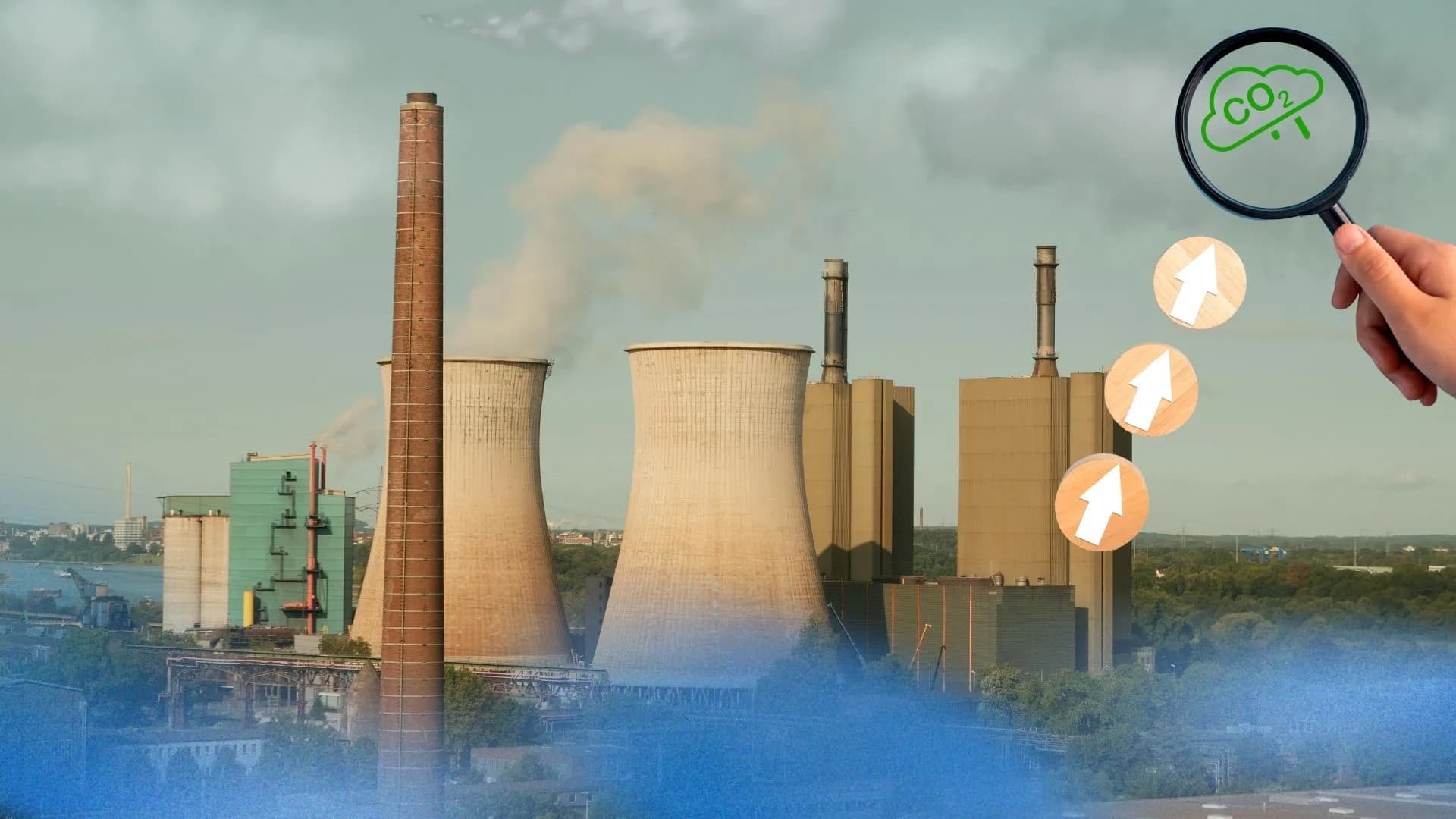
As global climate targets become increasingly ambitious, industrial carbon emissions remain one of the most pressing challenges facing governments and corporations alike. According to the International Energy Agency (IEA), manufacturing and construction sectors may account for more than half of total global carbon emissions. This reality is pushing companies—particularly those operating in “hard-to-abate” sectors such as cement, steel, and chemicals—to invest heavily in carbon capture and removal technologies. Firms aiming to meet net-zero commitments are no longer relying solely on energy efficiency or renewable energy transitions; instead, they are turning to solutions capable of directly capturing carbon dioxide from industrial processes and even from the atmosphere itself.
In this transformation, companies providing carbon capture infrastructure have become strategically vital. A ranking published by Energy Digital highlights ten leading firms worldwide that are shaping the future of carbon capture through innovative technologies and scalable solutions.
From Factory Stacks to the Atmosphere: Diverse Methods, a Shared Objective
Companies positioned in the lower half of the ranking focus on capturing carbon either at the emission source or directly from ambient air using novel approaches. Canada-based Svante develops solid-sorbent filter systems that extract CO₂ from industrial facilities and the atmosphere, delivering carbon concentrated to pipeline-grade standards. Its advanced digital analytics tools, designed to optimise system performance, distinguish the company within the sector.
Also headquartered in Canada, Carbon Engineering is among the pioneers of Direct Air Capture (DAC) technologies. Its systems isolate carbon dioxide from the atmosphere using filters and liquid solvents, then purify and compress it for reuse. This approach effectively enables the recycling of an almost limitless atmospheric carbon resource.
Swiss company Climeworks combines DAC technology with natural geological processes, permanently returning captured CO₂ to the Earth’s crust. Through partnerships with major multinational corporations, the company has established itself as a global benchmark in high-quality carbon removal.
US-based Charm Industrial adopts a biomass-driven strategy, using plants to absorb atmospheric carbon, converting the biomass into a carbon-rich liquid, and injecting it underground. The company argues that permanent carbon removal, rather than avoidance alone, is essential for achieving credible net-zero outcomes.
Subsurface Permanence and Chemical Transformation
Mid-ranked companies emphasise either secure underground storage or the conversion of carbon into valuable products. Icelandic firm Carbfix dissolves CO₂ in water and injects it into reactive rock formations, where it mineralises and becomes permanently stored. By replicating natural geological processes, this method offers a highly secure and long-term storage solution.
Also based in Iceland, Carbon Recycling International focuses on converting captured carbon dioxide into green methanol by combining it with hydrogen. The resulting fuel provides a sustainable alternative for sectors such as aviation and maritime transport, where decarbonisation options remain limited.
US-based CarbonFree employs chemical processes to transform industrial CO₂ emissions into carbon-neutral calcium carbonate. This material is widely used in construction, plastics, paints, and personal care products, effectively turning carbon from an environmental liability into an economically valuable input.
Circular Carbon Economy and Sectoral Transformation
The top-ranked companies integrate captured carbon directly into global supply chains. LanzaTech captures carbon-rich industrial gases and converts them into fuels, chemicals, and materials, promoting a circular carbon economy in which carbon is continuously reused rather than released into the atmosphere.
Focusing on the cement industry, CarbonCure Technologies injects captured CO₂ into fresh concrete during production. This process enhances material strength while permanently embedding carbon and reducing the overall carbon footprint. Its compatibility with existing concrete plants has enabled rapid global adoption.
At the top of the list stands London-based Carbon Clean, which develops modular, cost-effective carbon capture solutions tailored to energy-intensive sectors such as steel and cement. By enabling captured carbon to be reused in chemicals, fuels, and materials, the company positions itself at the centre of the emerging circular carbon economy.
Conclusion: Carbon Capture Is No Longer Optional
In the effort to reduce industrial emissions, carbon capture technologies have evolved from supplementary tools into strategic necessities. While renewable energy remains essential, it cannot alone address the demands of high-temperature, energy-intensive industries. Carbon capture, storage, and utilisation solutions are therefore set to play a decisive role in both achieving climate targets and safeguarding industrial competitiveness. The companies leading this field today are already shaping the future architecture of global carbon management.
Zhansaya Nurlanovna
Contributing writer at EUReflect.
Follow EUReflect
See more of our reporting on Google
Mark EUReflect as a preferred source and our stories are ranked higher for you in Top Stories, Discover and Google News — and carry a “preferred” badge when they are cited in AI results.
Add EUReflect as a preferred source