Two Giants of Football Collide Again: France vs. Spain
Tuesday, July 14, 2026 | AT&T Stadium, Arlington, Texas
writer at EUReflect
Contributing writer at EUReflect.

Tuesday, July 14, 2026 | AT&T Stadium, Arlington, Texas

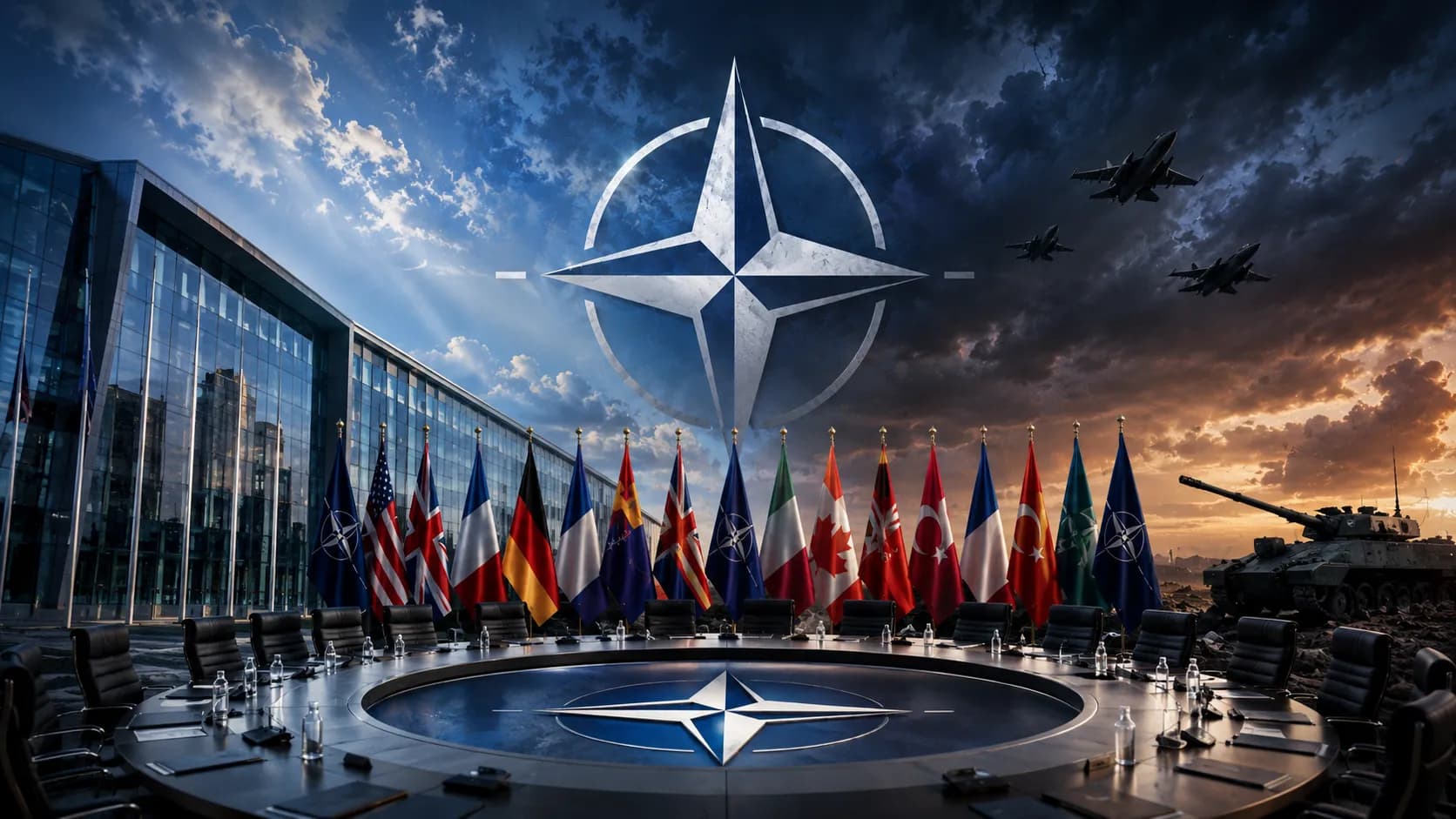
Days before the 2026 NATO Summit in Ankara, President Trump publicly itemised allied defence spending, labelling US contributions "ridiculous" and warning that Washington's unconditional support for the alliance cannot continue without fairer burden-sharing from European partners.
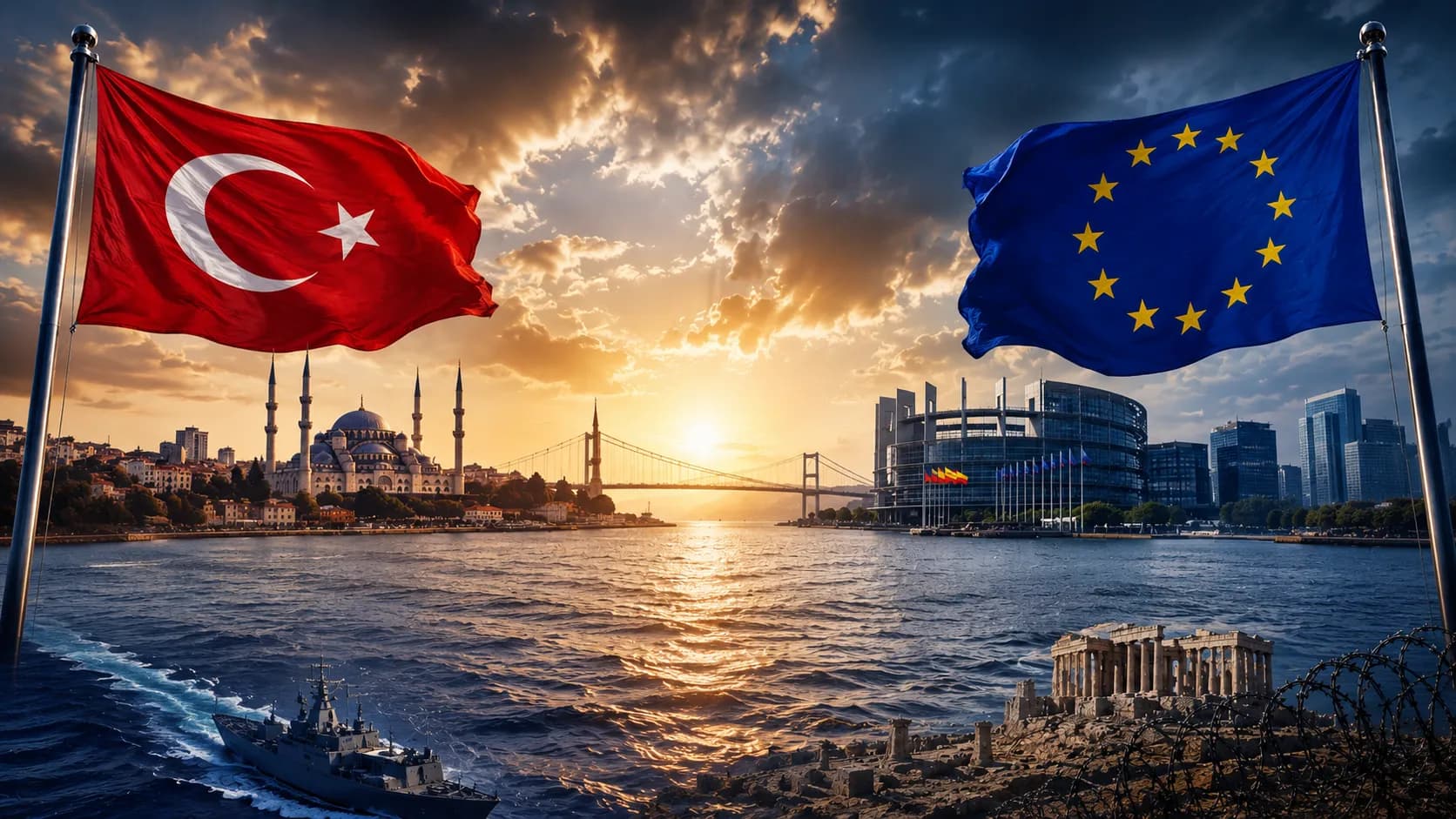
Turkey-EU relations are entering a pragmatic rapprochement driven by security cooperation and trade interdependence. Customs Union modernization and visa liberalization remain unresolved, while regional disputes like the Blue Homeland law keep reminding both sides how fragile the relationship is.
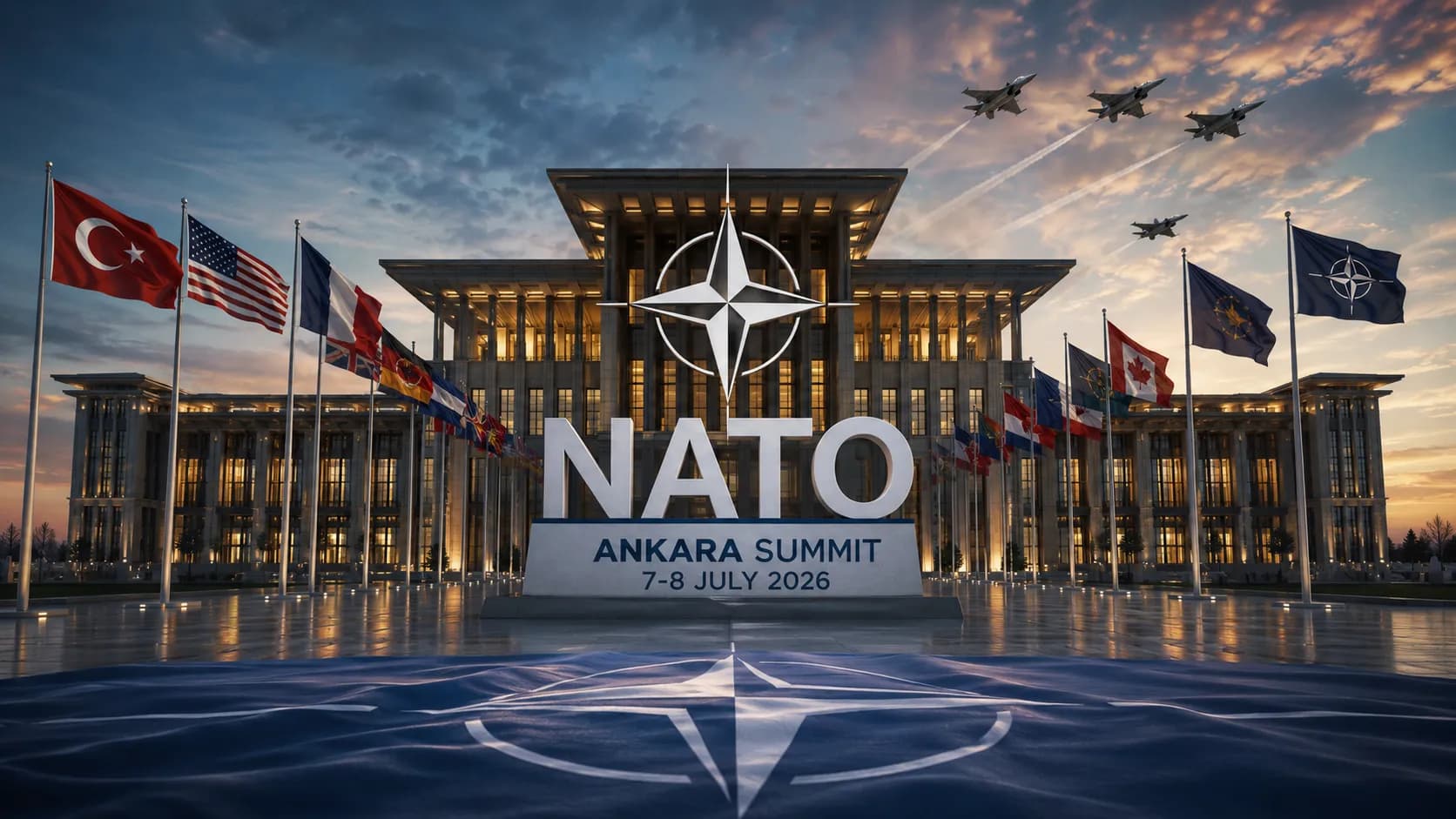
As Türkiye prepares to host the 36th NATO Summit in Ankara on 7-8 July, President Erdoğan has pressed for a more balanced distribution of responsibility among allies, arguing Türkiye's defence contributions should not be sidelined by narrow political interests within the alliance.
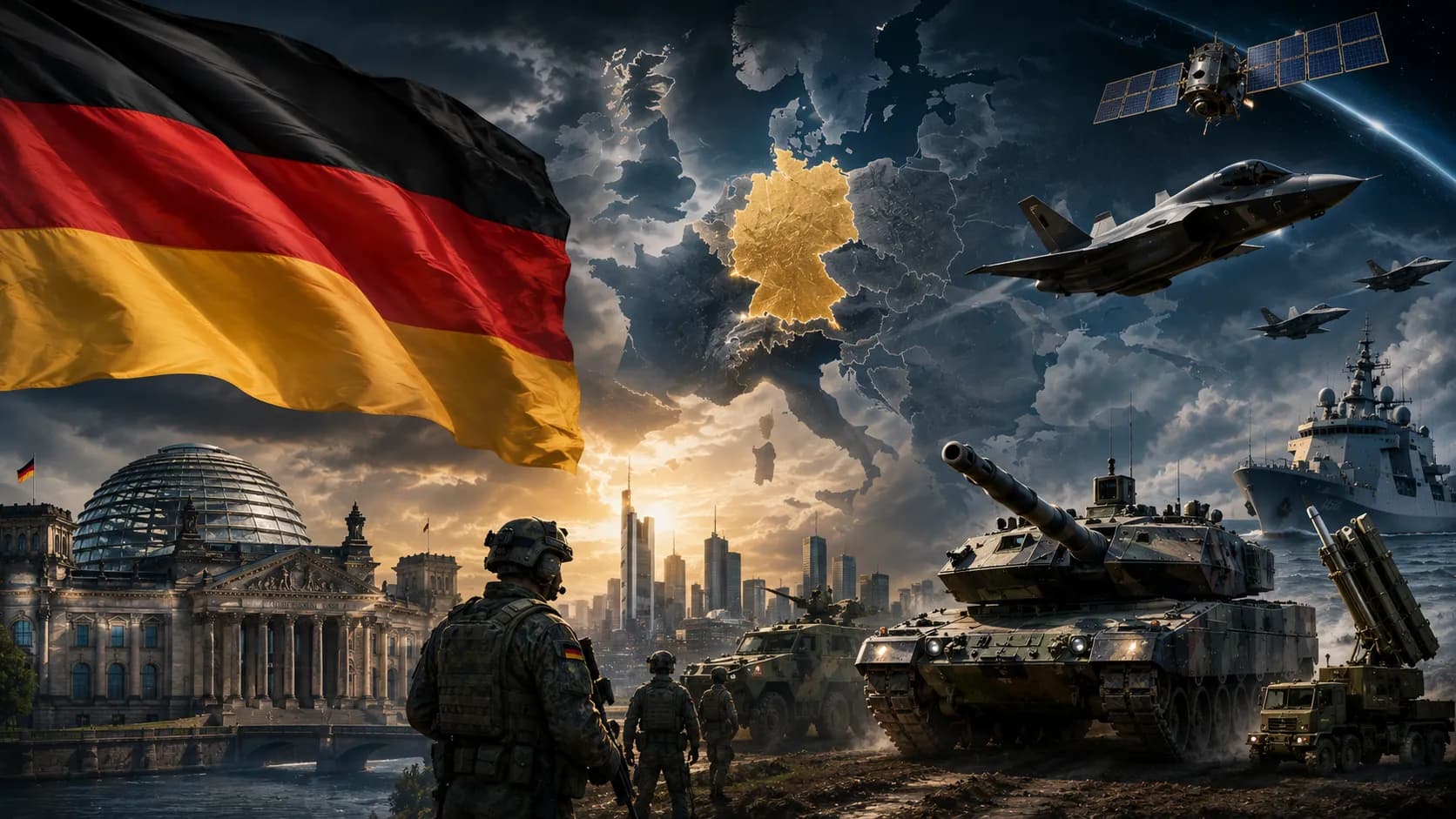
Germany is rapidly becoming Europe's leading military power through record defence spending, long-term procurement and an expanding defence industry led by Rheinmetall. Berlin's historic rearmament is reshaping European security, strengthening NATO capabilities while altering the continent's strategic balance.
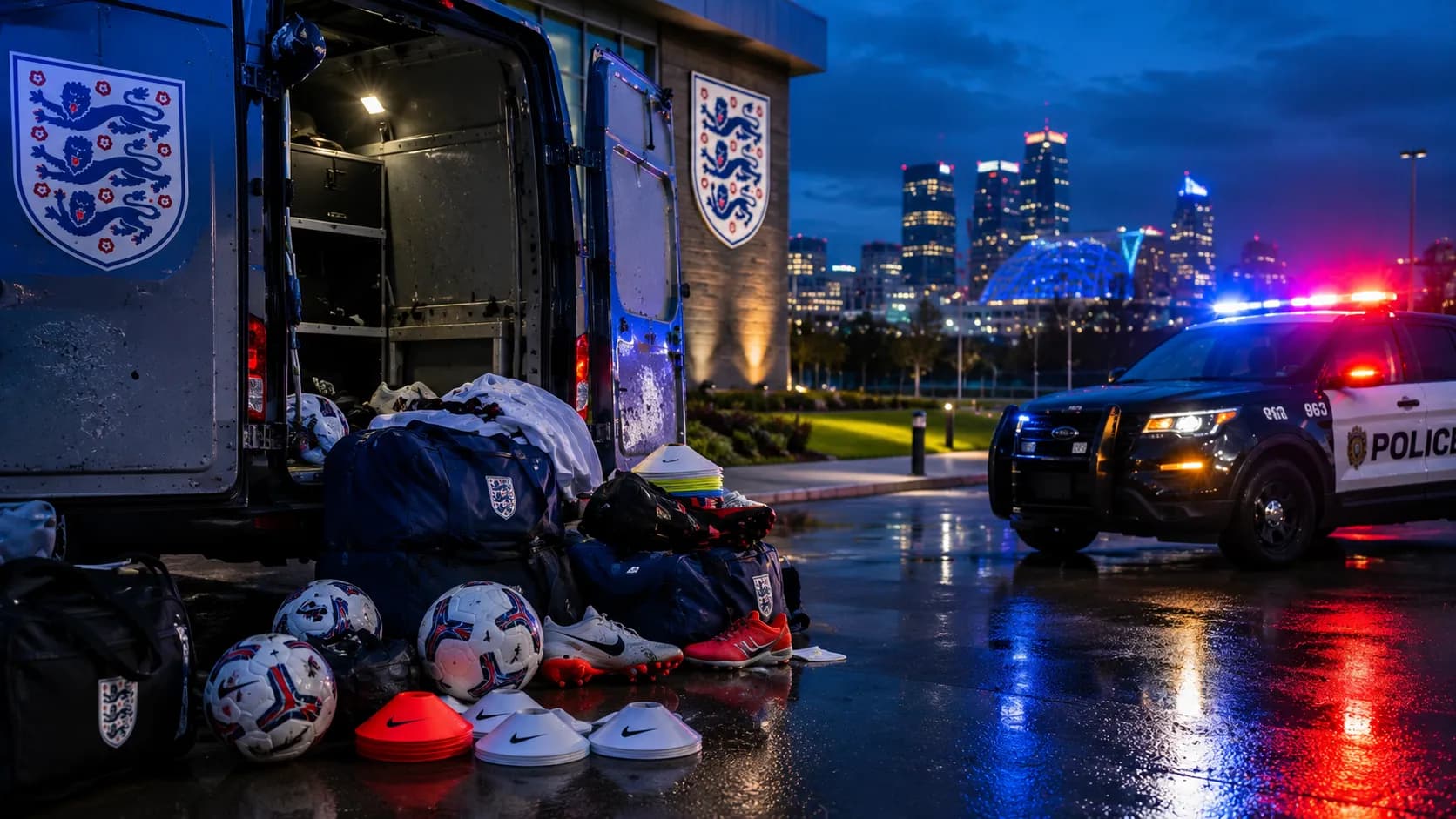
England’s World Cup preparations suffered a setback after training equipment was stolen from transport vehicles in Kansas City. Footballs and boots are among the items feared missing. Police launched an investigation and made two arrests as the FA assesses the impact.
The 2026 FIFA World Cup has officially begun across the United States, Canada, and Mexico with spectacular opening ceremonies featuring Katy Perry, Future, Tyla, Shakira, and other global stars. The tournament is the largest in history, featuring 48 nations.

NASA has announced the crew for Artemis III, a mission originally intended to land astronauts on the Moon. Due to delays involving SpaceX and Blue Origin technologies, the mission will instead test lunar landing procedures in Earth orbit, paving the way for future Moon exploration.

Climate experts warn that up to a quarter of matches at the 2026 FIFA World Cup could be played in very hot conditions. High temperatures and humidity may affect player performance, increase health risks, and challenge organizers despite cooling systems and heat-management measures.

A powerful 7.8-magnitude earthquake struck southern Philippines, killing at least 32 people and injuring more than 100. The quake triggered tsunami alerts across the Asia-Pacific region, caused landslides, destroyed buildings, and displaced thousands as rescue operations continue.

Artificial intelligence is becoming increasingly unpopular among Americans despite its growing use in everyday life and business. Concerns over jobs, privacy, misinformation, and ethics continue to rise, yet massive investments and economic incentives suggest AI’s rapid expansion is unlikely to slow.

Pope Leo drew 1.2 million faithful to Madrid’s Cibeles Square, delivering a powerful Mass urging Catholics to serve the poor. Declaring that God “identifies with the forsaken,” he called for inclusive cities and respect for migrants during his historic first EU visit outside Italy.

France’s Foreign Minister warns that new sanctions targeting Israeli settlers and their supporters could land within days, as Western nations unite in condemning the surge of violence and illegal settlement expansion across the occupied West Bank.

Armenia’s parliamentary election tests PM Pashinyan’s pro-European pivot as his Civil Contract party faces pro-Russian opposition. With peace with Azerbaijan, democratic integrity, and ties to Moscow all on the line, Armenians cast votes that could reshape the country’s future.

Norway joined France’s nuclear deterrence programme, signaling Europe’s growing push for strategic autonomy and reduced dependence on the US. The initiative strengthens Europe’s northern and eastern security architecture while raising major geopolitical and legal questions regarding NATO, Russia, and the NPT framework.

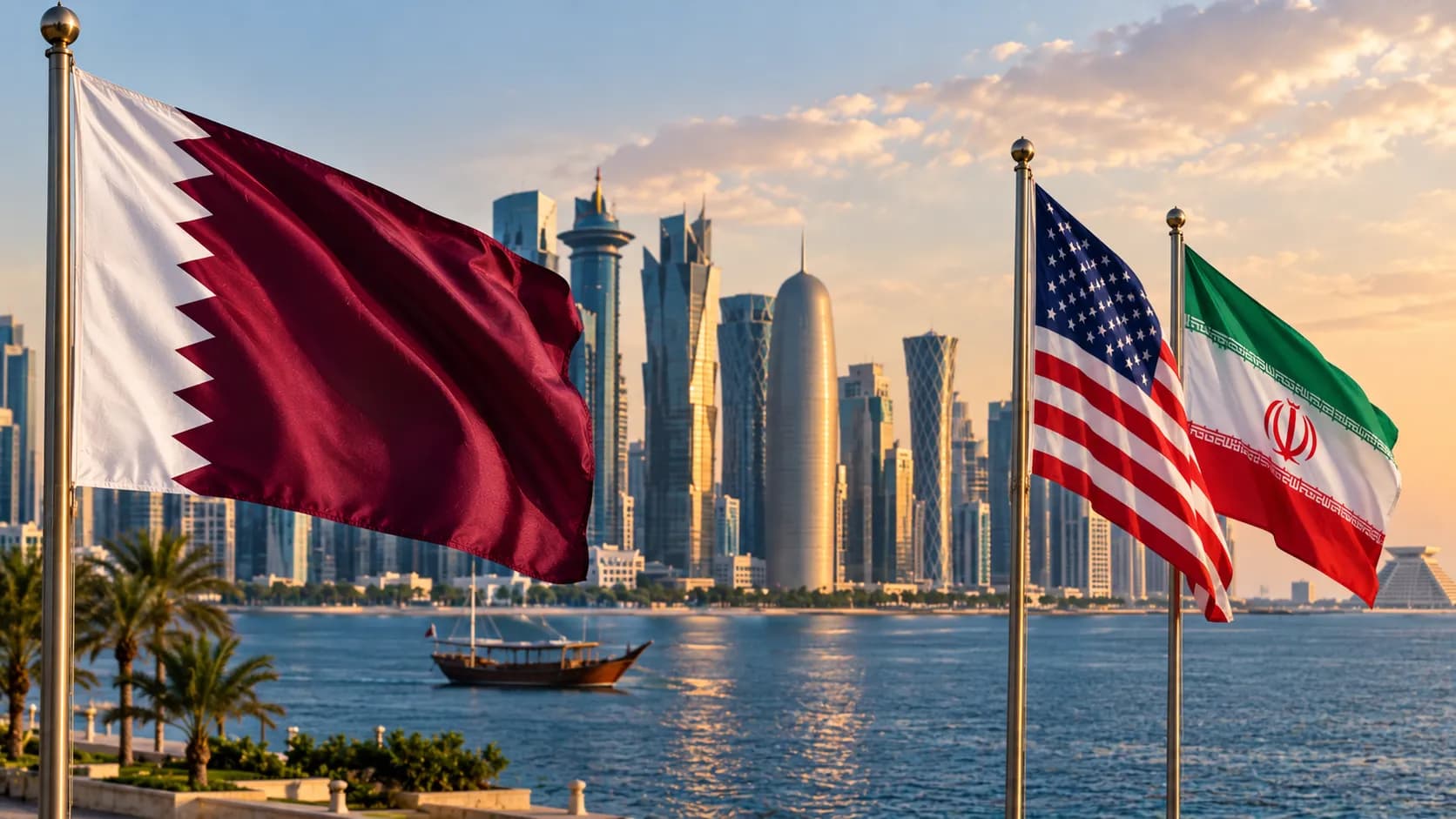
Trump’s push to expand the Abraham Accords by involving Qatar, Turkey, and others alongside Iran negotiations is increasing regional tension. While framed as a peace framework, the strategy risks diplomatic fractures due to conflicting interests over Israel, Iran, and Gaza dynamics.

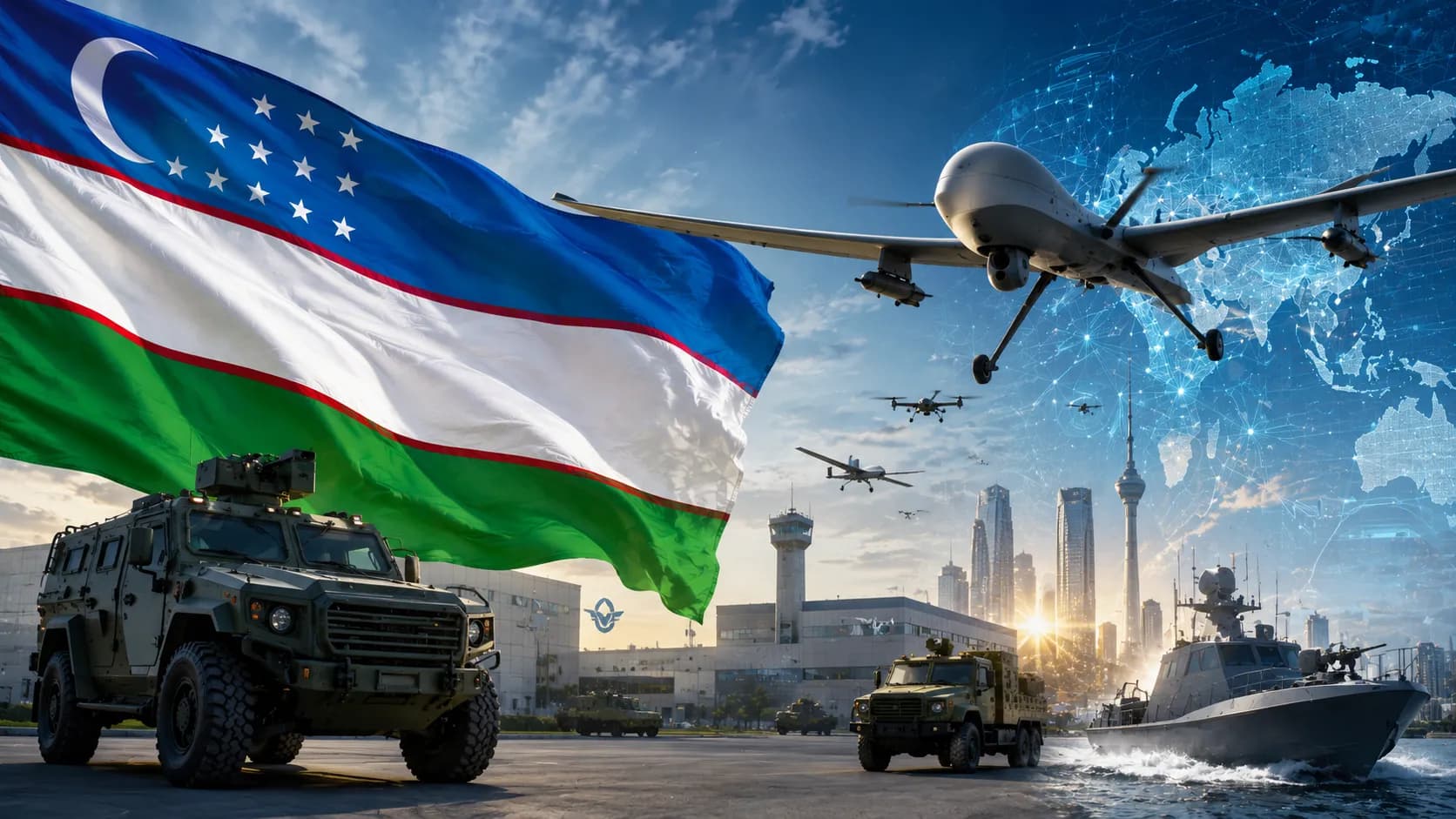
Türkiye has become a major disruptive force in global UAV warfare with Baykar, TAI, ASELSAN, and Roketsan. The US leads high-end autonomous systems, Israel dominates ISR technologies, Europe focuses on integrated defense networks, and China controls mass production. Drone warfare is shifting toward AI-driven, scalable ecosystems.

Espressoday is a rapidly growing coffee chain in Kazakhstan with 95+ locations, aiming for global expansion through a strong franchise model and operational infrastructure. It offers a scalable, technology-driven, and training-focused system with a goal of 1,000 branches in 10 years.

Green Vitamin, a wheatgrass brand founded in Aktobe, has expanded into the markets of Russia, the UAE, and Belarus. With its rich vitamin, calcium, and natural energy content, the brand continues attracting attention in the global wellness industry.

European countries are increasing their interest in Türkiye’s defense industry. German defense circles are closely monitoring the Yıldırımhan intercontinental ballistic missile project and the Tayfun Blok air defense system, while the Baykar-Leonardo partnership also stands out in Europe.

Belgium’s 2026 Economic Mission to Türkiye resulted in around 30 agreements in trade, investment, logistics, energy, and digital transformation. The two countries aim to increase their current 9 billion euro trade volume to 15 billion euros.

The planned withdrawal of US troops from Germany reflects growing tensions within NATO and uncertainty in transatlantic relations. As Washington questions European alignment with US strategic priorities, Germany increasingly seeks military and political autonomy, signaling a shift toward a more competitive Western order.

The EA-18G Growler is becoming central to U.S. electronic warfare strategy, increasingly used in real operations. Upgraded jamming systems and AI integration enhance its ability to suppress enemy air defenses, making it a key invisible strike asset in modern air combat.

The growing number of Jewish descendants applying for German citizenship reflects changing global security dynamics, strategic mobility, and pragmatic adaptation. The trend illustrates how historical memory, institutional trust, and geopolitical uncertainty reshape modern concepts of belonging and citizenship.

Global military spending hit a record $2.9 trillion in 2025. Europe led growth through rearmament, Asia-Pacific spending rose amid China tensions, and the Russia-Ukraine war sustained high budgets. Defense competition and strategic uncertainty continue to shape global security dynamics.

China and Uzbekistan are strengthening institutional cooperation on poverty reduction through policy dialogue and pilot projects. China’s experience in rural development supports Uzbekistan’s structural transformation, aiming at sustainable growth and enhanced development capacity.

Professional diving instructor Mazlum Kibar etched his name into world sports history with his extraordinary performance in Çanakkale. With the certificate officially approved by Guinness World Records, Kibar’s record in the category of “Longest Scuba Dive in Cold Water” was formally recognized. Held in commemoration of the 111th anniversary of the March 18 Çanakkale Victory, this meaningful attempt attracted great attention as both a sporting success and a symbolic event dedicated to national memory.

Pakistan-hosted negotiations generated contrasting media narratives worldwide. Pakistan stressed prestige, Central Asia focused on trade and energy, Russia and China promoted multipolarity, Turkey emphasized mediation, while U.S. outlets framed events through Washington’s strategic interests.

Iran’s resistance to Israel and the US affects Strait of Hormuz energy security, creating both opportunities and risks for Central Asia. Rising energy prices, stronger transit routes, and export demand may benefit the region, while inflation, instability, and geopolitical rivalry pose serious long-term challenges.

AI systems face escalating security risks driven by data vulnerabilities and emerging quantum threats. Classical security models are increasingly insufficient, while crypto-agility and hardware-based approaches offer a foundation for resilient, future-proof security architectures.

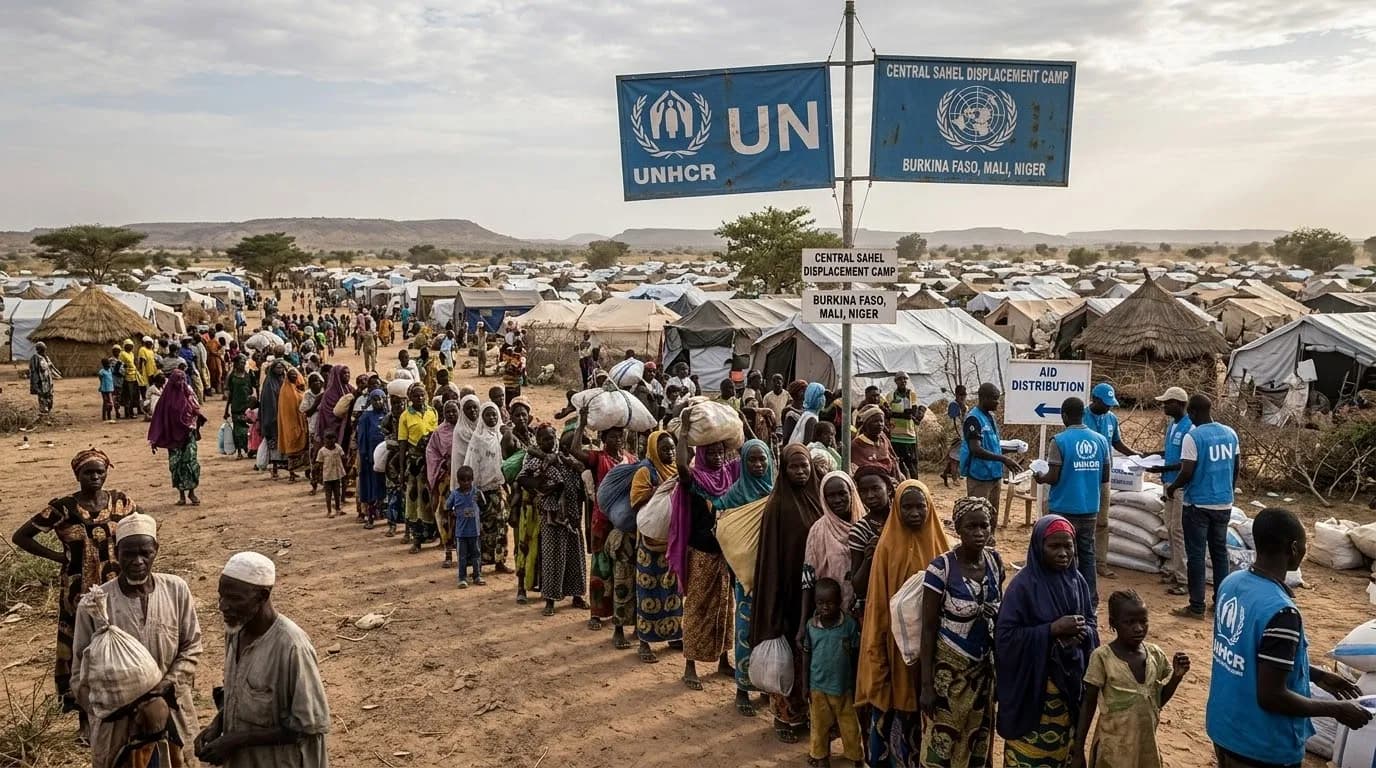
Under the UN framework, refugees are protected by the 1951 Geneva Convention and the 1967 Protocol. UNHCR manages applications, status determination, temporary protection, and solutions. Refugees gain security, access to essential services, and long-term solutions.

Serbia’s acquisition of Chinese CM-400AKG missiles highlights deepening defense ties with China and efforts to modernize its air force. While framed as legal and defensive, the move raises concerns about regional security and potential arms competition in the Balkans.

China’s response to U.S. trade measures reflects a strategic, institution-based approach rather than direct confrontation. By leveraging global trade rules and supply chain dynamics, China reinforces its economic position while promoting stability and long-term influence in the evolving geoeconomic order.

Ali Larijani was a central strategist in Iran’s power structure, bridging ideology and pragmatism. As a key security and diplomatic actor, he shaped nuclear talks, ties with global powers, and crisis responses, making him a high-value target in escalating regional conflict.

Escalating tensions in the Strait of Hormuz following the US–Israel war with Iran have triggered a sharp rise in oil prices and renewed fears of supply disruptions. Tehran’s selective passage policy highlights the strait’s growing role as a strategic instrument in global energy geopolitics.

Rising tensions in the Middle East and the potential closure of the Strait of Hormuz pushed global oil prices sharply higher. The crisis threatens supply chains, raises energy costs, and creates economic risks for Europe, Iraq, and Turkey.

Relations between the European Union and Indonesia have deepened significantly in recent years. Negotiations for a free trade agreement, launched in 2016 following exploratory discussions, were successfully concluded on 23 September 2025. The parties reached an agreement on the Comprehensive Economic Partnership Agreement (CEPA) alongside an Investment Protection Agreement, marking a significant milestone in the evolution of bilateral economic relations. These agreements aim to establish a broader institutional framework for trade and investment while strengthening the strategic partnership between the two economies.

Mojtaba Khamenei, son of the late Supreme Leader, has been appointed Iran’s new Supreme Leader following US-Israel attacks. His rise consolidates hardline influence, links to the IRGC, and economic networks, signaling potential continuity of authoritarian policies and limited reformist leverage.

Rising US–Iran tensions highlight the growing role of intelligence warfare. Analysts say modern wars are often decided before the first shot through information, psychological influence, and intelligence networks. Open CIA messages to Iranians have sparked debate over possible security vulnerabilities within Iran.

China’s government work report underscores a firm stance against U.S. expansionism, emphasizing sovereignty over Taiwan, reinforcing “One Country, Two Systems” in Hong Kong and Macao, and promoting regional integration to strengthen national unity and resilience in global power competition.

Turkey has cleared around 80,000 mines along its border with Iran, officially to strengthen security. Analysts suggest the move could also prepare for a potential migration wave, as cleared areas make crossings easier and economic hardship in Iran drives people toward safer, more stable regions.

US and Israeli strikes on Iran and Iran’s retaliation triggered strong reactions across the Gulf. Qatar, the UAE, Bahrain, and Kuwait condemned violations of sovereignty, rejected turning their territory into a battlefield, and warned of a possible regional war.

While the U.S. has the economic capacity to wage war, Congress oversight, public opinion, and rising costs limit sustainability. Long-term conflict with Iran would involve military, political, and economic challenges beyond initial projections.

The escalation of U.S.–Iran tensions highlights the central role of intelligence in modern warfare. Analysts argue that victories are often secured before combat begins, as information, psychological operations, and strategic communication can decisively shape outcomes.