SCO in Bishkek: Security and the European Stakes
The summit's 25th-anniversary session comes as Russia's war in Ukraine and Iran-US tensions dominate the agenda, with leaders expected to discuss the Strait of Hormuz.
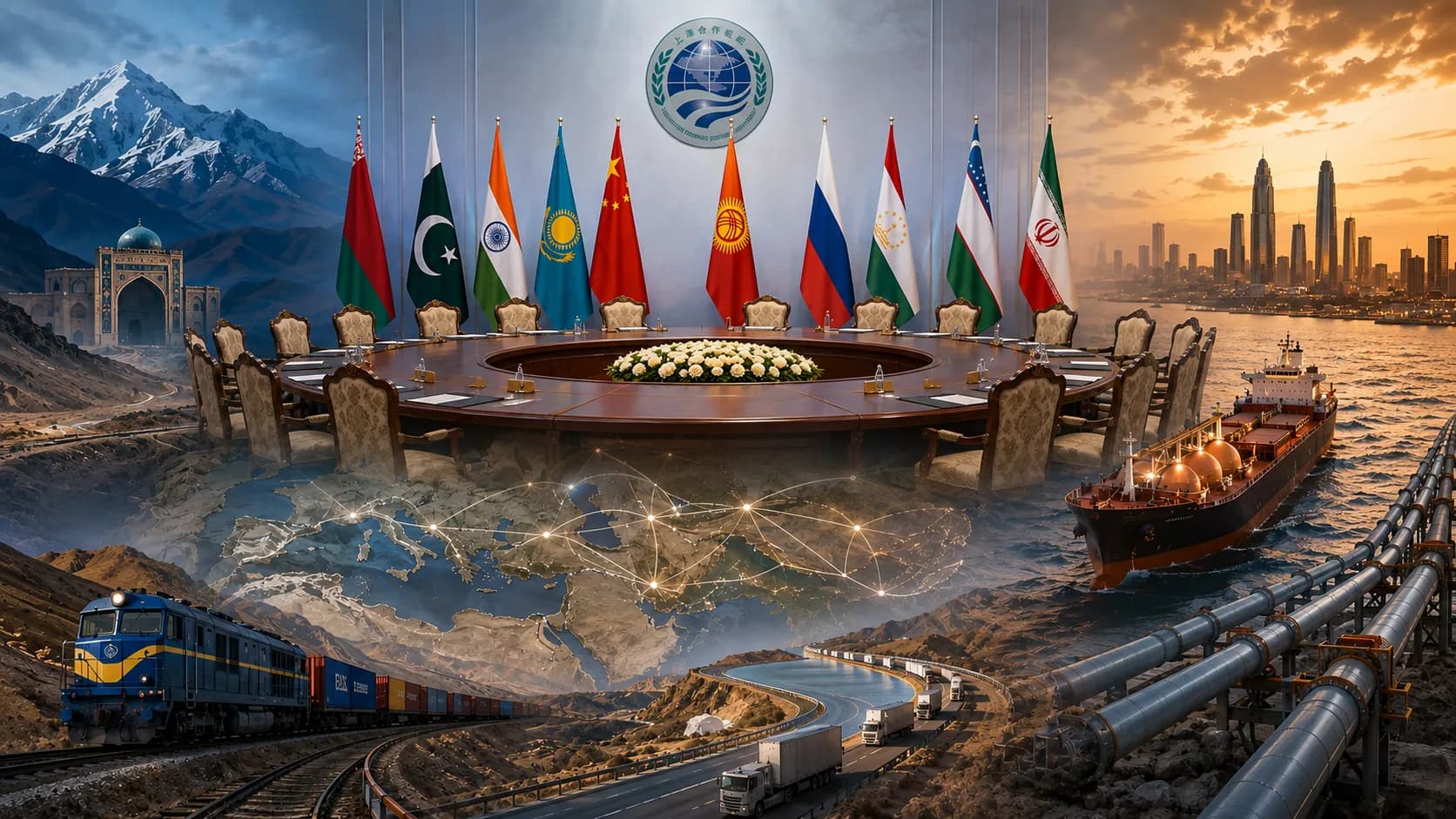
The 26th Shanghai Cooperation Organisation (SCO) Summit opened as Indian Prime Minister Narendra Modi and Chinese President Xi Jinping arrived in Bishkek. The two-day summit, held on 31 August–1 September, marks the organisation's 25th anniversary. Russian President Vladimir Putin also arrived in Kyrgyzstan on Monday; a heavy police presence and traffic jams were observed in the capital ahead of his arrival. The summit is being held at the Yrys-Ordo Congress Centre, built on a 14,000-hectare site next to the Yntymak Ordo presidential palace and officially opened on 24 August.
Regional security at the centre of the table
The main agenda items are regional security, terrorism, transnational threats, trade, energy and transport connectivity; the conflicts in West Asia and the war in Ukraine are also expected to be discussed. The summit convenes at an unusually sensitive moment: Russia remains at war in Ukraine, Iran is locked in an intense confrontation with the United States, and global energy markets are watching the Strait of Hormuz. This year the organisation has taken a more visible joint stance on Iran and the Middle East, calling for restraint, dialogue and political-diplomatic solutions; at the July foreign ministers' meeting it reiterated that international disputes should be resolved within the framework of the UN Charter.
Afghanistan: On the agenda, absent from the hall
Afghanistan, an observer state, is not represented at the summit; yet its security situation, cross-border militancy and connectivity remain important to member states given its position between Central and South Asia. Counter-terrorism is expected to remain the core area of cooperation through the Regional Anti-Terrorist Structure in Tashkent, with leaders likely to approve annual plans that may include joint exercises.
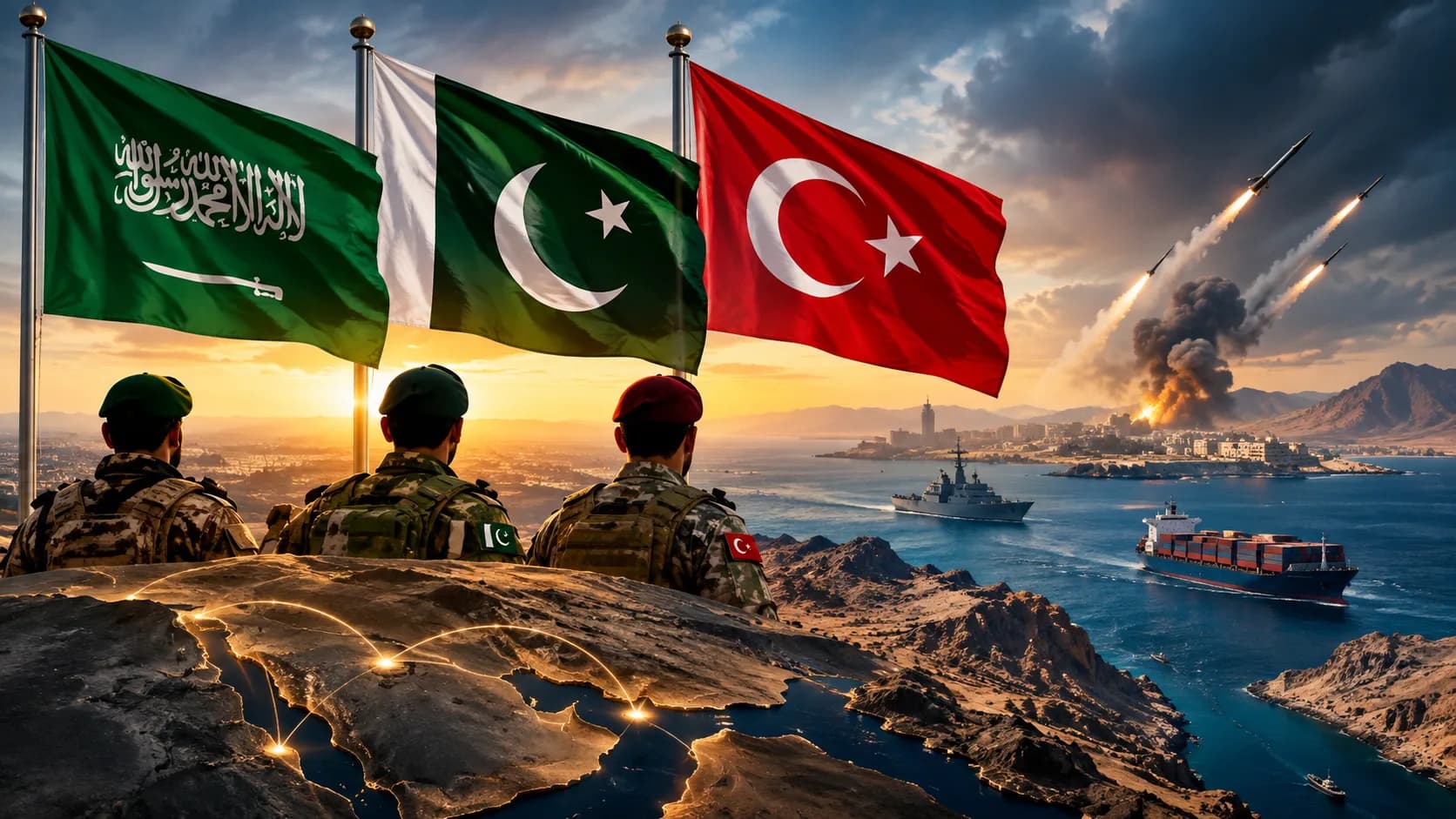
Türkiye's position
President Recep Tayyip Erdoğan's plane landed at Manas Airport at 13:03 Türkiye time. He is accompanied by National Intelligence Organisation (MİT) chief İbrahim Kalın; Foreign Minister Hakan Fidan and Defence Minister Yaşar Güler are expected to travel to Bishkek after a meeting in Istanbul. Erdoğan will address the expanded SCO+ session on 1 September and hold a bilateral meeting with Putin. UN Secretary-General António Guterres is also in Bishkek for the summit.
Three security messages
First, although the SCO does not define itself as a military alliance, the Iran-US tension and the pressure on Hormuz are effectively pushing the organisation into the role of a "diplomatic shield" in the Middle East; whether that role becomes a concrete mechanism will be revealed by the language of the Bishkek Declaration. Second, Afghanistan's exclusion shows that institutional contact with Central Asia's most immediate source of threat has still not been established. Third, Ankara's arrival together with its intelligence and defence bureaucracy signals that Türkiye is at the table with a security weight exceeding its dialogue-partner status.
The impact on Europe: Energy, Ukraine and the Central Asia contest
Even if the decisions taken in Bishkek do not target Europe directly, they reach Europe through three channels.
1. Energy: Russian gas shifts east
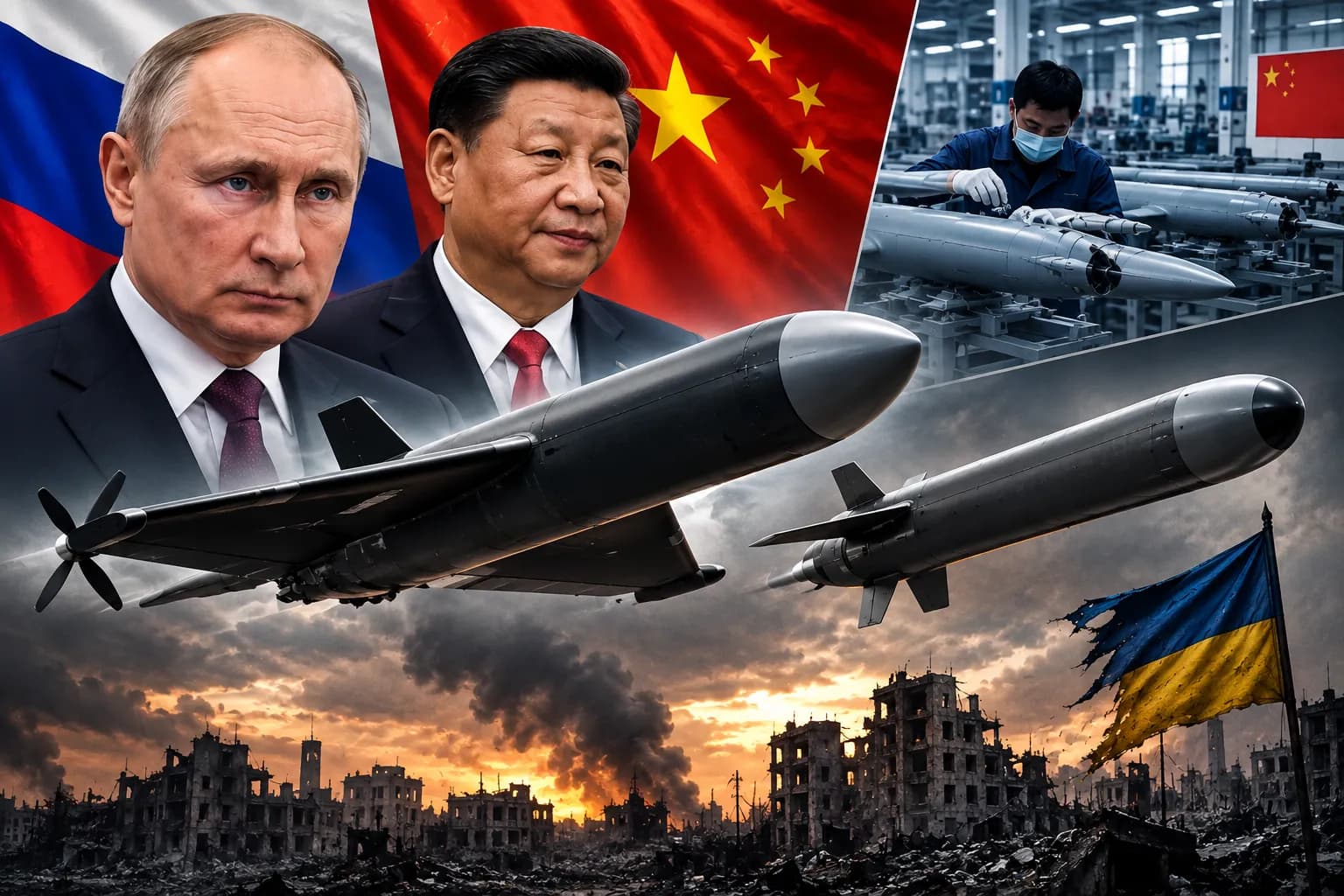
According to the Kremlin, Xi and Putin will discuss the Power of Siberia 2 project in Bishkek. Putin proposed the project in 2022 to compensate for the European market share lost after the invasion of Ukraine; Beijing, however, insists that the pipeline gas be priced at Russia's heavily subsidised domestic rate. Europe is preparing to abandon Russian gas entirely in 2027, which is pushing Gazprom to increase sales to China. The paradox for Europe is this: a Moscow-Beijing deal would permanently close the door on Russian gas returning to Europe, while a failure to agree would tighten Russia's economic lifeline and strengthen Europe's hand in Ukraine negotiations. Putin's May visit to Beijing having ended without a publicly announced breakthrough on the pipeline lowers expectations of a major deal in Bishkek.
Added to this is the pressure on Hormuz: with Iran in an intense confrontation with the United States, global energy markets are watching the Strait. Europe's LNG dependence, having abandoned Russian gas, translates every escalation in the Gulf directly into Europe's energy bill.
2. Ukraine and the Black Sea: The table connects to Europe via Ankara
Putin will discuss the situation in the Black Sea and the latest developments in Ukraine with Erdoğan in Bishkek. Although Ukraine is expected to come up within the organisation, there is no indication that the war will be a separate focus of the summit. What matters for Europe is that Türkiye, a NATO member, is discussing Black Sea security with Putin on the SCO+ platform: Ankara is the only actor carrying Europe's security agenda at a table where Brussels has no direct access.
3. The contest for influence in Central Asia
At its first summit with Central Asia in Samarkand in 2025, the EU committed to scaling up cooperation in transport and digital connectivity, critical raw materials and security; Russia's war against Ukraine and developments in Afghanistan had made EU-Central Asia relations strategically more important. The Bishkek summit, by contrast, shows that the security architecture of those same five countries is being built along the Moscow-Beijing axis. Europe's Middle Corridor and raw-material investments must advance in a region that operates under the SCO's counter-terrorism and border-security umbrella; this means Europe's economic influence has to learn to coexist with Russian-Chinese security influence in the same geography.
Conclusion
Bishkek is not a summit of threat for Europe but a summit of exclusion. In energy, Russia's turn to the East makes Europe's decision to part ways irreversible; on Ukraine, Europe's voice is heard only through Türkiye; in Central Asia, the EU's economic offer must pass through the SCO's security offer rather than compete with it. The "multipolarity" language of the Bishkek Declaration expected to be adopted at the close of the summit will test not Europe's position within the Western bloc, but its isolation in Eurasia.
Alvara Merrick
Contributing writer at EUReflect.
Follow EUReflect
See more of our reporting on Google
Mark EUReflect as a preferred source and our stories are ranked higher for you in Top Stories, Discover and Google News — and carry a “preferred” badge when they are cited in AI results.
Add EUReflect as a preferred source