Can the Makkah Pact Survive the Houthi Challenge?
Houthi ballistic missiles and drones have struck Riyadh and other strategic sites, while Saudi Arabia has reportedly sought extra interceptor stocks to sustain its air defences.
Houthi ballistic missiles and drones have struck Riyadh and other strategic sites, while Saudi Arabia has reportedly sought extra interceptor stocks to sustain its air defences.
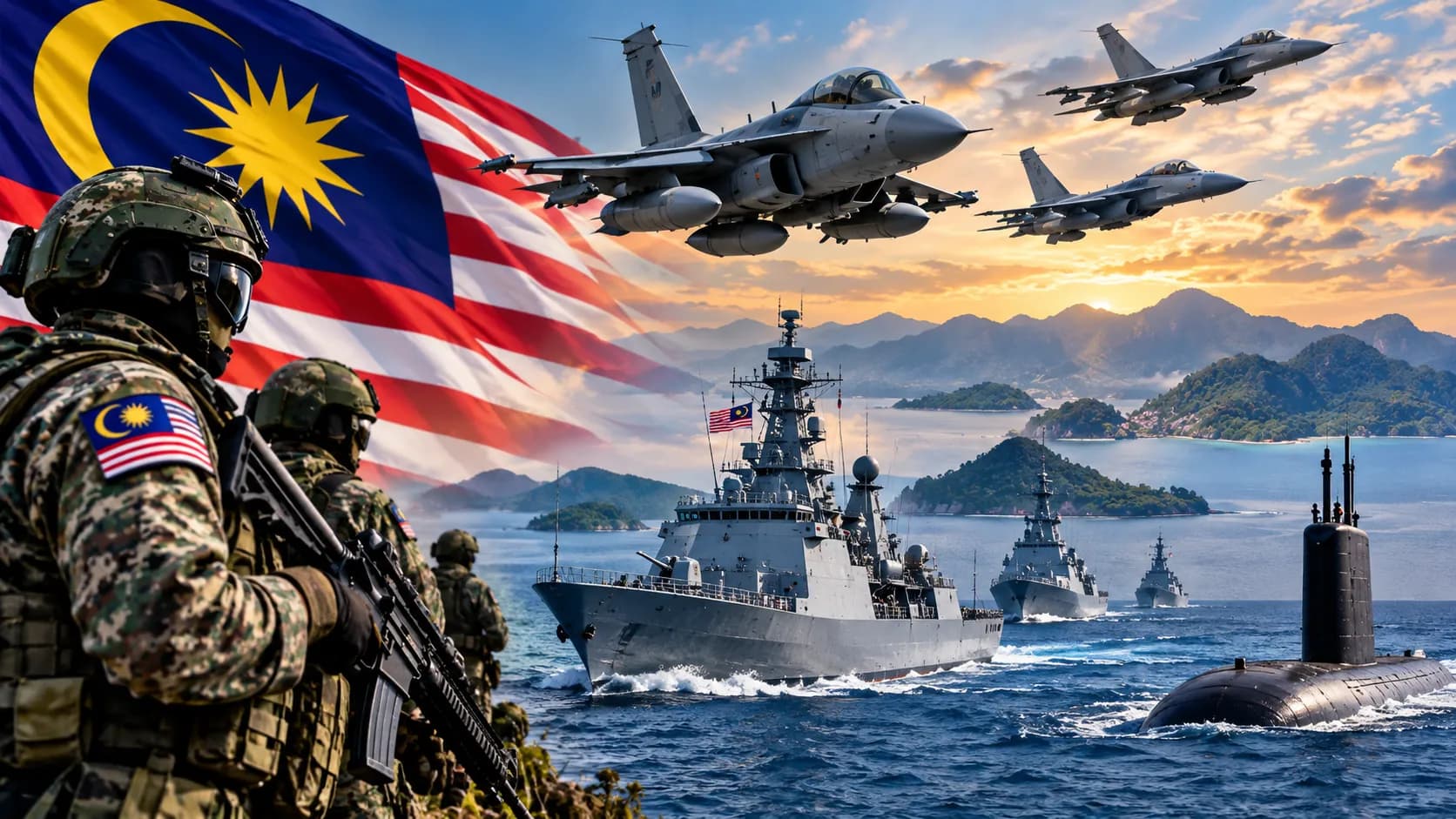
Global Firepower ranks Malaysia 42nd, with a naval force of about 100 assets including 2 submarines, and a defence budget of $5.1 billion.
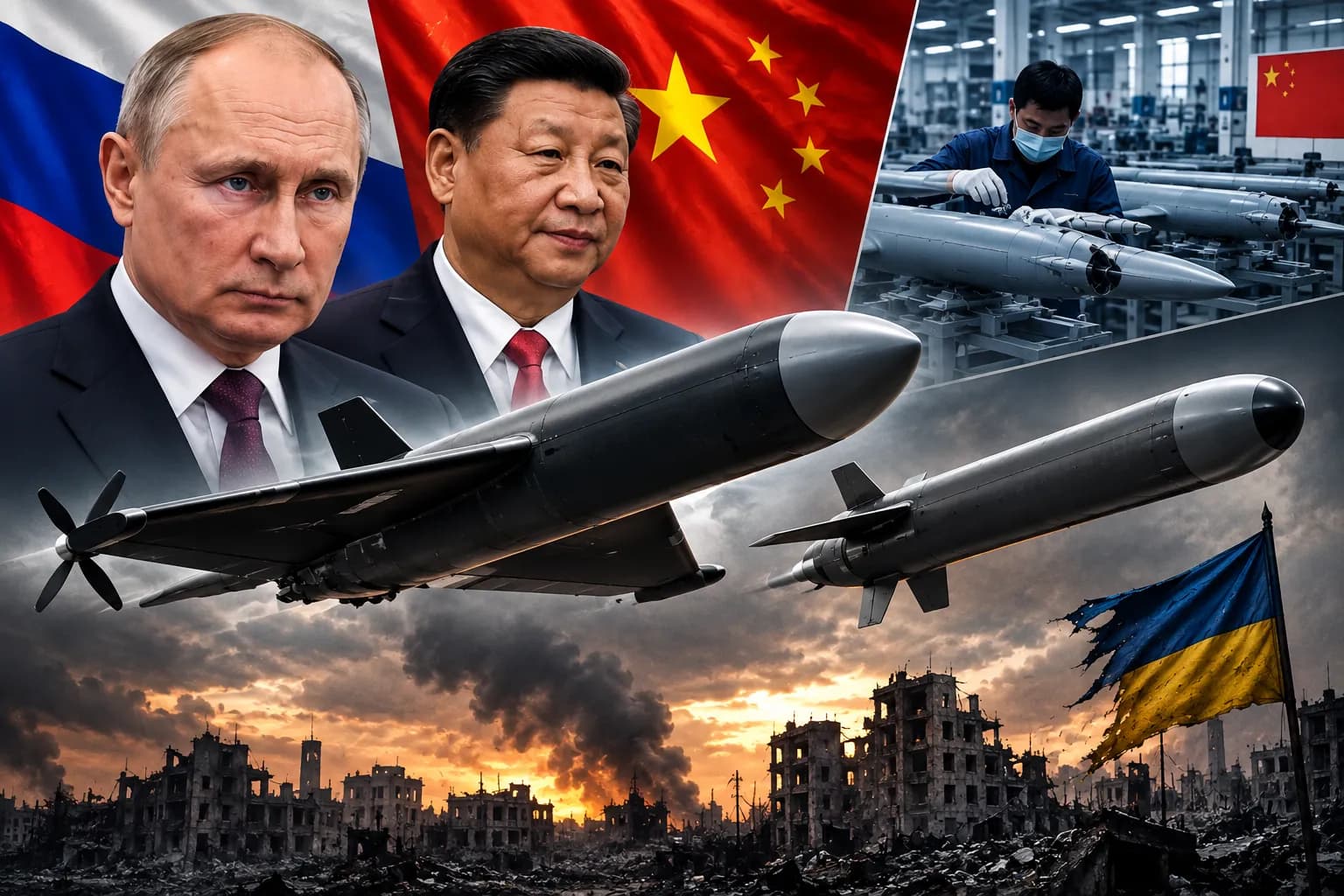
Russia's Geran-5 drone and Banderol cruise missile rely on Chinese-made jet engines, navigation computers and communications electronics, and each could cost around $100,000 — a fraction of the $2 million-plus price tag on comparable Western missiles.

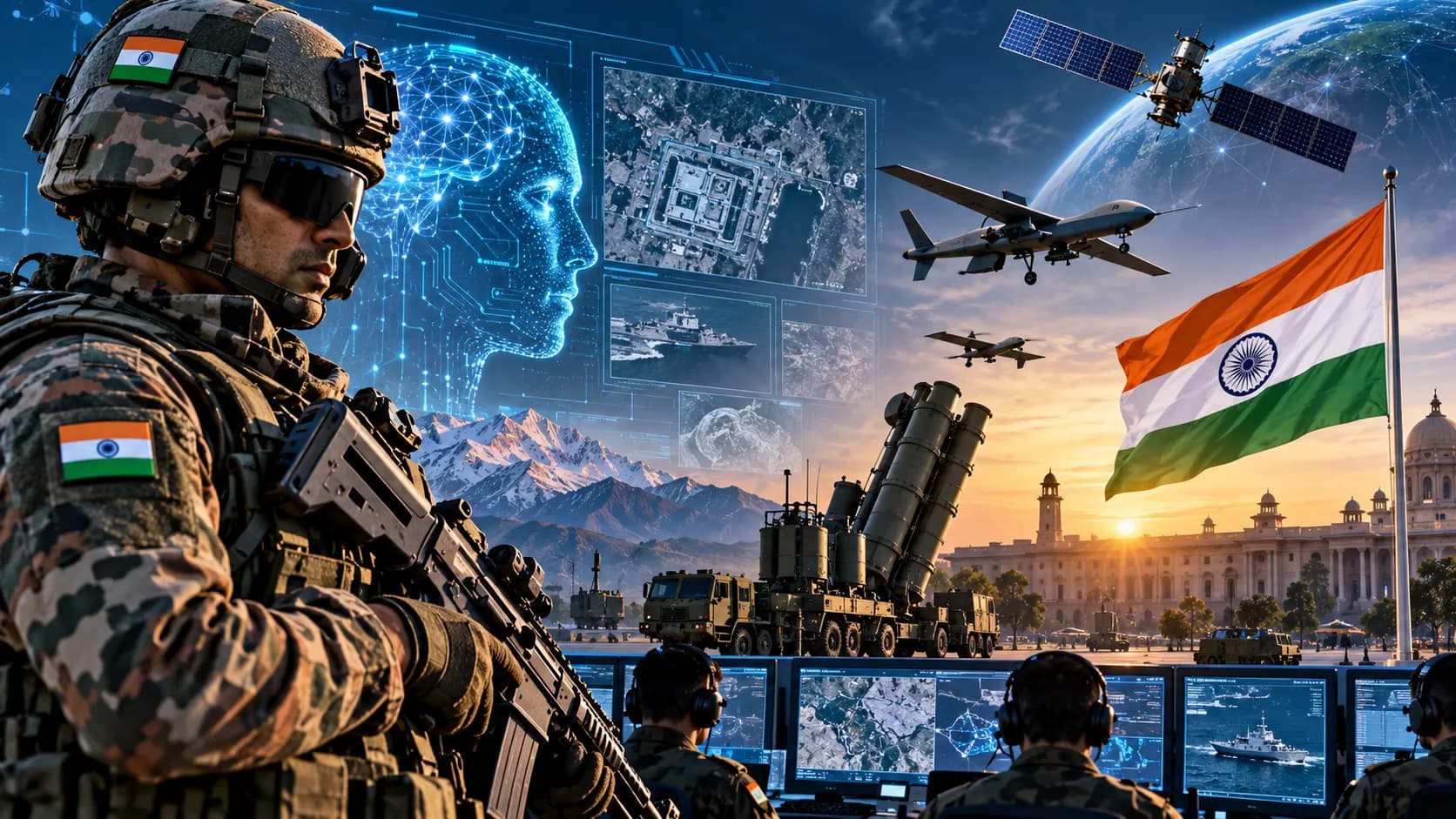
The new Centre of Excellence at BEL will focus on integrating AI into real-time decision-making, autonomous systems, and cyber defence, according to Defence Minister Rajnath Singh.

The Bishkek Declaration addressed security, trade, and technology, but notably omitted any mention of the conflict in Ukraine, highlighting the bloc's careful balancing act.

The summit's 25th-anniversary session comes as Russia's war in Ukraine and Iran-US tensions dominate the agenda, with leaders expected to discuss the Strait of Hormuz.

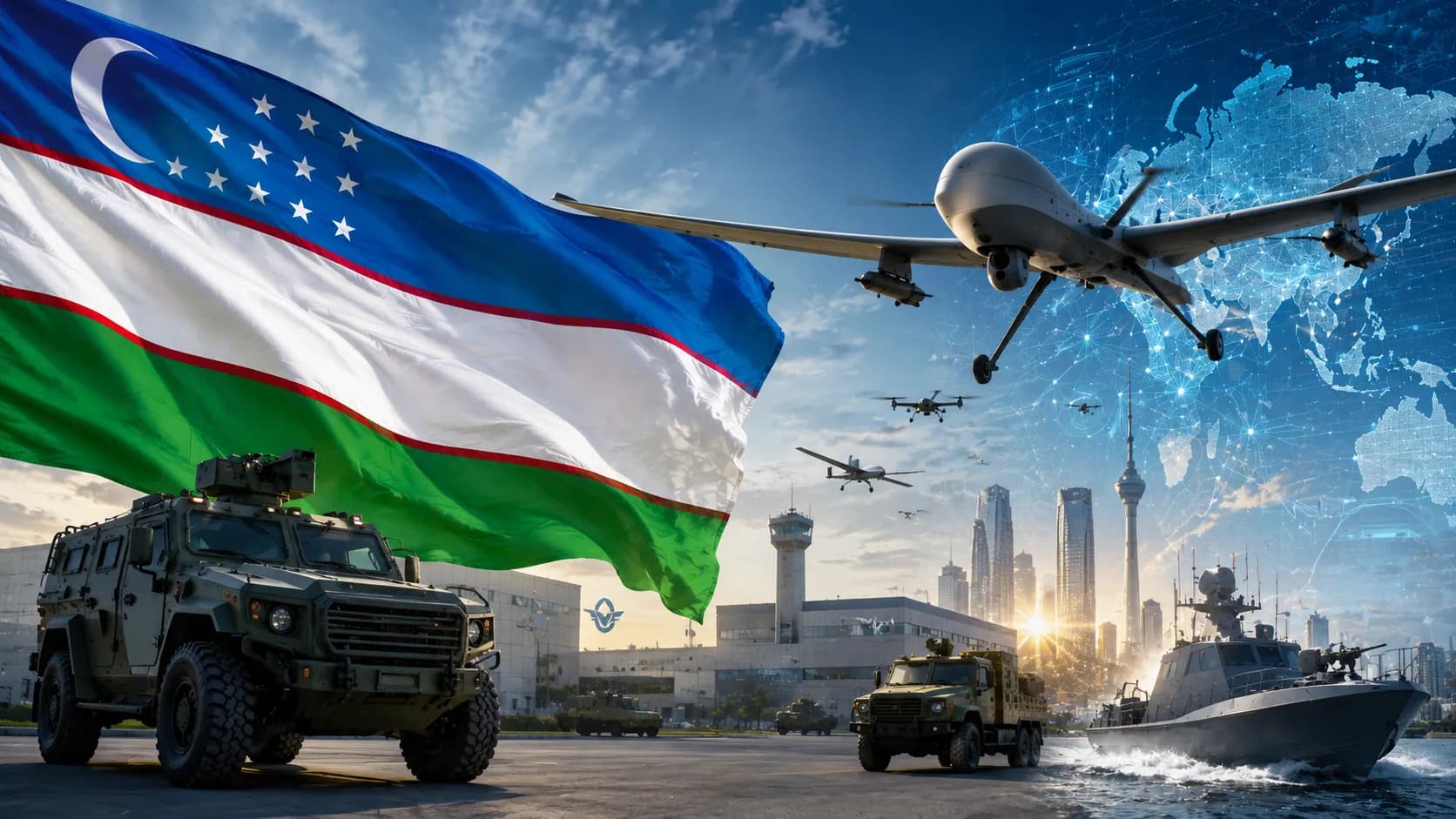
Uzbekistan is emerging as a regional drone hub, and its partnership with Türkiye is deepening as it seeks to reduce dependence on foreign suppliers and build a self-sufficient defense ecosystem.

The new strategy may deepen reliance on large AI models and computing infrastructure, conflicting with diverse defense ecosystem goals.

Turkey's role is concretized through the MCM Black Sea task group, which has conducted 10 activations, and its mandate is being extended to cover energy assets like the Sakarya Gas Field.

The EU's 2019 Strategic Engagement Plan provides the framework for security cooperation, but Pakistan's strategic culture, shaped by the military since 1947, poses both opportunities and limits for partnership.

Unlike NATO, the Mecca Pact lacks an integrated command structure and joint military planning, raising doubts about its effectiveness as a deterrent.

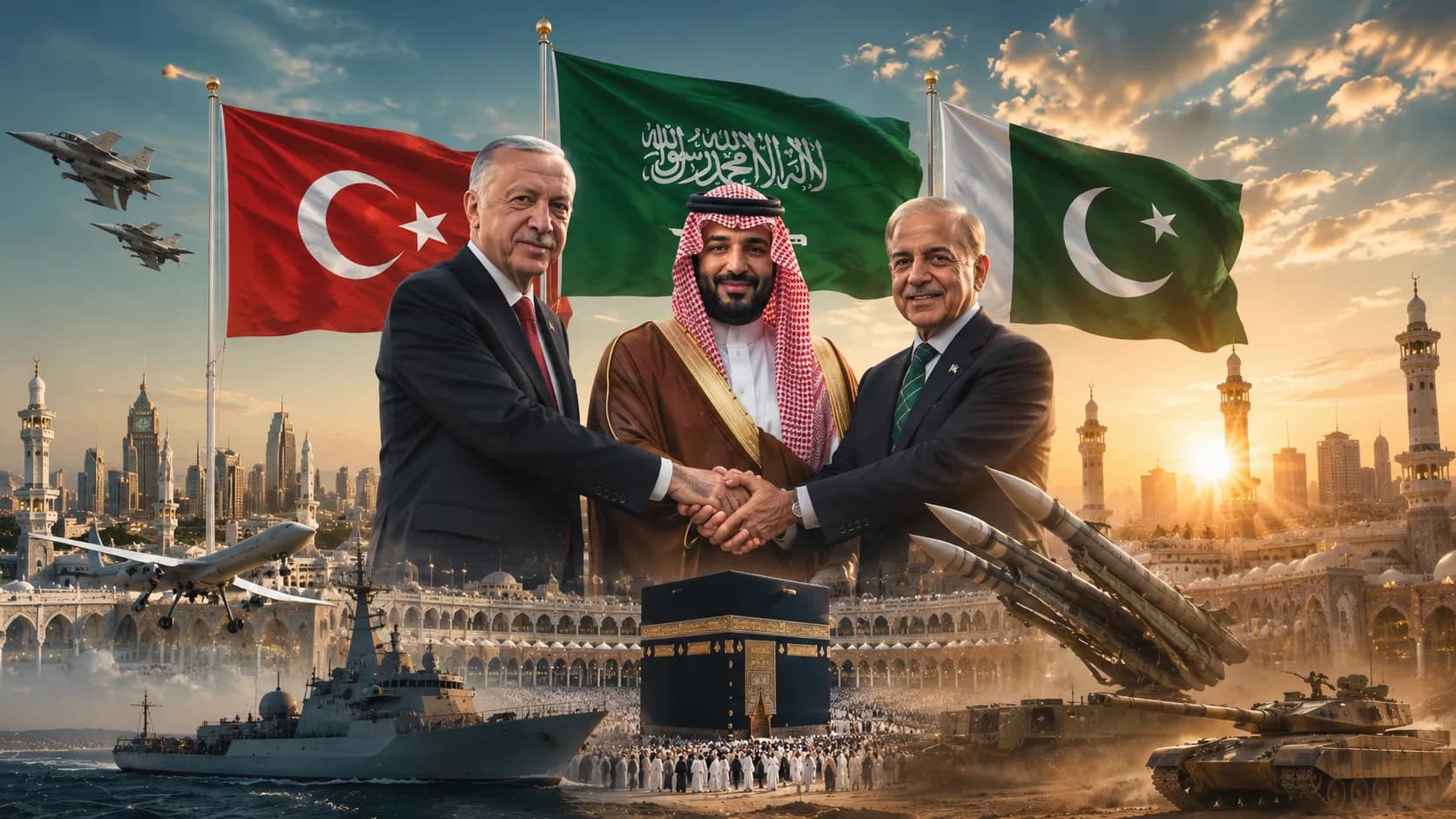
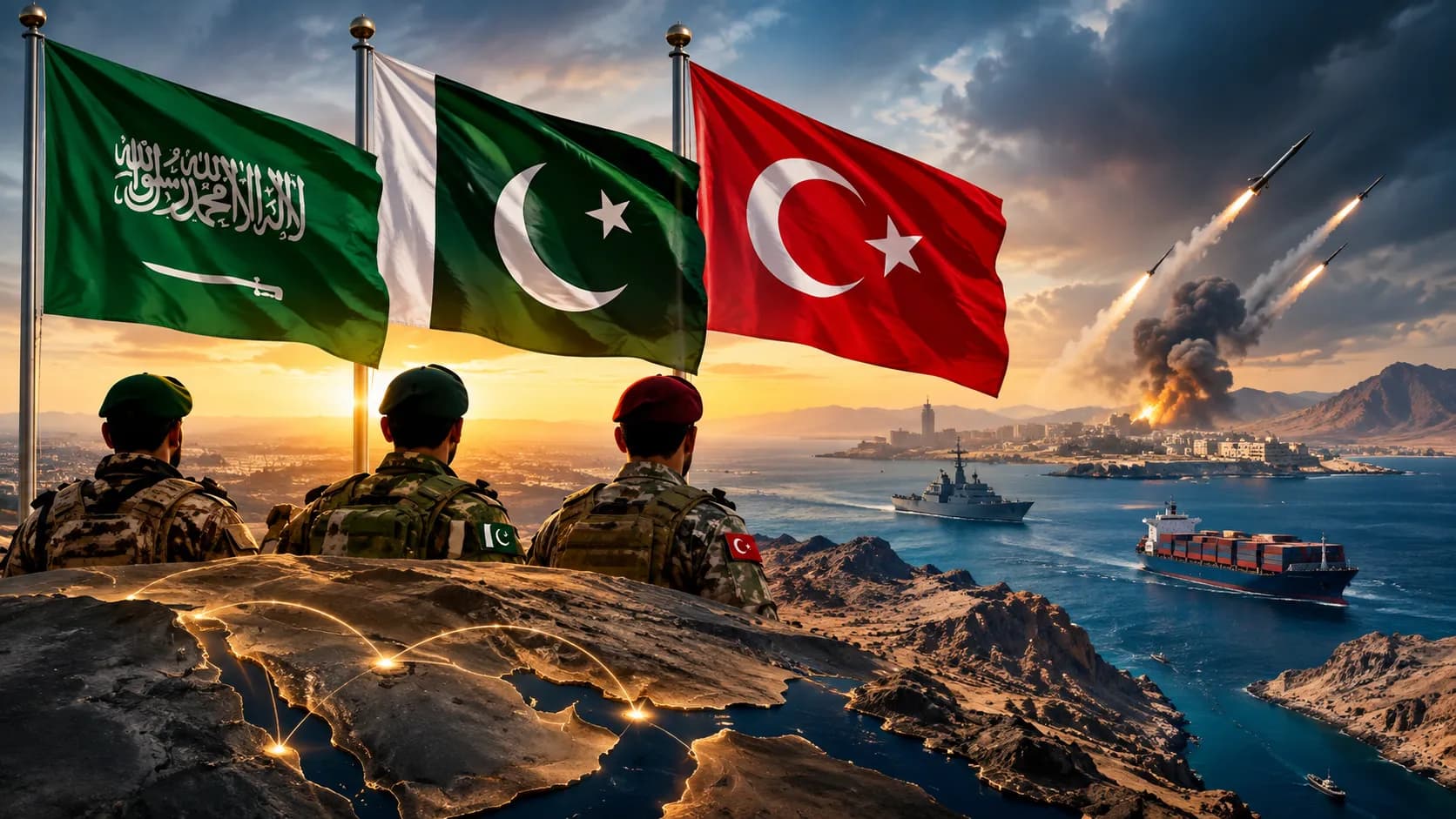
The Makkah Joint Defence Agreement between Pakistan, Saudi Arabia and Türkiye could strengthen Pakistan’s strategic and diplomatic role, deepen trilateral defence cooperation and advance collective security amid evolving challenges across the Middle East and South Asia.

NATO 3.0 represents a multidimensional security framework designed to address emerging global threats. Increasing Türkiye's defense expenditures would strengthen NATO's presence in the Black Sea and the Middle East while enhancing deterrence, burden-sharing, and strategic resilience, benefiting both Europe and the United States.

European NATO members have rapidly replaced most military capabilities reduced by the United States, strengthening the alliance’s defense posture. While a few strategic gaps remain, NATO is developing alternatives as Europe assumes greater responsibility for collective security.

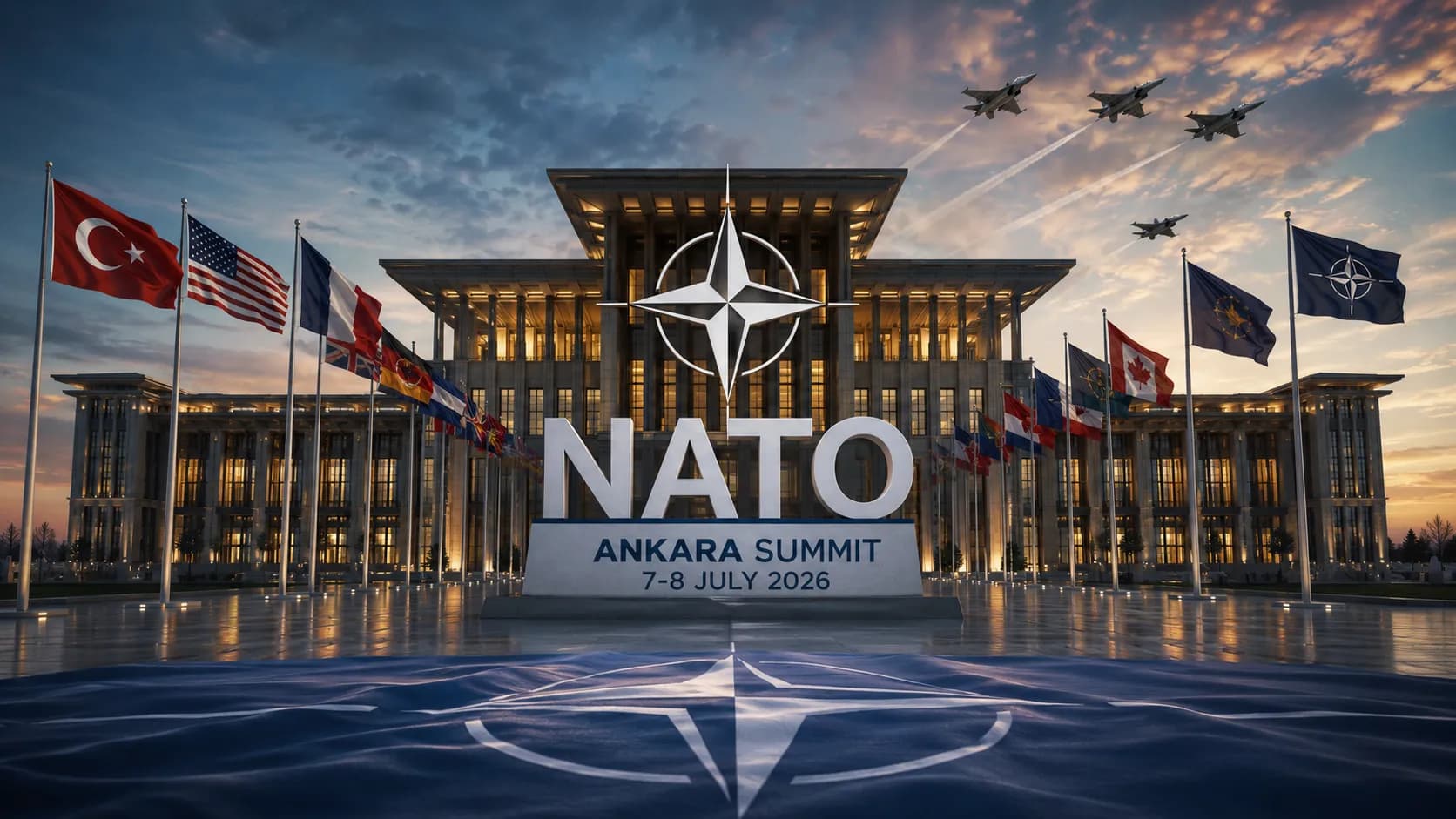
As Türkiye prepares to host the 36th NATO Summit in Ankara on 7-8 July, President Erdoğan has pressed for a more balanced distribution of responsibility among allies, arguing Türkiye's defence contributions should not be sidelined by narrow political interests within the alliance.

After months of delay, the UK Prime Minister has announced the Defence Investment Plan, redirecting funds toward drone-coordinating naval vessels, amphibious ships and joint European weapons programmes, while pledging £400 million to a new multilateral defence financing mechanism.

Germany is rapidly becoming Europe's leading military power through record defence spending, long-term procurement and an expanding defence industry led by Rheinmetall. Berlin's historic rearmament is reshaping European security, strengthening NATO capabilities while altering the continent's strategic balance.

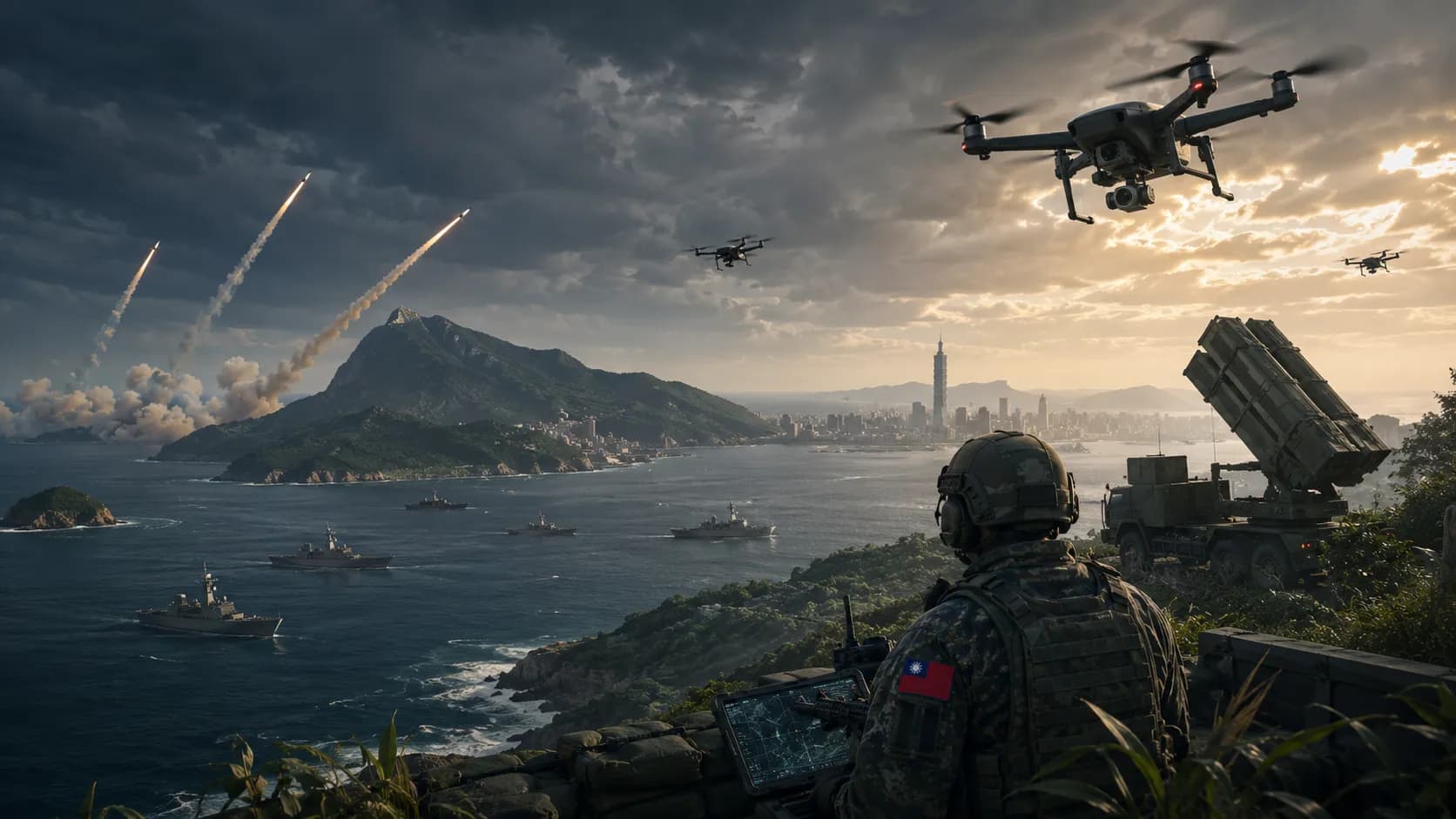
A pause in U.S. arms sales to Taiwan is pushing the island toward self-reliance and asymmetric defense — drones, mobile missiles, and indigenous production — though gaps in air defense coverage and institutional inertia remain major hurdles on the road to full strategic autonomy.

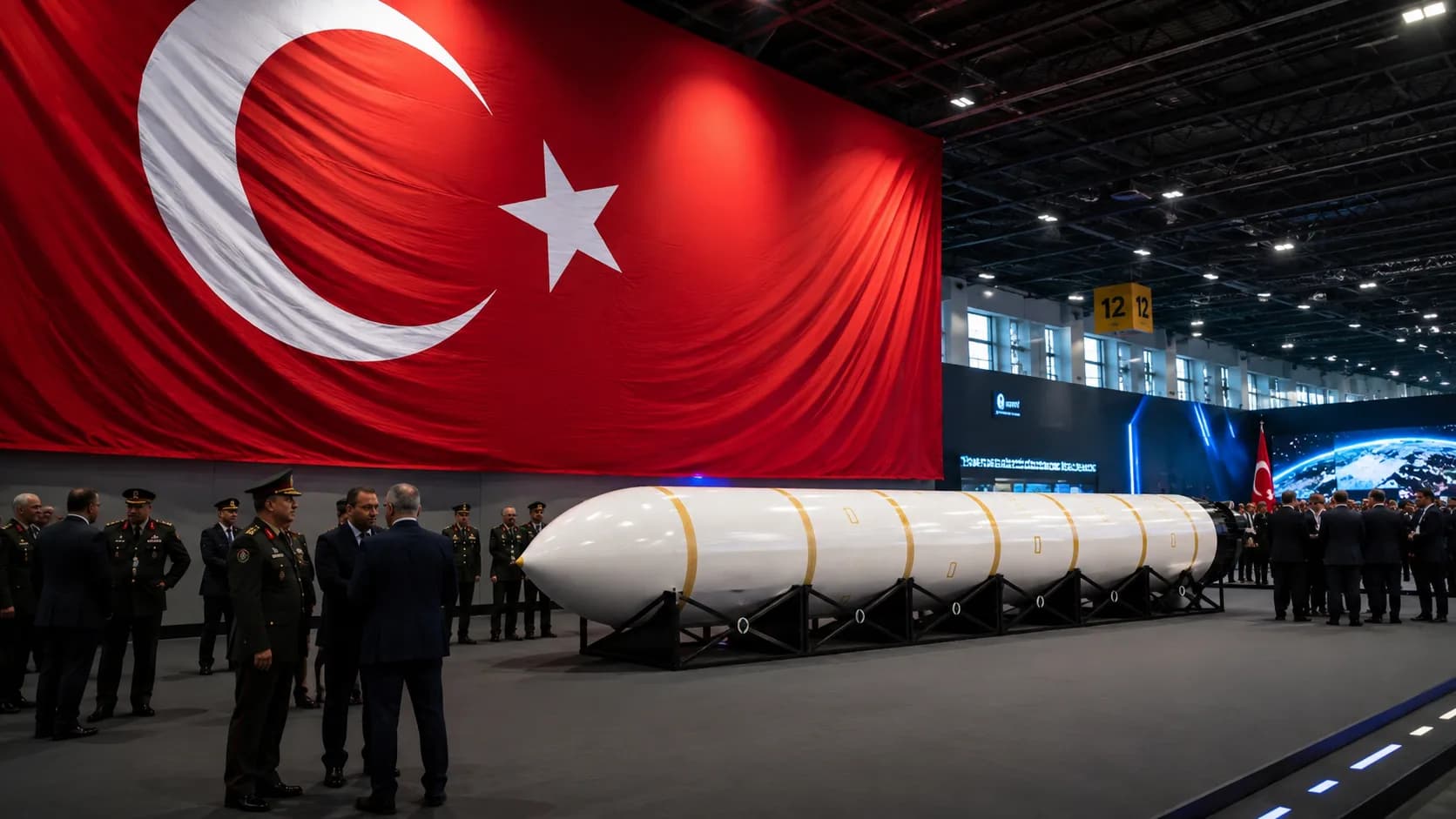
With the unveiling of the Yildirimhan, Ankara signals it intends to be a sovereign military power, building on a decade of Bayraktar successes

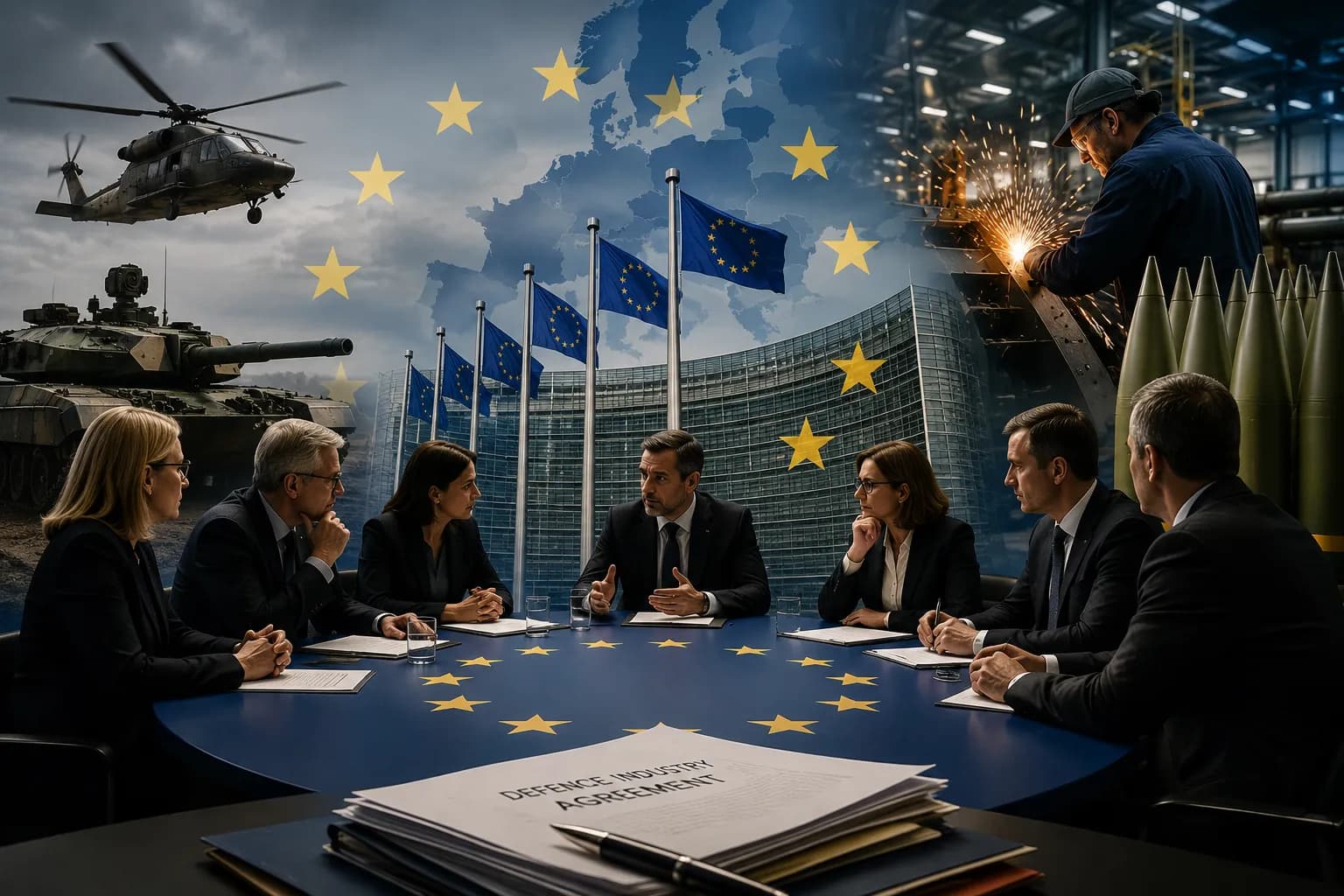
Time is running low for EU members to accept a new denfence deal.

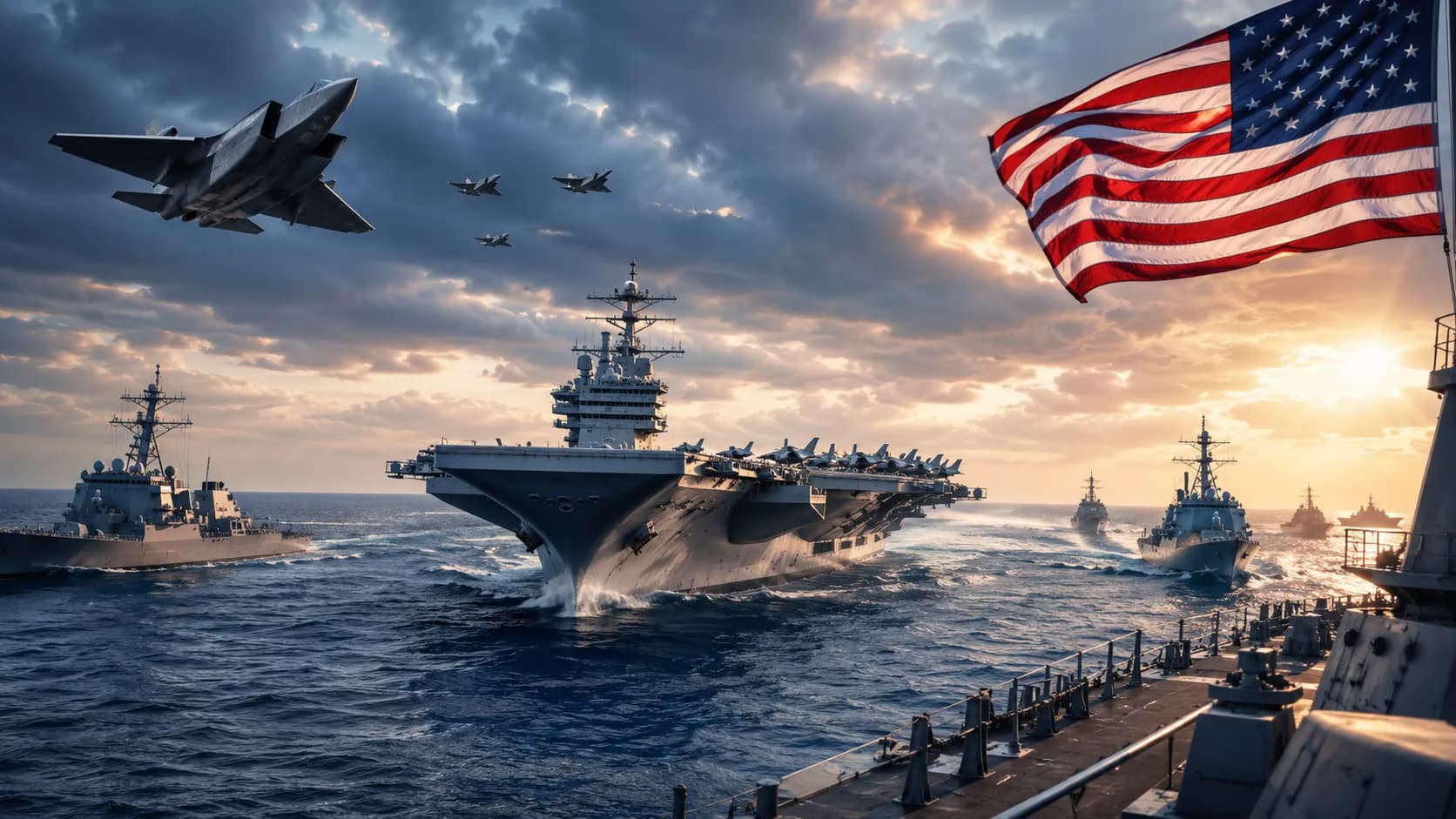
The U.S. Navy’s 2027 shipbuilding plan raises the possibility of constructing vessels in allied countries while emphasizing nuclear-powered warships, logistical tanker investments, and distributed production to restore American maritime superiority against China.

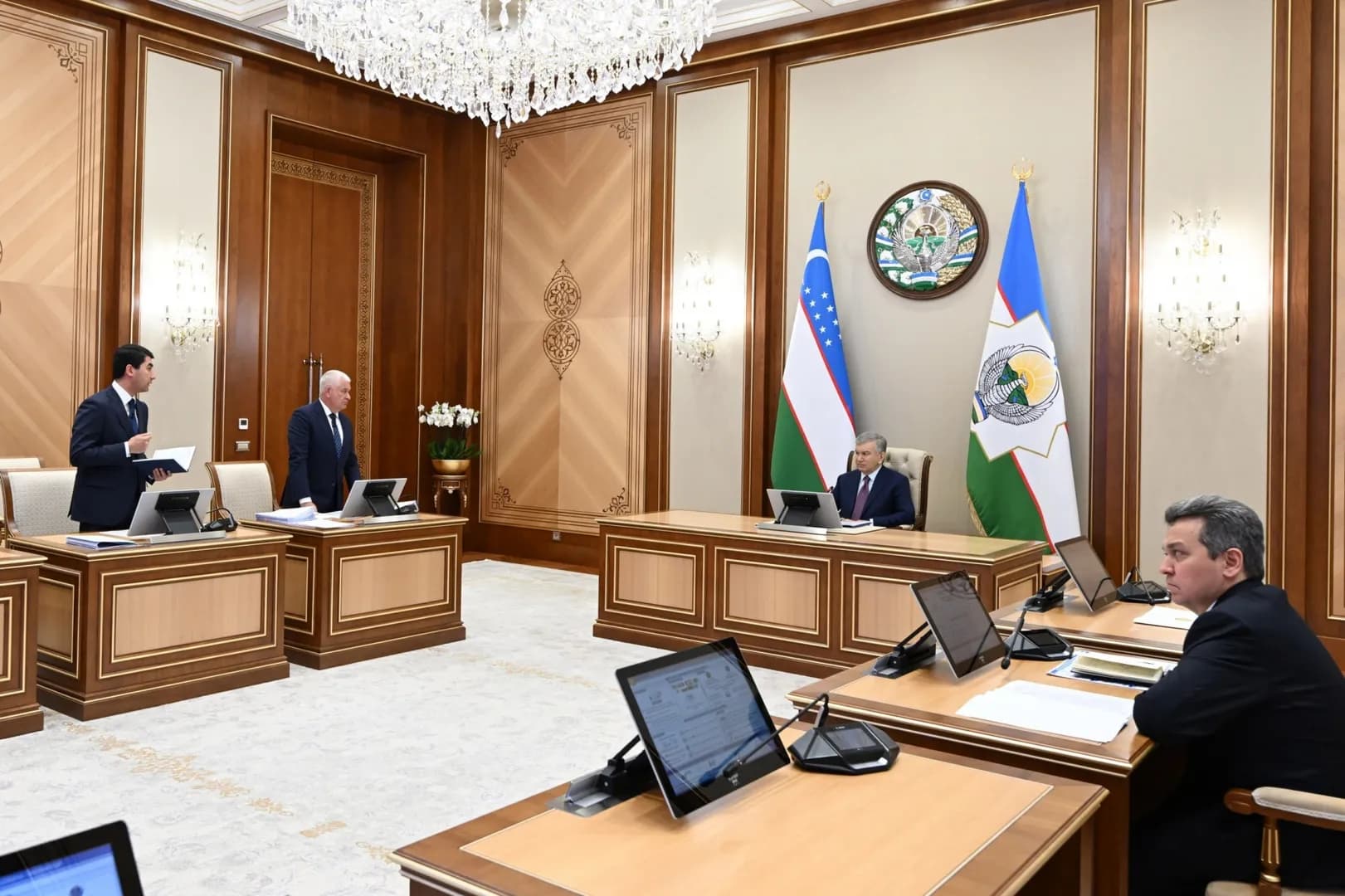
Uzbekistan is modernizing its armed forces through artificial intelligence, drone warfare, cybersecurity, and digital military reforms. Under President Shavkat Mirziyoyev, the country is building a technologically advanced defense structure and moving steadily toward regional power status.

The planned withdrawal of US troops from Germany reflects growing tensions within NATO and uncertainty in transatlantic relations. As Washington questions European alignment with US strategic priorities, Germany increasingly seeks military and political autonomy, signaling a shift toward a more competitive Western order.

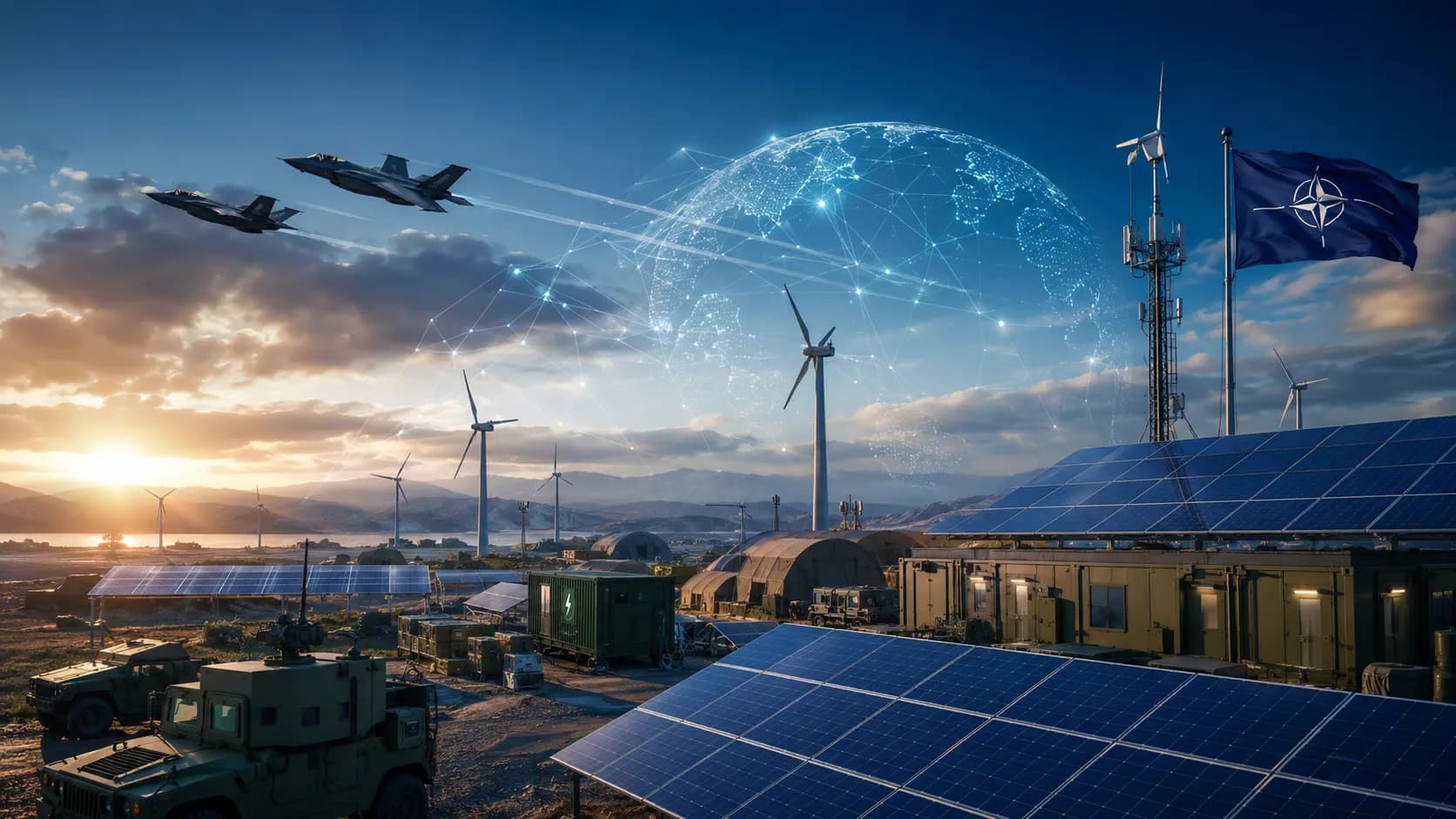
NATO is increasingly viewing renewable energy as a military necessity. European allies seek greater energy independence through solar, hydrogen, and synthetic fuels, while tensions grow with U.S. fossil fuel policies. Energy security is becoming central to future warfare.