NATO 3.0, Türkiye's Strategic Role, and the Importance of Defense Expenditures
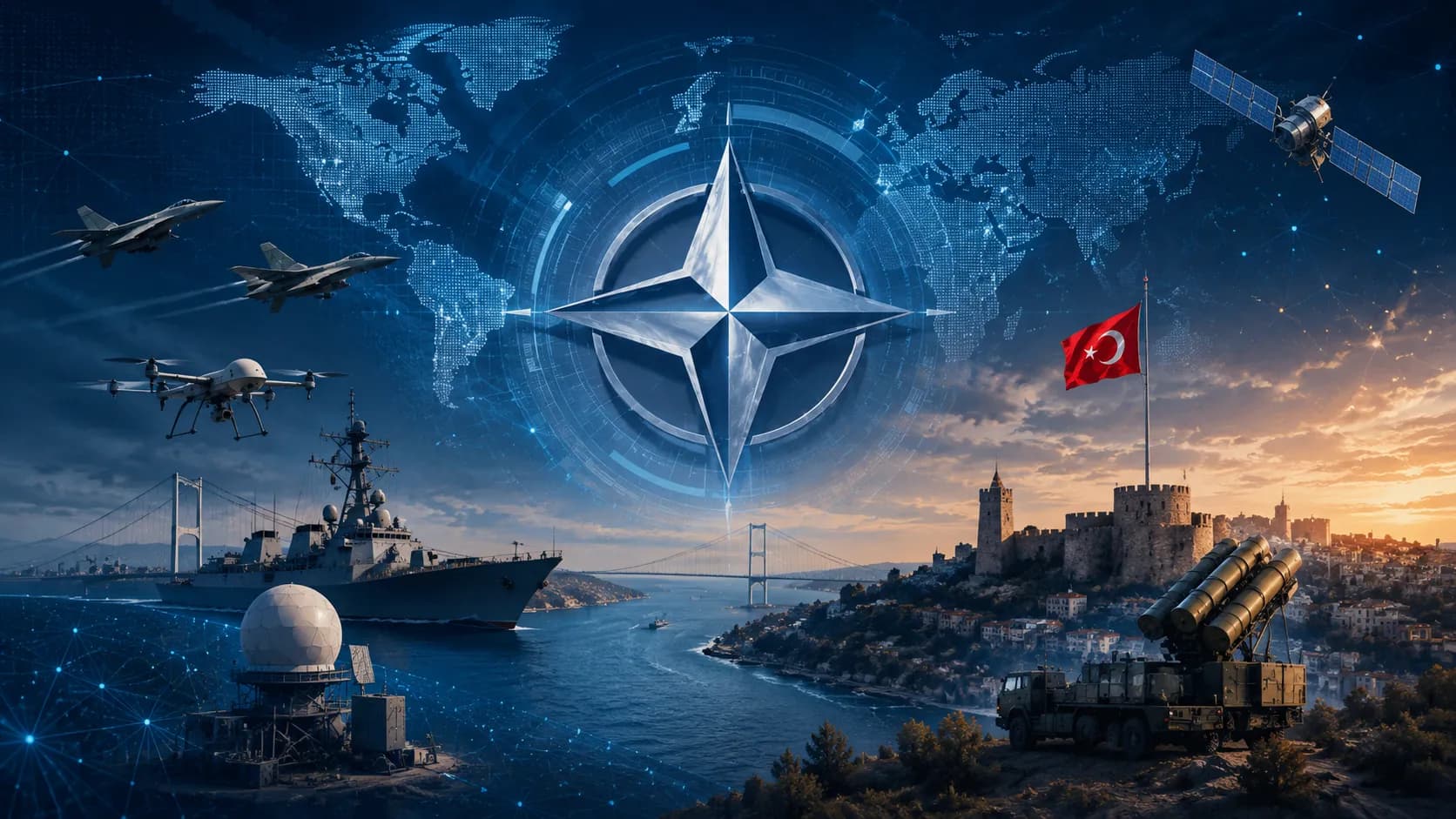
NATO 3.0 represents a multidimensional security framework designed to address emerging global threats. Increasing Türkiye's defense expenditures would strengthen NATO's presence in the Black Sea and the Middle East while enhancing deterrence, burden-sharing, and strategic resilience, benefiting both Europe and the United States.
Introduction
NATO 3.0 represents the Alliance's new-generation strategic transformation designed to adapt to the evolving global security environment. The Russia–Ukraine War, hybrid threats, cyberattacks, artificial intelligence-enabled defense systems, space security, energy security, and threats to critical infrastructure have compelled NATO to expand its traditional concept of collective defense into a broader, multidimensional security architecture. Within this transformation, Türkiye has emerged as one of the key actors in the NATO 3.0 vision due to its geopolitical location, military capabilities, growing defense industry, and direct proximity to both the Black Sea and the Middle East.
1. NATO 3.0 and the New Security Architecture
NATO 3.0 reflects the Alliance's transition from a traditional security model based primarily on land, sea, and air power to a comprehensive approach that also incorporates cyberspace, outer space, information security, artificial intelligence, autonomous systems, and the protection of critical infrastructure. Under this framework, deterrence is no longer defined solely by military strength but also by technological superiority, economic resilience, defense industrial capacity, and the ability to respond rapidly to emerging crises. Consequently, NATO 3.0 requires Allied nations to increase defense investments while directing these resources toward advanced technologies that will strengthen the Alliance's long-term operational effectiveness and strategic resilience.
2. Türkiye's Strategic Position on NATO's Black Sea and Middle Eastern Flanks
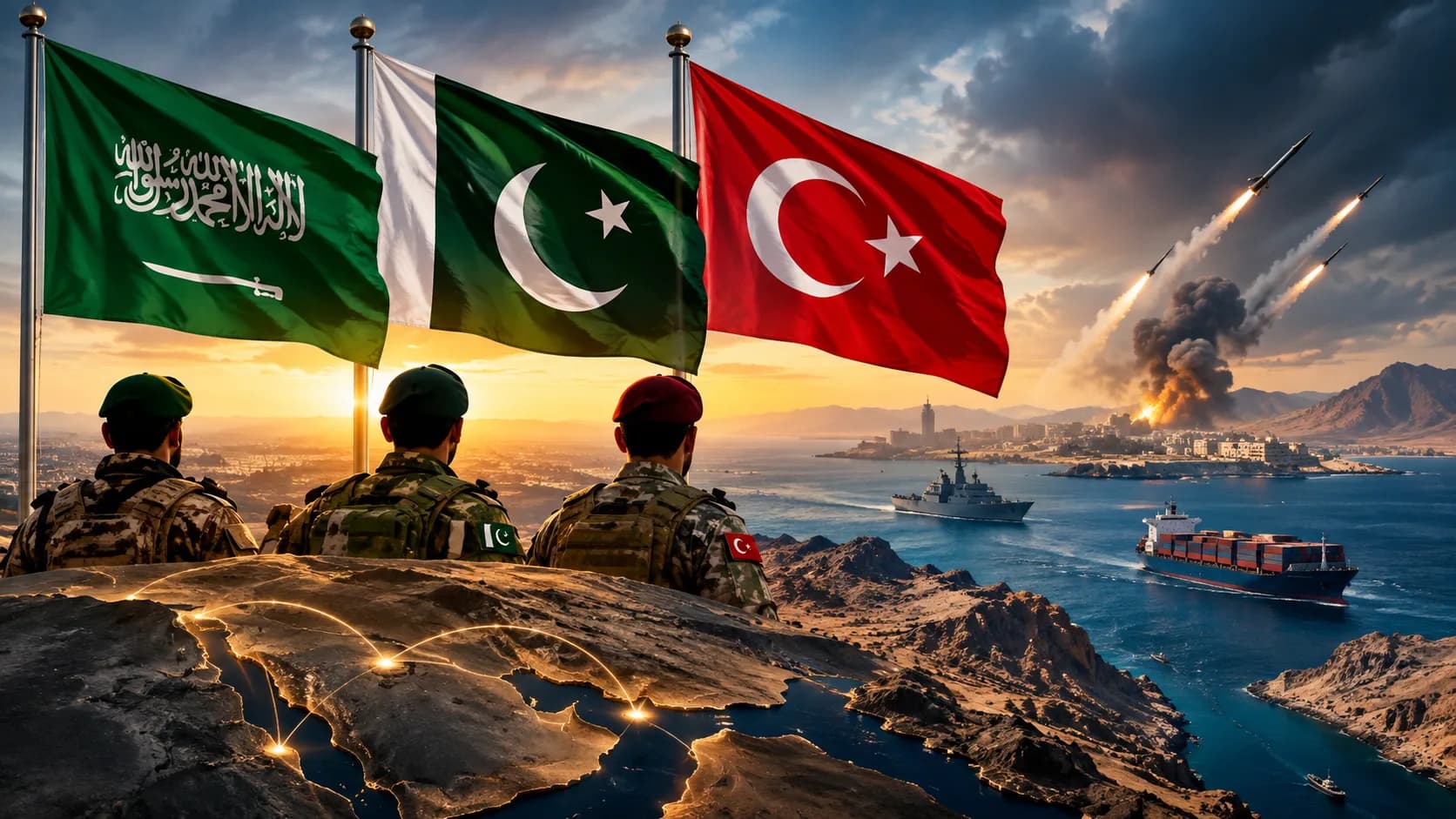
Türkiye occupies a unique strategic position on both NATO's southern and eastern security frontiers. Following the Russia–Ukraine War, the Black Sea has become increasingly critical for European security, maritime trade, energy corridors, and regional deterrence. As one of the NATO members bordering the Black Sea and the state responsible for the Turkish Straits under international law, Türkiye plays an indispensable role in maintaining regional stability and maritime security.
Similarly, Türkiye serves as NATO's forward security actor in the Middle East, where terrorism, irregular migration, proxy conflicts, energy security challenges, and regional instability continue to shape the security environment. Its geographic proximity to Iraq, Syria, Iran, and the Eastern Mediterranean provides Türkiye with unique operational advantages in intelligence gathering, border security, rapid military deployment, and crisis management. Therefore, increasing Türkiye's defense expenditures and directing these investments toward integrated air and missile defense systems, cyber capabilities, autonomous platforms, naval modernization, intelligence infrastructure, and space-based technologies would significantly strengthen NATO's operational effectiveness across both the Black Sea and Middle Eastern regions.
3. Strategic Benefits for Europe and the United States
Strengthening Türkiye's defense capabilities would generate significant strategic benefits not only for Türkiye itself but also for both Europe and the United States. For Europe, a stronger Türkiye would reinforce deterrence against emerging security risks in the Black Sea, contribute to the protection of critical energy corridors and maritime trade routes, enhance counterterrorism efforts, and support the management of irregular migration. A more capable Türkiye on NATO's southeastern flank would improve the Alliance's overall security posture while allowing European allies to allocate their defense resources more efficiently.
From the perspective of the United States, increased Turkish defense spending would contribute to a more balanced distribution of responsibilities within NATO. For many years, Washington has encouraged European allies to assume a greater share of the Alliance's collective defense burden. A militarily stronger Türkiye would enable NATO to distribute operational responsibilities more effectively across its southern and eastern flanks, allowing the United States to allocate greater strategic attention and resources to other global priorities. Furthermore, the continued development of Türkiye's defense industry would diversify NATO's defense supply chains, expand opportunities for joint production and technological cooperation, and improve the Alliance's resilience during periods of geopolitical crisis.
Conclusion
NATO 3.0 represents a comprehensive transformation designed to address the multidimensional security challenges of the twenty-first century. Within this evolving security framework, Türkiye's significance derives not only from its strategic geography but also from its growing capacity to enhance NATO's deterrence and defense capabilities across both the Black Sea and the Middle East. By increasing defense expenditures and investing in advanced technologies, cyber defense, integrated air and missile defense, naval capabilities, autonomous systems, and space technologies, Türkiye can assume a more influential role within the Alliance. Such a development would strengthen NATO's southern and eastern flanks, enhance European security, support a more balanced transatlantic burden-sharing framework, and contribute to a more resilient, technologically advanced, and strategically effective NATO capable of responding to future security challenges.

İsmail Polat
Ph. D. in International Relations
Follow EUReflect
See more of our reporting on Google
Mark EUReflect as a preferred source and our stories are ranked higher for you in Top Stories, Discover and Google News — and carry a “preferred” badge when they are cited in AI results.
Add EUReflect as a preferred source