Uzbekistan’s Military Transformation and the Rise of a Regional Power
Uzbekistan is modernizing its armed forces through artificial intelligence, drone warfare, cybersecurity, and digital military reforms. Under President Shavkat Mirziyoyev, the country is building a technologically advanced defense structure and moving steadily toward regional power status.
Introduction
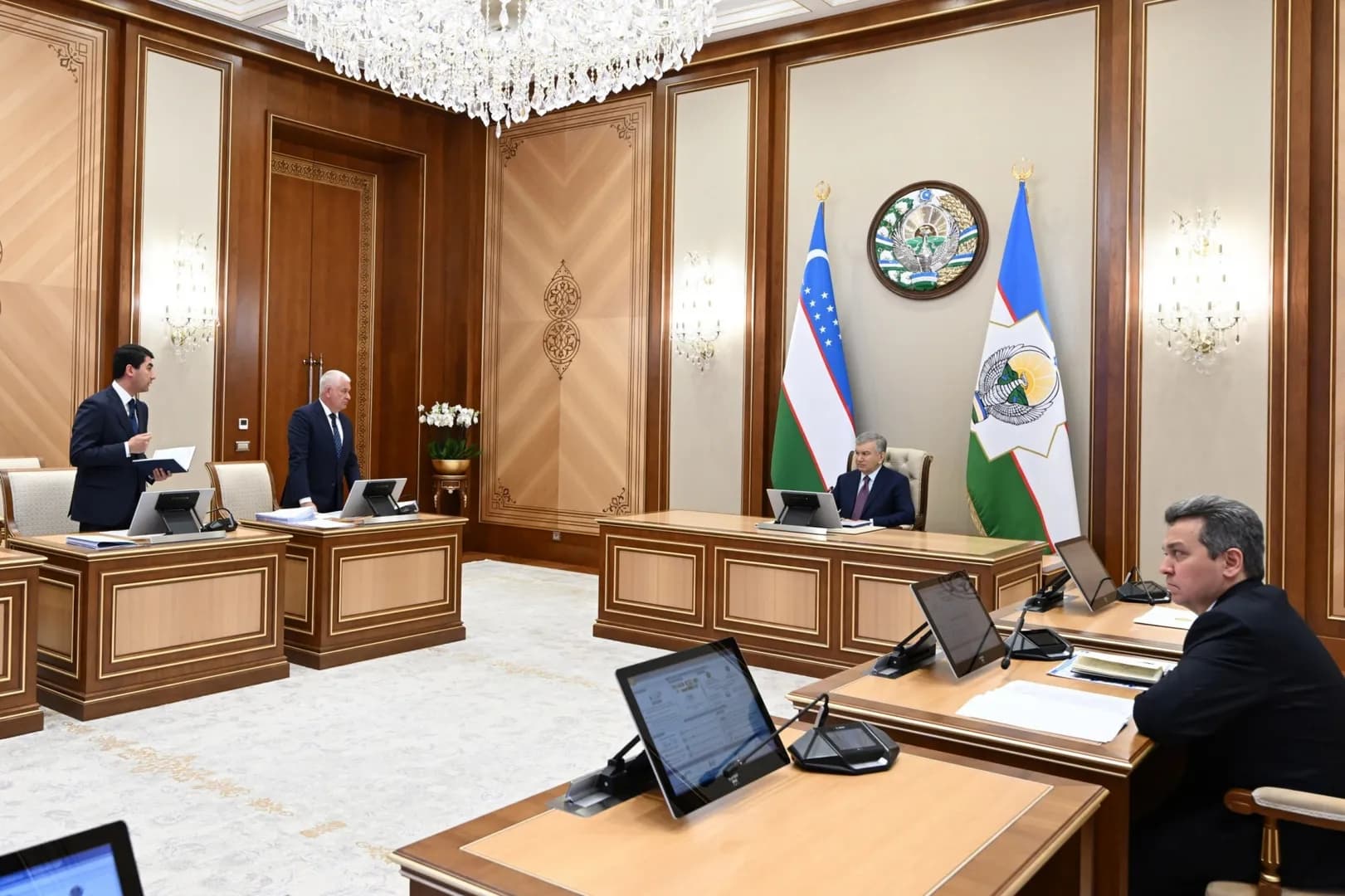
Under the leadership of Shavkat Mirziyoyev, Uzbekistan has entered a comprehensive transformation process not only in economic and diplomatic spheres but also in military and technological domains. At a time when the nature of modern warfare is rapidly evolving, Tashkent is moving beyond traditional security doctrines and constructing a new defense architecture centered on digitalization, artificial intelligence, cybersecurity, and unmanned systems. This transformation is not limited to strengthening national security; it also demonstrates that Uzbekistan is moving confidently toward becoming a regional power in Central Asia.
1. Adaptation to Modern Warfare and Military Technological Transformation
The character of contemporary warfare is changing rapidly. Unmanned aerial vehicles, robotic systems, electronic warfare capabilities, and digital command-and-control mechanisms have become essential components of modern armies. Recognizing this transformation early, Uzbekistan has initiated structural reforms within its armed forces.
The establishment of new units dedicated to the use of drones and counter-drone systems illustrates the country’s determination to enhance its modern combat capabilities. Furthermore, the systematic training of drone operators, engineers, and robotics specialists indicates that Uzbekistan seeks not only to import technology but also to cultivate domestic human capital capable of effectively operating advanced military systems.
The strong emphasis on artificial intelligence and autonomous technologies reveals that Uzbekistan is acting more proactively than many regional states in adapting to the warfare concepts of the future. This demonstrates Tashkent’s strategic preference for achieving qualitative superiority through technology rather than relying solely on numerical military strength.
2. Military Education Reforms and the New Generation Officer Model
One of the most significant dimensions of Uzbekistan’s military transformation is the reform of military education. The decision in 2025 to grant institute status to all military higher education institutions and establish the University of Military Security and Defense reflects the government’s ambition to centralize and professionalize military education.
Under the new system, traditional military disciplines are being complemented by foreign languages, information technologies, and artificial intelligence studies. This approach indicates that Uzbekistan envisions future officers not merely as combat personnel, but as technologically skilled strategic actors capable of operating effectively in digital battle environments.
The introduction of a three-tier command and staff officer training system based on international experience is equally significant. It demonstrates that Uzbekistan is not focused solely on domestic security concerns but aims to build a professional military institution capable of integrating global military developments into its national defense structure.
Moreover, the expansion of non-commissioned officer training and the introduction of distance learning models contribute to the creation of a broader and more sustainable military human resource system. In the long term, these reforms have the potential to substantially increase the institutional capacity of the Uzbek armed forces.
3. Digital Army, Cybersecurity, and the Strategy of Regional Power
Perhaps the most strategic aspect of Uzbekistan’s defense reforms is the digitalization of the army and the strengthening of cybersecurity infrastructure. The development of nearly 50 military information systems demonstrates that the country’s digital governance capacity is increasingly being integrated into the defense sector.
The implementation of the “Conscription” electronic system, integrated with 19 state institutions, and the full digitalization of military recruitment procedures represent a major step in bureaucratic modernization. This transformation not only improves administrative efficiency but also enhances the state’s data management capabilities.
The establishment of an Information Security Monitoring Center, alongside plans to create an Artificial Intelligence Department and a Cybersecurity Laboratory within the Ministry of Defense, indicates that Uzbekistan perceives future security threats not only in physical terms but also within the digital sphere.
Plans to establish a Satellite Communications Center further reflect the country’s efforts to develop an independent and resilient military communications infrastructure. This initiative can be interpreted as part of Uzbekistan’s broader strategy to reduce external dependence and achieve greater strategic autonomy.
Taken together, these developments suggest that Uzbekistan is not merely strengthening its defense capabilities but is actively constructing a technology-driven model of regional power in Central Asia.
Conclusion
Uzbekistan is moving beyond traditional security paradigms through its military reforms, digitalization initiatives, and artificial intelligence-oriented defense policies. Under the leadership of Shavkat Mirziyoyev, the country is implementing a comprehensive transformation process aimed at adapting to modern warfare technologies, restructuring military human resources, and enhancing cybersecurity capacity.
These reforms represent more than military modernization alone. They also reflect Uzbekistan’s ambition to become a more influential, independent, and technologically capable actor in Central Asia. In particular, the development of a digital army concept, investments in artificial intelligence, and the expansion of strategic communication infrastructures demonstrate that Tashkent is moving confidently toward becoming a regional power.

İsmail Polat
Ph. D. in International Relations
Follow EUReflect
See more of our reporting on Google
Mark EUReflect as a preferred source and our stories are ranked higher for you in Top Stories, Discover and Google News — and carry a “preferred” badge when they are cited in AI results.
Add EUReflect as a preferred source