EU in rush to approve a new defence industry agreement
Time is running low for EU members to accept a new denfence deal.
Written by journalist Danylo Aleksandrov
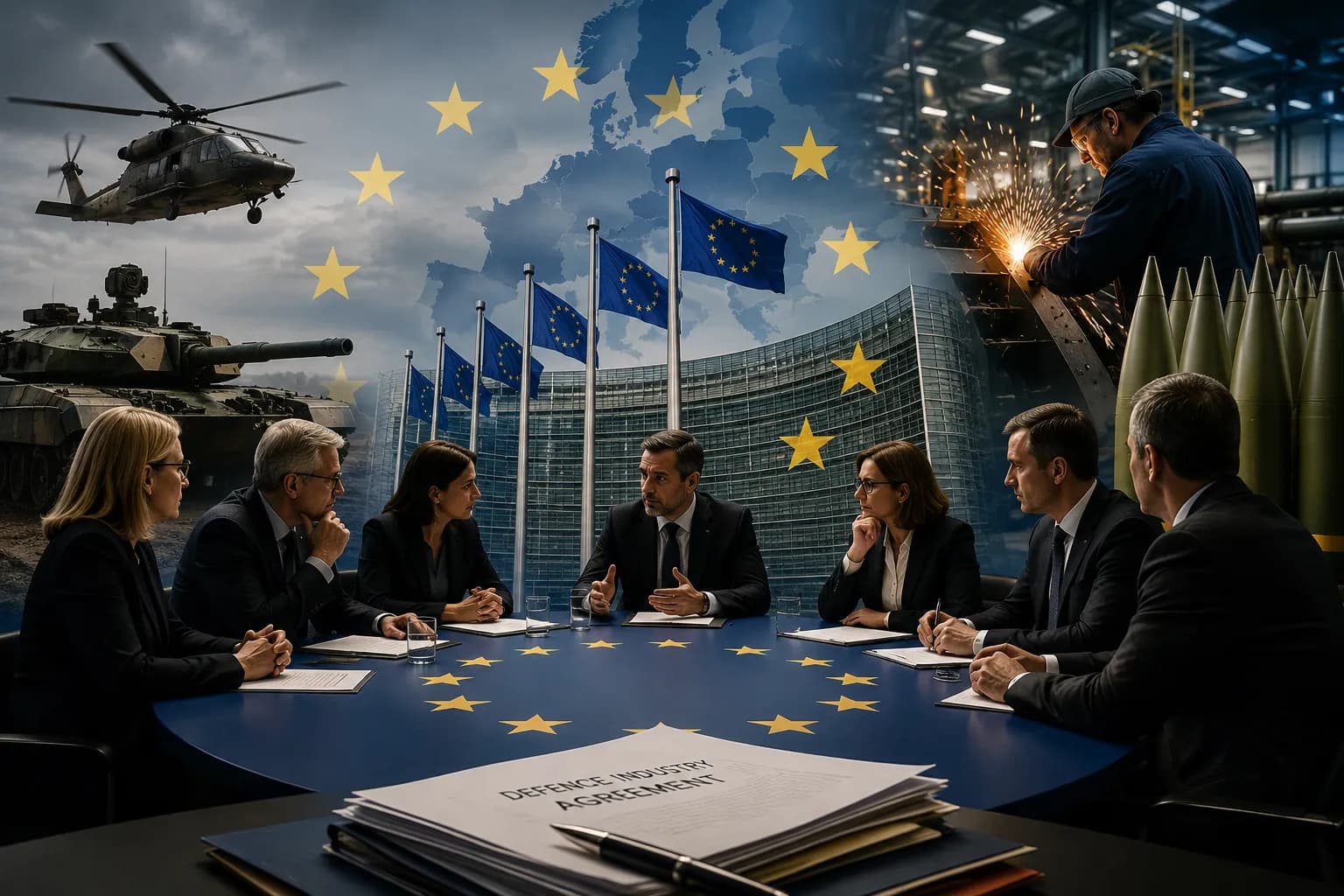
The European Union is racing to finalise a major agreement aimed at strengthening its defence industry, but negotiations remain difficult due to disagreements between member states and institutions.
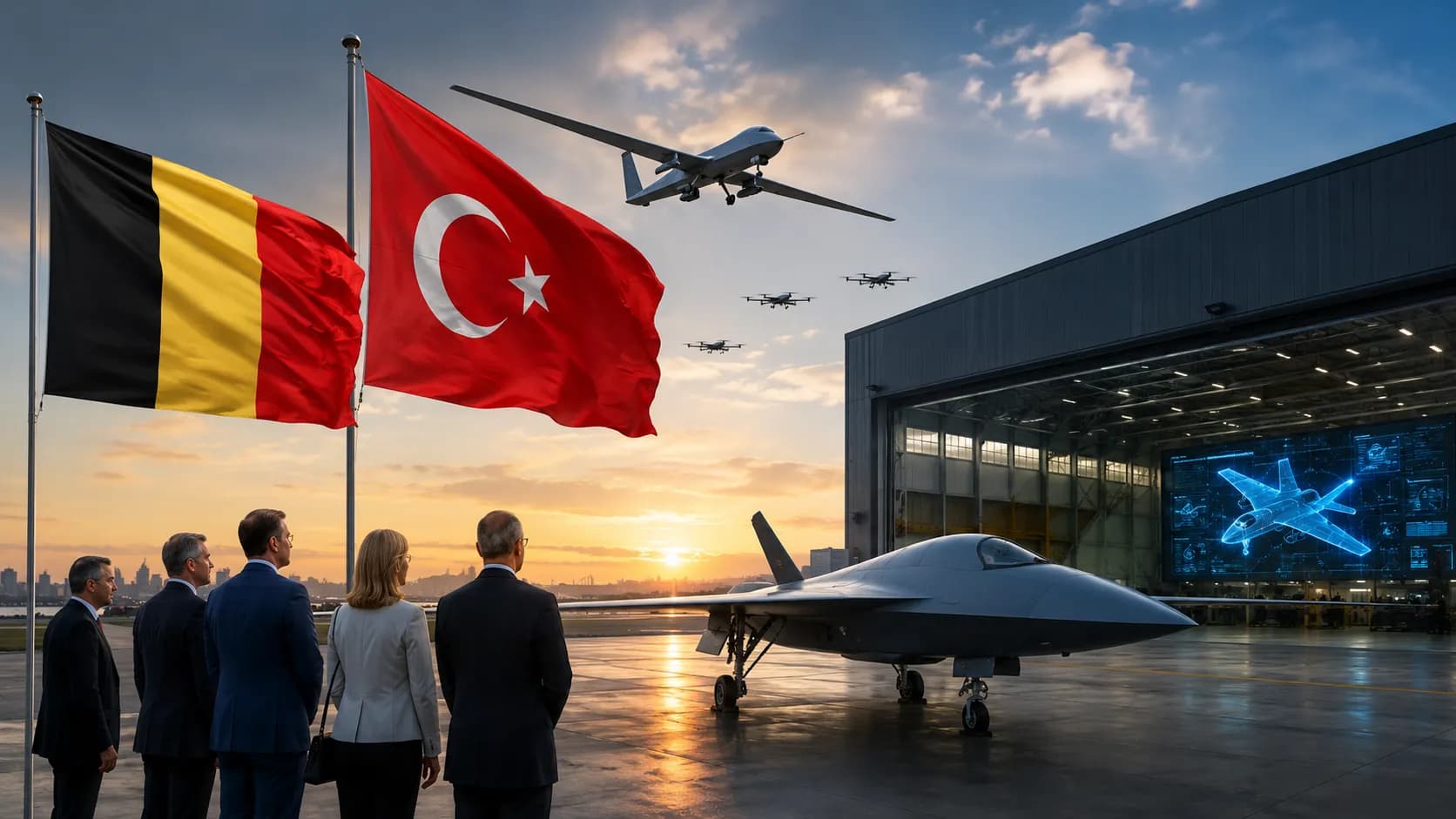
Talks involving the European Commission, the European Parliament, and EU governments are focused on a package of reforms designed to simplify procedures, reduce bureaucracy, and boost weapons production across Europe. The “Defence Readiness Omnibus” initiative seeks to make it easier for companies to operate and for governments to cooperate on defence projects.
Despite broad agreement that Europe must improve its military capabilities, divisions persist over how the system should work in practice. A key point of tension is how much control should remain with national governments versus how much should be coordinated at the EU level. Many countries are reluctant to give up authority over defence procurement, which they see as a core aspect of national sovereignty.
The urgency behind the negotiations has grown in recent years, particularly after Russia’s invasion of Ukraine and concerns about long-term security threats. EU officials warn that Europe must act quickly to strengthen its defence capacity, especially as doubts increase about the reliability of traditional allies such as the United States.
At the same time, industry representatives have criticised the current system as too slow and fragmented, with lengthy approval processes delaying production. In some cases, authorisations for defence projects can take up to a year or even more, leaving companies unable to respond quickly to demand.
The proposed reforms aim to address these issues by streamlining joint procurement rules, improving access to EU funding, and creating clearer, more predictable regulations for defence companies. However, disagreements remain over eligibility rules—particularly regarding how many countries must be involved in joint projects and which suppliers should qualify.
With security concerns rising and warnings that Europe may not be fully prepared for future threats, officials stress that time is running out.
EUReflect News
Site Administrator
Follow EUReflect
See more of our reporting on Google
Mark EUReflect as a preferred source and our stories are ranked higher for you in Top Stories, Discover and Google News — and carry a “preferred” badge when they are cited in AI results.
Add EUReflect as a preferred source